The latest installment in the notoriously gory and relentlessly terrifying Evil Dead franchise, Evil Dead Burn, has delivered a cinematic experience that has left audiences both exhilarated and unnerved. Beyond the visceral thrills and relentless onslaught of demonic carnage that has become synonymous with the series, the film concludes with a post-credits scene that serves as a potent reminder of the enduring power of the Kandarian evil and a clever nod to fans who have followed the franchise’s recent trajectory. This unexpected stinger brings back a familiar and terrifying face, sparking considerable discussion among the horror community about its implications for the future of the Evil Dead universe.
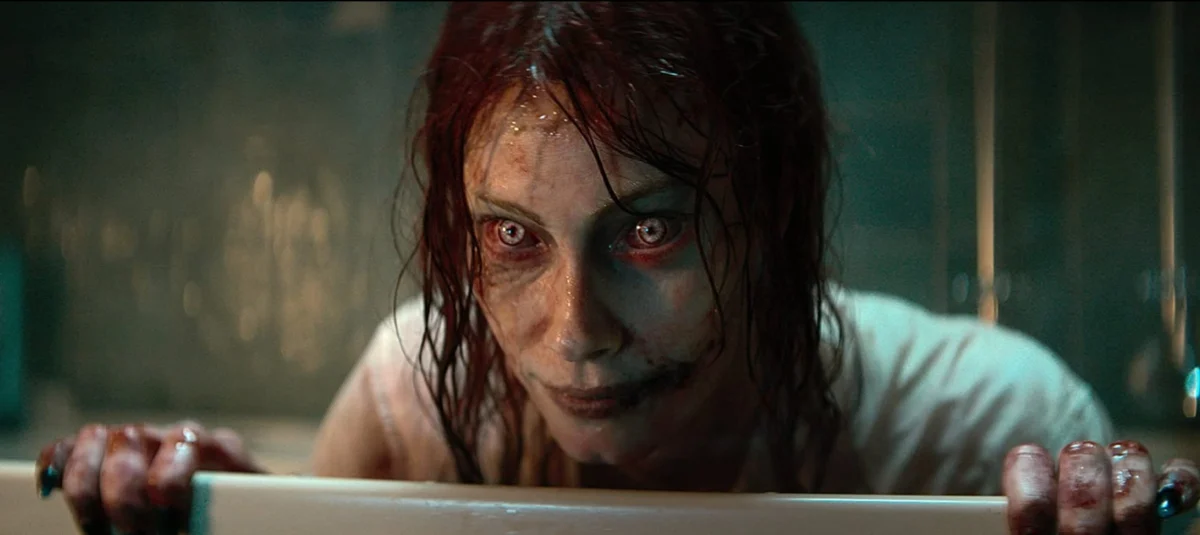
The scene in question features the chilling return of Alyssa Sutherland, reprising her indelible role as Ellie, the possessed mother from the critically acclaimed Evil Dead Rise. This brief cameo, appearing after the main narrative of Evil Dead Burn has concluded, does not directly tie into the immediate plot of the new film. It does not reveal Ellie as an unseen architect of the new Deadite outbreak or suggest a direct causal link between her fate in Evil Dead Rise and the events experienced by the Price family in Burn. Instead, the stinger functions as a deliberate and satisfying button for dedicated fans, offering a moment of both dark amusement and a chilling foreboding.
A Familiar Face Returns: The Significance of Ellie’s Cameo
The appearance of Ellie serves as a powerful reinforcement of a core tenet of the Evil Dead mythology: evil, once unleashed, rarely stays vanquished. Her brief but impactful presence underscores the cyclical nature of the demonic forces that plague this cinematic universe. The franchise has consistently explored the idea that any victory over the Kandarian evil is, at best, a temporary reprieve. Ellie’s return, therefore, is not merely a fan-service gesture but a thematic echo, resonating with the franchise’s long-standing narrative of persistent, unyielding malevolence.
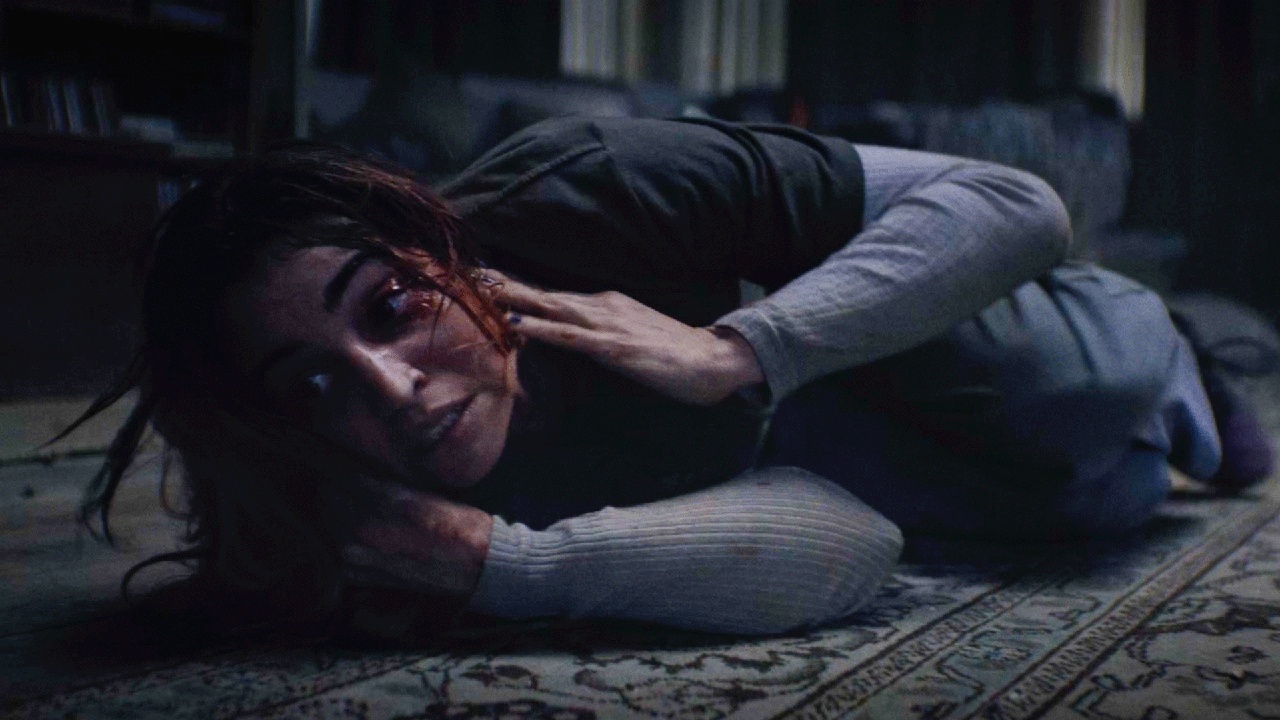
Crucially, the filmmakers have intentionally structured this cameo to avoid establishing a direct plot connection between Ellie and the Price family or the specific events of Evil Dead Burn. There is no narrative implication that Ellie is related to the protagonists of Burn or that she played any role in the specific outbreak depicted. Rather, the scene is framed as an affectionate tribute to Evil Dead Rise, a knowing wink to the audience that acknowledges the shared universe and the evolution of the modern Evil Dead saga. This approach allows for the integration of beloved characters and elements without contorting the narrative of individual films to accommodate them.
Geographical Threads and a Connected Universe
While the cameo is presented as a thematic and celebratory inclusion, a subtle yet significant detail imbues it with a deeper layer of meaning, hinting at a more connected Evil Dead universe. The scene reveals that Ellie’s ashes are interred at the very same funeral home where the Price family gathers following their devastating losses in Evil Dead Burn. This seemingly minor geographical placement serves a crucial purpose: it reinforces the spatial continuity of the Evil Dead universe, particularly in its modern iterations.
Evil Dead Rise had already established that the original cabin and the nearby lake, the genesis point of its Deadite outbreak, were situated within a specific geographical region. The film meticulously depicted the cascading events that began with the discovery of the Necronomicon Ex-Mortis and culminated in a catastrophic car crash, setting the stage for the ensuing horrors. By strategically placing Ellie’s remains within the funeral home featured in Burn, the filmmakers subtly weave these seemingly disparate narratives into a more cohesive whole. This detail transforms the cameo from a standalone Easter egg into an organic element that grounds the recent films within a shared regional landscape. It suggests that while the protagonists and specific outbreaks may vary, the underlying forces and their localized manifestations are part of a larger, interconnected tapestry. This approach allows the franchise to explore new stories and characters while maintaining a sense of continuity for long-time fans.
The Future of the Evil Dead: Speculation and Possibilities

The inclusion of such a potent post-credits scene inevitably sparks speculation about potential future installments. Could this be a deliberate planting of seeds for a future film? It is certainly a possibility the franchise’s recent direction seems to encourage. The Evil Dead series has increasingly embraced a model of standalone stories that are linked by the overarching mythology of the Deadites and the Necronomicon, rather than by a consistent cast of recurring protagonists. This approach, exemplified by Evil Dead Rise and now Evil Dead Burn, allows for creative freedom and the exploration of diverse settings and characters while still maintaining the franchise’s core identity. Ellie’s return could thus be a playful tease, a reminder that she remains a formidable force within the Evil Dead pantheon, and that her story, or at least her presence, might not be entirely concluded.
However, it is important to distinguish this particular cameo from other potential narrative threads. The upcoming film, Evil Dead: Wrath, has been announced to take the franchise in a significantly different direction, reportedly set in 1972. Robert Tapert, a key producer on the franchise, has indicated that Wrath will explore an earlier era and potentially a different thematic focus. Given this distinct trajectory, it is highly unlikely that the post-credits scene in Evil Dead Burn is intended to directly set up the narrative for Wrath. Instead, the scene functions more as a celebratory moment, a testament to the enduring impact of Ellie as one of the most memorable modern Deadites and a confirmation that Alyssa Sutherland’s portrayal left an indelible mark on the franchise.
A Fitting Farewell (or a New Beginning?)
Ultimately, whether Ellie’s appearance in the post-credits scene of Evil Dead Burn leads to further narrative developments or simply serves as a charming and mischievous send-off for the current film, it perfectly encapsulates the spirit of the Evil Dead franchise. For decades, these films have delighted in offering audiences those final, unsettling moments that linger long after the credits roll. They are moments that invite discussion, fuel theories, and reinforce the primal fear that the forces of darkness are never truly vanquished, only temporarily held at bay.
The Evil Dead franchise, since its inception with Sam Raimi’s low-budget masterpiece, has been a cornerstone of the horror genre. Its evolution from the isolated cabin of the original trilogy to the urban terror of Evil Dead Rise and now the intense claustrophobia of Evil Dead Burn demonstrates a remarkable ability to adapt while staying true to its roots. The introduction of new characters and settings, coupled with the strategic reintroduction of familiar elements, suggests a carefully considered approach to expanding the Evil Dead universe. The consistent theme of the relentless nature of evil, embodied by the Kandarian demons and the cursed book, provides a fertile ground for endless permutations of terror.

The critical and commercial success of recent Evil Dead entries, such as Evil Dead Rise, which grossed over $146 million worldwide against a $17 million budget, underscores the enduring appeal of the franchise. This financial performance, coupled with positive critical reception for its unflinching gore and dark humor, has solidified the Evil Dead brand’s position in contemporary horror cinema. The decision to bring back Alyssa Sutherland, whose performance as Ellie was widely praised for its terrifying intensity and maternal ferocity, is a testament to this strategy of blending the new with the familiar.
Analyzing the Impact of Interconnected Storytelling
The decision to subtly link Evil Dead Burn and Evil Dead Rise through the funeral home detail is a sophisticated narrative choice. In an era where cinematic universes are increasingly prevalent, this approach offers a more organic and less intrusive method of establishing connections. It allows for the autonomy of individual film narratives while fostering a sense of a larger, shared world. This is particularly relevant for a franchise like Evil Dead, which has historically operated on a more fragmented, mythological level rather than through strict chronological continuity of protagonists.
This interconnectedness also serves to solidify the modern Evil Dead timeline. By demonstrating that these events are unfolding within a relatively contained geographical area, the filmmakers are creating a sense of place and history for this iteration of the Evil Dead saga. This can be a powerful tool for building anticipation for future installments, as audiences can begin to piece together the larger puzzle of how these demonic incursions are interconnected. The potential for future stories to weave together characters and events from different films, while still maintaining their individual identities, is a compelling prospect for fans.
The enduring appeal of the Evil Dead franchise lies in its ability to tap into primal fears while simultaneously offering a darkly comedic and often cathartic experience. The post-credits scene of Evil Dead Burn is a perfect example of this delicate balance. It provides a moment of genuine surprise and a chilling reminder of the pervasive nature of evil, all while delivering a satisfying nod to the dedicated fanbase. As the franchise continues to evolve, this ability to innovate and connect, while honoring its legacy, will undoubtedly ensure its continued reign in the horror landscape. The question of whether Ellie’s return is a prologue to a new chapter or a final, wicked wave goodbye remains to be seen, but its impact is undeniable.