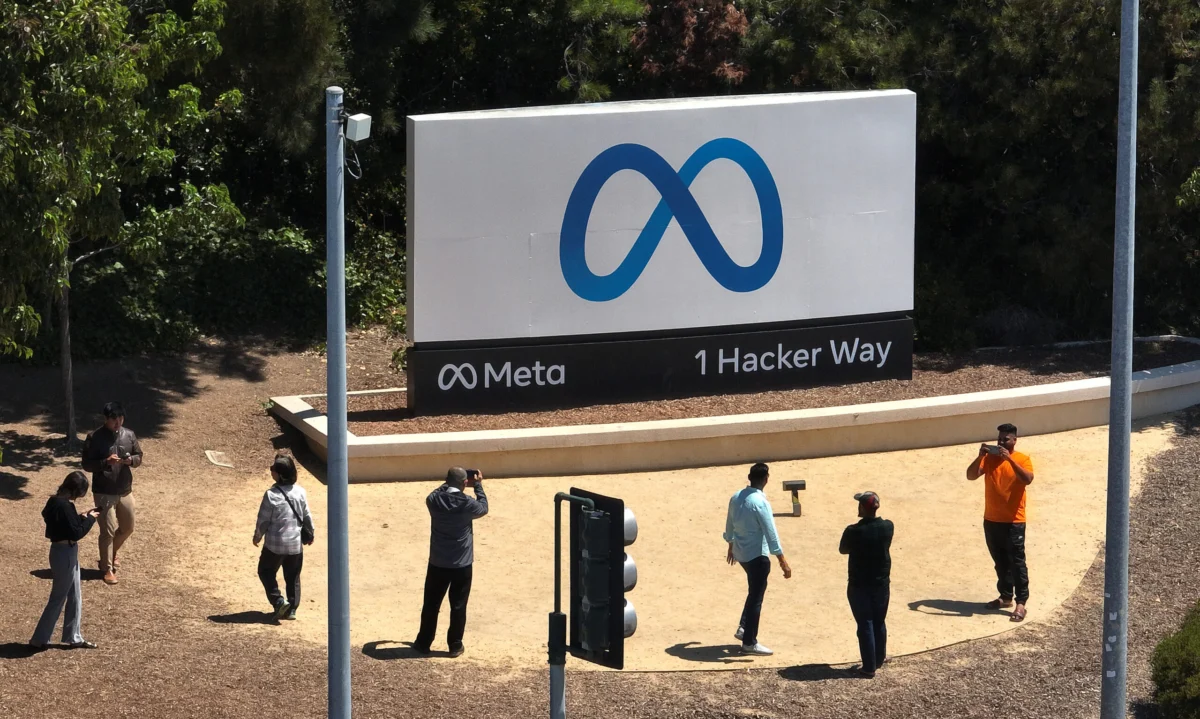
Meta Platforms Inc. has officially deactivated a significant component of its newly launched Muse AI photo and video suite after the tool triggered a firestorm of criticism from prominent entertainment industry entities. The feature in question allowed users to generate artificial intelligence-driven content by "mentioning" or tagging public Instagram profiles, effectively allowing the AI to reference and "remix" the visual content and likeness of those users. The move to pull the functionality comes as tech giants face increasing scrutiny over the ethical boundaries of generative AI and the protection of intellectual property and persona rights.
The controversy centered on Meta’s decision to make the feature an "opt-out" rather than an "opt-in" service. By default, any public Instagram profile was eligible to be used as a reference point for AI-generated imagery unless the account holder manually navigated through settings to disable the capability. This approach drew immediate and sharp rebukes from the Creative Artists Agency (CAA) and the Screen Actors Guild-American Federation of Television and Radio Artists (SAG-AFTRA), both of whom argued that the feature constituted a fundamental violation of an individual’s right to control their name, image, and likeness (NIL).
A Chronology of the Dispute
The rollout and subsequent retraction of the Muse feature occurred within a compressed timeline that highlights the rapid friction between Silicon Valley’s development cycles and Hollywood’s legal protections.
In the early part of the week, Meta announced the integration of Muse into its broader Meta AI ecosystem. The company pitched the tool as a way to enhance creativity on Instagram, allowing users to create "reimagined" versions of photos or videos by simply tagging an account. Meta’s initial messaging suggested that this would foster a new era of collaborative digital art.
By Wednesday, the industry response began to solidify. CAA, one of the world’s most powerful talent agencies, issued a public statement condemning the tool. The agency emphasized that no creative work or personal likeness should be utilized by third-party AI models without "clear, documented consent." The agency’s stance reflected a growing anxiety among high-profile actors, musicians, and creators whose digital footprints are vast and easily harvested by generative models.
Following CAA’s lead, SAG-AFTRA—the union representing approximately 160,000 media professionals—released its own scathing critique. The union characterized the "opt-out" mechanism as an "utter miscalculation" of public sentiment and a disregard for the inherent harms of unauthorized AI use. SAG-AFTRA’s involvement was particularly significant, as the union had recently concluded a historic 118-day strike in 2023, where AI protections and NIL rights were central pillars of the negotiations with the Alliance of Motion Picture and Television Producers (AMPTP).
By Friday evening, Meta issued a formal statement acknowledging the feedback and confirming the removal of the feature. "Our intent was to provide a useful creative tool and to give people control over whether their public content could be referenced in this way," the company stated. "We’ve heard feedback that this feature missed the mark, so it’s no longer available."
The Technical Mechanics of Meta Muse
Meta Muse was designed as part of the company’s aggressive pivot toward generative AI, powered by its Llama (Large Language Model Meta AI) architecture. The "remix" feature specifically utilized diffusion models, which are trained to generate new images by analyzing patterns in existing data. By allowing users to tag public accounts, Meta was essentially providing a shortcut for the AI to prioritize specific datasets—the public photos of celebrities, influencers, and everyday users—to influence the output.
The technical implementation relied on Instagram’s existing infrastructure for "mentions." When a user typed a handle (e.g., @username) into the AI prompt, the system would scan the public media associated with that handle to inform the style, composition, or subject matter of the generated image. While Meta maintained that the tool was intended for "creative referencing," legal experts and labor advocates viewed it as a mechanism for the mass production of "deepfakes" or unauthorized derivative works.
Data and Market Context
Meta’s push into AI comes at a time of massive capital expenditure for the company. In its recent quarterly earnings reports, Meta disclosed that it expects its full-year 2024 capital expenditures to be in the range of $37 billion to $40 billion, driven largely by investments in AI servers and data centers. With over 2 billion daily active users on Instagram alone, Meta possesses one of the world’s largest proprietary datasets for training visual AI.
The tension between user growth and data privacy is reflected in recent consumer sentiment data. According to a 2024 survey by the Pew Research Center, roughly 52% of Americans report feeling more concerned than excited about the increasing use of AI in daily life. Furthermore, within the creative community, a study by the Artists’ Rights Society found that over 80% of visual artists are "highly concerned" about their work being used to train generative models without compensation or credit.
Meta’s retreat from the Muse tagging feature highlights the volatility of the market. While AI is viewed as a primary driver of future stock valuation, the legal risks associated with copyright and NIL rights represent a significant "tail risk" for tech firms.
Official Responses and Industry Reactions
The backlash from Hollywood was not merely about aesthetics; it was rooted in the legal concept of the "Right of Publicity."
CAA’s statement was particularly influential because it represented the interests of thousands of high-earning individuals whose brands are built on their visual identity. "No one’s name, image, likeness, voice, or creative work should be used by any third party, including AI models, without clear, documented consent," the agency noted. This stance aligns with the "Human Artistry Campaign," a coalition of over 170 organizations globally that advocates for AI policies that respect human creativity.
SAG-AFTRA’s reaction underscored the labor implications. The union’s leadership argued that the "opt-out" model placed an undue burden on the creator to defend their own identity. "Anything other than a clear and conspicuous OPT-IN for these types of uses of Instagram users’ images is unacceptable," the union stated. The emphasis on "opt-in" is a recurring theme in global AI regulation discussions, such as the European Union’s AI Act, which seeks to categorize and regulate AI systems based on their risk to fundamental rights.
Comparative Analysis: The OpenAI Sora Precedent
Meta’s quick reversal bears a striking resemblance to the challenges faced by OpenAI during the early testing phases of its video-generation model, Sora. When OpenAI first teased Sora’s capabilities in 2023, the platform faced immediate criticism for its potential to infringe on intellectual property.
Early demonstrations of Sora reportedly produced content that closely mimicked copyrighted characters and recognizable public figures. Following a backlash from major studios and talent, OpenAI delayed the public release of Sora, implemented stricter content filters, and eventually shifted its focus more toward enterprise-level applications where IP ownership could be more strictly managed.
Both the Meta and OpenAI incidents illustrate a common pattern: tech companies often "test the waters" with expansive, data-hungry features, only to scale back when they collide with the established legal and economic frameworks of the entertainment and media industries.
Broader Implications and the Legal Landscape
The removal of the Muse feature occurs against the backdrop of shifting legislation. In the United States, several bills are currently circulating in Congress that aim to codify AI protections. The "NO FAKES Act" (Nurture Originals, Foster Art, and Keep Entertainment Safe Act) is a bipartisan proposal that would establish a federal property right in an individual’s voice and likeness, protecting them from unauthorized AI-generated replicas.
In California, Governor Gavin Newsom recently signed a series of bills aimed at protecting performers from the unauthorized use of their digital clones. These laws require explicit contracts for the use of AI to replicate a performer’s voice or likeness. Meta, headquartered in Menlo Park, California, is subject to this evolving state-level regulatory environment, which likely influenced its decision to pull the Muse feature before it could lead to litigation.
For the broader creator economy, the Muse controversy serves as a warning. While AI tools offer the promise of democratization—allowing anyone to create high-quality content—they also threaten the "scarcity value" of professional creative work. If an AI can perfectly mimic the style of a famous photographer or the face of a famous actor with a simple @mention, the economic value of the original creator is significantly diminished.
Conclusion
Meta’s decision to drop the Muse "tag-to-remix" functionality represents a rare victory for labor and talent organizations in the face of rapid technological expansion. It signals that even for a company with the scale and resources of Meta, the "move fast and break things" philosophy has limits when it intersects with the personal identity and livelihoods of its users.
Moving forward, the industry expects a shift toward "ethical AI" models that prioritize transparency and explicit consent. Whether Meta will re-introduce a modified version of the Muse tool—perhaps one that requires a verified "opt-in" from both the creator and the tagger—remains to be seen. For now, the episode serves as a landmark case in the ongoing negotiation between the architects of the digital future and the human creators who provide the content that fuels it.