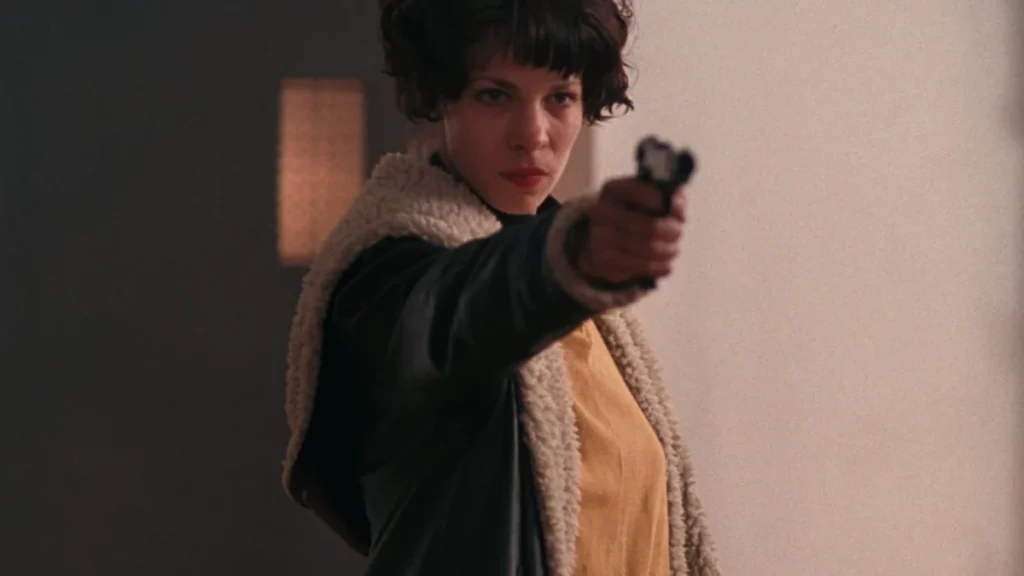
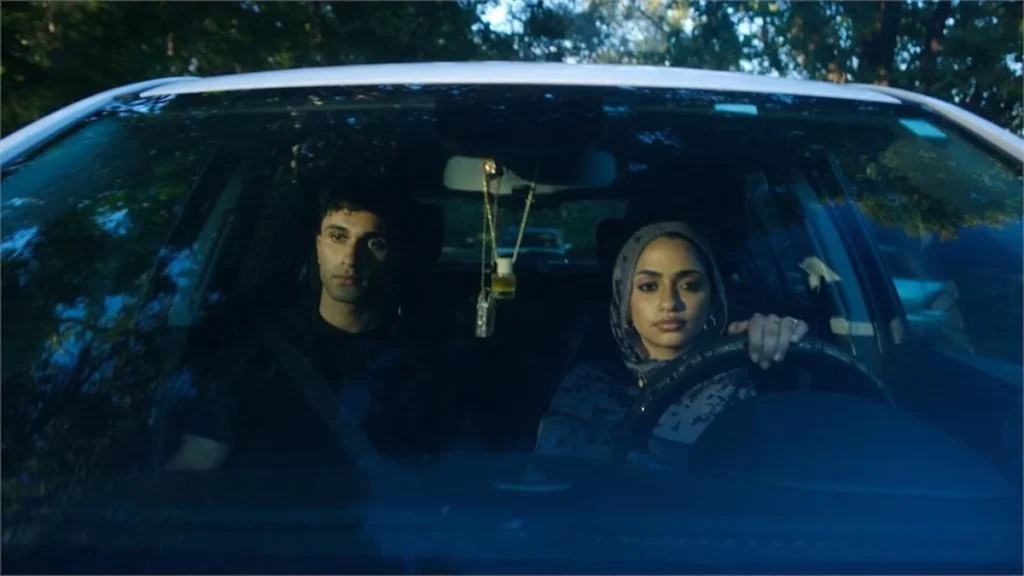
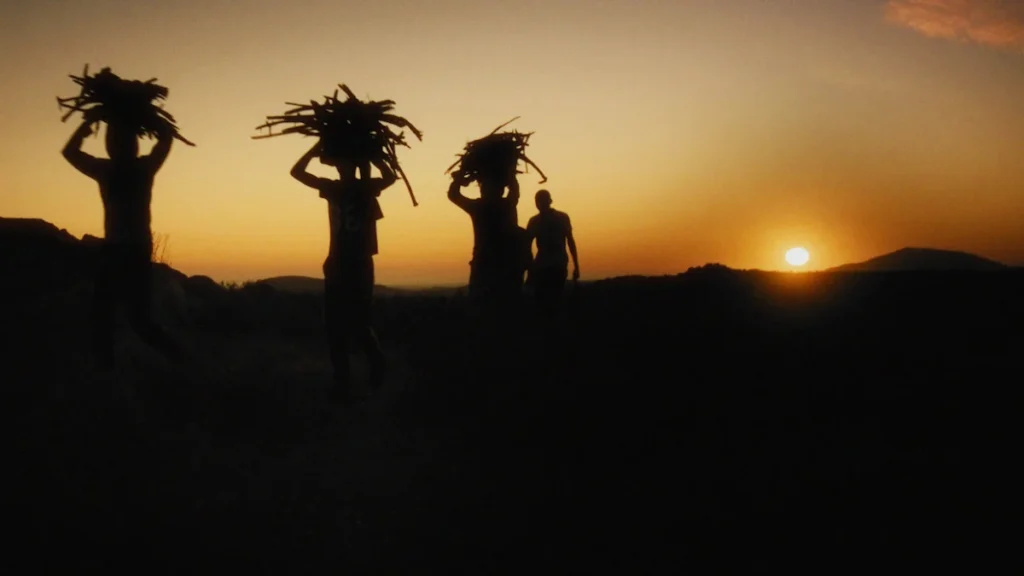
The Sundance Film Festival, renowned for showcasing groundbreaking independent cinema, witnessed a distinct departure from its typically "safe picks" with the premiere of Georgia Bernstein’s Night Nurse (2026). Debuting in the festival’s NEXT competition, a category dedicated to films pushing the boundaries of storytelling, form, and technology, Night Nurse immediately distinguished itself with a provocative narrative and a unique aesthetic, signaling the arrival of a bold new voice in independent filmmaking. The film, which is set for a July 10 wide release via IFC, delves into the complex psychosexual dynamics between a young nurse and an elderly patient, exploring themes of manipulation, desire, and the human need for connection in deeply unsettling ways.
A Provocative Narrative Unfolds
From its opening moments, Night Nurse establishes a disquieting atmosphere. The title sequence, featuring a camera gliding suggestively along a body and following the winding path of a telephone cord, hints at the film’s intricate psychological landscape and its focus on intimate, often uncomfortable connections. The narrative centers on Eleni (Cemre Paksoy), a new nurse beginning her overnight shifts in a memory-care unit. Her assignment brings her into contact with Douglas (Bruce McKenzie), a patient undergoing evaluation for early onset Alzheimer’s. What begins as a professional relationship quickly devolves into a twisted intimacy as Eleni falls under Douglas’s spell, becoming his accomplice in a calculated phone scam targeting other vulnerable elderly individuals.
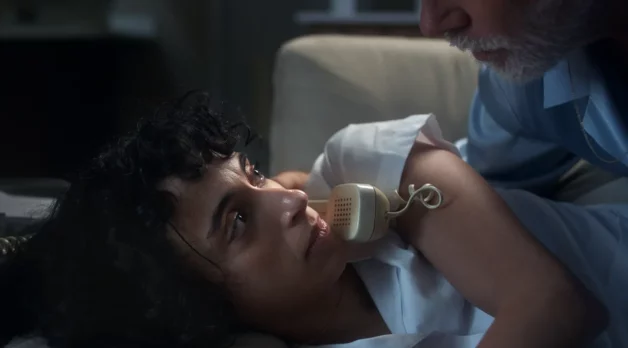
The scam involves Eleni posing as a distressed granddaughter in urgent need of quick cash, preying on the victims’ compassion and familial bonds. The film vividly portrays the dual motivations behind their illicit partnership: financial gain and a profound, shared sexual thrill derived from their confidence game. A pivotal scene, described as an "aching long take," captures their first successful scam call. During this sequence, Eleni’s reactions are deliberately obscured from the audience, heightening the sense of unease and inviting viewers to project their own interpretations onto her motivations. Douglas physically intertwines himself and the telephone cord around Eleni, sealing the scam with a predatory intimacy. The aftermath reveals Eleni’s complex reaction, her initial "faunishness" leading to an attempted kiss that Douglas recoils from with a stark, memorable line: "If you’re looking for a pogo stick, I’m really not your guy." This moment underscores the transactional and often emotionally detached nature of their bond, even as it pulses with a dark, shared excitement.
Genre Blending and Artistic Lineage
Night Nurse seamlessly blends elements from various cinematic traditions, drawing comparisons to the cerebral psychosexuality found in the works of Atom Egoyan and the disturbing power dynamics characteristic of Catherine Breillat. Director Georgia Bernstein masterfully transplants these influences into the "languid, out-of-time world" of a retirement community, creating a setting that feels simultaneously mundane and deeply unsettling. Her command over the material is immediately evident, guiding the audience through the film’s intricate machinations with a confident hand, much like the nurses who lead their patients in endless circles around the pool.
Bernstein’s artistic lineage is rich and diverse. While the film is not a remake of the 1931 Barbara Stanwyck classic, its title was inspired by Roger Corman’s nurseploitation trilogy, particularly The Student Nurses (1970). This nod to exploitation cinema, however, is merely a starting point for a far more nuanced exploration of power and desire. Critics have drawn parallels to J.G. Ballard, particularly his novel Cocaine Nights (1996), which explores a cult of personality within an elderly community. Bernstein acknowledges a shared "psychological space" with Ballard, even though she hadn’t read the specific novel.
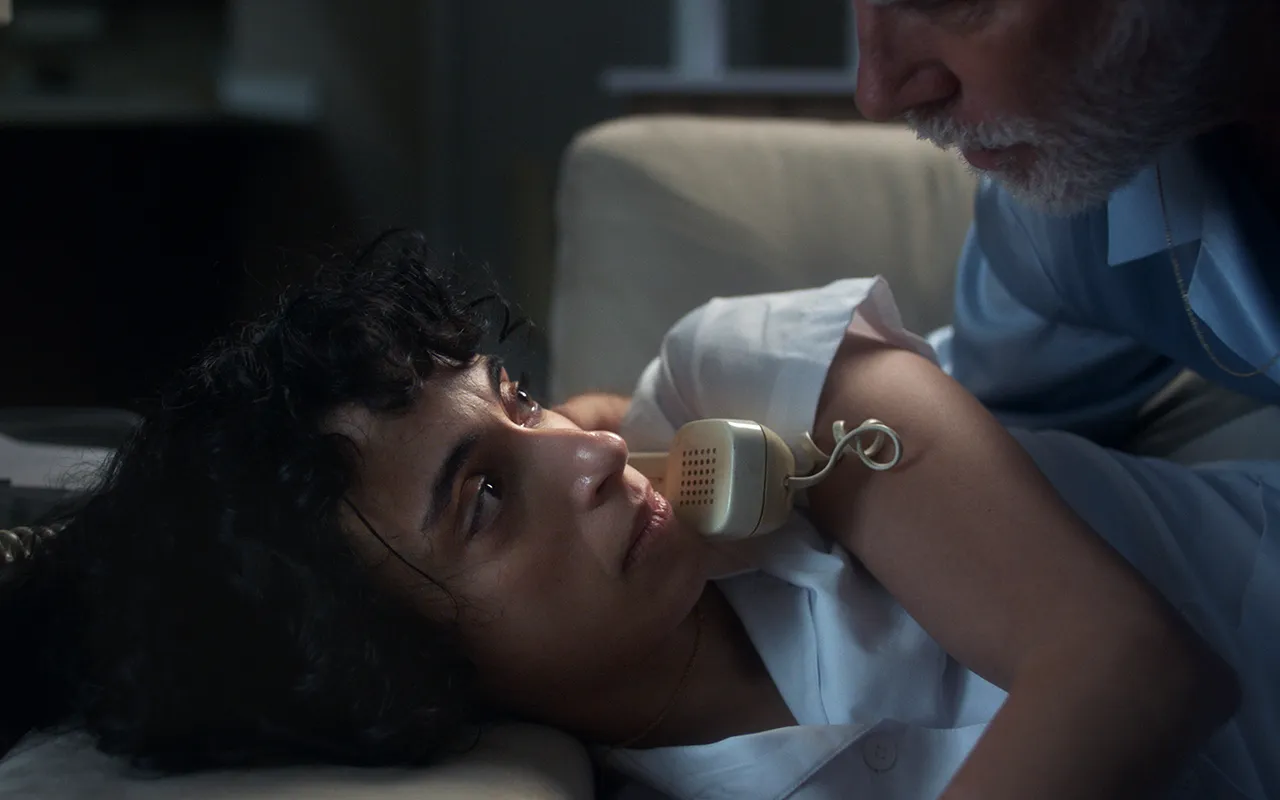
The director herself cites David Cronenberg’s Crash (1996) as a major influence, particularly its pacing, lighting, and Cronenberg’s unique way of photographing bleak urban landscapes. Bernstein aimed to capture a similar aesthetic in the suburbs of Chicago, which she finds "quite bleak." Atom Egoyan’s Exotica (1994), The Adjuster (1991), and Calendar (1993) also served as key references, influencing the film’s use of contained spaces and its depiction of "watery suburban malaise." The influence of Lucrecia Martel, specifically her distinctive "gaze," is also acknowledged, contributing to a unique female perspective woven throughout the film’s visual language, a testament to the collaboration between Bernstein and her cinematographer, Lidia Nikonova.
The Central Instinct: The Need to Be Needed
At the thematic core of Night Nurse lies a profound human instinct: the desire to be needed. As Mona (Eléonore Hendricks), another character in the film, articulates to Eleni, "It’s amazing to be needed, isn’t it? It feels good to mean something to somebody." Bernstein meticulously explores the perilous extent to which this guiding principle can be taken, pushing it to its most problematic and morally ambiguous conclusions. This instinct drives both Douglas’s manipulation of Eleni and Eleni’s complicity, creating a symbiotic relationship of mutual dependence and exploitation. Even when Eleni grapples with misgivings about their scam, Mona offers a chilling reassurance regarding their victim: "He was numb to life before today. You gave him purpose. You helped him." This rationalization highlights the film’s unsettling exploration of how destructive actions can be reframed as acts of care or significance, blurring ethical lines and challenging conventional morality.
Production and Collaborative Vision
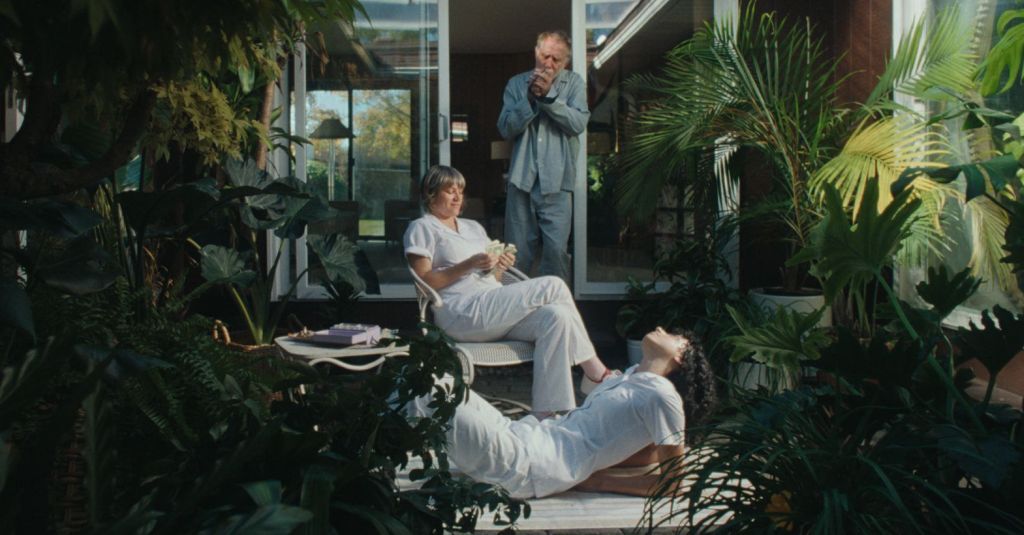
Night Nurse represents Georgia Bernstein’s directorial debut feature, a testament to her tenacity and a unique, community-driven production model. The film was shot almost entirely in Bernstein’s own grandmother’s house in Chicago, a practical decision that deeply influenced the script and the film’s aesthetic. The house itself, with its ’70s wallpaper and landlines, contributes to an "out-of-step with time" feeling, disorienting the audience and reinforcing the film’s detached, timeless quality. Even the use of old $100 bills in the scam further emphasizes this deliberate temporal ambiguity.
The film’s development took an unconventional path. Following her work as a producer on Alex Phillips’s Anything That Moves (2025), Bernstein’s script for Night Nurse became the subject of a practical filmmaking class at Northwestern University, taught by Bernstein and producers Eddie Linker and Veronica Barbosa. This "how to make a first feature" class covered everything from opening an LLC to budgeting and applying for tax credits, effectively functioning as a pre-production workshop. This collaborative approach, rooted in Bernstein’s established relationships within the Chicago independent film community, allowed her to leverage local talent and resources, demonstrating an innovative pathway for emerging filmmakers.
Bernstein’s directorial confidence, a recurring observation from early viewers, is attributed largely to her skilled team, particularly cinematographer Lidia Nikonova. Bernstein discovered Nikonova’s work on Family Portrait (2024) and, despite an initial non-response, eventually formed a close creative partnership. Nikonova’s immediate connection to the script – "I was born to shoot lusting nurses" – cemented their shared vision. Their collaboration involved extensive scouting, photo sessions in the grandmother’s house, and a deep dive into the neighborhood to extract the authentic emotional texture of the location, much like the process for Family Portrait, a film Bernstein now considers a "sister movie" due to their shared "lethargic, humid atmosphere" and mutable psychological spaces.
Crafting the Visual and Aural Landscape
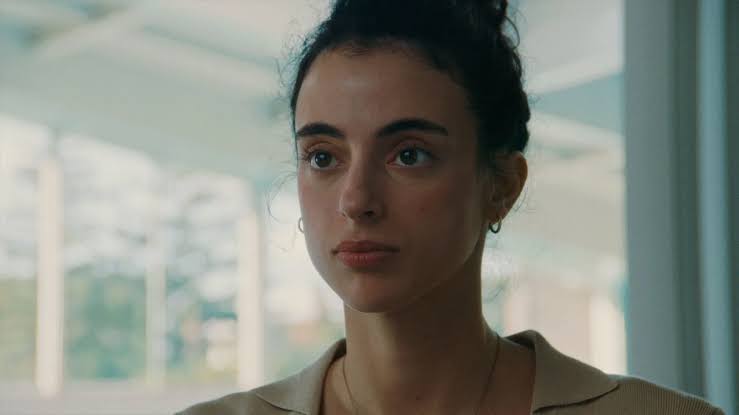
The meticulous crafting of Night Nurse extends to its cinematography and score. The film’s visual language is characterized by precisely choreographed, often long takes, a result of extensive rehearsals with lead actors Cemre Paksoy and Bruce McKenzie in the actual shooting location. Intimate scenes were deliberately scheduled for the first week of production, a decision that initially seemed daunting but ultimately ensured the team was "super prepared" and set the film’s intense tone early on.
A defining characteristic of the film’s visual style is the almost exclusive use of a dolly. Bernstein consciously rejected the perceived ease of a Steadicam, desiring the "weight of the dolly" and its distinctive "ga-dunk" movement. This choice, influenced by Cronenberg and Egoyan, imbued the film with a slow-motion pacing that, in turn, influenced the actors’ performances, such as Eleni’s deliberate, crawling movements across the carpeted spaces of the house. The dolly’s use was also a strategic decision to avoid a "low-budget film" aesthetic, aiming instead for a "big," Fassbinder-esque feel that elevates the visual experience.
The film’s evocative score was composed by Steven B. Jackson and Samm Clapp, frequent collaborators from Bernstein’s producing projects. Their unique approach involves two sets of brothers, performing the music live to picture with additional musicians contributing flute, violin, and piano – the latter two being prominent instruments in the score. Drawing inspiration from Francis Ford Coppola’s The Conversation (1974), Bernstein sought a recognizable, recurring theme that would contribute to the film’s cyclical, inescapable feeling. The composers developed melodies in advance, some played to picture and others improvised, creating an aural landscape that reinforces the narrative’s sense of being trapped in a slowly spinning vortex of moral ambiguity.
Casting for Authenticity and Unforeseen Depths
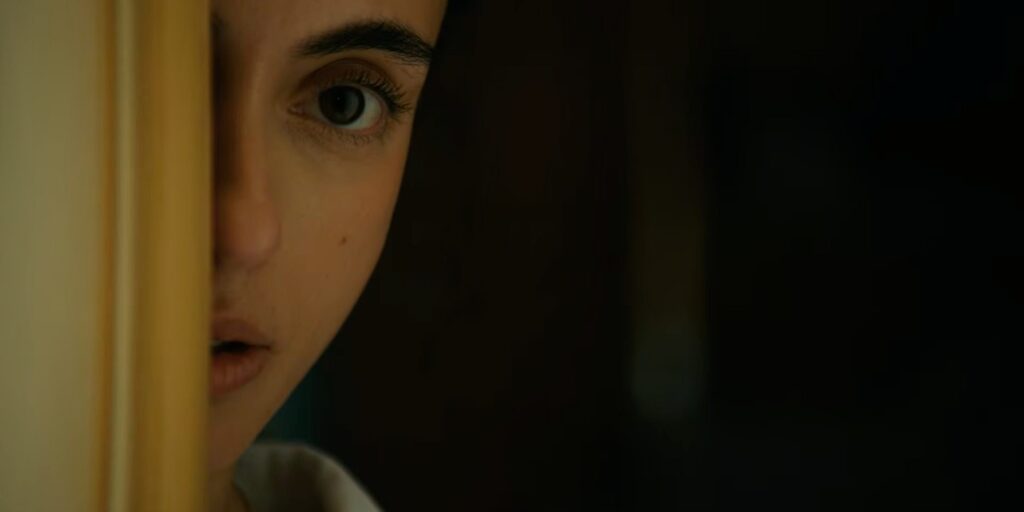
Bernstein’s casting process for Night Nurse was a blend of intention and serendipity. Many roles were written with specific individuals in mind, leveraging existing relationships and admired talents. Eléonore Hendricks, known for her "whimsical, magical quality," was a desired collaborator, while Colleen Rose Trundy, a friend and performance artist, was also brought into the fold. The role of Douglas, however, underwent a full casting process. Initially conceived as a type of older man "that doesn’t exist anymore"—a "Cassavetes or Humphry Bogart"—Bernstein found the perfect, unexpected fit in Bruce McKenzie. His interpretation brought a "really specific and unexpected" depth to the character, transcending the initial archetype and enriching the film’s complex dynamics. This blend of pre-meditated casting and openness to new interpretations contributed significantly to the authentic and nuanced performances seen onscreen.
Broader Implications for Independent Cinema
Night Nurse arrives at a pivotal moment for independent cinema, demonstrating that bold, artist-driven narratives continue to thrive and find platforms like the Sundance Film Festival. In an industry often swayed by commercial considerations, films like Bernstein’s, which defy easy categorization and delve into challenging themes, are crucial for pushing creative boundaries. The film’s distribution by IFC for a wide release on July 10 further underscores its potential to reach a broader audience, bridging the gap between festival acclaim and commercial viability. This success story, built on a foundation of collaborative filmmaking, unconventional production methods, and a clear artistic vision, serves as an inspiring blueprint for aspiring directors.
The film’s exploration of power dynamics, psychosexuality, and the dark side of human connection resonates deeply in contemporary society, inviting audiences to confront uncomfortable truths about vulnerability and exploitation. By refusing to offer easy answers or clear moral judgments, Night Nurse fosters a space for reflection and discussion, cementing its place as a significant entry in the burgeoning landscape of independent psychological thrillers. Georgia Bernstein, with her confident direction and ability to synthesize diverse influences into a cohesive and disturbing vision, has firmly established herself as a filmmaker to watch, promising more thought-provoking and genre-defying works in the future.