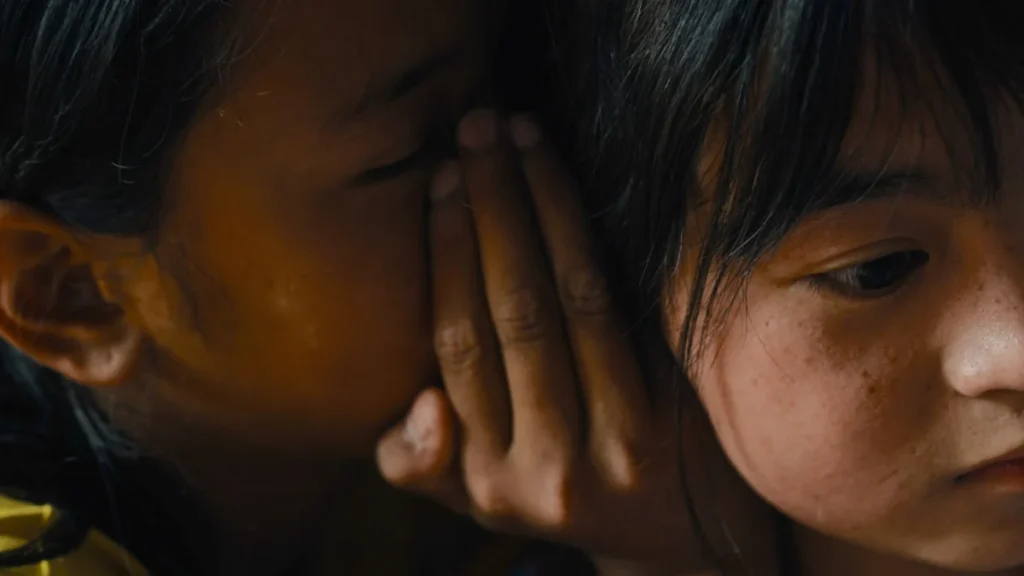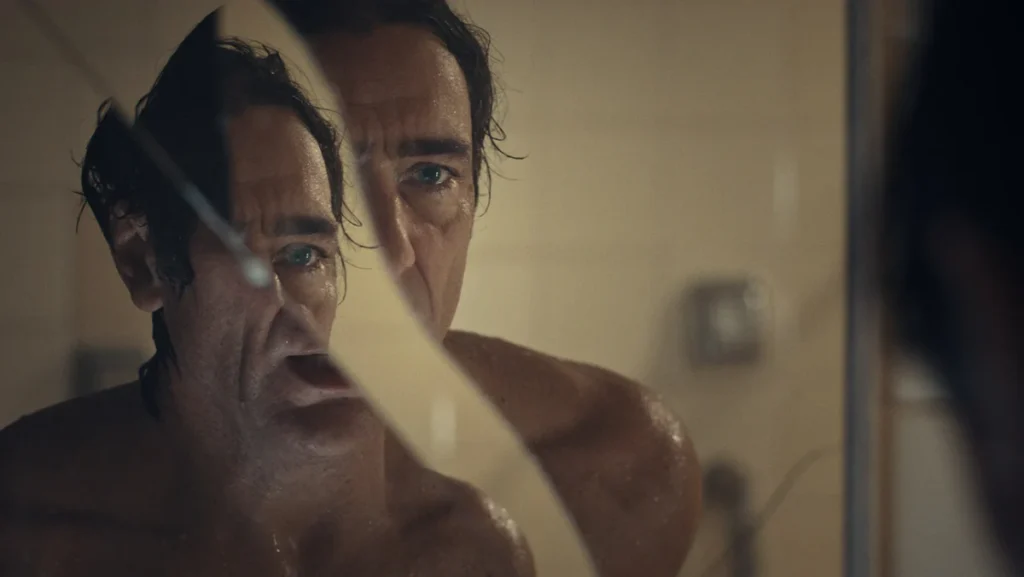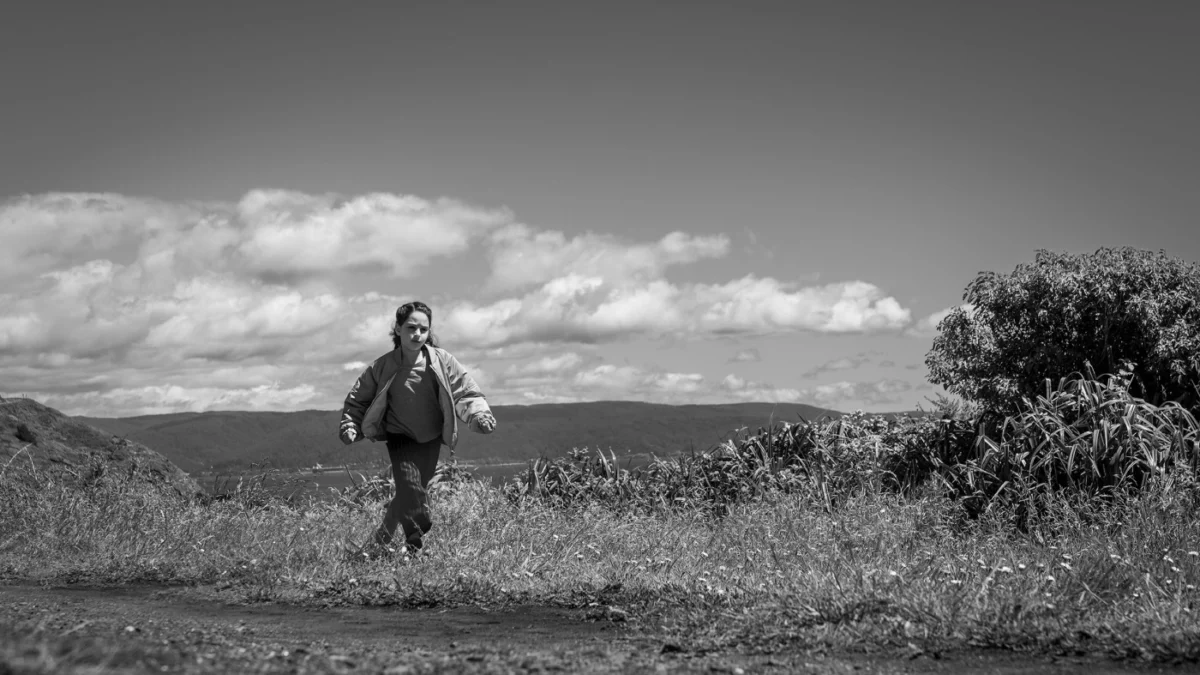
Valeria Sarmiento’s latest cinematic offering, Behind the Rain, made its highly anticipated world premiere in the prestigious Crystal Globe main competition at the 60th edition of the Karlovy Vary International Film Festival. The film plunges viewers into a haunting narrative set in Valdivia, Chile, where the return of a young psychology graduate, Sofía, coincides with a harrowing discovery that forces her and her community to confront long-buried traumas. Blending breathtaking black-and-white cinematography with the profoundly challenging subject matter of childhood sexual abuse, Behind the Rain is poised to ignite crucial societal conversations, reflecting director Sarmiento’s enduring commitment to exploring complex human experiences through the lens of art.
The Narrative Core: A Return to Unsettled Memories
The story centers on Sofía, portrayed by Paula Prado, who has just completed her psychology studies in the vibrant port city of Valparaíso. Her return to her childhood home in Valdivia, a southern Chilean city renowned for its lush, often rain-soaked landscapes, is meant to be a transition back to familiarity. However, this homecoming is abruptly shattered by the discovery of a young girl’s body. This tragic event acts as a potent catalyst, tearing through the placid surface of Sofía’s life and awakening a cascade of painful childhood memories she had long suppressed.
Valdivia, with its incessant rain, becomes more than just a setting; it transforms into a metaphorical character within the film. The "rain and its veil" symbolize the pervasive sense of secrecy and the emotional obfuscation that has allowed dark truths to remain hidden within the community. Sofía finds herself at a critical juncture, facing a profound moral and psychological dilemma: whether to remain a passive observer, letting the past lie undisturbed beneath the metaphorical rain, or to actively peel back the layers of societal silence and personal discomfort. Her quest for truth is not merely a personal journey but a potential reckoning for the entire community, which has, wittingly or unwittingly, contributed to the silence surrounding such egregious acts. The film thus positions itself as a poignant exploration of memory, trauma, and the courage required to confront uncomfortable realities, both individual and collective.
A Visionary Director’s Enduring Legacy
Valeria Sarmiento, a Chilean director with a distinguished international career spanning decades, brings her unique artistic sensibilities to Behind the Rain. Known for her nuanced storytelling and often challenging subject matter, Sarmiento has consistently pushed cinematic boundaries. Her collaboration with the late Omar Saavedra Santis on the screenplay adds another layer of significance to the project. Santis, a respected Chilean writer and poet, worked closely with Sarmiento to develop her initial concept into the compelling script that underpins the film. Sarmiento revealed that after initial attempts to develop the film with European collaborators proved unfruitful, it was producer Chamila Rodríguez who encouraged her to return to her roots in Chile. This led to the pivotal partnership with Santis, marking one of his final and impactful contributions to Chilean cinema. The screenplay, therefore, is a testament to a rich collaborative spirit, melding Sarmiento’s directorial vision with Santis’s literary prowess to craft a narrative that is both deeply personal and universally resonant.
Sarmiento’s filmography often delves into the psychological complexities of her characters, frequently employing evocative visual styles to underscore their internal struggles. Behind the Rain continues this tradition, leveraging its aesthetic choices to amplify its thematic concerns. Her previous work, including Secrets (2008), where she first collaborated with Chamila Rodríguez, showcases her talent for unraveling societal taboos and exposing hidden truths, making her an ideal filmmaker to tackle the delicate and weighty subject of child abuse.
Crafting the Visual Language: Black and White and Symbolic Color
One of the most striking artistic decisions in Behind the Rain is its predominantly black-and-white cinematography, with the introduction of color reserved exclusively for the film’s climax. This deliberate aesthetic choice is not merely stylistic but deeply thematic, as explained by Sarmiento herself. Born in 1948, her formative years were shaped by the black-and-white cinema of the era, creating a profound connection to this visual language. For Sarmiento, the monochrome palette represents a return to a fundamental form of cinematic expression, one that strips away distractions to focus on raw emotion and narrative essence.

The symbolism extends further, drawing inspiration from a poignant piece of advice from her mother: "You have to look behind the rain in order to see all the colors and aspects." This familial wisdom directly informed the film’s title and its visual progression. The pervasive black and white throughout the film’s majority symbolizes the oppressive weight of the past, the obscured nature of memory, and the societal silence that veils the truth. The "rain" itself becomes a metaphor for this veil, a constant presence that blurs clarity and perpetuates the somber, unresolved atmosphere. When color finally bleeds into the frame at the film’s conclusion, it signifies not just a narrative resolution but a thematic breakthrough – the painful but necessary emergence of truth, the shedding of the veil, and the potential for healing, however fragile.
The meticulous execution of this vision is credited to Director of Photography Acácio de Almeida, whose masterful use of light and shadow imbues the Valdivian landscapes with a melancholic beauty that perfectly complements the film’s heavy themes. The editing by Galut Alarcón further enhances this visual narrative, guiding the audience through Sofía’s psychological journey with precision and emotional impact. This intentional use of color and absence of color elevates the film beyond a mere story, transforming it into a sensory experience that mirrors the protagonist’s internal struggle and the arduous path toward revelation.
The Ensemble: Bringing Complex Characters to Life
The powerful narrative of Behind the Rain is brought to life by a talented ensemble cast led by Paula Prado in the pivotal role of Sofía. Sarmiento’s casting process for the lead was not without its challenges, given the logistical demands of filming in Valdivia, far from Santiago’s theatrical hubs. However, upon encountering Prado, Sarmiento immediately recognized her innate ability to embody the character’s complex emotional landscape and convey the film’s profound ideas. Prado’s portrayal of Sofía is central to the film’s success, requiring a delicate balance of vulnerability, determination, and internal conflict as she navigates her personal demons and the community’s hidden past.
The cast further includes Cristián Arriagada, Aline Kuppenheim, Shlomit Baytelman, Chamila Rodríguez, Daniel Muñoz, Julio Milostich, Aimar Alarcón Rodríguez, and Clara Vargas Arellano. Each actor contributes to the rich tapestry of characters that populate Valdivia, reflecting the diverse perspectives and complicities within the community. Chamila Rodríguez, in addition to her role as producer, also takes on a significant acting part, portraying a "difficult lawyer." This character’s disposition likely mirrors the challenging nature of legal and societal systems when confronting issues as sensitive and deeply entrenched as child abuse, adding another layer of realism to the narrative. The strength of the ensemble ensures that the film’s emotional weight is distributed effectively, making the community’s collective struggle palpable to the audience.
A Producer’s Personal Connection and Artistic Mission
Chamila Rodríguez’s involvement in Behind the Rain extends far beyond her dual roles as actress and producer; it is deeply rooted in personal experience and a profound artistic mission. Her long-standing collaboration with Valeria Sarmiento, spanning two decades since their work on Secrets in 2008, underscores a relationship built on mutual trust and artistic synergy. Rodríguez expressed immense faith in Sarmiento’s directorial vision, a trust that was crucial given the film’s sensitive subject matter.
The story resonated with Rodríguez on a deeply personal level, as she herself experienced child abuse that remained hidden for decades, only finding the courage to speak about it at the age of 40. This personal history made her connection to the script immediate and profound, driving her conviction to bring the story to the screen. For Rodríguez, cinema, and art in general, serves as a powerful medium for catharsis and transformation. She views it as a means to "exorcize demons" and to convert "horrible things into something that’s more positive." This perspective imbues her role in the film with an extraordinary sense of purpose, highlighting the potential of art not just to reflect reality but to actively facilitate healing and social change.
The production itself, set in the picturesque yet somber Valdivia, was characterized by a remarkably harmonious atmosphere, a testament to Sarmiento’s calm and clear directorial approach. Rodríguez lauded Sarmiento’s ability to create a safe and trusting environment on set, where actors felt secure in exploring such challenging themes. The logistical advantages of Valdivia, a smaller city where locations were easily accessible, also contributed to a smooth and efficient filming process, allowing the team to focus on the emotional depth of the narrative without undue technical distractions.
The Karlovy Vary International Film Festival Stage

The selection of Behind the Rain for the Crystal Globe main competition at the 60th Karlovy Vary International Film Festival (KVIFF) marks a significant moment for Chilean cinema and for Sarmiento’s illustrious career. KVIFF, one of the oldest and most prestigious film festivals in Central and Eastern Europe, has a storied history of championing distinctive artistic voices and challenging narratives from around the globe. Its Crystal Globe award is among the most coveted honors in international independent cinema, signifying exceptional artistic merit and bold filmmaking.
The festival’s decision to include Behind the Rain in its top competition underscores the film’s perceived quality and its critical relevance. It provides an unparalleled platform for the film to reach an international audience, including critics, distributors, and fellow filmmakers, fostering global dialogue around its potent themes. Being featured at such a revered event not only elevates the film’s profile but also solidifies Sarmiento’s reputation as a director whose work demands global attention and intellectual engagement. The festival’s legacy as a cultural bridge for cinema from diverse regions ensures that Behind the Rain will be seen within a context that appreciates its unique blend of artistic expression and social commentary.
Beyond the Screen: Catalyzing Societal Dialogue
At its core, Behind the Rain is more than a film; it is a profound call to action, a plea for society to break the pervasive silence surrounding child abuse. Both Valeria Sarmiento and Chamila Rodríguez share a fervent hope that the film will catalyze essential conversations, encouraging individuals and communities to confront this deeply uncomfortable truth. Sarmiento’s initial inspiration for the film stemmed from the sobering reality that child abuse is "sadly really common" in society, and "oftentimes, we are silent about it." This observation highlights a global issue, not confined to any single region, making the film’s message universally urgent.
Rodríguez eloquently articulated the critical barrier to addressing abuse: children often "don’t have the words to be able to tell others about what’s been happening." This lack of vocabulary, coupled with fear, shame, and the power dynamics inherent in abusive situations, traps victims in a cycle of silence. By giving voice to these unspoken narratives, Behind the Rain aims to empower those who have suffered and to educate those who may be unaware or complicit in the silence.
The broader implications of such a film are immense. In many societies, discussions about child abuse remain stigmatized, often pushed into the shadows. Cinema, as a powerful medium for empathy and education, can play a crucial role in dismantling these taboos. By presenting a nuanced and emotionally resonant portrayal of the issue, Behind the Rain can foster greater understanding, encourage victims to seek help, and prompt communities to establish more robust support systems and preventative measures. It challenges viewers to look beyond their own comfort zones, to acknowledge the dark realities that exist, and to actively participate in creating a safer environment for children. The film’s premiere at Karlovy Vary thus serves as an international launchpad for this critical societal dialogue, underscoring the enduring power of art to provoke thought, evoke empathy, and inspire meaningful change.
The Chilean Cinematic Landscape
Behind the Rain further enriches the already vibrant and socially conscious landscape of contemporary Chilean cinema. Chilean filmmakers have gained international acclaim in recent decades for their willingness to tackle challenging historical and social themes, often with a distinctive artistic flair. Films exploring the legacy of the Pinochet dictatorship, social inequality, and human rights have frequently found success on the global festival circuit. Behind the Rain aligns with this tradition, utilizing a deeply personal story to address a pervasive societal ill, cementing its place within a cinematic tradition that prioritizes both artistic excellence and profound social relevance.
In conclusion, Valeria Sarmiento’s Behind the Rain emerges as a powerful and essential work, brilliantly marrying a captivating visual style with an unflinching examination of a critical social issue. Its world premiere at the Karlovy Vary International Film Festival not only celebrates Sarmiento’s masterful direction and the collaborative spirit of its creators but also ignites a vital conversation. As Sofía bravely confronts the ghosts of Valdivia’s past, the film challenges audiences worldwide to look "behind the rain" of their own societal silences, hoping to transform hidden pain into a catalyst for healing and open dialogue.