The entertainment world is mourning the loss of Peter Van Norden, a distinguished actor whose career spanned over four decades across film, television, and an extensive stage presence. Van Norden, widely recognized for his roles in popular comedic films such as the Police Academy and Naked Gun franchises, passed away on Thursday at the age of 75. His son, Robert Van Norden, confirmed the news via an Instagram post, noting that his father died peacefully with his wife, Wendy, by his side. Robert’s poignant tribute underscored his father’s multifaceted character, stating, "He was a terrific father, husband, friend, and a greatly respected member of the theater community. He will be missed." This sentiment underscores the profound impact Van Norden had not only on his family but also on the professional circles in which he moved, particularly within the dedicated world of live performance.
Born on December 16, 1950, Peter Van Norden embarked on his acting journey in the late 1970s, earning his inaugural screen credit in the 1979 comedy Squeeze Play. This early foray into film marked the beginning of a prolific career characterized by remarkable versatility and a steadfast commitment to his craft. While he garnered widespread recognition for his contributions to mainstream cinema, his career was equally defined by a deep engagement with the theatrical arts, a realm where his talents were consistently celebrated. His ability to seamlessly transition between the broad appeal of Hollywood blockbusters and the nuanced demands of classical theatre speaks volumes about his artistic range and dedication. This duality in his career trajectory highlights a rare breed of actor capable of excelling in both commercial and artistic endeavors, making him a truly respected figure across the industry’s varied landscapes.
A Career Defined by Diverse Roles in Film
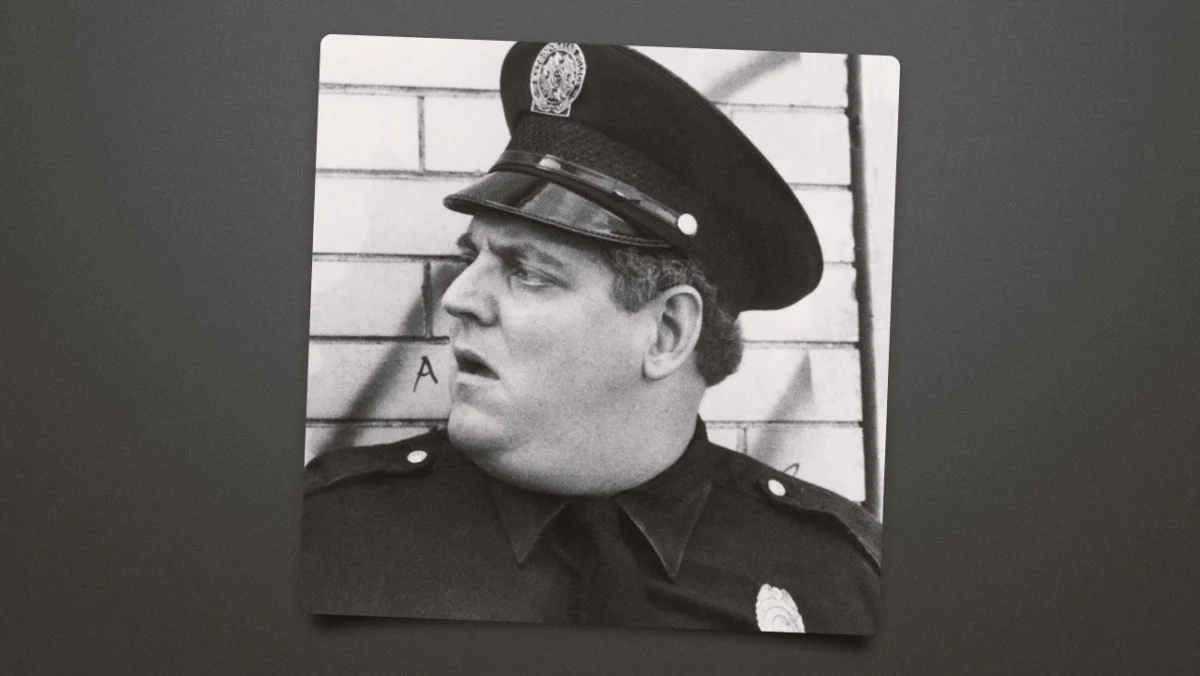
Van Norden’s filmography is punctuated by memorable appearances in some of the most iconic comedic franchises of the 1980s and early 1990s. One of his most notable roles came in the 1985 sequel, Police Academy 2: Their First Assignment. In this follow-up to the highly successful 1984 original, Van Norden portrayed Officer Vinnie Schtulman, the inaugural partner to Steve Guttenberg’s charismatic protagonist, Carey Mahoney. The Police Academy series, known for its ensemble cast of quirky recruits and their slapstick antics, became a cultural phenomenon, spawning multiple sequels and a television series. Its unique brand of physical comedy and character-driven humor captivated audiences, making it a box office success that grossed over $149 million worldwide for its first installment alone. Van Norden’s portrayal of Schtulman, a character who embodies the initial struggles and camaraderie of police training, contributed significantly to the film’s comedic dynamic and cemented his place in the annals of 80s comedy. The franchise, which humorously depicted the misadventures of a group of police recruits, resonated with audiences globally, making its cast members household names and establishing a distinct brand of physical comedy that defined a generation.
Another significant role that showcased Van Norden’s comedic timing arrived in 1991 with Naked Gun 2½: The Smell of Fear, the second installment in the beloved Naked Gun trilogy. In this parody film, a spiritual successor to the Police Squad! television series, Van Norden took on the role of John Sununu, a character based on President George H. W. Bush’s former White House Chief of Staff. The Naked Gun films, spearheaded by the inimitable Leslie Nielsen and the creative minds behind Zucker, Abrahams and Zucker, were celebrated for their rapid-fire gags, deadpan humor, and intricate sight jokes. The first Naked Gun film, released in 1988, earned over $78 million at the box office, proving the enduring appeal of the comedic style established by the creative team. Van Norden’s involvement in such a critically and commercially successful franchise further demonstrated his capability to deliver compelling performances within the often-challenging genre of parody, where precise comedic delivery is paramount. His ability to blend into these larger-than-life comedic worlds while still making his characters distinctive highlights his skill as a character actor, a crucial component of any successful ensemble comedy.
Beyond these well-known comedies, Van Norden’s film credits extended to a range of other genres, demonstrating his versatility and commitment to varied storytelling. He appeared in critically acclaimed dramas such as 1988’s The Accused, a powerful film starring Jodie Foster that tackled sensitive social issues and earned Foster an Academy Award for Best Actress, and 1989’s An Innocent Man, a thriller featuring Tom Selleck. These roles allowed Van Norden to explore more dramatic territory, showcasing his ability to pivot from lighthearted comedy to intense dramatic narratives. His other cinematic endeavors included Love Hurts, a romantic comedy-drama from 1991, Hunky Dory, and West Virginia, among others, each offering him opportunities to explore different facets of human experience and contribute to diverse narratives. These roles, though perhaps less prominent than his comedic turns, underscore a career built on a willingness to embrace varied artistic challenges and a consistent presence in the filmmaking landscape, establishing him as a reliable and adaptable performer in Hollywood.
A Familiar Face on the Small Screen
Van Norden’s extensive career also saw him become a recognizable figure on the small screen, with numerous appearances across various television genres. His television roles spanned from sitcoms to legal dramas, and from long-running soap operas to critically acclaimed miniseries, illustrating his adaptability to different narrative structures and production demands, a hallmark of a truly versatile character actor.
In 1985, he appeared in the sitcom Three’s A Crowd, a spin-off of the highly popular Three’s Company. This role provided another platform for his comedic talents within the structured format of a multi-camera sitcom, a staple of 1980s television programming. He also made a guest appearance in Silver Spoons, a family-friendly comedy popular in the 1980s, further cementing his presence in the era’s television landscape. These sitcom roles highlighted his ability to deliver punchlines and contribute to ensemble comedic timing, a crucial skill for television work.
The early 1990s saw Van Norden contributing to some of television’s most iconic dramas. In 1991, he featured in an episode of Matlock, the immensely popular legal drama starring Andy Griffith. Known for its intricate plots and courtroom theatrics, Matlock frequently featured guest stars in pivotal roles, allowing Van Norden to demonstrate a more serious and analytical side of his acting repertoire. From 1990 to 1992, Van Norden had a recurring role in L.A. Law, one of the most groundbreaking and influential legal dramas of its time. L.A. Law, celebrated for its realistic portrayal of a Los Angeles law firm and its exploration of complex social issues, earned numerous accolades, including multiple Emmy Awards for Outstanding Drama Series. His involvement in such a prestigious series showcased his ability to contribute to high-quality dramatic storytelling, adding depth and gravitas to his performances.
Further diversifying his television portfolio, Van Norden appeared in The Stand, the critically acclaimed 1994 miniseries adaptation of Stephen King’s epic post-apocalyptic novel. This ambitious project, featuring a sprawling ensemble cast and tackling themes of good versus evil on a grand scale, was a significant event in television history, drawing millions of viewers and critical praise. His presence in such a large-scale production underscored his ability to work within diverse narrative formats, from intimate character studies to expansive genre pieces.
From 1989 to 1996, Van Norden made multiple appearances in the beloved mystery series Murder, She Wrote, starring Angela Lansbury as the amateur detective Jessica Fletcher. The show’s enduring popularity, consistently ranking among the top-rated programs during its run, and its consistent format of weekly mysteries allowed Van Norden to contribute to a show that was a staple in American households for over a decade. In the early 2000s, he delved into the world of daytime drama with two episodes of the long-running soap opera Days of Our Lives in 2004, a testament to his willingness to embrace varied performance demands inherent in the fast-paced world of daily serials. More recently, in 2019, he appeared in an episode of the contemporary procedural drama 9-1-1, showcasing his continued relevance and adaptability in an ever-evolving television landscape, proving his ability to resonate with modern audiences. These roles collectively illustrate a career marked by consistency, adaptability, and a commitment to the art of performance across a wide spectrum of television programming.
A Revered Figure in the Theater Community
While Peter Van Norden achieved recognition on screen, it was perhaps his profound and extensive career in live theater that truly defined his artistic soul and earned him the deepest respect from his peers. His commitment to the stage was unwavering, encompassing a vast array of Broadway, Off-Broadway, and regional productions. This dedication to live performance is often seen as the crucible of an actor’s craft, demanding immediate presence, vocal prowess, and an innate understanding of character development without the luxury of retakes. The live stage offers a unique challenge and reward, fostering a deep connection between performer and audience that is distinct from screen acting.
Van Norden’s Broadway credits alone speak to a distinguished career in the highest echelons of American theater. He graced the stages in productions of classical masterpieces such as George Bernard Shaw’s St. Joan, a powerful historical drama exploring faith and conviction; William Shakespeare’s Macbeth and Romeo and Juliet, cornerstones of the Western theatrical canon that demand intense emotional depth and linguistic mastery; and Nikolai Gogol’s satirical play The Inspector General, a comedic tour de force requiring precise timing and characterization. Performing in such iconic works requires not only immense talent but also a deep scholarly appreciation for dramatic literature and historical context. His involvement in these productions demonstrates a formidable command of language, character, and stage presence, qualities that are paramount in classical theatre. Furthermore, he appeared in Little Johnny Jones, a musical that provided yet another avenue for his versatile talents, showcasing his ability to adapt to different theatrical forms and demands, including singing and dancing.
His work extended beyond the glitz of Broadway to the vibrant and often experimental Off-Broadway scene, and into numerous regional theaters across the country. This breadth of experience highlights an actor deeply committed to the art form itself, seeking out challenging roles and diverse theatrical environments away from the commercial pressures of mainstream productions. Regional theater, in particular, serves as a vital training ground and artistic hub, nurturing talent and bringing high-quality productions to wider audiences, often premiering new works or reinterpreting classics with fresh perspectives. Van Norden’s sustained engagement with these different theatrical ecosystems underscores his role as a working actor dedicated to the craft, rather than solely pursuing mainstream fame. His dedication to the stage was a testament to his belief in the transformative power of live performance.
His passion for the stage remained vibrant throughout his life, culminating in his final stage role just last year in Corktown ’39 at Los Angeles’ Matrix Theatre. The Matrix Theatre Company is known for its commitment to presenting challenging and thought-provoking new works and reinterpretations of classics, making it a fitting venue for Van Norden’s concluding theatrical performance. This final bow on stage serves as a testament to his lifelong love affair with live performance, choosing to remain active in the theater community until his last years, embodying the spirit of a true theatrical artist who never stopped performing.
Dedication to Craft and Community
Beyond his performances, Peter Van Norden was also deeply invested in the growth and development of fellow actors. He was an active participant in The Rehearsal Room actors workshop, an organization dedicated to helping "actors and artists grow their careers through challenging material." This commitment to peer mentorship and continuous artistic development is a hallmark of truly dedicated professionals within the acting community. The Rehearsal Room provides a vital space for actors to hone their skills, experiment with new approaches, and tackle complex scripts in a supportive environment, away from the pressures of commercial production. Such workshops are essential for fostering a collaborative spirit and for the perpetuation of high standards within the acting profession.
His involvement was not merely nominal; as recently as last August, Van Norden actively participated in breaking down Shakespeare’s Richard III within the workshop setting. This engagement with one of Shakespeare’s most complex and iconic villainous roles exemplifies his enduring intellectual curiosity and his dedication to the fundamental principles of acting. Analyzing such a profound character in a workshop context allows actors to delve into the psychological depths and historical nuances of the role, enriching their understanding and performance capabilities. Such workshops are crucial for maintaining the sharpness of an actor’s craft, fostering a sense of community, and ensuring that classical texts remain accessible and vibrant for contemporary performers. His role as both a participant and an implicit mentor within such a setting further solidifies his standing as a deeply respected and influential figure among his colleagues, demonstrating a commitment not just to his own craft but to the collective advancement of the acting community.
Legacy and Broader Implications
Peter Van Norden’s passing marks the end of a remarkable career characterized by extraordinary breadth and unwavering dedication. His legacy is multifaceted, reflecting his contributions to popular culture through beloved comedic films and television series, as well as his profound impact on the American theater. He embodied the quintessential "working actor" – a professional who consistently delivered compelling performances across diverse platforms, often without the fanfare reserved for leading stars, yet forming the indispensable backbone of the entertainment industry. His ability to move seamlessly between mainstream entertainment and the more artistically driven world of theater showcases a unique versatility that is admired by peers and critics alike.
His career trajectory, moving effortlessly between the demands of Hollywood and the rigorous discipline of the stage, serves as an inspiration for aspiring actors. It highlights the importance of versatility, resilience, and a genuine passion for the craft, regardless of the medium. The outpouring of grief from his son, emphasizing his role as a "greatly respected member of the theater community," speaks volumes about the esteem in which he was held by those who knew him best and worked alongside him. This sentiment is likely echoed by countless colleagues and collaborators who benefited from his professionalism, talent, and camaraderie throughout his extensive career.
In an industry often focused on fleeting fame, Van Norden’s enduring career stands as a testament to the power of consistent, quality work and a deep-seated love for acting. He was a performer who understood the nuances of both broad comedy and profound drama, bringing authenticity and depth to every character he portrayed, whether it was a bumbling police recruit or a figure from classical literature. His commitment to The Rehearsal Room further demonstrates his belief in nurturing the next generation of talent and upholding the standards of the acting profession, ensuring that his influence extends beyond his own performances.
Peter Van Norden is survived by his beloved wife, Wendy, and their son, Robert. His life was a testament to the power of storytelling and the enduring appeal of a dedicated artist. His contributions to film, television, and especially the stage, will undoubtedly be remembered by