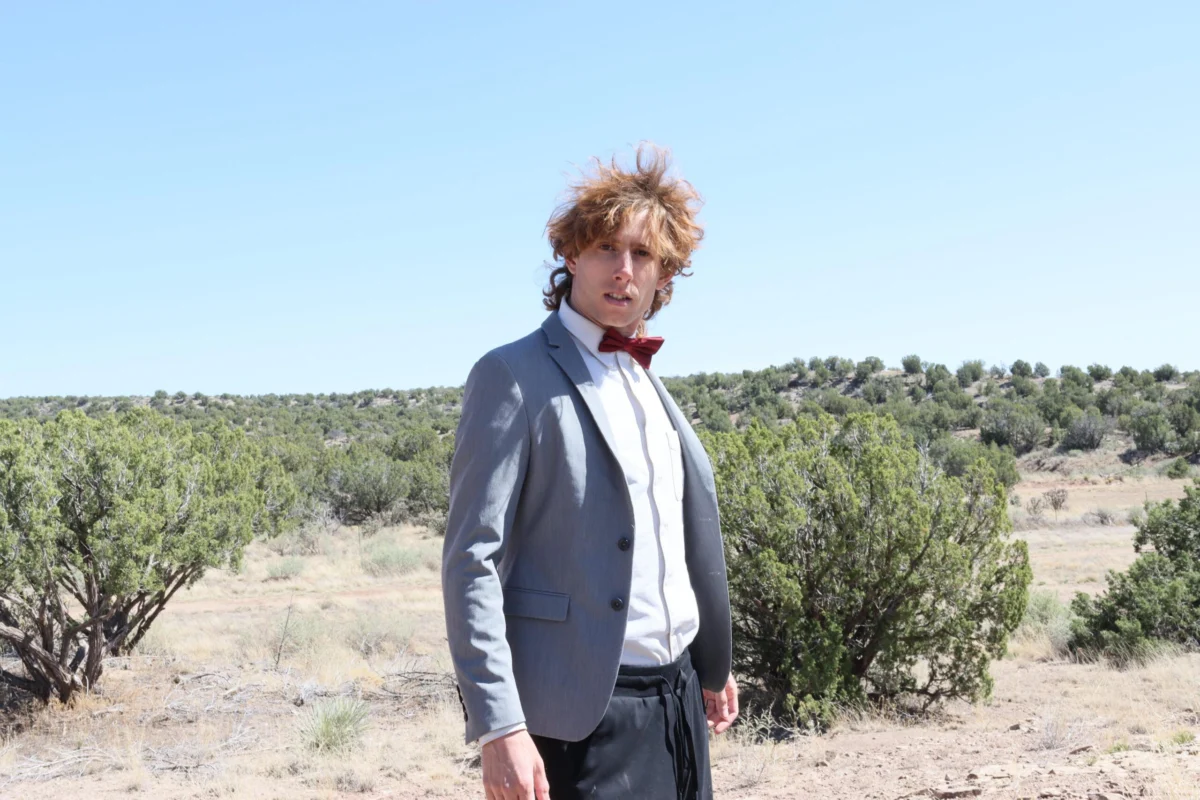
Creative Artists Agency (CAA) has officially signed Ben Schneider, the prominent YouTube personality and investigative filmmaker known as Reckless Ben, for representation in all areas. The move marks a significant transition for the digital creator, whose recent work has moved beyond traditional social media content into the realm of high-stakes investigative journalism and legal advocacy. Schneider’s signing comes at a pivotal moment in his career, as he remains embroiled in a complex legal battle and a viral investigation involving a Utah-based Lego resale franchise, Bricks & Minifigs, and a missing Star Wars collection valued at approximately $200,000.
By bringing Schneider into its fold, CAA—one of the world’s leading talent and sports agencies—signals a growing institutional interest in "independent investigative filmmaking" that originates on digital platforms. The agency intends to bolster Schneider’s reach as he navigates the fallout of a series of videos that have not only garnered tens of millions of views but have also triggered criminal charges and civil litigation. The partnership is expected to provide Schneider with the resources necessary to scale his documentary-style content while managing the mounting legal complexities associated with his "fearless" approach to storytelling.
The Bricks & Minifigs Controversy: Origins of a Viral Investigation
The central catalyst for Schneider’s recent surge in notoriety and his subsequent signing with CAA is an ongoing saga involving an 83-year-old Lego collector and a consignment deal that allegedly went south. According to Schneider’s investigative series, the elderly collector entered into an agreement with a Bricks & Minifigs location to sell a massive, high-value collection of Lego Star Wars sets. The collection, which included rare and retired items sought after by global investors, reportedly vanished after being handed over for consignment.
Schneider’s involvement began as an attempt to track down the missing inventory and hold the responsible parties accountable. His approach, characterized by what CAA describes as "immersive participation," involved a blend of traditional shoe-leather reporting, digital forensics, and undercover tactics. The investigation struck a chord with the public, highlighting the vulnerabilities of independent collectors in the secondary toy market—an industry that has seen explosive growth and increased professionalization over the last decade.
The centerpiece of this coverage was a video released on May 21, 2026, titled "I Tracked Down the Thief Who Stole $200,000 of LEGO." The video meticulously documented Schneider’s efforts to trace the chain of custody of the missing sets. To date, that single installment has amassed over 6.5 million views, while the broader series has generated more than 28 million views across multiple platforms. The scale of the audience reflects a broader trend where audiences are increasingly turning to independent creators for long-form, investigative narratives that traditional news outlets may lack the resources or niche expertise to cover.
Chronology of the Dispute and Legal Escalation
The timeline of Schneider’s investigation is marked by escalating tensions between the creator and the corporate entities he has targeted. The conflict moved from the digital space into the legal system following a series of incidents in late 2025 and early 2026.
December 2025: The Corporate Confrontation
In December 2025, Schneider traveled to the corporate offices of Bricks & Minifigs in American Fork, Utah. Utilizing a hidden camera, he attempted to gain direct answers from corporate executives regarding the missing $200,000 collection and the franchise’s oversight of its local operators. This confrontation became a flashpoint for the investigation, providing the dramatic tension that fueled his subsequent videos but also providing the basis for criminal charges.
Early 2026: Lawsuits and Criminal Charges
Following the visit to the corporate headquarters, the American Fork Police Department filed criminal misdemeanor charges against Schneider. The charges are rooted in his use of hidden recording devices and his presence on the corporate property. Simultaneously, the dispute transitioned into the civil court system. Bricks & Minifigs and associated parties have filed lawsuits against Schneider, while Schneider has engaged in counter-suits, alleging various forms of misconduct related to the handling of the Lego collection.
May 2026: Viral Breakthrough
Despite the legal pressure, Schneider released his most comprehensive report on May 21, 2026. The video’s success brought international attention to the case, leading to a surge in public support for the 83-year-old collector. It also led to a follow-up video, "I Got Arrested Investigating a LEGO Store," which detailed the legal consequences he faced as a result of his reporting methods.
CAA’s Endorsement and the "Pioneer" Designation
In a formal statement regarding the signing, CAA characterized Schneider as a "pioneer in independent investigative filmmaking." This phrasing is significant, as it positions Schneider not merely as a "YouTuber" or "influencer," but as a legitimate documentary creator and digital media personality.
The agency highlighted Schneider’s ability to take "complex corporate practices and misadventures" and make them "accessible and entertaining." This ability to translate dense legal and corporate disputes into high-stakes entertainment is a highly valued commodity in the current media landscape. CAA’s endorsement emphasizes four key pillars of Schneider’s work: investigative journalism, immersive participation, humor, and real-world adventure.
"It is his combination of courage, authenticity, and relentless pursuit of the truth that has transformed Ben from an internet creator into a worldwide phenomenon," the agency stated. This positioning suggests that CAA may look to transition Schneider’s investigative style into more traditional formats, such as premium streaming docuseries or feature-length documentaries, while maintaining his robust presence on YouTube.
Contextual Analysis: The Rise of the "Creator-Journalist"
Schneider’s rise and his new partnership with CAA reflect a broader shift in the media ecosystem. As traditional local newsrooms continue to shrink, a vacuum has been created in the field of consumer advocacy and local investigative reporting. Creators like Schneider, who operate with low overhead and direct access to massive audiences, are increasingly filling this void.
However, this new model of "creator-journalism" brings with it significant risks. Unlike traditional news organizations, independent creators often lack the legal departments and institutional protections that shield journalists from litigation. Schneider’s current legal predicament in Utah serves as a case study for the "high-risk, high-reward" nature of this work. By signing with CAA, Schneider gains access to a level of professional infrastructure that may help mitigate these risks in future projects.
Furthermore, the subject matter—Lego sets—might seem trivial to some, but the secondary market for Lego is a multi-million dollar industry. Rare sets can appreciate in value faster than gold or stocks, making them prime targets for theft and fraud. Schneider’s investigation tapped into a specific community of collectors while simultaneously exposing broader themes of corporate accountability and the protection of the elderly from predatory business practices.
Official Responses and Implications for the Industry
While Bricks & Minifigs has maintained a defensive posture throughout the investigation, the company has faced significant PR challenges due to the viral nature of Schneider’s content. The case has sparked a public debate over the responsibilities of franchisors for the actions of their franchisees, particularly when high-value consignment items are involved.
Legal experts suggest that the outcome of the lawsuits and the criminal charges against Schneider could set a precedent for how digital investigators are treated under the law. If Schneider is able to successfully defend his actions as a form of protected journalistic activity, it could embolden other creators to take on similar corporate targets. Conversely, a conviction or a significant civil judgment against him could serve as a deterrent.
For CAA, the signing is a strategic move to diversify its roster with talent that commands "appointment viewing" in the digital age. As streaming services and networks search for the next true-crime or investigative hit, creators with built-in audiences and proven track records of generating "water-cooler" conversation—even if that conversation happens in YouTube comment sections—are becoming essential assets.
Future Outlook for Ben Schneider and "Reckless Ben"
As the legal proceedings in Utah continue to move through the court system, Schneider’s career trajectory appears to be on an upward swing. With CAA’s backing, he is likely to expand his investigative efforts into other industries and geographic locations. The "Reckless Ben" brand has evolved from simple stunts to a form of digital activism that resonates with a global audience.
The immediate focus for Schneider remains the resolution of the Bricks & Minifigs case and the recovery of the missing Star Wars collection. For his millions of viewers, the saga is more than just content; it is a real-time drama with real-world consequences for an elderly man who lost his life’s work. For the entertainment industry, Schneider’s signing with CAA is a clear indicator that the lines between digital content creation and professional investigative filmmaking have officially blurred.
In the coming months, the industry will be watching closely to see how CAA leverages Schneider’s unique brand of "fearless storytelling." Whether through a television deal, a podcast, or a continuation of his viral YouTube series, Ben Schneider has established himself as a formidable force in the new media landscape—one who is willing to risk arrest and litigation to bring a story to light.