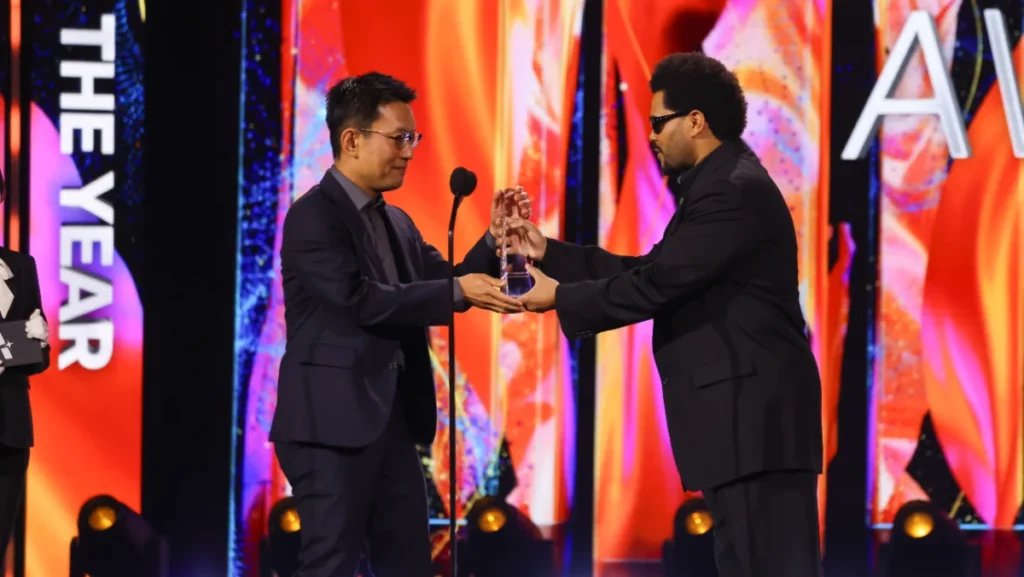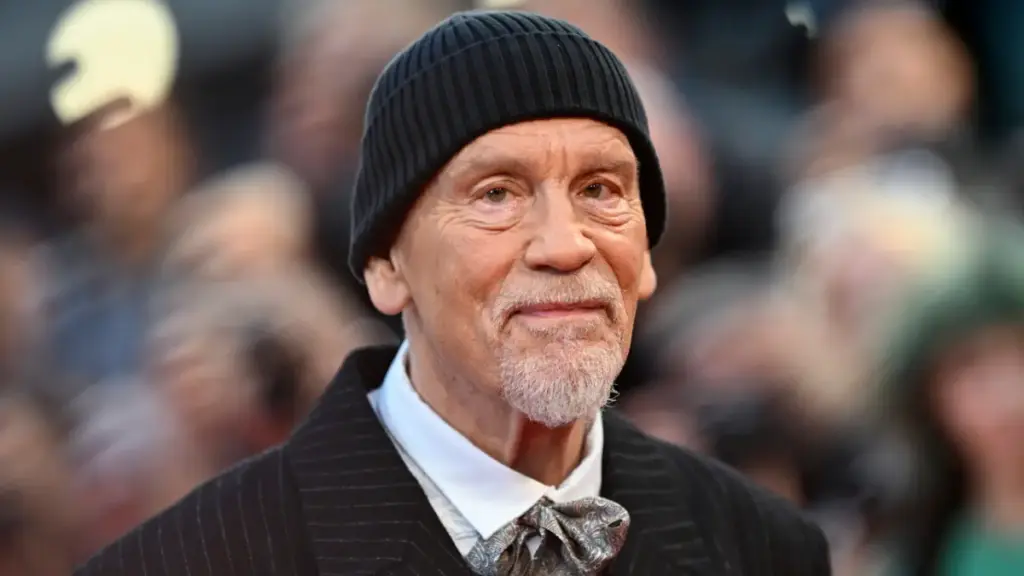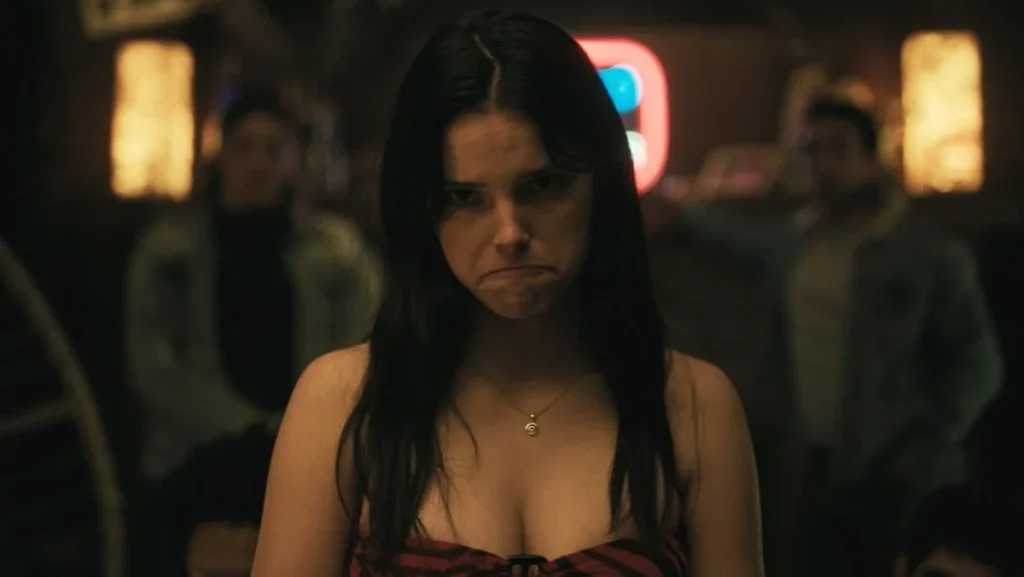
The curtains descended on a momentous 60th edition of the Karlovy Vary International Film Festival (KVIFF) on Saturday, marking a double anniversary for one of the world’s oldest and most prestigious cinematic events. In a ceremony celebrating artistic daring and diverse voices, Myanmar filmmaker Aung Phyoe’s Fruit Gathering was awarded the Grand Prix – Crystal Globe, the festival’s highest honor, signaling a significant moment for Southeast Asian cinema on the global stage. The decision by the main competition jury underscored a commitment to films that challenge narrative conventions and explore complex human experiences.
A Landmark Edition Culminates in Cinematic Triumphs
The Karlovy Vary International Film Festival, held annually in the picturesque spa town of Karlovy Vary in the Czech Republic, this year celebrated its 60th festival edition, coinciding with its 80th year of existence since its inaugural event in 1946. Over eight days, from late June to early July, the festival served as a vibrant hub for filmmakers, industry professionals, and cinephiles, showcasing a curated selection of global cinema, often with a particular emphasis on Central and Eastern European productions, while increasingly embracing narratives from across the world. The festival’s dual anniversary lent an air of particular significance to this year’s proceedings, drawing a constellation of international stars and industry heavyweights. The culmination of the festival saw the recognition of films that resonated deeply with the juries and audiences alike, highlighting themes from intimate personal struggles to broader societal reflections.
The Crystal Globe Laureate: ‘Fruit Gathering’s’ Unconventional Narrative
Aung Phyoe’s Fruit Gathering captivated the main competition jury, earning it the coveted Crystal Globe. The jury lauded the film as "a lush and meditative portrait of work and friendship before morphing, unexpectedly and organically, into a harrowing drama of obsession and queer desire." This commendation speaks volumes about the film’s nuanced storytelling, its ability to transcend genre expectations, and its exploration of themes that are both universally human and culturally specific. For Myanmar cinema, this award represents a powerful affirmation of its artistic potential and a crucial platform for its narratives to reach an international audience. In a region where cinematic expression can face myriad challenges, such recognition from a major European festival can be instrumental in fostering further creative endeavors and opening doors for future generations of filmmakers. The film’s critical reception at KVIFF is expected to generate significant buzz, potentially facilitating broader distribution and increasing global awareness of Myanmar’s cinematic landscape.
Danish Drama Shines: ‘The Guest’ Secures Multiple Accolades
The Special Jury Prize in the main competition was bestowed upon Mads Mengel’s Danish drama The Guest, a film that also earned Mengel the award for Best Director. The jury praised Mengel "for giving us a seat at the table with a superb ensemble of actors, orchestrated with great intelligence and tonal assurance." This dual recognition highlights Mengel’s masterful direction and his ability to elicit powerful performances from his cast, which includes acclaimed actors Trine Dyrholm (The Girl With the Needle, Poison), Simon Bennebjerg (The Pact, Promised Land), and Josephine Park (The Nurse, Oxen).
The Hollywood Reporter‘s review of The Guest noted Trine Dyrholm’s "scorcher of a performance in a gutsy Danish party-gone-wrong drama." The review further underscored the film’s audacious ambition, highlighting Mengel and co-screenwriter Christian Bengtson’s choice to craft a narrative that "will inevitably invite comparisons with Festen (The Celebration), arguably the most notorious Danish-language film of the last 30 years." Festen, known for its Dogme 95 aesthetic and its unflinching portrayal of family dysfunction and dark revelations, set a high bar for Danish cinema dealing with domestic turmoil. By drawing such a comparison, The Guest positions itself within a lineage of bold, psychologically intense Danish dramas that probe uncomfortable truths about family dynamics, motherhood, filial duty, and mental illness. The film’s success at KVIFF solidifies Denmark’s continued prominence in international art-house cinema, showcasing its ongoing capacity to produce films that are both critically acclaimed and deeply resonant.
Celebrating Individual Performances: Best Actor and Actress
Beyond the directorial and film accolades, KVIFF also honored exceptional individual performances. The best actress award was presented to Anna Schinz for her compelling role in the Swiss social drama A Happy Family, directed by Jan-Eric Mack. Schinz’s portrayal was recognized for its depth and emotional authenticity, resonating with the jury’s appreciation for performances that elevate a film’s narrative. Meanwhile, the best actor honor went to Ghassan Saad for his powerful performance in Lebanese director Karim Kassem’s Pipes. Saad’s recognition underscores the festival’s commitment to acknowledging talent from diverse cinematic traditions, bringing deserved attention to actors whose work might otherwise receive less international exposure. These awards not only celebrate the individual artists but also shine a spotlight on the burgeoning film industries in Switzerland and Lebanon, encouraging further international collaboration and viewership.
Audience Acclaim: Právo Award
While jury prizes represent critical acclaim, audience awards often reflect a film’s broader appeal and emotional impact. This year, the Právo Audience Award, determined by audience votes, was given to Bára – Diary of a Rockstar, directed by Helena Třeštíková. This award is particularly significant for filmmakers as it indicates a strong connection with the public, often translating into greater commercial success and wider distribution within the home market and beyond. Třeštíková, a celebrated Czech documentarian, continues to captivate audiences with her unique storytelling approach.
The Proxima Competition: Spotlighting Bold and Emerging Voices
The fifth edition of KVIFF’s Proxima competition, a dedicated section for "bold works by young filmmakers and renowned auteurs alike," continued to champion experimental and innovative cinema. The Grand Prix in this category was awarded to Slovak director Martina Buchelová’s Lover, Not a Fighter. The Proxima jury lauded the film, stating: "In a world of cinema where grandiose ambitions, particularly the masculine kind, are overvalued, this beautiful film arrives tenderly, gathering the quotidian moments and relationships that make up the substance of life into a film at once thrillingly familiar and original." They further praised the director’s ability to capture the zeitgeist: "The director understands what it’s like to be young – she pulls off the Gen Z style without making it gimmicky, a rare feat! – and that one never stops growing up, change is constant, bringing both wonder and loss." This recognition highlights Buchelová’s sensitive portrayal of contemporary youth and the universal experience of personal evolution.
The Special Jury Prize in the Proxima competition went to Japanese director Shuntaro Uchida’s Incinerator. The jury described it as "a film of deceptive simplicity – its subtlety and lightness belie layers of poetry and profundity." They specifically commended Uchida’s directorial approach: "The director beautifully adopts the perspective of an unusual young girl who says little, but senses everything; like a Richter scale, her face records the unspoken tensions and tremulations of everyone around her." This award celebrates films that achieve profound emotional resonance through minimalist aesthetics and keen observation.
Further accolades in the Proxima section included the best director honor for Efthimis Kosemund-Sanidis’s A Whole Person Almost, acknowledging his distinct artistic vision. A Proxima Special Mention was also awarded to Anna and Šimon Domček’s 33 Steps, indicating another noteworthy contribution to this innovative category. The Proxima competition consistently serves as a vital launchpad for emerging talent and a space for established filmmakers to experiment, pushing the boundaries of cinematic storytelling.
Industry and Critical Recognition: Ecumenical and FIPRESCI Honors
Beyond the main festival juries, other esteemed bodies also presented their awards, reflecting diverse critical perspectives. The Grand Prize of the Ecumenical Jury was awarded to Tonia Mishiali’s The Lion at My Back. The Ecumenical Jury, comprised of representatives from various Christian film organizations, typically recognizes films that demonstrate high artistic quality and explore human values with depth and sensitivity. This award underscores The Lion at My Back‘s capacity to provoke thought and foster dialogue on moral and ethical themes.
The International Federation of Film Critics (FIPRESCI) also distributed its prestigious awards. The FIPRESCI prize for the best film in the Crystal Globe Competition was awarded to Ivan Ostrochovský’s Only Beautiful Things to Look at, signaling its strong artistic merit and critical appeal within the main selection. Concurrently, the FIPRESCI honor for the best film in the Proxima Competition went to Mate Ugrin’s Petty Thieves, further cementing its status as an innovative and critically significant work within the festival’s more avant-garde section. These FIPRESCI awards, determined by leading film critics, are highly regarded within the industry as indicators of artistic excellence and often highlight films that are both challenging and thought-provoking.
A Galaxy of Stars: Honoring Cinematic Legacies
The 60th KVIFF was not only a platform for new cinematic discoveries but also a celebration of enduring legacies. The festival’s closing ceremony saw two cinematic titans receive special honors. Acclaimed French actress Juliette Binoche was presented with the KVIFF Crystal Globe Award for her "outstanding artistic contribution to world cinema." Binoche, an Academy Award winner and recipient of numerous international accolades, has captivated audiences for decades with her versatile performances in films ranging from The Unbearable Lightness of Being to The English Patient and Certified Copy. Her presence and recognition underscored the festival’s connection to global cinematic excellence.
Joining her in receiving special distinction was American actor Jeffrey Wright, who was honored with the President’s Award. Wright, known for his powerful roles in Basquiat, Westworld, and American Fiction, met with the press on Friday, sharing insights into his illustrious career and contributions to film and television. These awards serve not only as tributes to individual artists but also as inspiration for the next generation of filmmakers and actors.
The festival also welcomed a parade of other notable stars and industry figures to the picturesque Czech spa town. Among the luminaries gracing the event were Jesse Eisenberg (The Social Network, A Real Pain), the celebrated couple Kevin Bacon and Kyra Sedgwick, accompanied by their son Travis, Maggie Gyllenhaal (The Bride!, The Lost Daughter), legendary actor Harvey Keitel (Mean Streets, Reservoir Dogs), acclaimed cinematographer Robert Richardson, and the iconic Dustin Hoffman (The Graduate, Rain Man). The presence of such a distinguished group of artists amplified the festival’s international profile, fostering a vibrant atmosphere of exchange and camaraderie that is characteristic of KVIFF. These celebrity appearances not only draw media attention but also provide unique opportunities for aspiring filmmakers and students to engage with some of the most influential figures in cinema.
KVIFF’s Enduring Legacy and Future Outlook
The 60th Karlovy Vary International Film Festival concluded as a resounding success, demonstrating its enduring relevance and its pivotal role in the global film circuit. The double anniversary edition successfully balanced a tribute to its rich history with a forward-looking embrace of contemporary and challenging cinema. From the thought-provoking narratives of the Crystal Globe and Proxima winners to the recognition of individual talents and cinematic legends, KVIFF reinforced its commitment to artistic freedom, cultural diversity, and the power of storytelling.
The festival’s unique atmosphere, nestled within the historic architecture and natural beauty of Karlovy Vary, continues to be a draw for attendees. Its dedication to fostering a dialogue between filmmakers and audiences, coupled with its strategic position as a gateway between Western and Eastern European cinema, ensures its continued importance. The success of this year’s edition, marked by high-caliber programming and significant industry engagement, positions KVIFF to continue its legacy as a vital platform for cinematic discovery and celebration for decades to come, championing films that resonate globally and reflect the complex tapestry of human experience.