The Itou Family’s Journey: From Diagnosis to Understanding
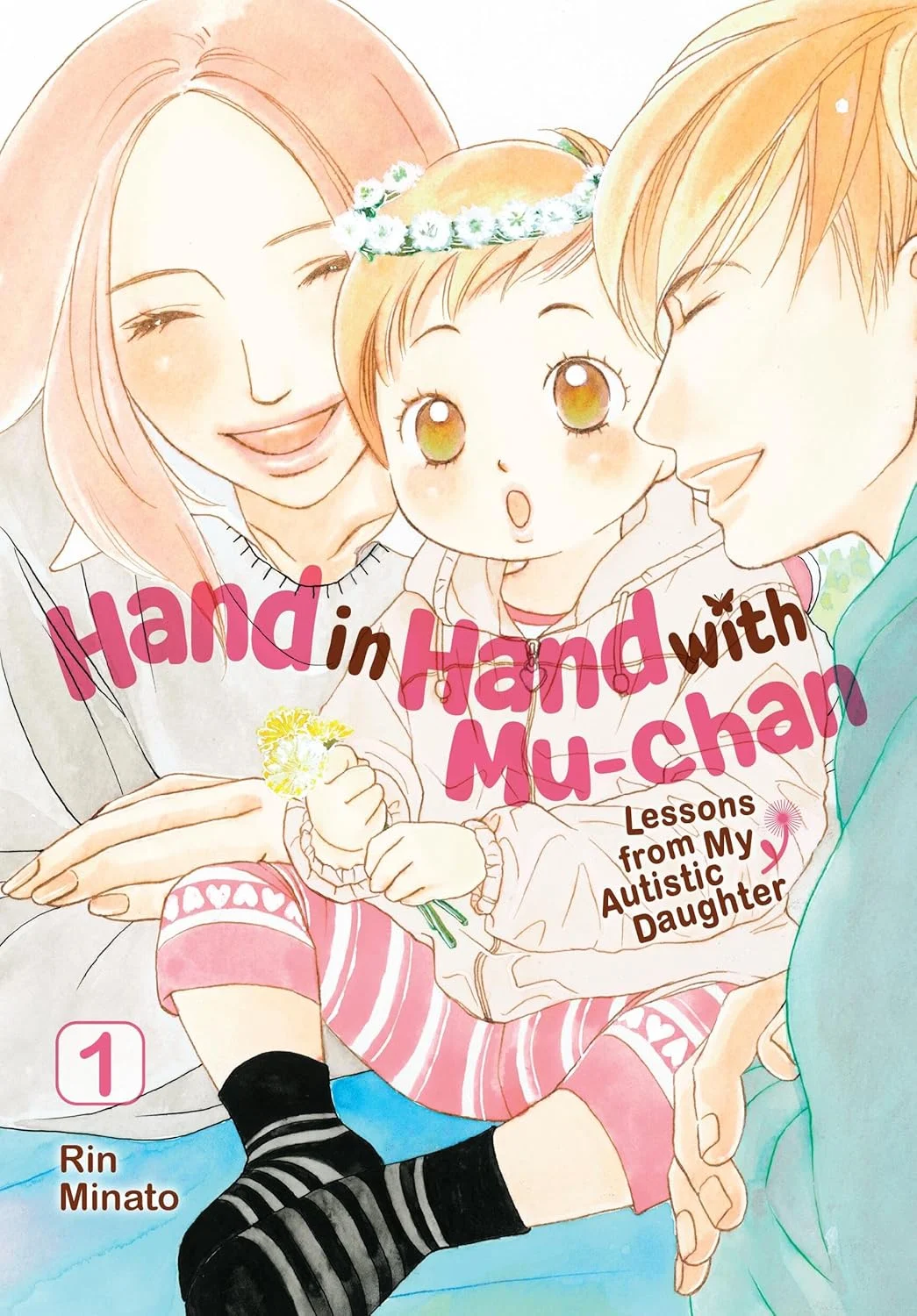
The narrative begins with the joyful arrival of Mu-chan, the first child for newlywed couple Aya and Mutsuhiro Itou. As Mu-chan grows, Aya notices a significant speech delay when comparing her daughter’s development to that of her peers. This observation sparks concern, leading Aya to seek a medical checkup for Mu-chan. The subsequent consultation with medical professionals results in a preliminary diagnosis of autism, fundamentally altering the trajectory of the young family’s life. This pivotal moment marks the commencement of their journey, filled with unexpected challenges, learning curves, and moments of profound growth.
Minato’s narrative artistry shines through in her ability to imbue the characters, particularly Mu-chan’s parents, with the genuine struggles and triumphs she herself encountered. The story serves as a poignant reflection of the author’s personal experiences, lending an undeniable layer of authenticity to the portrayal of the family’s trials. For instance, early chapters meticulously explore Aya’s fraught relationship with her own mother, who initially dismisses Mu-chan’s autism as a consequence of overly lenient parenting. This particular dynamic is drawn directly from Minato’s life, as she reveals in an additional chapter detailing her creative process that she faced a similarly dismissive attitude from a pediatrician during her own daughter’s diagnostic process. Such instances highlight the pervasive societal misconceptions surrounding autism and the additional emotional burden placed on parents seeking understanding and support.
The trials faced by the protagonists serve as a testament to Minato’s enduring ability to craft heartwarming and resonant stories, even after a prolonged break from writing. Aya, as Mu-chan’s primary caregiver, frequently encounters societal prejudice and misunderstanding, some of which regrettably emanates from her own extended family. These confrontations, while painful, become catalysts for deeply touching moments of growth and increased understanding within the Itou couple and their wider support network. Mutsuhiro, Mu-chan’s father, initially struggles with the diagnosis, exhibiting a period of denial that strains his marriage to Aya. However, this period of conflict ultimately leads him to a crucial turning point. He commits to learning more about autism, seeking professional help, and actively working to improve Mu-chan’s living conditions and overall well-being. This shift underscores a critical theme of the manga: the importance of acceptance, education, and collective effort in supporting neurodivergent individuals.
Navigating Complex Character Dynamics
While the manga excels in its heartfelt narrative and educational mission, it does present some areas for deeper character exploration. Mutsuhiro’s journey, while significant, could benefit from more fleshed-out development. His role often remains in the background, primarily as Aya’s support system, with fewer direct insights into his personal struggles or contributions to Mu-chan’s developmental progress. This represents a potential missed opportunity to explore the multifaceted role of a father in raising an autistic child, moving beyond a narrative predominantly centered on the mother’s perspective. In many families, fathers play an equally crucial, albeit sometimes different, role in advocating for and nurturing their children with special needs. Expanding Mutsuhiro’s character could have offered a more comprehensive and relatable portrayal for a broader audience, including fathers who might identify with his initial struggles and subsequent commitment.
The Educational Imperative: Dispelling Misconceptions
A cornerstone of "Hand in Hand with Mu-chan: Lessons From My Autistic Daughter" is its strong emphasis on education regarding disability issues. Interspersed between chapters are dedicated informational segments crafted by medical professionals. These sections are meticulously designed to tackle common misconceptions surrounding the autism spectrum, addressing questions about its causes, characteristics, and diverse manifestations. This integrated approach elevates the manga beyond mere entertainment, transforming it into a valuable resource for public health education. By directly challenging prevalent myths and providing accurate information, Minato’s work contributes significantly to fostering a more informed and empathetic society.
Furthermore, the manga offers practical advice and insights for parents of autistic children. For example, during a particularly challenging period where Aya contemplates divorce, her internal monologue reveals considerations about her future as a single mother. In this reflection, she mentions specific Japanese government programs designed to assist single parents, especially those with children requiring specialized care. This inclusion of concrete, actionable information underscores the manga’s commitment to providing real-world guidance and demonstrating the existence of support systems, which can be invaluable for families navigating similar circumstances. It highlights the importance of awareness regarding social welfare and governmental assistance in managing the multifaceted demands of raising a child with autism.
Artistic Expression: Visualizing the Unspoken
Minato’s artistic style, while appearing simple at first glance, is remarkably effective and endearing. Her "adorable" aesthetic depicts characters with a profound sense of care and warmth, which is particularly crucial given the subject matter. A significant number of characters in the series, including Mu-chan, are non-verbal. In these instances, the manga brilliantly conveys intense emotions and complex internal states not through dialogue, but through a rich tapestry of facial expressions, body language, and visual cues.
One of the highlights of Minato’s artistic approach is her ability to visualize and express certain tics and sensory experiences that might otherwise be challenging to represent in a manga format. This visual ingenuity allows readers to gain a deeper understanding of the unique ways individuals on the autism spectrum interact with and perceive the world, fostering empathy and demystifying behaviors that might be misunderstood by the neurotypical population. The art becomes a powerful tool for communication, bridging the gap between internal experience and external understanding, thereby enhancing the educational impact of the narrative.
Broader Implications and Societal Context
The publication of "Hand in Hand with Mu-chan" arrives at a critical juncture, reflecting a global shift towards greater awareness and acceptance of neurodiversity. According to the World Health Organization, approximately one in 100 children worldwide has autism, with prevalence rates varying across regions and studies. In Japan, while precise national statistics can be elusive due to varying diagnostic criteria and reporting methods, estimates suggest a growing recognition of ASD, with increased diagnoses in recent decades. The challenges faced by families like the Itous are universal: diagnostic delays, societal stigma, difficulties in accessing appropriate educational and therapeutic interventions, and the emotional and financial strain on caregivers.
Manga, as a highly accessible and popular medium in Japan and increasingly worldwide, possesses immense potential to influence public discourse and understanding of complex social issues. Historically, Japanese manga has explored a wide array of topics, from mental health to environmental concerns. The rise of titles focusing on disability and neurodiversity signifies a maturation of the genre, moving towards more inclusive and representative storytelling. "Hand in Hand with Mu-chan" contributes to this trend by offering a narrative that is both educational and emotionally resonant, avoiding the sensationalism or pity often associated with older portrayals of disability.
The manga’s emphasis on government programs for single mothers and families with disabilities also sheds light on the specific social support systems in Japan. The Japanese government has implemented various policies, such as disability pensions, medical expense subsidies, and support for special education, to assist families raising children with disabilities. However, navigating these systems can be complex, and public awareness of available resources is not always widespread. By integrating such information into the narrative, Minato not only provides practical guidance but also implicitly advocates for greater accessibility and awareness of these crucial support structures.
Conclusion: An Uplifting and Informative Contribution
Overall, "Hand in Hand with Mu-chan: Lessons From My Autistic Daughter" transcends the boundaries of a typical family drama to become an uplifting and profoundly educational work about the autism spectrum. While some aspects of character depth, particularly concerning the father’s role, could be further expanded, the manga’s strengths far outweigh these minor critiques. Its heartfelt narrative, drawn from authentic personal experience, combined with its robust informative value, makes it an exceptionally worthwhile read.
The manga serves as a powerful reminder of the importance of empathy, understanding, and informed support for individuals with autism and their families. It not only entertains but also educates, fostering a more inclusive dialogue around neurodiversity and demonstrating the transformative power of acceptance. By offering both an emotional journey and practical insights, Rin Minato’s work stands as a significant contribution to the ongoing effort to create a world where neurodivergent experiences are understood, valued, and celebrated. Its ability to convey complex realities with warmth and clarity ensures its place as an important resource for parents, educators, and anyone seeking a deeper understanding of life on the autism spectrum.