The critical and commercial success of the first season of Heated Rivalry has established a new benchmark for the adaptation of contemporary romance literature into the prestige television format. Directed and developed by showrunner Jacob Tierney, the series serves as a faithful translation of Rachel Reid’s acclaimed Game Changers book series, specifically focusing on the complex, decade-spanning relationship between hockey superstars Shane Hollander and Ilya Rozanov. As production transitions into the second season, the creative team faces the task of adapting The Long Game, a novel widely regarded by literary critics and the series’ dedicated readership as Reid’s magnum opus. This transition marks a shift from the episodic, rivalry-based tension of the characters’ early careers to a more profound exploration of mental health, professional longevity, and the complexities of long-term domesticity within the high-stakes environment of the National Hockey League (NHL).
The Foundational Success of Season 1 and Narrative Fidelity
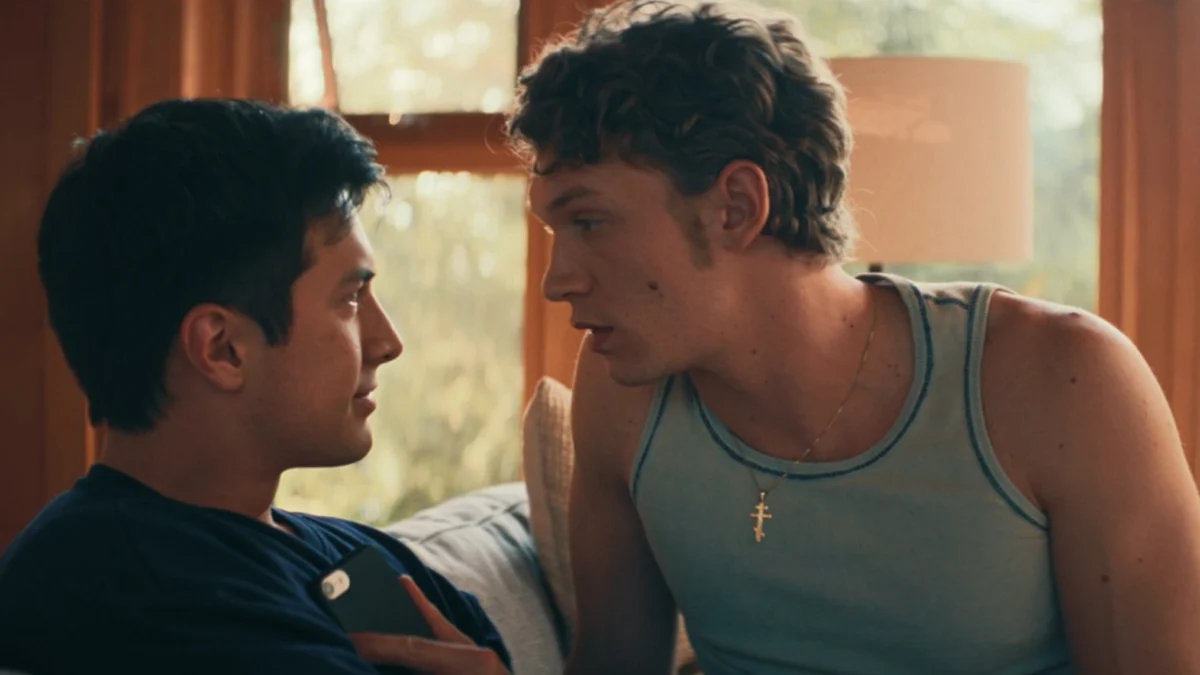
The primary achievement of Heated Rivalry’s debut season lies in its adherence to the source material’s emotional core while navigating the structural differences between prose and visual media. In the original 2019 novel, much of the narrative tension is derived from the internal monologues of Shane Hollander and Ilya Rozanov. Translating these internal states to the screen required a nuanced approach to performance and cinematography. Under Tierney’s direction, actors Hudson Williams and Connor Storrie have been credited with capturing the specific interpersonal dynamics that defined the book—a blend of professional animosity and clandestine vulnerability.
In the transition from page to screen, Tierney made strategic adjustments to the timeline and scene structure to better suit the medium of television. While the book utilizes frequent time jumps to cover the seven years of the characters’ initial secret relationship, the television series expanded upon brief mentions in the text to create fully realized dramatic sequences. This "filling in the gaps" approach allowed the production to maintain the book’s pacing while providing the visual depth necessary for a serialized drama. Industry analysts note that this level of fidelity is rare in the romance adaptation sub-genre, which often undergoes significant sanitization or structural overhauls during the development process.
Chronology of Development: From Digital Publication to Premium Television
The journey of Heated Rivalry from a niche digital release to a centerpiece of contemporary sports drama follows a specific trajectory within the broader publishing and entertainment landscape.
- March 2019: Rachel Reid releases Heated Rivalry, the second book in her Game Changers series. The novel quickly gains a cult following for its realistic depiction of the NHL and its subversion of traditional sports romance tropes.
- 2020–2021: Amidst a surge in the "BookTok" phenomenon, Reid’s work sees a massive spike in sales, catching the attention of production houses looking for established intellectual property with built-in demographics.
- Late 2021: Development is officially announced with Jacob Tierney attached as creator. Tierney, known for his work on Letterkenny and Shoresy, brings a seasoned understanding of Canadian hockey culture to the project.
- April 2022: Rachel Reid publishes The Long Game, the direct sequel to Shane and Ilya’s story. The book debuts to critical acclaim, praised for its mature handling of Ilya’s clinical depression and the professional risks of coming out in professional sports.
- Season 1 Release: The first season of the television adaptation premieres, covering the events of the first book and concluding with the emotional climax of the characters acknowledging the depth of their connection.
- Current Status: Production for Season 2 is underway, with the narrative confirmed to be an adaptation of The Long Game.
Technical Analysis of the Adaptation Process
The transition to Season 2 presents unique technical challenges for the writing room. Unlike the first season, which focused on the "will-they-won’t-they" tension of a secret affair, The Long Game is a character study of a settled couple facing external and internal pressures. For a television medium, this requires a shift from external conflict (the rivalry) to internal and systemic conflict (the toll of secrecy and the reality of aging out of professional sports).
The decision to cast Hudson Williams and Connor Storrie has been pivotal to this transition. Williams’ portrayal of Shane Hollander—characterized by a rigid, disciplined exterior—contrasts with Storrie’s more fluid and mercurial Ilya Rozanov. Critics have pointed out that the "unspoken" elements of the book are effectively communicated through Tierney’s use of close-up shots and reactive acting, a necessity when the luxury of the first-person internal monologue is removed.
Furthermore, the adaptation has been lauded for its technical accuracy regarding the sport of hockey. By employing professional consultants and ensuring that the on-ice choreography reflects the actual playstyles described in Reid’s novels, the show has managed to appeal to both romance enthusiasts and traditional sports fans. This dual-market appeal is a significant factor in the show’s sustained viewership ratings.
Market Trends and the Growth of the Sports Romance Genre
The success of Heated Rivalry is indicative of a larger trend in the entertainment industry: the "prestige-ification" of the romance genre. Traditionally relegated to low-budget films or serialized daytime television, romance adaptations are now receiving the high-production-value treatment typically reserved for thrillers or historical dramas.
Data from streaming analytics suggests that "sports-centric queer narratives" have seen a 40% increase in demand over the last three fiscal years. This is attributed to a growing appetite for diverse representation within traditionally conservative settings, such as professional athletics. Heated Rivalry sits at the intersection of this demand, providing a narrative that is both a specialized sports procedural and a high-stakes emotional drama.
The financial implications are also noteworthy. The "Reid Effect" has resulted in a measurable uptick in backlist sales for the Game Changers series following the airing of each episode. For the network, the built-in "super-fan" base reduces the marketing overhead typically required for a new intellectual property, as the community surrounding the books provides organic promotion through social media channels.
Anticipated Reactions and Official Perspectives
While official statements from the production team remain guarded regarding specific plot points for Season 2, Jacob Tierney has publicly expressed his commitment to maintaining the "emotional honesty" of Reid’s work. In recent press junkets, Tierney emphasized that the second season would not shy away from the darker themes present in The Long Game.
"The goal is always to respect the source material while recognizing that the camera sees things differently than the reader’s eye," Tierney remarked during a panel on literary adaptations. "In Season 2, the stakes aren’t just about winning a trophy; they’re about what happens after you win, and the cost of maintaining a life in the shadows."
Author Rachel Reid has also been vocal in her support of the adaptation, frequently interacting with the cast and crew on social media. Her endorsement serves as a crucial "seal of approval" for the fanbase, ensuring that the changes made for television are viewed as enhancements rather than detractions from the original story.
Broader Cultural Impact and Implications for Professional Sports
Beyond its value as entertainment, Heated Rivalry and its upcoming second season contribute to a broader cultural conversation regarding LGBTQ+ visibility in the NHL. Historically, professional hockey has been slow to integrate queer narratives, with very few active players coming out during their careers. By presenting a realistic, albeit fictional, look at the hurdles faced by gay athletes—ranging from locker room culture to endorsement deals and media scrutiny—the show acts as a catalyst for discussion within the real-world sports community.
The adaptation of The Long Game will specifically address the mental health aspect of this struggle. Ilya Rozanov’s battle with depression, exacerbated by the isolation of his secret life, is a central pillar of the second book. In a television landscape where mental health is often sensationalized, Tierney’s grounded approach is expected to provide a significant contribution to the representation of clinical depression in men.
Conclusion: The Path Forward for the Franchise
As Heated Rivalry moves into its second season, the production stands at a crossroads of high expectations and significant narrative opportunity. By leveraging the groundwork laid in Season 1—namely the chemistry between Williams and Storrie and Tierney’s reverent direction—the series is positioned to transcend its genre origins.
The shift toward the "magnum opus" of the series, The Long Game, suggests that the show is moving away from the tropes of traditional romance and toward a complex exploration of identity, legacy, and the enduring nature of partnership. For the audience, the draw remains the same: a meticulously crafted world where the intensity of the game is matched only by the intensity of the characters’ bond. For the industry, Heated Rivalry serves as a case study in how to successfully bridge the gap between a dedicated literary subculture and the mainstream television market.