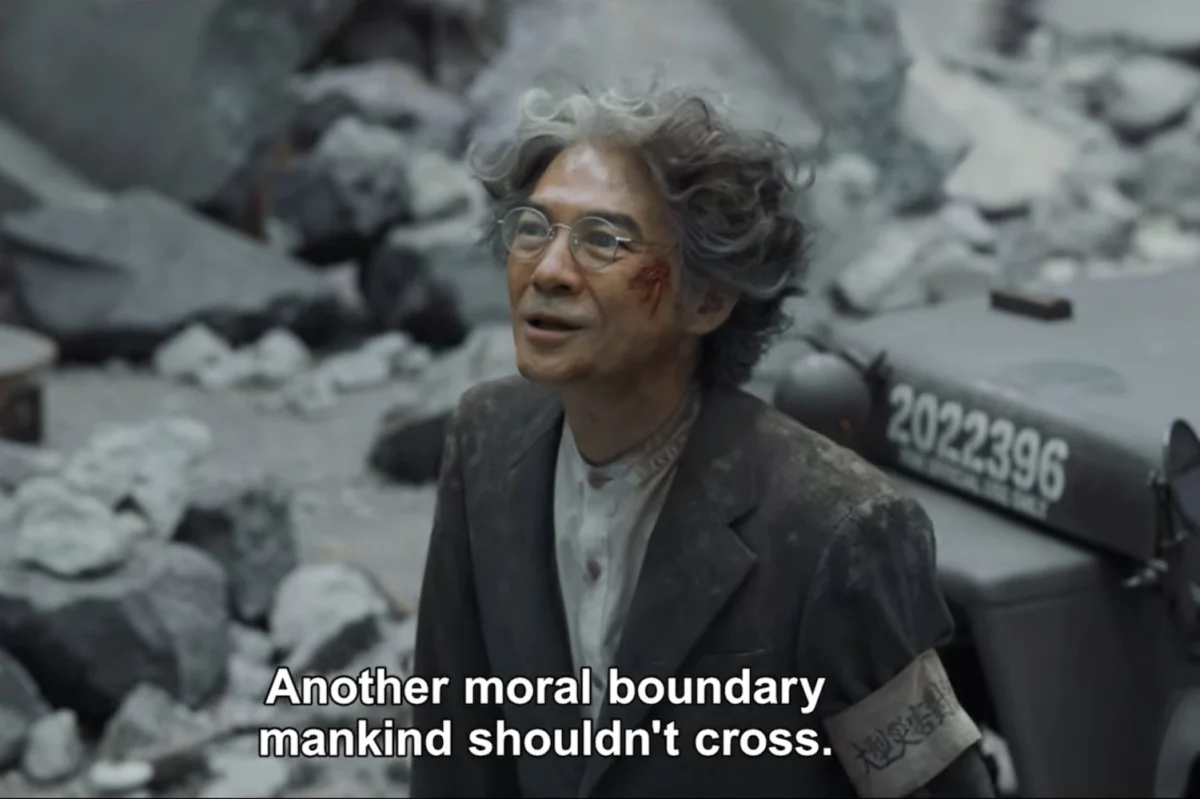
The colossal terror of Godzilla is poised to return to the silver screen with the highly anticipated sequel, Godzilla Minus Zero, set to unleash its wrath upon U.S. theaters on November 6. A recent, chilling teaser has offered a glimpse into the escalating threat, featuring dialogue that hints at the sheer destructive power of the iconic kaiju. "I speculate Godzilla can withstand even a thermonuclear strike," a man’s voice gravely states, immediately followed by a stark warning: "Another moral boundary mankind shouldn’t cross." This ominous exchange suggests that the film will not shy away from exploring the terrifying consequences of humanity’s technological advancements in the face of an unstoppable force.
The return of Godzilla to this scale marks a significant moment in cinematic history, building upon the monumental success of its predecessor, Godzilla Minus One. Directed and written by Takashi Yamazaki, who also helmed the visual effects for the first film, Godzilla Minus Zero is expected to continue the narrative threads established in the Oscar-winning Godzilla Minus One. The film has been in development for two years, yet details regarding its specific plot remain scarce, shrouded in deliberate mystery by Toho Co., Ltd., the studio behind the franchise. The official synopsis offers a tantalizing, albeit brief, overview: "Godzilla Minus Zero picks up in 1949, two years after the tumultuous events of Godzilla Minus One, and continues the story of the Shikishima family as they face an all-new calamity."
A Legacy of Destruction and Triumph
The foundation for Godzilla Minus Zero was laid by Godzilla Minus One, which achieved unprecedented critical and commercial success. Released in late 2023, the film garnered widespread acclaim for its compelling human drama interwoven with terrifying kaiju action. It not only became the highest-grossing Godzilla film of all time globally, but also secured a prestigious Academy Award for Best Visual Effects. This win was a landmark achievement for a Japanese-produced film and a testament to Yamazaki’s visionary approach to the franchise. The narrative of Godzilla Minus One centered on Koichi Shikishima, a former kamikaze pilot grappling with guilt and trauma in post-World War II Japan, as he finds himself confronting the destructive force of Godzilla alongside other survivors. The film’s success underscored a renewed appetite for grounded, character-driven kaiju narratives that explore the existential dread associated with such colossal threats.
The Shikishima Family Faces a New Calamity
Godzilla Minus Zero will see the return of key cast members from the first film, reprising their roles within the Shikishima family. Ryunosuke Kamiki is set to once again portray Koichi Shikishima, whose journey of redemption and resilience will undoubtedly be tested by the new crisis. Minami Hamabe will reprise her role as Noriko, Koichi’s wife, whose presence has been a source of strength and hope for the protagonist. The continuation of their story in 1949, a period still deeply scarred by the ravages of war and the emergence of Godzilla, promises a narrative rich with emotional depth and profound human struggles against overwhelming odds. The choice to set the sequel in the immediate post-war era allows for a poignant exploration of a nation attempting to rebuild amidst ongoing existential threats, both human-made and monstrous.
Escalating Threats and Cinematic Ambitions
The teaser for Godzilla Minus Zero not only hints at the immense destructive power of Godzilla but also suggests an advancement in the scale of the conflict. The mention of a "thermonuclear strike" implies a level of warfare and potential devastation that surpasses even the cataclysmic events of the previous film. This escalating threat raises profound questions about humanity’s capacity to defend itself and the ethical implications of deploying such formidable weaponry. The inclusion of dialogue cautioning against crossing "moral boundaries" points towards a thematic exploration of the double-edged sword of technological advancement, particularly in the shadow of global conflict.
A significant development for Godzilla Minus Zero is its production for IMAX. This decision indicates a clear intention to deliver an unparalleled visual and auditory experience for audiences. IMAX presentations are renowned for their immersive qualities, offering larger-than-life screens, enhanced sound systems, and a heightened sense of scale. For a film centered on a creature as massive and destructive as Godzilla, shooting in IMAX suggests that the visual spectacle of destruction will be even more breathtaking and visceral than ever before. This strategic choice in presentation signals a commitment to pushing the boundaries of cinematic spectacle and ensuring that Godzilla Minus Zero delivers a truly impactful theatrical event.
Historical Context of Godzilla’s Origins
The Godzilla franchise, which began in 1954 with Ishirō Honda’s Gojira, has always been deeply rooted in the anxieties of its time. The original film was a direct response to the atomic bombings of Hiroshima and Nagasaki and the subsequent nuclear testing conducted by the United States, particularly the Castle Bravo incident in 1954 that contaminated the Japanese fishing vessel Daigo Fukuryu Maru. Godzilla, in its genesis, was a powerful metaphor for the terrifying destructive potential of nuclear weapons, a living embodiment of the fear that permeated post-war Japan and the world.
The franchise has since evolved, with numerous iterations exploring different themes and narrative approaches. However, the core of Godzilla’s existence has often been tied to humanity’s hubris and its relationship with nature and technology. Yamazaki’s Godzilla Minus One revitalized this connection, bringing the narrative back to a more grounded, post-war setting that echoed the franchise’s origins. Godzilla Minus Zero, by picking up in 1949, continues this thematic resonance, placing the Shikishima family and Japan as a whole in a precarious position between recovering from one catastrophe and facing an even greater one.
Thematic Implications: Nuclear Annihilation and Moral Reckoning
The dialogue in the teaser about withstanding a "thermonuclear strike" is particularly significant when considering the historical context of the Godzilla franchise. The idea of Godzilla being impervious to such a devastating weapon suggests a creature that transcends even humanity’s most destructive capabilities. This raises questions about the futility of warfare and the potentially catastrophic consequences of escalating conflict.
The line, "Another moral boundary mankind shouldn’t cross," is a direct commentary on the development and potential use of nuclear weapons. It implies that the pursuit of ultimate destructive power is a dangerous path that humanity is ill-equipped to handle. In the context of the film, this could translate to a narrative where the unleashing of such power only exacerbates the situation, or perhaps leads to unforeseen and even more terrifying outcomes. The film appears poised to delve into the moral and ethical dilemmas surrounding scientific advancement and the responsibility that comes with wielding immense power.
The Global Impact of the Kaiju Phenomenon
The Godzilla franchise is not merely a Japanese cultural export; it is a global phenomenon that has captured the imaginations of audiences worldwide for decades. The character of Godzilla has become an international icon, recognized and celebrated across different cultures. The success of Godzilla Minus One demonstrated the enduring appeal of a well-crafted kaiju story that balances spectacle with profound human drama.
The anticipation for Godzilla Minus Zero is therefore substantial, not only within Japan but also among international fans. The film’s release in U.S. theaters on November 6 ensures a wide reach, allowing a global audience to experience this latest chapter in Godzilla’s saga. The continued success of the franchise suggests a deep-seated fascination with the primal fears and anxieties that Godzilla represents, as well as a continued appreciation for the cinematic artistry that brings these colossal creatures to life.
Production and Cinematic Vision
Takashi Yamazaki’s dual role as writer, director, and visual effects supervisor for both Godzilla Minus One and Godzilla Minus Zero is a key factor in the franchise’s recent success. His intimate understanding of the character, the narrative, and the technical aspects of bringing Godzilla to the screen allows for a cohesive and visionary approach. The critical acclaim for Godzilla Minus One‘s visual effects, culminating in an Academy Award win, highlights Yamazaki’s mastery in creating believable and awe-inspiring creatures.
The decision to shoot Godzilla Minus Zero for IMAX is a bold move that underscores the ambition to create an unparalleled cinematic experience. This format is ideal for showcasing the sheer scale and destructive power of Godzilla, immersing the audience directly into the heart of the unfolding chaos. The use of IMAX technology will undoubtedly enhance the visual impact of the film, from the intricate details of Godzilla’s design to the widespread devastation it leaves in its wake. This focus on visual fidelity and immersive storytelling is a hallmark of modern blockbuster filmmaking and a key reason for the anticipation surrounding the film.
Looking Ahead: A New Era for Godzilla
As Godzilla Minus Zero approaches its release, the implications of its narrative and thematic choices are sure to be a subject of considerable discussion among fans and critics. The film promises to not only deliver the thrilling kaiju action audiences expect but also to engage with complex themes of warfare, morality, and humanity’s place in a world threatened by forces beyond its control. With Takashi Yamazaki at the helm and a commitment to delivering a visually stunning IMAX experience, Godzilla Minus Zero is poised to be a landmark event in the long and storied history of the King of the Monsters. The return to the immediate post-war era, coupled with hints of unprecedented destructive power, suggests a narrative that will push the boundaries of the franchise and leave a lasting impact on audiences.