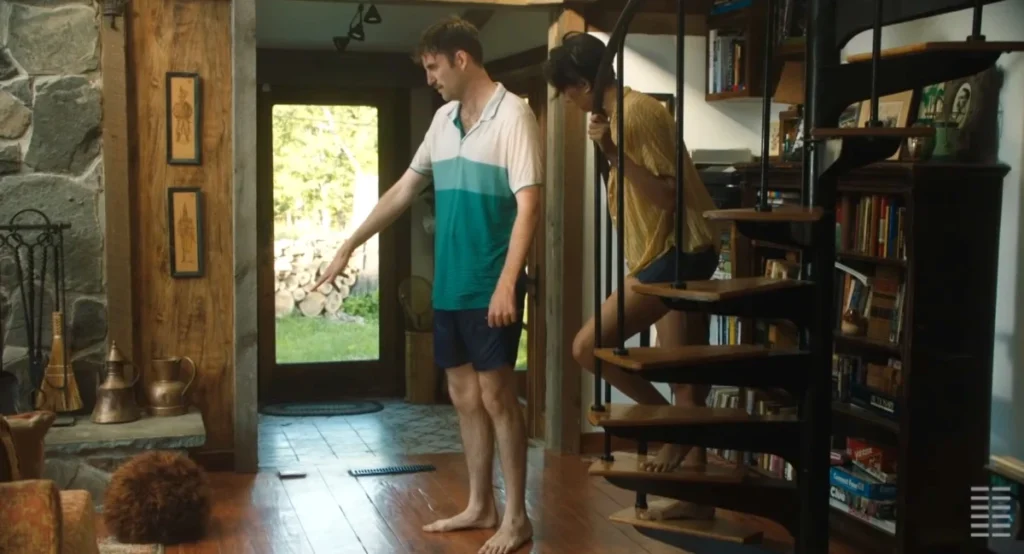
The recent surge in popularity surrounding the television series Widow’s Bay has ignited a fervent discussion among viewers and critics alike. The show, lauded for its exceptionally sharp dialogue and compelling character performances, has captivated audiences with its unique blend of small-town intrigue and supernatural elements. This widespread acclaim has prompted a closer examination of the literary inspirations and thematic parallels that resonate with the series’ narrative. Beyond the screen, a rich vein of literature explores similar settings and motifs, offering a compelling gateway for fans seeking to delve deeper into the world of Widow’s Bay.
The series’ success can be partly attributed to its masterful evocation of a specific atmosphere—one where the mundane and the magical collide in the seemingly ordinary confines of a rural community. This fertile ground for storytelling has been a consistent theme in various literary genres, from gothic fiction to urban fantasy, and a particular niche of rural gothic that thrives on the inherent tensions of isolation, tradition, and the unknown. The phrase, "Don’t say we didn’t ‘Warren’ you!" itself, a playful nod to a historical figure often associated with the founding of settlements and the establishment of order, hints at the show’s engagement with the foundational myths and underlying anxieties of community.
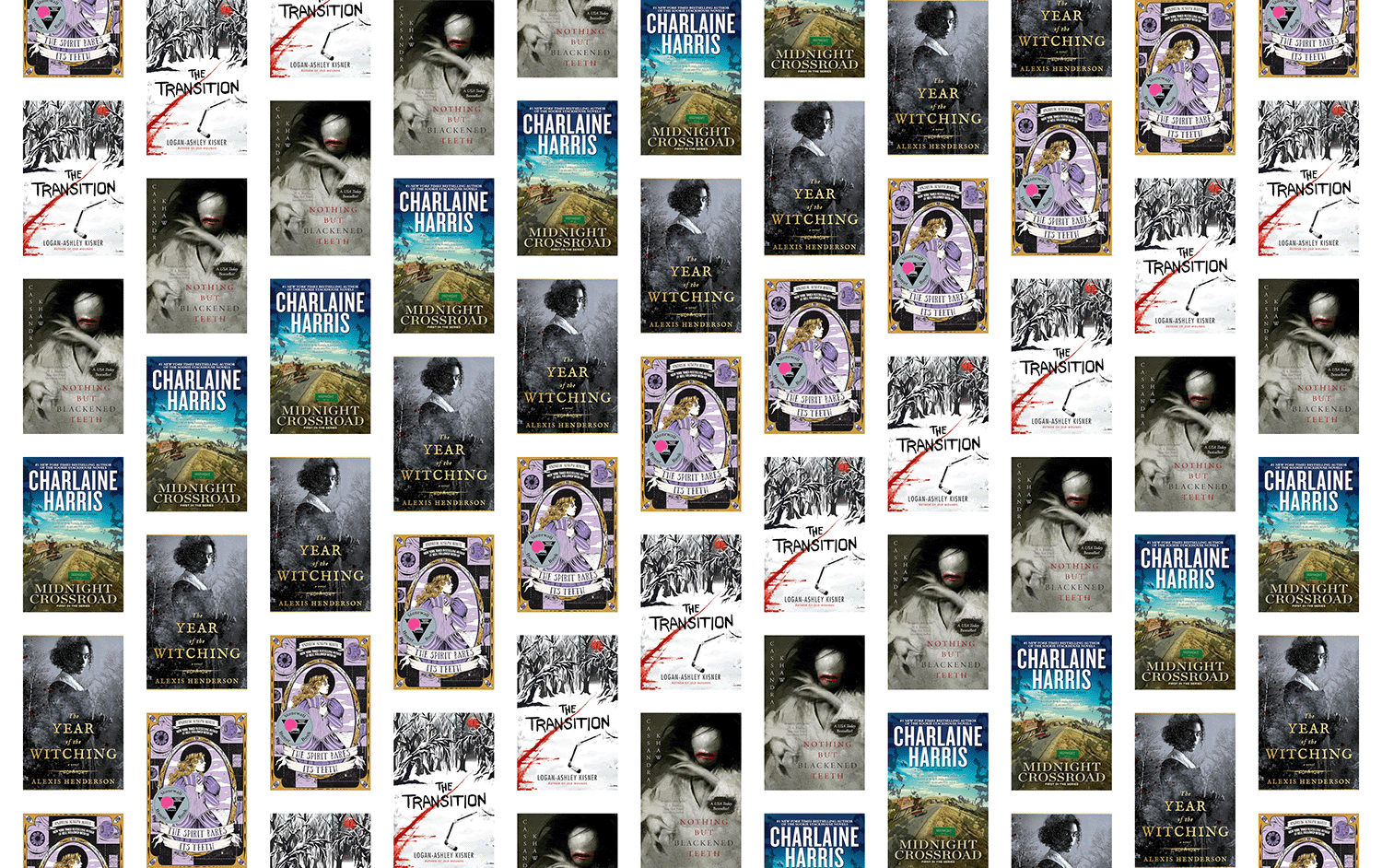
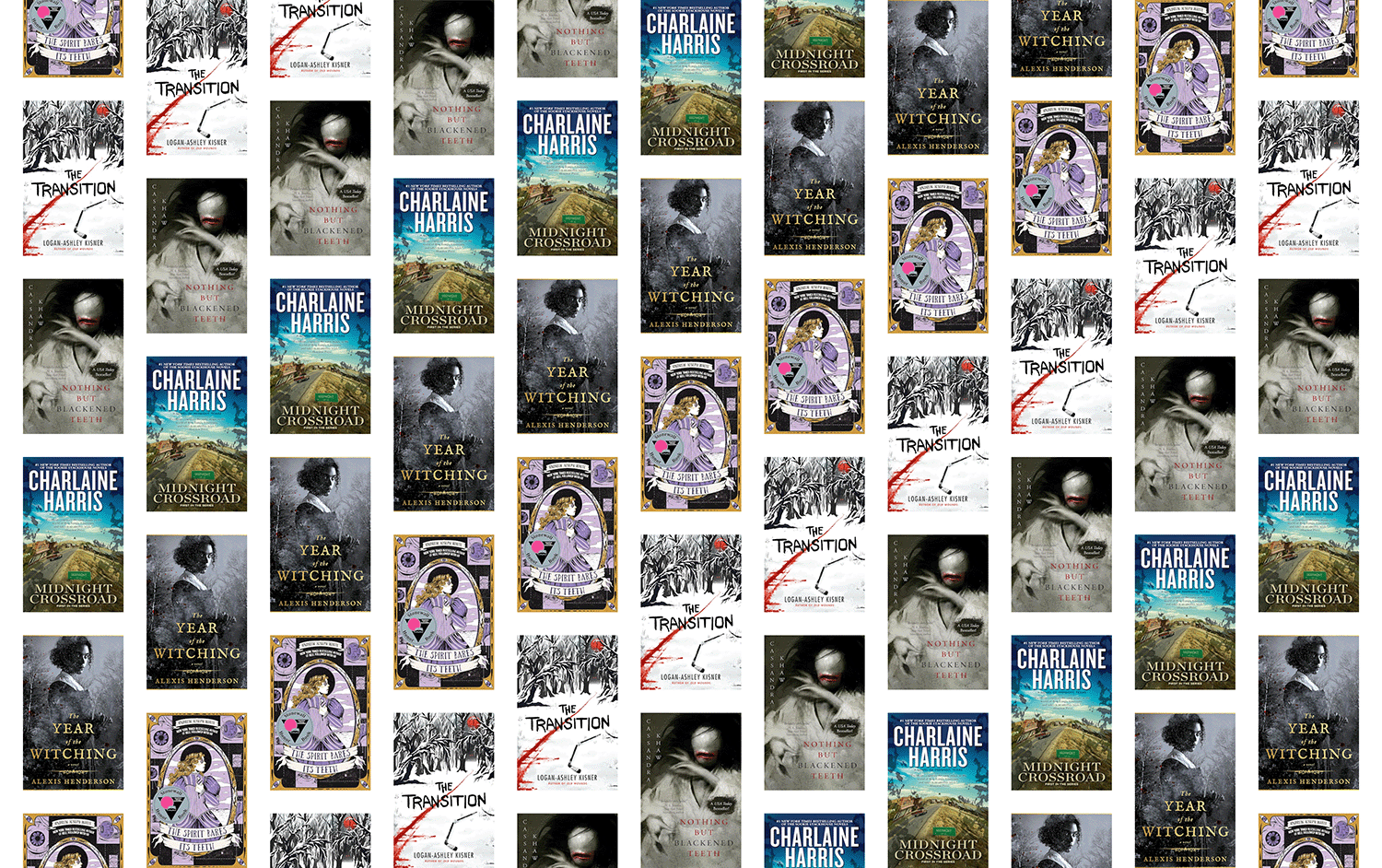
To understand the thematic underpinnings of Widow’s Bay and to satisfy the growing appetite for related narratives, a curated selection of literary works emerges as particularly relevant. These books share common threads with the series, including complex characters grappling with their identities and their environments, the presence of the supernatural, and mysteries that unravel the secrets hidden beneath the surface of seemingly tranquil towns.
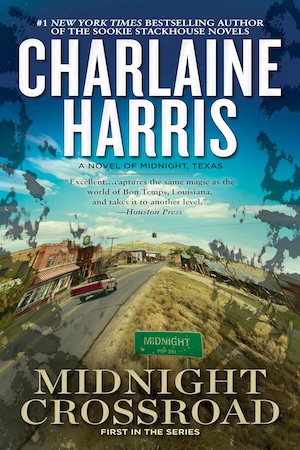
Midnight Crossroad: Where Small Town Secrets Meet the Supernatural
Charlaine Harris, a celebrated author known for her Sookie Stackhouse series which inspired the hit television show True Blood, has also cultivated a distinct corner of the literary world with her Midnight, Texas trilogy. The first installment, Midnight Crossroad, published in 2014, exemplifies the rural fantasy genre Harris has championed. This subgenre takes the tropes of urban fantasy—magic, mythical creatures, and supernatural conflicts—and transplants them into the intimate, isolated setting of a small town in the middle of nowhere.
Midnight Crossroad introduces readers to Manfred, a psychic who seeks refuge in the titular town of Midnight, Texas. This seemingly unassuming crossroads community is, in reality, a sanctuary for a diverse array of beings: a witch, a vampire, an assassin, and a host of other individuals, both ordinary and extraordinary. Manfred quickly finds himself embroiled in a local murder investigation, a plotline that propels the narrative and unveils the town’s hidden dangers and passionate undercurrents. Harris skillfully weaves together elements of murder mystery, magic, and romance, creating a narrative that is both thrilling and deeply engaging. The town of Midnight, much like the fictional setting of Widow’s Bay, serves as a character in itself, a place where secrets are as common as the dust on the roads and where the past casts a long shadow over the present. The series, like Widow’s Bay, was also adapted for television, further underscoring its appeal and its ability to translate compelling narrative arcs to visual media.
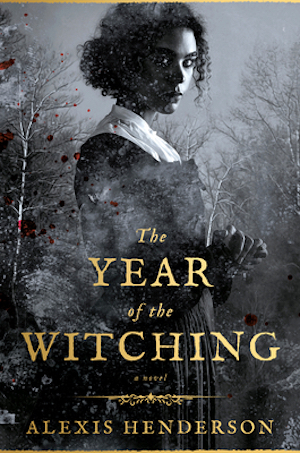
Year of the Witching: The Haunting Legacy of Puritanical Control
Alexis Henderson’s Year of the Witching, published in 2020, plunges readers into the rigid, theocratic society of Bethel, a town where the church dictates every aspect of life and enforces its laws with an iron fist. In this world, witchcraft is not a source of empowerment but a capital offense, punishable by burning at the stake. The novel centers on Immanuelle, the ostracized daughter of a witch, who navigates a life of constant scrutiny and judgment.
Despite her efforts to conform to the devout expectations of Bethel’s fundamentalist society, Immanuelle remains an outsider. The oppressive patriarchal structure and the brutal worship of a harsh deity create an atmosphere reminiscent of historical Puritan settlements. A terrifying encounter in the Darkwood, a forbidden forest bordering the town, and the subsequent discovery of her deceased mother’s journal, set Immanuelle on a path of self-discovery. This journey promises to reveal her true lineage and her latent capabilities. Henderson’s creation of Bethel is a masterful exercise in historical fantasy, drawing parallels to the witch trials and the deep-seated fear of the unknown that characterized early colonial America. The stark contrast between the town’s outward piety and its underlying cruelty echoes the thematic tensions found in Widow’s Bay, where appearances often mask darker realities. The quote, "I was just about to show Arthur the witch trial. Great source of pride. We caught ‘em. We burned ‘em," encapsulates the grim history and the perverted sense of justice that permeates Bethel, mirroring the historical anxieties about control and persecution that are often explored in narratives of this nature.
Nothing but Blackened Teeth: A Descent into Gothic Horror and Psychological Unraveling
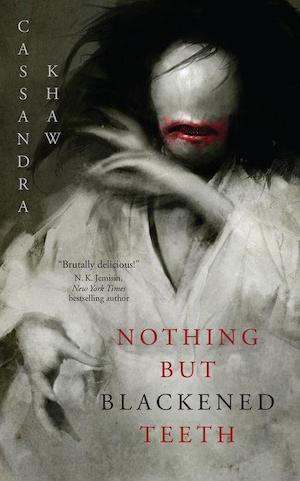
Cassandra Khaw’s novella, Nothing but Blackened Teeth, published in 2021, offers a chilling exploration of fear and the psychological toll of shared trauma, directly engaging with a recurring motif of teeth that subtly appears in Widow’s Bay. The novella’s premise is deceptively simple: a group of friends rents a Heian-era haunted mansion as a pre-wedding celebration. However, the house holds a dark history, marked by the murders of multiple women over the centuries.
What begins as an adventure to witness spectral phenomena quickly devolves into a nightmarish ordeal. As the friends delve deeper into the mansion’s secrets, they not only confront the malevolent forces that inhabit it but also the fracturing relationships within their own group. Khaw masterfully utilizes the unsettling imagery of teeth—a potent symbol of vulnerability, decay, and primal fear—to amplify the story’s horror. The disquieting visual of a baby’s skull with its nascent teeth and the developing permanent teeth within the jaw, a stark reminder of biological inevitability and mortality, finds a literary echo in the novella’s unsettling atmosphere. The quote, "Except for the teeth," serves as a cryptic but potent marker of the horror that lies at the heart of this story, hinting at the visceral and unsettling nature of the supernatural encounters that await the characters. This focus on psychological unraveling and the invasion of personal space by external malevolence aligns with the suspenseful undercurrents present in Widow’s Bay.
The Spirit Bares Its Teeth: Navigating Sanatorium Horrors and Identity
Andrew Joseph White’s young adult horror novel, The Spirit Bares Its Teeth, published in 2023, delves into themes of identity, abuse, and survival within a dark fantasy reimagining of 1880s London. While not directly about teeth, the title itself evokes a sense of primal terror and exposure. The protagonist, Silas, is an autistic trans teen whose life is rigidly dictated by his abilities as a medium. His future is predetermined: to become a Speaker wife, a role he vehemently rejects, not least because he knows he is a boy.
To "fix" him, Silas is sent to a brutal sanatorium and finishing school, a place where vulnerable young people are subjected to abuse rather than receiving genuine help. Within this hellish institution, Silas uncovers a disturbing pattern: numerous patients have gone missing. To survive and escape becoming the next victim, Silas must confront the horrific truth behind the disappearances and find a way to dismantle the system that perpetures them. White’s novel uses the oppressive setting of the sanatorium to explore the anxieties surrounding societal attempts to "cure" or erase identities that deviate from the norm. The quote, "It’s perfectly safe to drive by the old hospital. You just can’t stop," serves as a chilling metaphor for the inescapable nature of the horrors within, and the difficulty of escaping oppressive institutions, a theme that can resonate with the hidden dangers lurking in the seemingly benign setting of Widow’s Bay. The novel’s engagement with the psychological and physical toll of institutionalization and the fight for self-definition offers a powerful counterpoint to the supernatural mysteries of the television series.
The Transition: Lycanthropy as a Metaphor for Queer Identity and Transformation
Logan-Ashley Kisner’s novel, The Transition, published in 2024, offers a compelling narrative that uses lycanthropy as a potent metaphor for the experiences of a transgender teen. The story follows Hunter, who is recovering from top surgery when he is attacked by a monster. As his wounds heal with unnatural speed and his body begins to undergo unforeseen changes, Hunter and his friends realize that something sinister is at play. Their urgent quest to cure him involves finding and killing the wolf that attacked him before Hunter fully transforms into a werewolf.
Kisner’s novel skillfully explores complex themes, including the social pressures to conform to regressive gender norms, the pervasive impact of internalized and externalized transphobia, the trauma of bullying, and the struggles with body dysmorphia. Interwoven with these critical themes is a vibrant queer romance and the profound search for community. Hunter’s rage, a natural response to his circumstances, finds a powerful and fitting outlet in his burgeoning monstrous nature. The quote, "He got bit by an animal and became that animal," serves as a concise and impactful summary of the central conflict, highlighting the involuntary transformation and the primal forces at play. This narrative’s exploration of transformation, identity, and the societal struggle to accept what is different offers a profound connection to the underlying themes of Widow’s Bay, where characters often grapple with hidden aspects of themselves and their communities. The werewolf trope, in Kisner’s hands, becomes a powerful lens through which to examine the challenges and triumphs of navigating a world that often seeks to police and control queer identities.
The enduring appeal of narratives like Widow’s Bay and the literary works discussed above lies in their ability to tap into fundamental human anxieties and desires. They explore the universal search for belonging, the fear of the unknown, and the power of secrets—both personal and communal. As audiences continue to be drawn to these rich and complex storytelling landscapes, the literary world offers a vast and rewarding space to further explore the themes that make these narratives so compelling. The connection between the supernatural, the rural setting, and the deeply human struggles of identity and community forms a powerful nexus that continues to captivate readers and viewers alike.