The television landscape is preparing for a significant expansion of one of the most successful sitcom franchises in history as HBO Max readies the premiere of Stuart Fails to Save the Universe. This new series marks a dramatic departure from the traditional multi-camera format of its predecessor, The Big Bang Theory, transitioning into a serialized, high-concept science fiction adventure. Scheduled for release on July 23, the show elevates secondary characters into the spotlight, led by Kevin Sussman’s Stuart Bloom and John Ross Bowie’s Barry Kripke. Unlike the domestic and academic settings of the original series, this spinoff utilizes a multiverse premise to explore alternate realities, post-apocalyptic landscapes, and the unintended consequences of high-level physics.
The Premise and Narrative Catalyst
The narrative foundation of Stuart Fails to Save the Universe is built upon a catastrophic failure of experimental technology. In the series’ continuity, a machine designed by the original show’s primary protagonists—Sheldon Cooper (Jim Parsons), Leonard Hofstadter (Johnny Galecki), and Howard Wolowitz (Simon Helberg)—malfunctions, causing a ripple effect across the space-time continuum. This event destabilizes their primary timeline and forces an unlikely quartet of characters to navigate the multiverse in search of a solution.
The central team consists of Stuart Bloom, the perennially downtrodden comic book store owner; Denise (Lauren Lapkus), Stuart’s partner and store manager; Bert Kibbler (Brian Posehn), a socially awkward geologist; and Barry Kripke (John Ross Bowie), the lisping, competitive physicist who served as Sheldon Cooper’s professional rival for twelve seasons. The shift from supporting roles to lead protagonists allows the series to explore the "everyman" perspective within a world of geniuses, or as John Ross Bowie described it, an "X-Men for f**k-ups."
The Evolution of Barry Kripke: From Rival to Supreme Leader
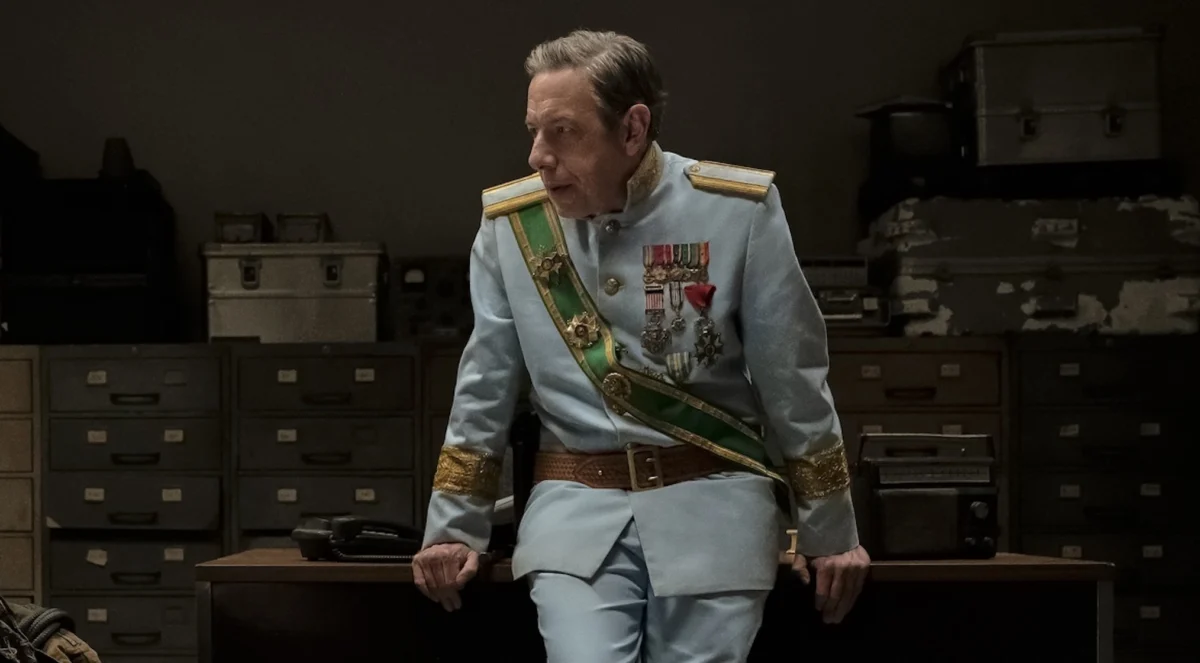
A focal point of the new series is the transformation of Barry Kripke. In the original series, Kripke was defined by his tenure-track battles at Caltech and his delight in Sheldon Cooper’s failures. In the alternate realities presented in the spinoff, Kripke’s ambition is given a much larger canvas. One specific timeline depicts Kripke as the "Supreme Leader of Pasadena," a totalitarian ruler in a post-apocalyptic empire.
John Ross Bowie, returning to the role after several years, noted that the character’s transition to a dictator felt like a "logical next step" in his evolution. The production team emphasized this shift through visual cues, including a specific costume color palette referred to on set as "Qaddafi Blue," signaling Kripke’s descent into corruption through absolute power. Bowie indicated that while Kripke was often viewed as a nuisance in the "Mothership" (the original show), the new series explores his darker impulses and provides a deeper look into what motivates his abrasive personality.
Production Timeline and Creative Direction
Stuart Fails to Save the Universe is the result of an intensive production cycle that lasted approximately four months. Unlike the filming of The Big Bang Theory, which followed a weekly sitcom schedule with a live studio audience, this spinoff was filmed as a single-camera serialized production. This allowed for more complex visual effects and diverse set locations, essential for a show that jumps between different dimensions.
The creative team behind the series includes franchise architects Chuck Lorre and Bill Prady. Their involvement ensures a level of continuity with the original series’ humor while venturing into what Bowie describes as "uncharted territory." The series aims to balance the "joke-forward" nature of a Lorre production with the high-stakes narrative requirements of modern sci-fi. This tonal shift is rare in television history, with Bowie drawing a parallel to the transition of Lou Grant from a half-hour sitcom (The Mary Tyler Moore Show) to a one-hour serious drama, though Stuart Fails to Save the Universe maintains a comedic core.
Supporting Data: The Big Bang Theory’s Lasting Impact
The decision to greenlight Stuart Fails to Save the Universe is supported by the massive, enduring popularity of the franchise. The Big Bang Theory concluded its 12-season run in 2019 with a finale that drew nearly 18 million viewers. Even years after its conclusion, the show remains a cornerstone of syndication and streaming platforms.

According to Nielsen data, the franchise has shown remarkable legs:
- Syndication Dominance: The original series frequently ranks as the most-watched off-network sitcom in the United States.
- Prequel Success: Young Sheldon, the first spinoff, maintained high ratings throughout its seven-season run, proving that audiences are invested in the broader lore of the characters.
- Streaming Value: Warner Bros. Discovery has prioritized "tentpole IP" for its Max platform, recognizing that established fan bases are more likely to subscribe for content related to familiar characters.
By focusing on characters like Stuart and Kripke, the producers are leveraging "secondary IP" that carries high recognition but offers fresh storytelling opportunities that do not require the massive salaries or scheduling commitments of the original lead cast.
Multiverse Trends and Cultural Context
The series enters the television market at a time when "multiverse" narratives are a dominant trend in popular culture, largely driven by the Marvel Cinematic Universe and the DC Extended Universe. However, Stuart Fails to Save the Universe seeks to carve out a niche by applying an absurdist, comedic lens to the concept of "parallel universe tourism."
The production design plays a crucial role in this world-building. For instance, the comic book shop—a staple location of the original series—undergoes visual and thematic changes in every episode to reflect the specific laws of the universe the characters are visiting. Producers have reportedly "peppered" these sets with Easter eggs, including modified comic book titles and references to past events in The Big Bang Theory, designed to reward long-term fans and encourage repeat viewings.
Broader Impact and Industry Implications
The launch of Stuart Fails to Save the Universe represents a strategic experiment for Warner Bros. Discovery and Chuck Lorre Productions. It tests whether a sitcom audience will follow familiar characters into a drastically different genre. If successful, it could provide a blueprint for other long-running sitcoms to expand their "universes" through genre-bending spinoffs rather than traditional reboots or direct sequels.
The show also provides a platform for veteran character actors. Kevin Sussman, who appeared in 84 episodes of the original series, and John Ross Bowie, who appeared in 25, are given the opportunity to lead a narrative that explores their characters’ psyches in ways a 22-minute ensemble sitcom never could. The inclusion of Lauren Lapkus and Brian Posehn further solidifies the show’s "nerd-culture" credentials, as both actors have significant footprints in the comedy and comic book communities.
Conclusion and Release Information
As the July 23 premiere date approaches, the industry is watching to see if the "Big Bang" brand can sustain its momentum in a serialized format. With a mix of absurdist humor, high-stakes sci-fi adventure, and a deep well of franchise lore, Stuart Fails to Save the Universe aims to satisfy the "thirst for other timelines" that John Ross Bowie believes currently exists in the cultural zeitgeist.
Fans can expect a series that is "odd" by design, embracing the weirdness of the multiverse while maintaining the character-driven comedy that made the original series a global phenomenon. Whether it is Kripke ruling Pasadena or Stuart finally finding a world where he isn’t a failure, the series promises a "robust and funny" expansion of a beloved television world. Stuart Fails to Save the Universe will be available for streaming exclusively on HBO Max.