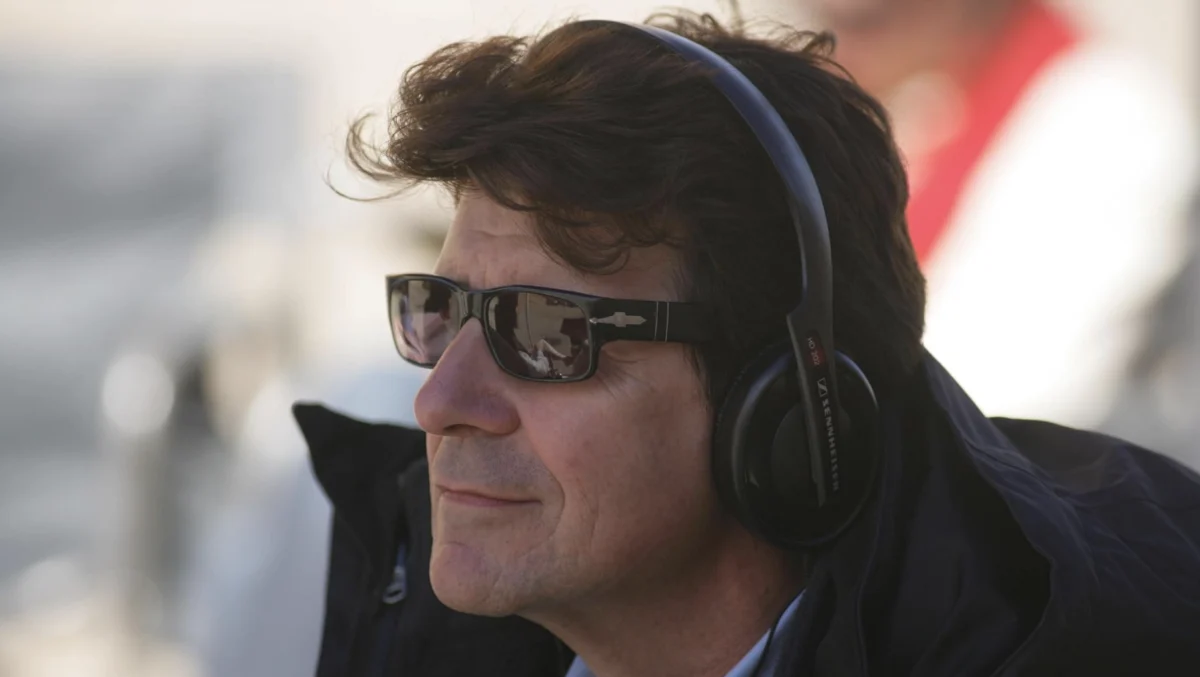
John Kirby, the esteemed acting coach whose profound influence shaped numerous performances across film and television, has passed away at the age of 75. His death on Wednesday, July 15, 2026, came three years after his diagnosis with Amyotrophic Lateral Sclerosis (ALS), a progressive neurodegenerative disease. The news of his passing was confirmed by his associate, Nathan Besbitt, who shared a heartfelt announcement on Instagram, reflecting the deep sorrow felt by those who knew and worked with Kirby. Besbitt’s statement, delivered with evident grief, conveyed the profound sense of loss, noting, “I am here to officially, with a broken heart, announce the passing of our beloved John on the early morning hours of Wednesday, July 15, and it has been devastating for all of us, and we’re trying to just find a way to cope.” Kirby leaves behind a formidable legacy as a mentor, an artist, and a pivotal figure in the development of many successful acting careers. His dedication to the craft and his ability to elicit authentic and compelling performances from his students earned him widespread respect within the demanding world of Hollywood.
A Life Dedicated to Performance: The Legacy of John Kirby
Born into a family deeply entrenched in the performing arts, John Kirby’s path to becoming one of Hollywood’s most respected acting coaches seemed almost preordained. His father, Bruce Kirby, was a prolific character actor known for his roles in productions like "The Muppet Movie" and various television series including "Columbo" and "L.A. Law." His brother, Bruno Kirby, also achieved considerable fame as an actor, delivering memorable performances in films such as "City Slickers," "Good Morning, Vietnam," and "When Harry Met Sally…". This rich familial tapestry provided John with an innate understanding of the industry and the nuanced demands of performance from an early age. While his family members excelled in front of the camera, John found his calling behind the scenes, dedicating his life to honing the skills of others.
Kirby’s career as an acting coach spanned decades, during which he cultivated a reputation for his insightful approach, unwavering commitment, and ability to delve deep into the psychological underpinnings of character. His methods were often described as transformative, pushing actors beyond their comfort zones to discover new dimensions within themselves and their roles. He believed in the power of truth in performance, guiding his students to connect with their characters on a visceral level, thereby imbuing their portrayals with authenticity and emotional resonance. This philosophy distinguished him in a competitive field, making him a sought-after mentor for both established stars and emerging talents. His influence extended beyond mere technical instruction; he was often a confidant, a motivator, and a guide through the intricate process of bringing a character to life. The mark of a truly great acting coach lies not just in the visible improvements in an actor’s performance, but in the subtle yet profound shifts in their understanding of their craft, and by all accounts, Kirby consistently achieved this with his pupils.
The Art of Coaching: Shaping Iconic Performances
John Kirby’s extensive list of coaching credits serves as a testament to his versatility and impact across diverse genres and productions. His work often involved intense character development, helping actors inhabit complex roles that required significant emotional depth or physical transformation. Among his notable coaching assignments outside his regular collaboration with Jim Caviezel, Kirby lent his expertise to a variety of beloved and critically acclaimed projects. In 2003, he contributed to the magical reimagining of J.M. Barrie’s classic tale in Peter Pan, helping the young cast navigate the fantastical elements of Neverland while maintaining genuine human emotions. His work on The Chronicles of Narnia: The Lion, the Witch and the Wardrobe further showcased his ability to guide actors through high-fantasy narratives, ensuring their performances grounded the epic story in relatable human experience.
Beyond fantasy, Kirby’s coaching touch was evident in diverse productions like the historical drama Outlander, where actors often grappled with period-specific mannerisms and intense emotional arcs. He also contributed to the horror genre with Scream 4, a film demanding a blend of terror, suspense, and self-aware humor from its cast. His credits also included teen-oriented films such as Stick It and Prom, demonstrating his capacity to work with younger actors on projects requiring authenticity in depicting adolescent experiences and emotions. Even in independent productions like Hotel California, Kirby’s dedication to the craft ensured that actors delivered nuanced and compelling portrayals, regardless of the scale of the project. This wide array of projects underscores his adaptability and the universal applicability of his coaching techniques, proving that a solid foundation in acting principles transcends genre boundaries. The consistency of his involvement in projects of varying scope and style speaks volumes about the trust and value placed upon his guidance by directors, producers, and actors alike.
A Deep Professional Bond: Collaborations with Jim Caviezel
One of the most enduring and significant professional relationships of John Kirby’s career was his extensive collaboration with actor Jim Caviezel. Their partnership spanned nearly two decades and more than a dozen projects, a rare feat in an industry often characterized by transient collaborations. This prolonged engagement speaks volumes about the profound trust and respect Caviezel had for Kirby’s coaching abilities, relying on him to prepare for some of his most challenging and iconic roles. The depth of their professional bond evolved into a deep personal friendship, a testament to the transformative nature of their work together.
Their collaborative filmography is impressive, showcasing Kirby’s integral role in shaping Caviezel’s performances across a wide spectrum of cinematic endeavors:
- Frequency (2000): This sci-fi thriller, where Caviezel played a detective communicating with his deceased father through a ham radio, demanded a nuanced portrayal of grief, longing, and hope. Kirby’s coaching likely helped Caviezel anchor his performance in emotional realism amidst a fantastical premise.
- Pay It Forward (2000): As a homeless drug addict, Caviezel’s role required a profound understanding of vulnerability and desperation. Kirby’s guidance would have been crucial in ensuring an authentic and empathetic portrayal.
- Angel Eyes (2001): In this romantic drama, Caviezel played a mysterious man with a traumatic past. The subtle complexities of his character’s internal struggles would have been meticulously crafted with Kirby’s input.
- The Count of Monte Cristo (2002): One of Caviezel’s most memorable roles, portraying Edmond Dantès’ epic journey of betrayal, imprisonment, and revenge. This physically and emotionally demanding role would have benefited immensely from Kirby’s coaching on character transformation and enduring resilience.
- High Crimes (2002): A legal thriller where Caviezel played a man accused of war crimes, requiring a performance that balanced ambiguity and conviction.
- I Am David (2003): Caviezel’s role as a mysterious man who helps a young boy escape from a communist labor camp demanded a quiet strength and a deep sense of moral purpose, likely refined through Kirby’s guidance.
- The Final Cut (2004): A science fiction film exploring memory and ethics, where Caviezel’s character navigates complex moral dilemmas, requiring a thoughtful and introspective performance.
- Bobby Jones: Stroke of Genius (2004): Portraying the legendary golfer Bobby Jones, Caviezel had to embody both the athletic prowess and the internal struggles of a historical figure. This role likely involved extensive work on physical presence and psychological depth.
- Unknown (2006): A thriller about a group of men who wake up with amnesia, forcing Caviezel to portray disorientation, fear, and a desperate search for identity.
- Paul, Apostle of Christ (2018): In a deeply spiritual and historical role, Caviezel played Luke, the loyal companion of Paul. This required a profound understanding of faith, compassion, and historical context, areas where Kirby’s coaching would have been invaluable.
Beyond these films, Kirby also served as Caviezel’s acting coach for the 2009 miniseries The Prisoner, a reimagining of the classic British series. The sheer volume and consistency of their work together underscore the depth of their professional bond and the significant impact Kirby had on Caviezel’s career. Their collaboration exemplified the powerful synergy that can develop between an actor and a dedicated coach, transforming performances and leaving a lasting imprint on cinematic history.
A Family Legacy in Entertainment
John Kirby’s journey into the world of acting and coaching was deeply influenced by his family’s established presence in the entertainment industry. His father, Bruce Kirby, was a venerable character actor with a career spanning over six decades. Known for his distinctive voice and ability to portray a wide range of roles, often as policemen, judges, or working-class figures, Bruce Kirby graced both the big and small screens. His memorable appearances included roles in iconic television shows such as Columbo, where he frequently played Sergeant Kramer, as well as MASH, The Rockford Files, L.A. Law, and The Golden Girls. On the film front, he was recognizable in movies like The Muppet Movie (1979), Airplane! (1980), and Stand by Me* (1986). Bruce Kirby’s enduring career showcased the dedication and craft that ran in the family.
John’s brother, Bruno Kirby, also carved out a distinguished career as an actor, often playing energetic, fast-talking, and sometimes neurotic characters. Bruno became a beloved presence in Hollywood, particularly noted for his roles in critically acclaimed films. His performance as Lieutenant Hauk in Barry Levinson’s Good Morning, Vietnam (1987) opposite Robin Williams, and as the loyal best friend Jess in Rob Reiner’s When Harry Met Sally… (1989) with Billy Crystal and Meg Ryan, are among his most celebrated. He also delivered a memorable turn as the cynical cowboy Ed in City Slickers (1991) alongside Jack Palance and Billy Crystal. Other notable credits include The Godfather Part II (1974), This Is Spinal Tap (1984), and Donnie Brasco (1997). The early passing of Bruno Kirby in 2006 at the age of 57 from complications related to leukemia was a significant loss to the industry. The collective contributions of Bruce, Bruno, and John Kirby illustrate a remarkable family legacy, with each member leaving an indelible mark on different facets of the entertainment world. John, through his coaching, played a crucial, albeit often behind-the-scenes, role in shaping the very performances that his father and brother, and countless others, brought to life.
The Battle with Amyotrophic Lateral Sclerosis (ALS)
John Kirby’s final years were marked by a courageous battle against Amyotrophic Lateral Sclerosis (ALS), a cruel and relentless neurodegenerative disease also known as Lou Gehrig’s disease. ALS is characterized by the progressive degeneration of motor neurons, nerve cells in the brain and spinal cord that control voluntary muscle movement. As these motor neurons die, the brain loses its ability to initiate and control muscle movement, leading to muscle weakness, atrophy, and eventually, paralysis. The disease gradually impairs a person’s ability to speak, swallow, breathe, and move, while typically leaving cognitive functions intact. The average life expectancy after diagnosis is typically two to five years, though some individuals live longer.
Kirby’s journey with ALS began with the onset of symptoms approximately a year before his formal diagnosis. The specific date of his diagnosis was confirmed on June 7, 2023, following a significant health event. Just a week prior, on June 1, 2023, he suffered a severe fall that resulted in a hip fracture. This incident likely accelerated the diagnostic process, bringing his underlying neurological symptoms into sharper focus during medical evaluations. The period between experiencing initial symptoms and receiving a definitive diagnosis can often be prolonged for ALS patients, as the disease’s early signs can mimic other conditions. Once diagnosed, the reality of living with a progressive, incurable illness set in, necessitating specialized care and support.
During his battle, John Kirby received significant support from his close circle, including Jim Caviezel, whose long-standing professional and personal relationship with Kirby was evident. Caviezel spearheaded a fundraising campaign through Hark ALS, a non-profit organization dedicated to supporting individuals battling ALS. The "Jim Caviezel for John Kirby ALS Battle Costs" initiative was established to help cover the extensive medical and care expenses associated with the disease. Such campaigns highlight the immense financial burden ALS places on individuals and their families, often requiring specialized equipment, in-home care, and significant adjustments to living environments. The act of publicly soliciting support for Kirby underscored the deep respect and affection his colleagues held for him, recognizing his immense contributions to their careers and to the industry as a whole. This collective effort provided Kirby with crucial assistance during a profoundly challenging period, allowing him to focus on his well-being while facing the debilitating effects of ALS.
Remembering a Mentor: Tributes and Memorial
The announcement of John Kirby’s passing resonated deeply within the acting community, prompting an outpouring of grief and remembrance for a figure who had touched so many lives. While specific public statements from many of his former students or collaborators are yet to emerge at the time of this article, the initial confirmation from Nathan Besbitt conveyed the immediate and profound sense of loss. Besbitt’s heartfelt message, shared on social media, served as an emotional testament to Kirby’s impact, describing the situation as "devastating for all of us" and acknowledging the struggle to "find a way to cope." This sentiment is undoubtedly echoed by the numerous actors, directors, and industry professionals who benefited from Kirby’s wisdom and guidance over his long career. The act of Jim Caviezel initiating a fundraiser for Kirby’s ALS battle further underscored the deep personal connection and respect he commanded, illustrating that his influence extended far beyond professional boundaries into genuine friendship and camaraderie.
In honor of John Kirby’s life and enduring legacy, a public celebration of life has been scheduled. The memorial service will be held on Thursday, August 15, 2026, at the Hall of Liberty Forest Lawn Hollywood Hills. This event will provide an opportunity for family, friends, colleagues, and the wider public to gather, share memories, and pay tribute to a man who dedicated his life to the art of performance. Forest Lawn Hollywood Hills is a historic and iconic location, often chosen for the memorials of entertainment industry figures, making it a fitting venue for commemorating Kirby’s significant contributions. The decision to open the service to the public reflects the broad reach of his influence and the desire to allow all who were touched by his work, directly or indirectly, to participate in celebrating his remarkable life. It will be a moment to reflect on his profound impact, not just on individual careers, but on the very fabric of storytelling in film and television.
The Enduring Impact of an Unsung Hero
John Kirby’s passing marks the end of an era for many in Hollywood, particularly those who understood the quiet yet monumental role of an acting coach. Often working outside the spotlight, coaches like Kirby are the unsung heroes of the industry, meticulously shaping performances that captivate audiences and define careers. Their contributions are fundamental, transforming raw talent into polished artistry, helping actors find the truth and depth in their characters, and guiding them through the psychological and emotional landscapes of their roles. Kirby’s legacy is not just in the list of films and television shows he worked on, but in the nuanced expressions, authentic emotions, and memorable portrayals delivered by the actors he mentored. Every compelling performance that benefited from his guidance stands as a testament to his profound skill and dedication.
His work also highlights the collaborative nature of filmmaking, where success is often the result of a collective effort, with each specialist contributing their unique expertise. Kirby’s career served as a bridge between the creative vision of directors and the interpretative skills of actors, ensuring that both elements converged to create impactful storytelling. As the industry mourns his loss, it will undoubtedly reflect on the invaluable role he played in elevating the craft of acting. Beyond his professional achievements, John Kirby will be remembered for his kindness, his passion, and his unwavering belief in the potential of every actor he encountered. His contributions will continue to resonate through the work of his students, ensuring that his influence on the art of performance endures for generations to come. The industry has lost a master craftsman, a true artist who, through his coaching, helped countless others shine brighter.