Filmmaker Joey Wu marks his feature debut with "Bird of Paradise," a compelling dramedy that intricately weaves together the disciplines of pole dancing with a profound narrative of self-discovery and female emancipation. The film, a testament to Wu’s keen visual sensibilities honed during his prior career in advertising as an art specialist, showcases a polished visual style and meticulous attention to design that elevates its storytelling. "Bird of Paradise" gained early recognition as the winning project in the Higher Education Institution Group of the prestigious First Feature Film Initiative (FFFI), signaling its potential as a significant new voice in contemporary cinema. The highly anticipated film is now set to make its international premiere, gracing the screens of the esteemed New York Asian Film Festival (NYAFF).
Filmmaker’s Vision and Genesis: From Advertising to Cinematic Artistry
Joey Wu’s transition from the dynamic world of advertising to feature filmmaking is a journey that profoundly influences "Bird of Paradise." His background as an art specialist in advertising instilled in him a deep understanding of visual communication, aesthetic composition, and meticulous design – skills that are distinctly evident in the film’s sophisticated cinematography and overall production value. This expertise allows Wu to craft a visually striking narrative that not only tells a story but also immerses the audience in Amy’s evolving world. The film’s aesthetic polish ensures that even its most intimate moments are rendered with artistic precision, reflecting a deliberate choice to use visual language as a key storytelling component.
The First Feature Film Initiative (FFFI), a cornerstone program designed to nurture emerging talent in Hong Kong cinema, played a pivotal role in bringing "Bird of Paradise" to fruition. Established by Create Hong Kong and administered by the Hong Kong Film Development Council, the FFFI aims to identify and support new directors by providing funding, mentorship, and a structured pathway for their first commercial feature films. The initiative is divided into groups, often categorizing projects by the director’s background or the scale of the production. Winning in the Higher Education Institution Group signifies that Wu’s project, likely developed within an academic or institutional framework, demonstrated exceptional artistic merit and commercial viability to a panel of industry veterans. This endorsement not only provides crucial financial backing but also lends significant credibility, opening doors for festival selections and distribution opportunities. For a debut director, an FFFI win is often a springboard, offering the essential resources and exposure needed to navigate the challenging landscape of independent filmmaking.
A Deep Dive into the Narrative: Amy’s Journey of Liberation
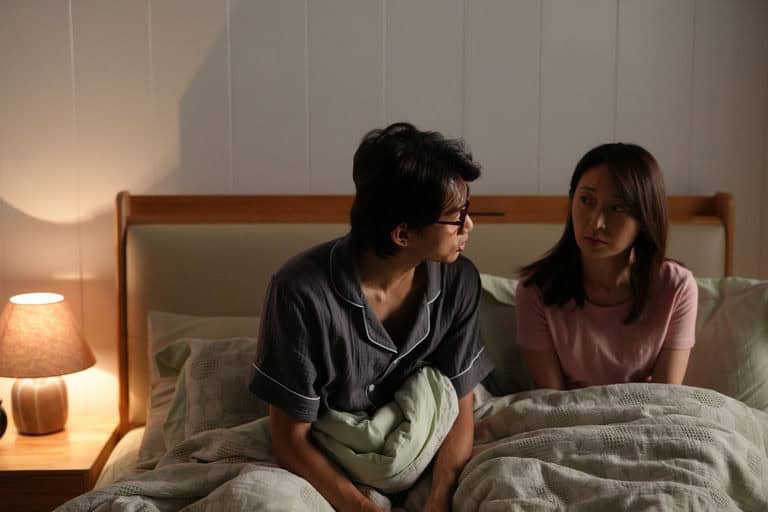
At the heart of "Bird of Paradise" is Amy (portrayed by Catherine Chau), a Hong Kong housewife seemingly ensnared in the rigid routines of an ordinary middle-class existence. Her days are meticulously structured around the needs of her family: preparing breakfast according to her husband’s strict meal plan, tending to household chores, and operating within a domestic sphere that offers little room for personal expression or leisure. Her husband (Peter Chan Charm-man), a teacher, and their teenage son, who attends his father’s school, represent the anchors of her conventional life. Amy’s portrayal paints a poignant picture of a woman increasingly feeling undervalued and disconnected, particularly from her husband, who appears to have lost interest in their relationship on multiple levels.
In stark contrast to Amy’s subdued reality is her mother (Elaine Jin), a vibrant and free-spirited character who embraces life with zest. Unburdened by the same societal constraints, Amy’s mother enjoys a life of leisure, marked by carefree holidays and younger companions, embodying a different philosophy of living. Her desire for Amy to find similar happiness underscores a generational and temperamental divide between the two women, highlighting differing approaches to navigating personal fulfillment.
The catalyst for Amy’s transformation arrives serendipitously through the discovery of an unusual fitness class: pole dancing. Initially hesitant, Amy timidly joins, embarking on a journey into a physically demanding yet artistically expressive dance form. This secret endeavor becomes her clandestine escape, a space where she can reclaim her body and spirit away from the scrutinizing gaze of her family. Her fear of her husband’s disapproval and her son’s potential embarrassment adds layers of tension and secrecy to her newfound passion. The narrative takes an unexpected turn when Amy discovers that one of her pole dancing classmates is Shan, a schoolgirl who also happens to be her son Hui Cheuck Hang’s love interest. The secret inevitably unravels when Hui Cheuck Hang arrives to pick up Shan after class, leading to an unforeseen encounter with his mother, setting the stage for the film’s central conflict and its exploration of societal judgment versus personal liberation.
Thematic Resonance: Pole Dancing as a Symbol of Empowerment
Joey Wu’s "Bird of Paradise" endeavors to inject fresh vitality into the familiar trope of the housewife-emancipation dramedy by strategically employing pole dancing as its core narrative device. Historically, pole dancing has been inextricably linked with strip clubs and exotic performance, often carrying a strong social stigma. However, in recent decades, its perception has undergone a significant transformation. It has evolved into a globally recognized legitimate sport, a demanding fitness discipline, and a respected performance art form. This modern recontextualization highlights its unique blend of dance, acrobatics, strength training, and artistic expression, attracting a diverse community of practitioners worldwide.
The film leverages this evolving perception, positioning pole dancing as the perfect conduit for Amy’s frustrated spirit. For Amy, it represents more than just physical exercise; it becomes an outlet for repressed emotions, a means to reclaim her physicality, and a defiant act against the societal expectations that have confined her. The inherent provocativeness of pole dancing, especially in a conservative Hong Kong context, serves to unsettle her traditional husband and challenge the entrenched norms of her family and community. This choice of a central motif not only provides a visually dynamic element but also grounds the film’s exploration of female agency in a powerful, contemporary cultural phenomenon.
Global Stage: The Significance of the New York Asian Film Festival
The selection of "Bird of Paradise" for the New York Asian Film Festival (NYAFF) underscores the film’s international appeal and its relevance within the broader landscape of global cinema. NYAFF is one of North America’s premier showcases for contemporary Asian cinema, celebrated for its eclectic programming that spans established masterpieces, daring independent films, and innovative directorial debuts. The festival’s mission is to introduce groundbreaking Asian films to Western audiences, fostering cultural exchange and celebrating the diversity of storytelling emerging from Asia. Its long-standing reputation as a launchpad for Asian filmmakers seeking international recognition makes its inclusion a significant milestone for Joey Wu and "Bird of Paradise."
NYAFF’s audience, comprised of cinephiles, industry professionals, and members of the Asian diaspora, provides an ideal platform for the film to engage with critical discourse and find a receptive viewership. The festival’s programming often highlights films that challenge conventions, explore social issues, and present unique cultural perspectives, aligning perfectly with the thematic concerns of "Bird of Paradise." This exposure not only enhances the film’s profile but also contributes to the ongoing dialogue about female empowerment, societal pressures, and artistic expression within a global context.
Analyzing the Film’s Execution and Critical Reception
While "Bird of Paradise" boasts a promising premise, aiming to revitalize a well-worn genre, its execution, according to early critical assessments, presents a mixed bag. The film’s strength lies in its innovative use of pole dancing as a vehicle for emancipation. However, some elements of the narrative and character development appear to fall short of fully realizing the story’s profound potential.
A key point of contention for critics revolves around the portrayal of Amy’s family. Her husband and mother, while serving distinct narrative functions, are often depicted with broad strokes, verging on caricatures rather than fully fleshed-out individuals. The dull, conservative husband and the flamboyant, free-spirited mother, though designed to create stark contrasts, occasionally lack the nuanced depth that would make their interactions and reactions more impactful. Consequently, the anticipated "meaningful transformation" for Amy, while present, is perceived by some as only partially delivered, suggesting a missed opportunity for a deeper exploration of her internal and external struggles.
One of the most compelling and "fresh aspects" of "Bird of Paradise" is its insightful exploration of the generational divide. The film skillfully contrasts the attitudes of teenagers like Shan and her friends, who largely appear unfazed by the lingering stigma associated with pole dancing and are comfortable with physical expression, against the more conservative views of their parents’ generation, who still regard it as inappropriate or scandalous. This dynamic provides a rich subtext, highlighting the evolving social landscape and the shifting norms around body positivity and unconventional forms of self-expression.
Despite pole dancing being central to the narrative, critics note that its visual representation within the film feels surprisingly underutilized. The demanding and visually striking nature of the discipline, combining grace, strength, and artistry, could have been showcased more extensively. While the end credits reportedly feature impressive choreographies performed by what appear to be professional pole dancers (presumably the classmates of Amy in real life), the film itself, including the climactic performance at the final school recital, offers only brief glimpses. This stylistic choice, whether intentional or not, leaves some viewers wanting more of the visual spectacle and symbolic power that pole dancing inherently offers.
Performances and Character Nuances
Catherine Chau delivers a sympathetic and engaging performance as Amy. Her portrayal successfully conveys Amy’s initial quiet desperation, her timid exploration of a new world, and her gradual blossoming, making it easy for audiences to root for her journey of self-discovery. Chau effectively navigates the emotional complexities of a woman seeking liberation from societal and personal constraints, grounding the film’s central message.
In contrast, the character of Amy’s husband is arguably the weakest link in the narrative chain. Peter Chan Charm-man, an actor known for his subtle comic timing in films such as the "Table for 6" duology and Fruit Chan’s "Three Husbands," appears to be somewhat miscast in this role. His perceived youthfulness for the character, combined with a struggle to convey the stern, conservative, and emotionally distant persona the script demands, renders his eventual transformation less convincing. This particular casting choice highlights the challenge of balancing an actor’s established strengths with the specific requirements of a dramatic role.
Elaine Jin, meanwhile, embodies the familiar role of the frivolous grandmother with considerable warmth and charisma. Despite the potential for the character to become a stereotype, Jin infuses her performance with enough charm to rise above the limitations of her written role, ensuring that audiences develop an affection for her, regardless of her character’s conventional arc. Her presence provides a vital counterpoint to Amy’s initial repression, offering a glimpse into an alternative, more liberated way of life.
Broader Implications and Cultural Context
"Bird of Paradise" resonates beyond its immediate narrative, tapping into broader discussions about female agency in Asian societies. In many traditional Asian cultures, including Hong Kong, women often face immense pressure to conform to prescribed roles as dutiful wives and mothers. Amy’s journey challenges these deeply ingrained expectations, offering a nuanced commentary on the silent struggles many women endure and their quiet acts of rebellion in pursuit of personal fulfillment. The film subtly critiques patriarchal structures that can stifle individual growth and artistic expression, while simultaneously celebrating the courage it takes to break free.
The film’s focus on pole dancing also contributes to a global dialogue about challenging stereotypes and reclaiming narratives. By presenting pole dancing as a legitimate art form and a powerful tool for empowerment, "Bird of Paradise" joins a growing number of cultural works that seek to dismantle outdated perceptions and celebrate diverse forms of physical and artistic expression. This contributes to a larger movement of re-educating the public about the athleticism, artistry, and liberating potential of pole dance.
Conclusion: A Light-Hearted Message with Lingering Potential
Despite its acknowledged shortcomings in fully realizing its ambitious premise, "Bird of Paradise" emerges as a pleasant and light-hearted entertainment film. While some critics feel it never quite "spreads its wings" to its full potential, it nevertheless delivers a charming and universally resonant message of self-discovery and the importance of pursuing one’s passions, even in the face of societal disapproval. Joey Wu’s directorial debut, supported by the FFFI and showcased at NYAFF, marks him as a promising new voice in Asian cinema, capable of crafting visually appealing narratives that explore significant social themes. The film serves as a reminder that even partially explored potential can still yield an enjoyable and thought-provoking cinematic experience, leaving audiences with a heartwarming tale of a woman finding her own "bird of paradise" amidst the routines of everyday life.