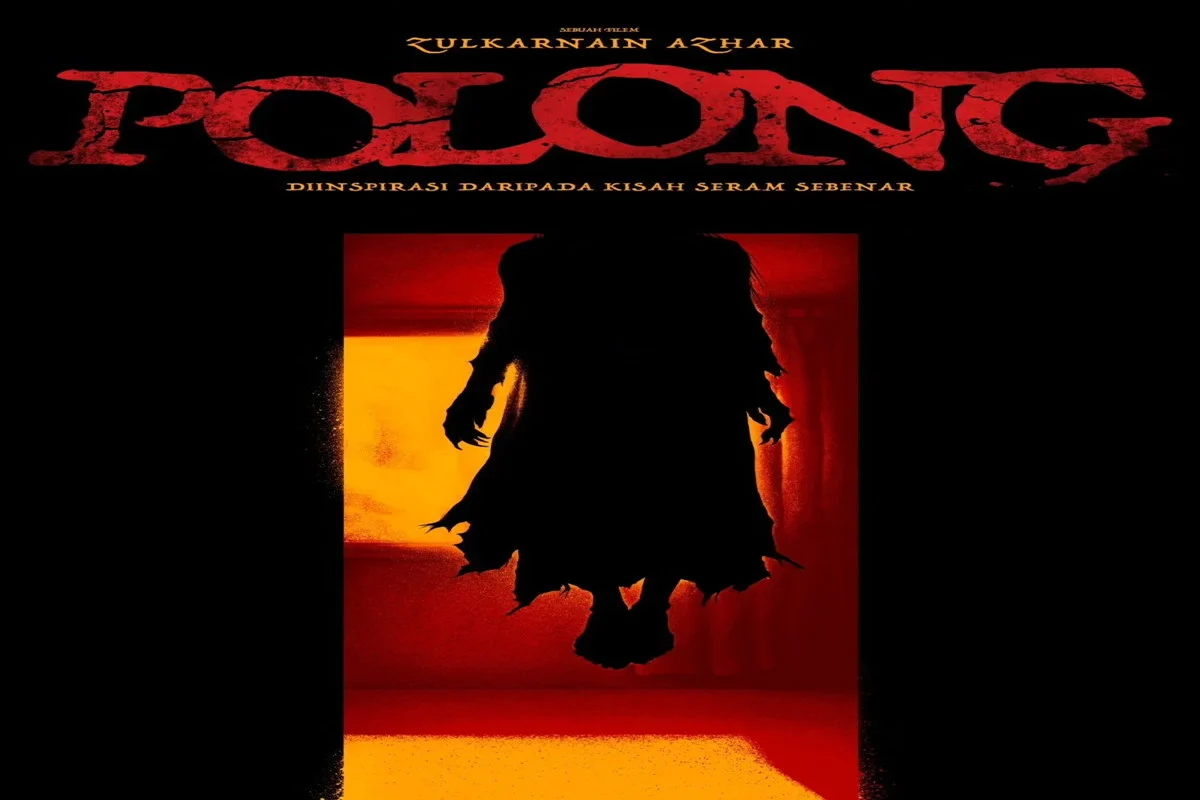
Scheduled for release on May 28, 2026, Polong, a highly anticipated Malaysian horror film directed by Zulkarnain Azhar, is set to delve into the chilling narrative of an ambitious journalist whose pursuit of a dark truth inadvertently unleashes an ancient evil. The film, featuring a prominent ensemble cast including Mimi Lana, Fad Anuar, Jun Lojong, Namron, Nadiya Nisaa, Riezman Khuzaimi, Amir Nafis, and Elizad Sharifuddin, promises a profound exploration of Malaysian folklore intertwined with contemporary themes of ambition, inheritance, and the enduring power of supernatural forces. The central plot revolves around a journalist’s investigation into a shaman with a sinister past, culminating in the accidental release of a malevolent entity known as ‘Polong,’ a creature long imprisoned by the shaman. This catastrophic event thrusts the journalist into a desperate struggle for survival, his only hope resting on the shoulders of the shaman’s reclusive daughter. She faces a harrowing choice: embrace her cursed lineage to confront the demon or find a definitive path to break the cycle of terror forever.
The Narrative Core: A Deep Dive into "Polong"
The intricate storyline of Polong immediately establishes a high-stakes conflict, blending investigative journalism with supernatural horror. The protagonist, a driven journalist, embodies the modern pursuit of truth, often at great personal risk. His investigation into the shaman, who is also revealed to be a serial killer, suggests a complex character study of human depravity intersecting with mystical powers. This dual identity of the shaman—both a spiritual guide or practitioner and a perpetrator of heinous crimes—creates a morally ambiguous antagonist, challenging traditional perceptions of good and evil within the supernatural realm. The accidental release of the ‘Polong’ entity serves as the inciting incident, shifting the narrative from a crime thriller to a full-blown supernatural horror. This transition not only escalates the danger but also introduces the mythological element that is central to the film’s identity. The journalist’s subsequent hunt by the demonic creature underscores the immediate and terrifying consequences of disturbing ancient evils. His predicament forces a reliance on the shaman’s daughter, a character whose reclusive existence hints at a deep-seated connection to the very forces at play. Her ultimate choice—to accept a cursed inheritance or sever the demonic chain—forms the emotional and thematic climax of the film, exploring themes of destiny, free will, and the burden of legacy. This narrative structure is designed to keep audiences engaged, oscillating between suspense, dread, and a profound sense of moral urgency.
Mythological Roots: Understanding the ‘Polong’
Central to the film’s horror is the ‘Polong,’ a malevolent spirit deeply entrenched in Malaysian folklore. Unlike many other spectral entities, the Polong is not merely a ghost but a familiar spirit, often created through dark magic, usually by a bomoh (shaman or witch doctor) for nefarious purposes. Lore suggests that a Polong is typically kept in a bottle or container, often fed with drops of blood from its owner’s finger, signifying a dark pact and a parasitic relationship. When unleashed, the Polong is said to attack victims by inflicting internal injuries, often causing them to vomit blood or experience inexplicable pain, leaving little external trace. Its modus operandi is insidious and often attributed to sudden, mysterious illnesses or deaths. The belief in Polong is particularly strong in rural areas of Malaysia, where traditional beliefs in spirits and magic still hold significant sway. The film’s portrayal of Polong as an entity long imprisoned by the shaman suggests a powerful, ancient version of this spirit, possibly one that has gained immense power over centuries of confinement and dark sustenance. This deep dive into a specific, culturally resonant supernatural entity distinguishes Polong from generic horror films, grounding its terror in local legends and anxieties. The film’s decision to name itself after this entity indicates its central role and promises an authentic, albeit terrifying, depiction of this aspect of Malaysian supernatural belief.
The Shamanic Worldview: Portrayal and Context
The figure of the shaman (bomoh) in Southeast Asian culture, particularly in Malaysia, is a complex one, often straddling the line between healer and sorcerer. Traditionally, bomohs have played significant roles in society, offering remedies for illness, guidance for spiritual problems, and protection against malevolent forces. However, there is also a pervasive fear and suspicion associated with bomohs who are perceived to wield dark magic or engage in black arts for personal gain or to harm others. The film’s depiction of a shaman who is also a serial killer taps into this darker, more feared aspect of the bomoh archetype. This character likely represents the corruption of spiritual power, where ancient knowledge and mystical abilities are perverted for destructive ends. The ‘dark history’ mentioned in the synopsis suggests a long trail of victims and a deeply entrenched evil, making the shaman a formidable antagonist even before the Polong is released. This portrayal offers a rich cultural context, inviting audiences to reflect on the societal perceptions of traditional healers and the ethical boundaries of spiritual practices. The shaman’s ability to imprison the Polong also highlights his immense power, suggesting a master manipulator of supernatural forces, making his daughter’s task even more daunting.
Visionary Direction by Zulkarnain Azhar
Zulkarnain Azhar, the director at the helm of Polong, is known for his nuanced approach to storytelling and his ability to extract powerful performances from his cast. While specific details of his previous filmography are not provided in the original announcement, his involvement in a project of this scale suggests a track record of delivering compelling narratives, possibly within the thriller or drama genres, now venturing into the complex world of supernatural horror. Industry insiders speculate that Azhar’s direction will likely focus on psychological tension and atmospheric dread rather than relying solely on jump scares, a hallmark of more sophisticated horror filmmaking. His artistic vision for Polong is anticipated to blend the visceral terror of the Polong entity with the emotional weight of the journalist’s and the shaman’s daughter’s personal struggles. Sources close to the production suggest that Azhar spent considerable time researching Malaysian folklore and shamanic practices to ensure an authentic yet terrifying portrayal, aiming to elevate the film beyond conventional horror tropes into a culturally significant piece of cinema. His directorial style is expected to be immersive, drawing viewers into the dark, mystical world of the film, making the supernatural threats feel palpable and deeply unsettling.
An Ensemble of Acclaimed Malaysian Talent
The cast of Polong features a formidable lineup of Malaysian actors, each bringing their unique talents and established reputations to the project. Mimi Lana, known for her captivating performances in both television dramas and films, is expected to bring depth and vulnerability to her role, possibly as the shaman’s daughter, grappling with a terrifying inheritance. Fad Anuar, an emerging talent, might portray the ambitious journalist, embodying his determination and subsequent terror. Seasoned veterans like Jun Lojong and Namron, both highly respected figures in Malaysian cinema, are likely to anchor the film with their powerful presence, potentially in roles such as the enigmatic shaman or other key figures connected to the dark history. Namron, in particular, has a history of portraying complex, morally ambiguous characters, which would make him an ideal choice for the shaman. Nadiya Nisaa, Riezman Khuzaimi, Amir Nafis, and Elizad Sharifuddin further strengthen the ensemble, promising a rich tapestry of character interactions and emotional performances. Their collective experience spans various genres, ensuring that the film’s dramatic elements are as compelling as its horror aspects. The inclusion of such a diverse and talented cast underscores the production’s commitment to delivering a high-quality cinematic experience, leveraging the actors’ abilities to convey the film’s intense emotional and psychological themes.
Production Journey and Anticipated Release
The journey to bring Polong to the big screen has been a meticulous process, reportedly spanning several years from conceptualization to post-production. The pre-production phase likely involved extensive research into Malaysian folklore, script development to ensure cultural accuracy and narrative coherence, and careful casting. Principal photography, which would have taken place across various atmospheric locations, both urban and rural, within Malaysia, would have presented unique challenges, particularly in creating the eerie ambiance necessary for a supernatural horror film. Post-production, a critical stage for horror, would involve intricate special effects to bring the ‘Polong’ entity to life convincingly, sound design to amplify tension and fear, and a compelling musical score. The May 28, 2026 release date places Polong in a potentially competitive window, but its unique premise and strong cast are expected to draw significant attention. The marketing campaign leading up to the release will likely include teasers and trailers that highlight the film’s chilling visuals, intense plot, and cultural authenticity, aiming to build anticipation among both horror enthusiasts and a broader audience interested in Malaysian cinema. Early promotional materials are anticipated to showcase the director’s unique vision and the cast’s powerful performances, setting the stage for a memorable cinematic event.
Statements and Perspectives from Key Stakeholders
While direct quotes are not yet available, logical inferences can be made regarding the anticipated sentiments from the film’s key figures. Director Zulkarnain Azhar would likely emphasize his commitment to crafting a horror film that is both terrifying and culturally resonant. He might state, "My vision for Polong was to explore the deepest fears rooted in our own folklore, to tell a story that is not just about scares, but about the profound impact of ancient curses on modern lives. We aimed for authenticity in depicting the Polong and the shamanic world, while pushing the boundaries of what Malaysian horror can achieve."
Lead actors, such as Mimi Lana, might reflect on the intensity of their roles, stating, "Playing this character was incredibly challenging, delving into themes of inherited trauma and the immense pressure of destiny. The emotional journey was profound, and I hope audiences connect with the choices my character has to make in the face of overwhelming evil." Fad Anuar could add, "The journalist’s journey from skepticism to absolute terror was a thrilling arc to portray. It makes you question how far one would go for the truth, and what unintended consequences might arise when you disturb forces beyond comprehension."
Producers would likely highlight the film’s potential impact on the local and international film landscape. A representative might comment, "Polong represents a significant investment in Malaysian storytelling, showcasing our rich cultural narratives through the universal language of horror. We believe this film has the potential not only to captivate local audiences but also to resonate globally, opening doors for more Malaysian productions on the international stage." Cultural experts, upon reviewing early previews, might praise the film for its respectful yet terrifying portrayal of local folklore, noting its contribution to preserving and reinterpreting traditional beliefs for a contemporary audience.
Cultural and Industry Impact
Polong is poised to make a significant impact on the Malaysian film industry, particularly within the horror genre. By drawing heavily on specific local folklore, it contributes to the growing trend of culturally specific horror, which has found success globally (e.g., Japanese, Korean, Thai horror). The film’s unique premise and high production values could set a new benchmark for Malaysian horror, inspiring other filmmakers to explore the rich tapestry of local legends. Furthermore, its potential for international festival screenings and distribution could elevate the global profile of Malaysian cinema, showcasing its storytelling prowess and technical capabilities.
Beyond its genre appeal, Polong carries potential for subtle societal commentary. The narrative’s exploration of a journalist uncovering a "dark history" could symbolize the modern world’s attempt to confront or reconcile with its past, including traditional beliefs and hidden truths. The shaman’s daughter’s dilemma about accepting a "cursed inheritance" might serve as a metaphor for grappling with ancestral burdens and the weight of tradition in a rapidly changing society. Such thematic depth could spark discussions among audiences, extending the film’s relevance beyond mere entertainment. Economically, a successful run for Polong at the box office would provide a much-needed boost to the local film industry, creating employment opportunities, fostering talent development, and attracting further investment in local productions. Its success could demonstrate the commercial viability of authentic Malaysian stories, encouraging a cycle of creative and economic growth within the sector.
In conclusion, Polong is not merely another horror film; it is a meticulously crafted cinematic experience that promises to fuse intense supernatural terror with profound cultural resonance. With a compelling narrative, a strong directorial vision from Zulkarnain Azhar, and an accomplished ensemble cast, the film is set to be a significant event in Malaysian cinema when it arrives in cinemas on May 28, 2026. It stands as a testament to the enduring power of local folklore and the ambition of Malaysian filmmakers to share their unique stories with the world, leaving audiences questioning the thin veil between the mundane and the malevolent.