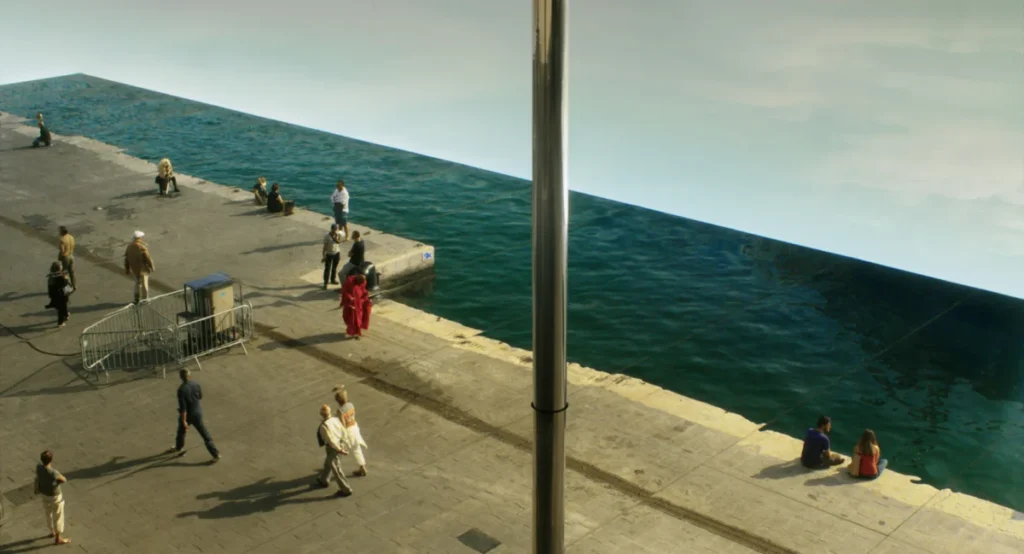
Taipei, Taiwan – The 28th Taipei Film Awards culminated in a prestigious ceremony on July 12, 2026, at the historic Taipei Zhongshan Hall, where the documentary "The Dance of A Soloist" was bestowed with the coveted Grand Prize, the evening’s highest honor. The jury lauded the film for its remarkable ability to weave together personal family narratives with the intricate history of ethnomusicology, presented through a gentle and restrained visual aesthetic. This victory not only marks a significant achievement for the documentary genre but also underscores the Taipei Film Awards’ enduring commitment to recognizing profound storytelling and artistic innovation across all cinematic forms.
A Legacy of Cinematic Celebration: The Taipei Film Awards at 28 Years
The Taipei Film Awards, a cornerstone event within the larger Taipei Film Festival, has, since its inception in 1999, served as a vital platform for showcasing and celebrating the richness and diversity of Taiwanese cinema. Now in its 28th edition, the festival has evolved into one of the most respected cinematic showcases in Asia, fostering local talent, promoting cultural exchange, and bringing groundbreaking films to wider audiences. Its mission extends beyond mere competition, aiming to stimulate critical discourse, encourage experimentation, and solidify Taipei’s position as a vibrant hub for filmmaking. The awards ceremony itself is the pinnacle of weeks of screenings, industry forums, and workshops, drawing filmmakers, critics, and enthusiasts from around the globe.
The unique structure of the Taipei Film Awards distinguishes it from many other festivals. Initially, juries select winners across four major categories: Narrative Feature, Documentary, Short Film, and Animation. These category winners then proceed to compete for the ultimate accolade, the Grand Prize. This tiered selection process ensures that each film recognized for the top honor has already demonstrated excellence within its specific genre, elevating the prestige of the Grand Prize even further. "The Dance of A Soloist" exemplifies this rigorous selection, having first secured the Best Documentary award before ultimately claiming the festival’s top honor. This dual recognition speaks volumes about the film’s profound impact and artistic mastery.
"The Dance of A Soloist": A Deep Dive into Heritage and Memory
The triumph of "The Dance of A Soloist" as the Grand Prize winner is particularly noteworthy, given the increasing prominence of documentary filmmaking in Taiwan. The jury’s commendation for its "gentle and restrained visual style" suggests a nuanced approach that eschews overt dramatics in favor of contemplative observation. This stylistic choice likely allowed the complex interplay between individual memory and the broader historical context of ethnomusicology to unfold organically, creating a deeply immersive and emotionally resonant experience for viewers. Ethnomusicology, a field dedicated to the study of music from cultural and social perspectives, often involves extensive archival research, field recordings, and interviews. The film’s success in connecting this academic discipline with personal family histories likely offered a unique and accessible entry point for audiences to engage with a potentially niche subject.
The film’s exploration of family memories within such a specific academic framework implies a rich tapestry of cultural heritage, personal identity, and the passage of time. It likely delves into how music, traditions, and historical events are preserved, transmitted, and reinterpreted across generations. This thematic depth, combined with its lauded visual artistry, positions "The Dance of A Soloist" not just as a successful film but as an important cultural artifact, contributing to the ongoing dialogue about identity and history in Taiwan and beyond. Its win will undoubtedly bring increased attention to Taiwanese documentary filmmaking, encouraging further investment and exploration in the genre.
Category Victories: A Panorama of Taiwanese Cinematic Talent
Beyond the Grand Prize, the 28th Taipei Film Awards celebrated excellence across the foundational categories, showcasing the breadth of talent currently shaping Taiwanese cinema.
Best Narrative Feature: "A Foggy Tale"
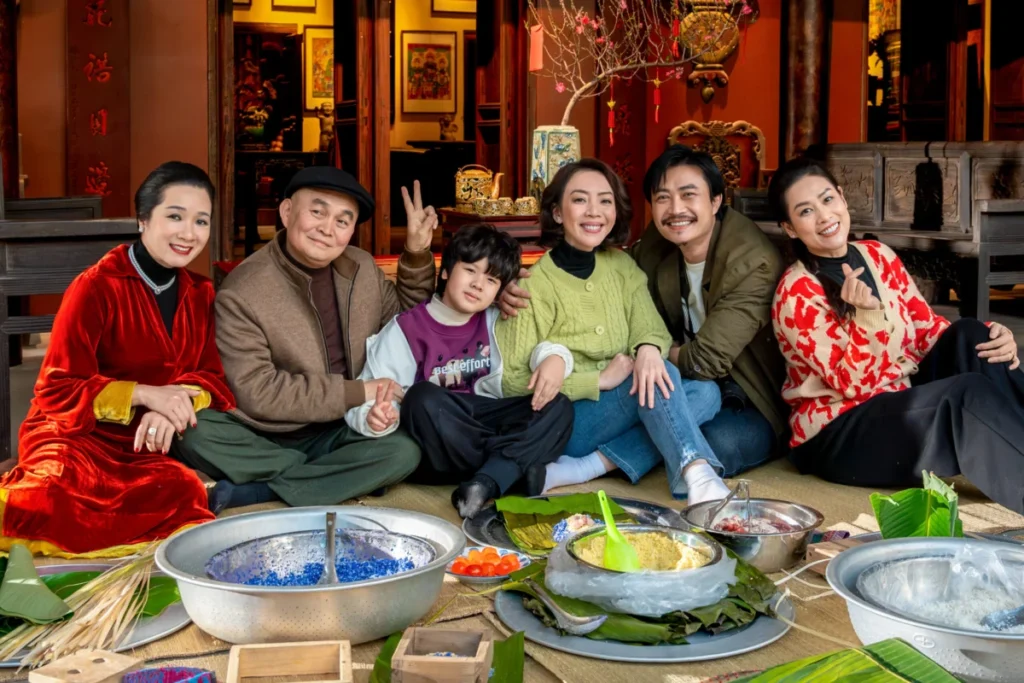
The award for Best Narrative Feature went to "A Foggy Tale," a film that, based on its title, likely delves into themes of ambiguity, mystery, or perhaps a reflective journey through obscured truths. The narrative feature category is often considered the heart of a film festival, and "A Foggy Tale"’s victory suggests a strong command of storytelling, character development, and cinematic craft. Its win positions it as a significant work within contemporary Taiwanese drama, potentially sparking further critical analysis and public interest. The link provided in the original text suggests this film has already garnered attention, and this award will undoubtedly amplify its reach, both domestically and internationally.
Best Short Film: "Somewhere In Time, Stone and River"
"Somewhere In Time, Stone and River" was honored with Best Short Film. Short films are crucial incubators for emerging talent, often serving as powerful proofs of concept or intimate artistic expressions. The evocative title hints at themes of memory, nature, and the passage of time, suggesting a poetic and visually rich narrative. The win for this film highlights the vibrant short film scene in Taiwan, which consistently produces innovative and emotionally resonant works, often by directors who will go on to shape the future of feature filmmaking.
Best Animation: "Praying Mantis"
The award for Best Animation was presented to "Praying Mantis." Taiwanese animation has a growing presence on the global stage, often blending traditional aesthetics with modern techniques and compelling narratives. "Praying Mantis" likely impressed the jury with its artistic vision, technical execution, and perhaps its unique storytelling approach. Animated films frequently offer distinct avenues for creative expression, tackling complex themes through imaginative visual language. This win reinforces the strength and originality within Taiwan’s animation sector.
Acting Prowess Illuminated: Liu Kuan-ting and Lin Yi-ting Take Top Honors
The individual acting categories at the Taipei Film Awards are fiercely contested, recognizing the nuanced performances that bring characters to life. This year, the awards shone a spotlight on two exceptional talents.
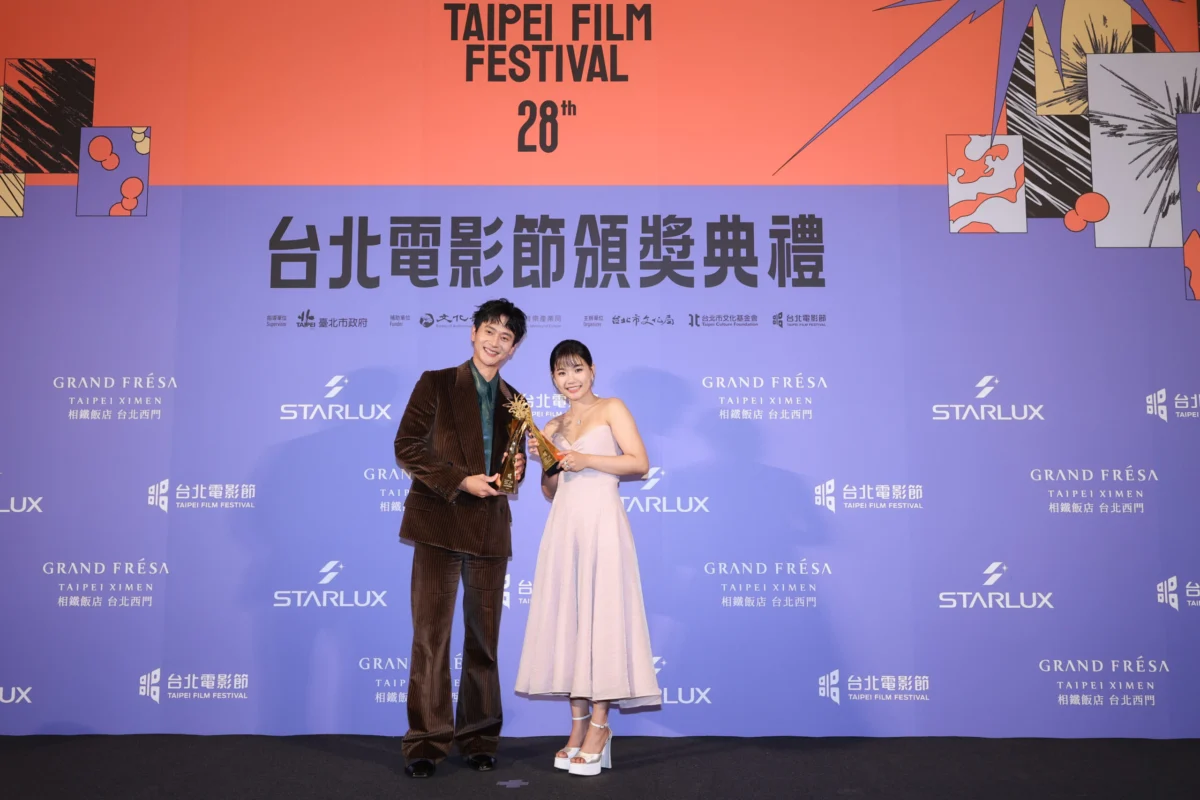
Best Actor: Liu Kuan-ting for "Double Happiness"
Liu Kuan-ting received the Best Actor award for his compelling performance in "Double Happiness." The jury’s commendation highlighted his exceptional ability to portray a "complex character filled with contradictions and emotional depth." This praise suggests a performance that transcended surface-level acting, delving into the intricate psychological landscape of his role. His mastery of "subtle expressions and carefully controlled performance choices" allowed him to capture the character’s "emotions, struggles, and vulnerability" with remarkable authenticity.
Upon accepting his award, Liu Kuan-ting delivered a heartfelt speech that resonated with humility and dedication. "Thank you to everyone who might have seen some talent in me," he began, acknowledging those who believed in his potential. His subsequent reflection, "To be honest, I’ve never felt like I possessed any special talent, so all I can do is keep working harder and harder, hoping not to let down those who believe in me," offered a candid glimpse into the mindset of a dedicated artist. This statement not only endeared him to the audience but also underscored the intense effort and continuous self-improvement that underpins successful acting careers. His win for "Double Happiness" will undoubtedly elevate his profile, leading to more diverse and challenging roles in the future.
Best Actress: Lin Yi-ting for "A Dance With Rainbows"
Lin Yi-ting was honored with the Best Actress award for her role in "A Dance With Rainbows." The jury specifically praised her "natural screen presence and precise performance," noting how she seamlessly combined "physical intensity during competition scenes with delicate emotional details in everyday moments." This description suggests a versatile performance that demanded both physical rigor and profound emotional intelligence, often a hallmark of truly outstanding acting. Her ability to navigate between high-stakes physical sequences and intimate, character-driven moments speaks to a remarkable command of her craft.
In her acceptance speech, Lin Yi-ting offered an inspiring message to aspiring dreamers: "Never give up on what you love. Because somewhere in this world, someone will see you shining brightly one day because of your hard work." This sentiment encapsulates the perseverance often required in the demanding film industry and serves as a powerful testament to the rewards of dedication. Her recognition for "A Dance With Rainbows" will undoubtedly solidify her position as a leading actress in Taiwanese cinema, paving the way for further critical acclaim and significant roles.
Acknowledging the Pillars: Supporting Roles and Outstanding Contributions
The Taipei Film Awards also meticulously recognize the crucial contributions of supporting actors and those who work tirelessly behind the scenes, ensuring the entire ecosystem of filmmaking thrives.
Best Supporting Actor: Tin Kai-man for "Double Happiness"
The Best Supporting Actor award went to Tin Kai-man for his role in "Double Happiness," marking a second acting win for the film. The jury lauded his "relaxed and natural performance," emphasizing how he infused the role of an "optimistic father" with "warmth, humour, and emotional depth." Supporting actors are often the unsung heroes of a film, providing essential context, emotional grounding, and comedic relief that elevate the lead performances. Tin Kai-man’s ability to create a memorable and impactful character, even in a supporting capacity, underscores his significant talent and experience. His portrayal likely offered a vital counterpoint or emotional anchor within the film’s narrative.
Best Supporting Actress: Chen Xue-zhen for "The Waves Will Carry Us"
Chen Xue-zhen received the Best Supporting Actress award for her compelling performance in "The Waves Will Carry Us." Her win was particularly distinguished by the jury’s praise for her ability to "overcome linguistic and cultural challenges through precise use of accent, rhythm, and emotional expression." This level of detailed craftsmanship allowed her to create a "detailed and memorable portrayal of a Malaysian Chinese character." Such a performance requires not only acting skill but also deep cultural immersion and linguistic precision, making her achievement all the more commendable. Her work exemplifies the dedication actors undertake to authentically embody diverse characters, bridging cultural divides through their art.
The Unsung Heroes: Outstanding Contribution Award
This year’s Outstanding Contribution Award was presented to the Taiwan Film & Culture Association, a fitting tribute to an organization that plays an indispensable role in the preservation and promotion of Taiwanese cinematic heritage. Director Shen Ko-shang presented the award, acknowledging the profound impact of such foundational institutions. Venus Chen, the executive director of the association, accepted the honor, delivering a poignant speech that highlighted the often-overlooked efforts of those working away from the limelight.
"We are usually the group of people closest to the cinema but furthest from the applause," Chen stated, articulating the reality for countless professionals in film archives, restoration, and cultural outreach. Her words resonated deeply, underscoring the vital, yet often invisible, labor that sustains the film industry. "Thank you so much to the Taipei Film Festival for this Outstanding Contribution Award. It recognizes the 365 days of hard work by our staff, and most importantly, this award allows everyone to see those of us who work behind the scenes." This recognition by the Taipei Film Festival is a powerful gesture, bringing much-deserved attention to the meticulous and passionate work that ensures films are preserved, studied, and made accessible for future generations.
Chen also extended her gratitude to the legendary director Hou Hsiao-hsien, acknowledging his pivotal role in founding the association and his continuing inspiration to generations of filmmakers. Hou Hsiao-hsien, a towering figure in global cinema, has not only created masterpieces but also championed the infrastructure necessary for a thriving film culture. His foresight in establishing the association speaks to a deep commitment to the longevity and intellectual richness of Taiwanese cinema. The award to the Taiwan Film & Culture Association thus celebrated not only its current staff but also the visionary leadership that laid its foundations, ensuring that the legacy of Taiwanese film continues to be cherished and advanced.
Implications and Future Outlook for Taiwanese Cinema
The 28th Taipei Film Awards signal a vibrant and dynamic period for Taiwanese cinema. The Grand Prize win for a documentary like "The Dance of A Soloist" highlights a growing appetite for non-fiction storytelling that tackles complex cultural and historical themes with artistic sophistication. This could encourage more filmmakers to explore the rich tapestry of Taiwan’s heritage through the documentary lens. The strong performances recognized in both lead and supporting categories suggest a deep pool of acting talent capable of delivering nuanced and impactful portrayals. The consistent recognition of high-quality narrative features, short films, and animations further reinforces the creative strength across all genres.
Moreover, the emphasis on cultural preservation through the Outstanding Contribution Award underscores a holistic approach to cinematic development – one that values not just new creations but also the safeguarding of past achievements. This balance is crucial for building a sustainable and historically conscious film industry. The Taipei Film Awards, through its thoughtful selection process and commitment to diverse storytelling, continues to play an indispensable role in shaping the direction and international perception of Taiwanese cinema, ensuring its unique voice resonates globally.
For those seeking a comprehensive understanding of the 28th Taipei Film Awards, including a full list of winners, detailed festival records, and insights from post-screening Q&A sessions, the official Taipei Film Festival website serves as the definitive resource: https://www.taipeiff.taipei/en/.