As the 2026 FIFA World Cup reaches its climactic final stages, Major League Soccer (MLS) has unveiled its most ambitious marketing initiative to date, a multi-platform campaign designed to transform the current global soccer fever into long-term domestic growth. Labeled as the largest coordinated promotional effort in the league’s 33-year history, the campaign seeks to position MLS as the natural destination for the millions of North American viewers currently captivated by the international tournament. With an audacious tagline, “Thanks World, We’ll Take It From Here,” the league is signaling a shift in confidence, asserting its readiness to lead the sport’s cultural and commercial evolution in the United States and Canada.
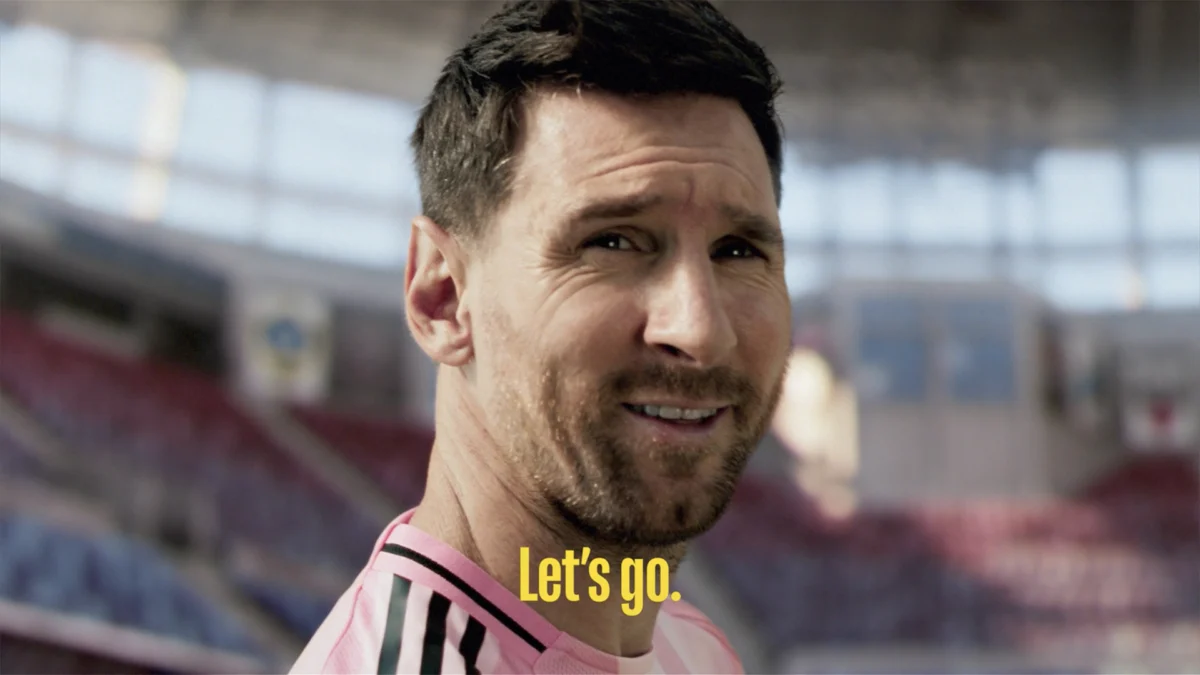
The initiative leverages an unprecedented assembly of star power, drawing on both the athletes on the pitch and the high-profile figures in the owners’ boxes. The campaign features Inter Miami CF megastar Lionel Messi and LAFC’s Son Heung-Min, alongside a roster of celebrity owners including David Beckham (Inter Miami), Matthew McConaughey (Austin FC), Magic Johnson (LAFC), and Kevin Durant (Philadelphia Union). By blending world-class athletic talent with Hollywood and sporting royalty, MLS aims to bridge the gap between niche sports interest and mainstream entertainment culture.
Strategic Timing and the "World Cup Effect"
The decision to launch this campaign during the World Cup semifinals and final is a calculated move to capture an audience that has reached record-breaking proportions. Recent viewership data indicates that the 2026 tournament has been a transformative event for broadcasters Fox and Telemundo. The blockbuster match between Mexico and England alone drew over 44 million viewers across linear television and streaming platforms, rivaling the viewership numbers typically reserved for the NFL.
For MLS, the 2026 World Cup represents a full-circle moment. The league was famously established as a condition of the United States hosting the 1994 World Cup. While the 1994 event served as the league’s foundation, the 2026 iteration is being viewed as the propellant intended to launch MLS into the top tier of global professional leagues. Radhika Duggal, Chief Marketing Officer of MLS, emphasized that the league’s primary objective is "fan retention" following the conclusion of the international tournament.
“The FIFA World Cup is going to bring millions of new fans into the game, and our job is to make sure their soccer journey doesn’t end when the tournament does,” Duggal stated. She noted that the campaign is designed to demonstrate the weekly availability of high-level soccer, local community engagement, and a continuous narrative that fans can follow year-round, rather than once every four years.
A Multi-Channel Cultural Blitz
The campaign is not limited to traditional television commercials. It represents a comprehensive integration into digital, social, streaming, and "out-of-home" advertising. A significant component of the strategy involves a partnership with Apple TV, the league’s exclusive global broadcast partner. Since the commencement of the 10-year, $2.5 billion deal with Apple, the league has focused heavily on high-definition production and a unified streaming experience via the MLS Season Pass.
To further permeate the cultural zeitgeist, MLS has collaborated with Amazon Music to release an exclusive original cover of the iconic Tribe Called Quest song, “Can I Kick It?” The new version was produced by the legendary DJ Premier and features vocals from Samara Cyn. This musical integration is intended to align the league with urban culture, hip-hop history, and a younger demographic that views soccer through the lens of lifestyle and fashion as much as athletic competition.
In addition to the digital and musical elements, the league is implementing a massive grassroots "onboarding" program. Out of the 30 MLS clubs, 22 are participating in a “first match on us” promotion. This initiative offers free tickets to newcomers, removing the financial barrier to entry and encouraging fans who have only watched soccer on television to experience the atmosphere of a live professional match.
Historical Growth and League Evolution
To understand the scale of this campaign, one must look at the trajectory of MLS over the last three decades. From its inaugural season in 1996 with just 10 teams, the league has expanded to 30 clubs, with San Diego FC set to begin play in 2025. The league’s infrastructure has also undergone a revolution, moving from playing in oversized American football stadiums to 26 soccer-specific venues that offer intimate, European-style atmospheres tailored to the sport.
The arrival of Lionel Messi in 2023 served as a precursor to the current marketing blitz. His presence alone resulted in a surge in Apple TV+ subscriptions and record-breaking ticket prices across the country. However, league executives recognize that the "Messi Effect" must be converted into a "League Effect." By featuring other international stars like Son Heung-Min alongside Messi, the campaign emphasizes that the league’s quality and appeal extend beyond a single individual.
Camilo Durana, Executive Vice President and Chief Business Officer of MLS, highlighted the league’s readiness for this transition. “At a defining moment for soccer in North America, MLS is turning global excitement into lasting engagement and connection,” Durana said. He noted that as the World Cup inspires a new generation of fans, the clubs are prepared to welcome them as the domestic season resumes, ensuring there is no "off-season" for soccer interest in the region.
Data and Economic Implications
The financial stakes for this campaign are significant. MLS has seen its average club valuation rise to nearly $600 million, with top-tier clubs like LAFC and Inter Miami exceeding the $1 billion mark. By capitalizing on the World Cup, the league aims to increase its media rights value and sponsorship revenue.
The viewership figures from the current World Cup provide a roadmap for potential growth. With the U.S. national team drawing NFL-level ratings, the demand for high-stakes soccer in North America has never been higher. The challenge for MLS has historically been capturing the "Europhile" soccer fan—those who live in the U.S. but primarily watch the English Premier League or the UEFA Champions League. The "Thanks World" campaign is a direct address to these fans, suggesting that the domestic product is now a viable and exciting alternative.
The inclusion of celebrity owners like Magic Johnson and Kevin Durant also serves an economic purpose. These individuals bring expertise in sports marketing and brand building from the NBA and NFL, two leagues that MLS aspires to rival in terms of cultural dominance. Their involvement signals to investors that MLS is a high-growth asset with significant upside potential.
Analysis of the "Thanks World" Tagline
The tagline “Thanks World, We’ll Take It From Here” has been characterized by industry analysts as a bold statement of American exceptionalism in the context of global sport. It serves two purposes: first, it acknowledges the World Cup as a gift to the domestic market, and second, it asserts a level of maturity for MLS.
Historically, American soccer has been viewed by the global community as a developing project. By claiming they will "take it from here," MLS is signaling that the era of development is over and the era of leadership has begun. This confidence is backed by the league’s unique structure, which emphasizes parity and financial stability, and its massive investment in youth academies, which are now producing talent that competes at the highest levels in Europe.
Future Outlook and Sustainability
The success of the campaign will be measured in the months following the World Cup final. Key performance indicators will include MLS Season Pass subscription growth on Apple TV, stadium attendance for the remainder of the 2026 season, and social media engagement metrics.
However, the broader implication is the permanent shift in the North American sports landscape. For decades, the "Big Four" (NFL, NBA, MLB, and NHL) have dominated the conversation. This marketing push, timed with the world’s largest sporting event, is the most concerted effort yet to turn the "Big Four" into a "Big Five."
As the domestic season resumes, the 30 clubs will be tasked with delivering an on-field product that matches the high-octane energy of the World Cup. With new fans entering the ecosystem through free ticket promotions and cultural touchpoints like the Amazon Music collaboration, the league is betting that the 2026 World Cup will be remembered not just as a great international tournament, but as the moment Major League Soccer became a permanent pillar of American culture.
The campaign will continue to roll out across all linear and digital platforms through the end of the year, ensuring that the momentum generated during the World Cup final is sustained well into the MLS playoffs and the 2027 season. Through this massive investment, MLS is making it clear that while the World Cup may be a temporary visitor to North American shores, professional soccer is here to stay, and it is ready to take center stage.