The GLAAD Media Award-nominated documentary podcast series Finding Fire Island is officially returning for a second season, with its premiere scheduled for June 11. Following a critically acclaimed debut season that explored the broader cultural landscape of the iconic New York vacation destination, the upcoming installment narrows its focus to the Pines, a specific enclave on the island known for its architectural significance, high-profile social scene, and historical reputation for exclusivity. Created, executive produced, and narrated by Jess Rothschild, the series aims to move beyond the superficial imagery of summer parties to examine the intricate social structures and the dedicated community that maintains the island’s unique atmosphere.
The second season arrives at a time of renewed interest in LGBTQ+ historical preservation. By partnering with the Pines Historical Society, Rothschild has secured access to rare archival footage and primary source accounts that document the evolution of the Pines from a remote coastal settlement into a global epicenter of queer culture. The production team has indicated that the new episodes will "dive behind the music and lore," offering a granular look at the individuals—from world-renowned artists to the service workers and long-term residents—who have collectively shaped the identity of the Pines over several decades.
A Legacy of Exclusivity and Community
Fire Island, a thin barrier island off the coast of Long Island, has served as a sanctuary for the LGBTQ+ community for nearly a century. While Cherry Grove was the first section to establish itself as a haven for queer expression in the 1930s and 40s, the Pines emerged later, in the 1950s, with a distinct aesthetic and social character. Historically, the Pines has been associated with a more affluent demographic, characterized by its modernist architecture—most notably the work of architect Horace Gifford—and its rigorous social hierarchies.
Season 2 of Finding Fire Island seeks to deconstruct these narratives. While the "fantasy" of the Pines is often defined by its legendary circuit parties and "Low Tea" social hours, the podcast intends to highlight the labor and resilience required to sustain such an environment. The inclusion of the Pines Historical Society as a co-producer ensures that the storytelling is grounded in factual record, utilizing diaries, photographs, and audio recordings that have seldom been shared with the public.
The Evolution of the Narrative: From Season 1 to Season 2
The first season of Finding Fire Island, which debuted in mid-2023, set a high bar for digital storytelling within the LGBTQ+ space. It featured a roster of contemporary queer icons, including Margaret Cho, Joel Kim Booster, and Matt Rogers, and focused on the general allure of the island as a "gay mecca." It explored the intersection of the island’s history with modern media, such as the 2022 Searchlight Pictures film Fire Island.
The transition to Season 2 represents a shift toward a more specialized ethnographic study. By focusing exclusively on the Pines, Rothschild is able to explore the nuances of a community that has often been perceived as a monolith. The chronological focus of the new season spans several eras: the post-war development of the 1950s, the hedonistic liberation of the 1970s, the devastating impact of the HIV/AIDS epidemic in the 1980s and 90s, and the modern-day challenges of environmental preservation and generational shifts.
A Multi-Generational Cast of Contributors
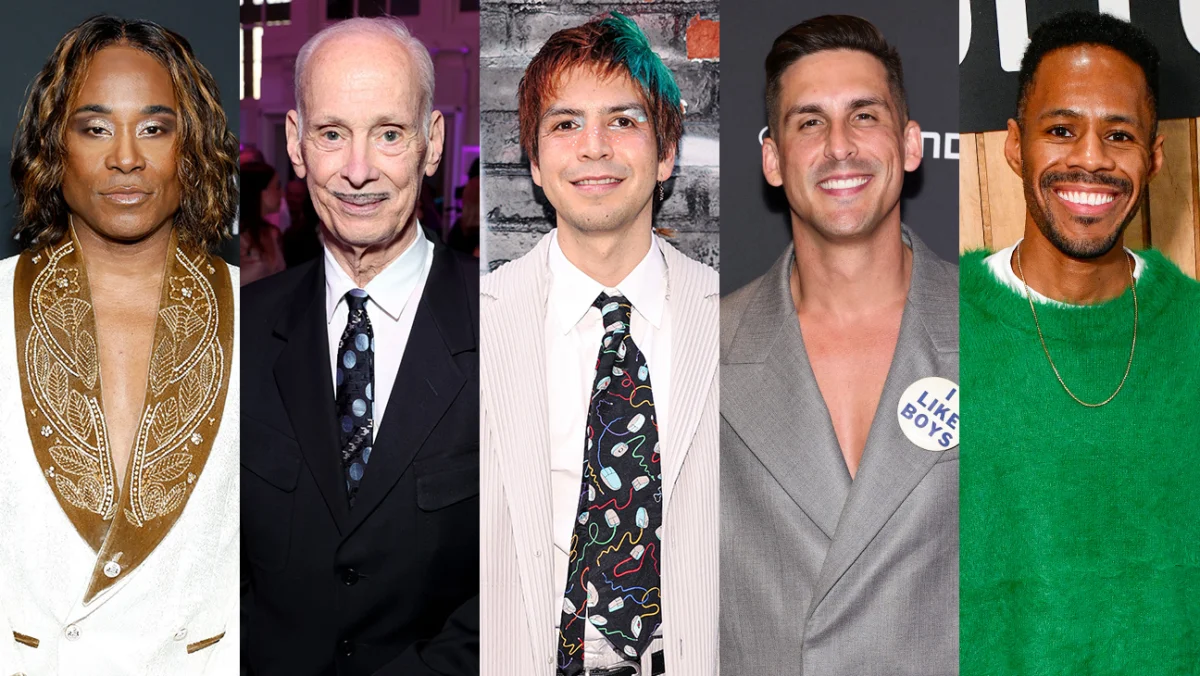
To provide a comprehensive view of the Pines, the production has assembled a diverse group of contributors whose experiences span various decades and disciplines. The guest list for Season 2 includes:
- John Waters: The legendary filmmaker and "Pope of Trash," known for his transgressive cinema and long-standing connection to queer counterculture.
- Billy Porter: The Emmy, Tony, and Grammy-winning performer whose work has been instrumental in bringing Black queer narratives to the forefront of mainstream media.
- Julio Torres: The surrealist comedian, writer, and actor whose unique perspective offers a contemporary lens on the island’s eccentricities.
- Jerry Mitchell: The Tony-winning Broadway producer and choreographer who has been a staple of the New York creative community for decades.
- Cody Rigsby: The Peloton instructor and media personality who represents the modern, fitness-centric culture that has become synonymous with certain segments of the Pines population.
- Lina Bradford: A legendary deejay whose career has spanned the height of the New York club scene and the evolution of the island’s nightlife.
- Susan Morabito and Robbie Leslie: Veteran Fire Island deejays who provided the soundtrack to the island’s most transformative eras.
- Jay Jurden: A rising star in the stand-up comedy world, providing a fresh comedic take on the island’s social dynamics.
The inclusion of these voices allows the podcast to function as an oral history project. For example, the reflections of veteran deejays like Robbie Leslie provide insight into how the music of the Pines reflected the political and social anxieties of the time, particularly during the height of the AIDS crisis when the dance floor served as a site of both mourning and resistance.
The Archival Mission and the Pines Historical Society
The collaboration with the Pines Historical Society is a cornerstone of the second season’s production strategy. Founded to preserve the unique cultural and architectural heritage of the area, the Society maintains a vast collection of materials that document the community’s growth.
Jess Rothschild has emphasized that her interest in the project is deeply personal, rooted in her own identity as a gay person growing up in New York. She has described Fire Island as "intrinsically formative" to her development. Over the years, Rothschild has methodically collected interviews with figures who are central to the island’s history, recognizing that many of the stories of the older generation are at risk of being lost. This season serves as a repository for those narratives, ensuring that the "behind-the-scenes" reality of the Pines is preserved alongside its more famous myths.
Chronology of Production and Distribution
The rollout of Finding Fire Island Season 2 follows a strategic schedule designed to coincide with the peak of the summer season and Pride Month:
- June 11: Premiere of the first two episodes.
- Weekly thereafter: Subsequent episodes will be released every Tuesday.
- Distribution: The series is distributed via the Broadway Podcast Network, a platform specializing in theater and performing arts-related content. It will be available across all major streaming services, including SiriusXM, YouTube, Spotify, Apple Podcasts, and Amazon Music.
This wide distribution network reflects the growing demand for high-production-value documentary podcasts. As the medium matures, audiences are increasingly seeking content that offers both entertainment and historical depth, a niche that Rothschild has successfully occupied with her previous work, including the podcast Hot Takes & Deep Dives and the docuseries Cult of Body & Soul.
Analysis of Implications: Preservation in a Digital Age
The return of Finding Fire Island highlights a broader trend in the LGBTQ+ community: the transition from physical spaces to digital archives. As the Pines faces the dual threats of climate change—specifically rising sea levels and coastal erosion—and the gentrification of its social scene, the documentation of its history becomes a matter of urgency.
The podcast serves several critical functions:
- Cultural Continuity: By connecting younger visitors (represented by guests like Cody Rigsby and Julio Torres) with the "elders" of the island (like John Waters and Robbie Leslie), the series fosters a sense of lineage. It educates new generations on the struggles and triumphs that made the current "fantasy" of the Pines possible.
- Architectural Appreciation: Through the lens of the Pines Historical Society, the podcast draws attention to the modernist heritage of the island. The preservation of Horace Gifford’s timber-framed houses is not just an aesthetic concern but a historical one, as these structures represent a specific philosophy of living in harmony with nature and one’s community.
- Economic and Social Critique: By addressing the "exclusivity" of the Pines, the series touches on the complex intersections of race, class, and gender within the queer community. It examines how a space intended as a refuge can also become a site of gatekeeping, providing a nuanced look at the politics of belonging.
- The Impact of Digital Media on Tourism: Podcasts like Finding Fire Island serve as cultural ambassadors. They contribute to the "myth-making" of the destination, potentially influencing tourism patterns and the way the island is marketed to a global audience.
Broader Cultural Context
Fire Island occupies a unique place in the American imagination. It is a location that has been immortalized in the literature of Andrew Holleran, the photography of Bill Cunningham, and the music of the disco era. However, much of the mainstream representation of the island has historically been filtered through a white, cisgender, male lens.
The second season of Finding Fire Island appears poised to broaden this perspective. By featuring voices like Billy Porter and Lina Bradford, the series acknowledges the contributions of Black and Trans individuals who have often been sidelined in the official histories of the Pines. This inclusivity is vital for a project that seeks to "keep the fantasy alive," as the fantasy itself is evolving to be more representative of the entire LGBTQ+ spectrum.
As the first two episodes prepare to drop on June 11, the series stands as a testament to the power of oral history. In an era where physical landmarks can be fleeting, the recorded voice remains a permanent marker of existence. For the residents and visitors of the Pines, Finding Fire Island is more than just a podcast; it is a digital monument to a community that has navigated decades of change while remaining a beacon of queer identity.