The annual financial disclosure filed by Donald Trump on Tuesday evening provides a comprehensive window into the sprawling financial interests of the former president, detailing a year characterized by significant earnings from the entertainment industry, massive legal settlements with media conglomerates, and a complex web of global investments. The document, which spans nearly 1,000 pages, underscores the unique intersection of Trump’s political career and his long-standing presence in American popular culture. According to the filing, Trump’s income over the past year was bolstered by eight-figure licensing deals, residuals from decades-old television appearances, and tens of millions of dollars resulting from the resolution of high-profile legal disputes with major technology and media firms.
The Melania Media Project and Amazon MGM Partnership
One of the most prominent entries in the disclosure involves the documentary film Melania, which was released by Amazon MGM Studios in late January. The filing reveals that a license agreement for the film generated $10.7 million in income for the former president. This figure clarifies ongoing speculation regarding the compensation surrounding the project, which focuses on the life and role of the former First Lady. In addition to the film licensing, the disclosure notes a $521,000 payment associated with an accompanying memoir published by Skyhorse Publishing.
The relationship with Amazon MGM appears to extend beyond the documentary. The filing lists a receivable from the studio valued between $250,001 and $500,000. While the document does not explicitly state the source of this receivable, industry analysts suggest it likely pertains to ongoing residuals from The Apprentice. Amazon MGM currently owns the rights to the reality television franchise and continues to license it to international markets. Furthermore, reports indicate that director Brett Ratner has been developing a follow-up docuseries to Melania, though it has yet to be released. Amazon is estimated to have paid approximately $40 million for the rights to the initial film project, signaling a significant investment in content related to the Trump family.
Windfalls from Media and Technology Settlements
Beyond direct entertainment earnings, the disclosure highlights a series of substantial financial settlements resulting from lawsuits filed by Trump against prominent media and technology companies. These settlements represent a significant influx of capital, much of which has been earmarked for charitable or civic purposes.
The filing details the following settlements:
- Meta: $24.5 million, pledged to the Donald J. Trump Presidential Library Foundation.
- YouTube: $22 million, pledged to the Trust for the National Mall.
- ABC: $16 million, pledged to the Donald J. Trump Presidential Library Foundation.
- Paramount: $16 million, pledged to the Donald J. Trump Presidential Library Foundation.
- X (formerly Twitter): $8 million.
These settlements stem from a variety of legal challenges initiated by Trump, often involving allegations of censorship, defamation, or breach of contract. The redirection of these funds toward the Presidential Library and the maintenance of the National Mall suggests a strategic effort to utilize legal victories to fund his post-presidential legacy projects.
Hollywood Residuals and Labor Union Pensions
The financial disclosure serves as a reminder of Trump’s extensive history as a media personality prior to his entry into politics. The document lists residuals from a diverse array of film and television appearances. While many of these payments are categorized as "de minimis"—indicating relatively small sums—they reflect a decades-long footprint in the Screen Actors Guild (SAG) and the American Federation of Television and Radio Artists (AFTRA).
Among the programs and films listed are ABC’s The View, Warner Bros. Discovery’s Suddenly Susan and Two Weeks Notice, Paramount’s Spin City, and NBCUniversal’s The Associate and The Little Rascals. Additionally, payments between $200 and $1,000 were recorded for his roles in the cult classic Zoolander and the HBO series Sex and the City. Trump also continues to draw from his entertainment industry pensions, reporting a SAG pension of $77,808 and an AFTRA pension of $8,724 for the reporting period.
Investment Portfolio and Corporate Interests
The disclosure provides a granular look at Trump’s stock and bond holdings, revealing hundreds of millions of dollars in equity and debt. His portfolio includes stakes in nearly every major American entertainment and media company. Notable holdings include shares in Disney, Netflix, Paramount, Warner Bros. Discovery (WBD), Comcast, and Fox.
A particularly noteworthy detail in the filing involves Trump’s intent to tender a portion of his shares in Warner Bros. Discovery to Paramount during a period of intense corporate maneuvering. Last year, as the Department of Justice was reviewing a potential deal for Netflix to acquire WBD, Paramount launched a competing offer. The filing indicates that Trump intended to tender between $102,000 and $280,000 worth of WBD shares held in two different investment accounts. This move occurred while the federal government, which Trump was seeking to lead once again, was actively reviewing the antitrust implications of these massive media mergers.
Ultimately, the tender was not executed as Paramount Skydance raised its bid, leading Netflix to withdraw from the acquisition race. However, the documentation of this intent has sparked discussions regarding the complexities of managing a vast private investment portfolio while holding or seeking public office.
High-Value Gifts and Luxury Perks
The 1,000-page document also enumerates several high-value gifts received by the former president over the past year. These items, largely related to major sporting events, highlight Trump’s continued connections with high-profile figures in the sports and business worlds.
Key gifts listed include:
- Super Bowl Tickets: Valued at $50,000, provided by New Orleans Saints owner Gayle Benson.
- U.S. Open Tickets: Valued at $25,000, provided by Rolex.
- UFC Tickets: Valued at nearly $7,000, provided by UFC President Dana White.
- Additional Tickets: Entries for New York Yankees games, the World Cup, and NASCAR events.
Under federal ethics rules, candidates and officeholders are required to disclose such gifts to ensure transparency regarding potential influences or favors.
Official Responses and Statements
The Trump Organization released a statement following the filing, characterizing the report as evidence of financial strength and transparency. "This disclosure once again demonstrates that The Trump Organization continues to maintain a strong financial position, supported by world-class, valuable assets, substantial liquidity, and a conservative balance sheet," a spokesperson stated. The organization emphasized that its debt levels remain low relative to the overall portfolio and described the filing as "one of the most comprehensive financial disclosure reports ever submitted."
Addressing the questions regarding potential conflicts of interest related to the WBD and Paramount stock maneuvers, White House spokesperson Anna Kelly defended the former president’s actions. "Neither the President nor his family has ever engaged—or will ever engage—in conflicts of interest," Kelly said. She further asserted that all financial actions are taken with the best interests of the public in mind and dismissed criticisms as "tired, false narratives."
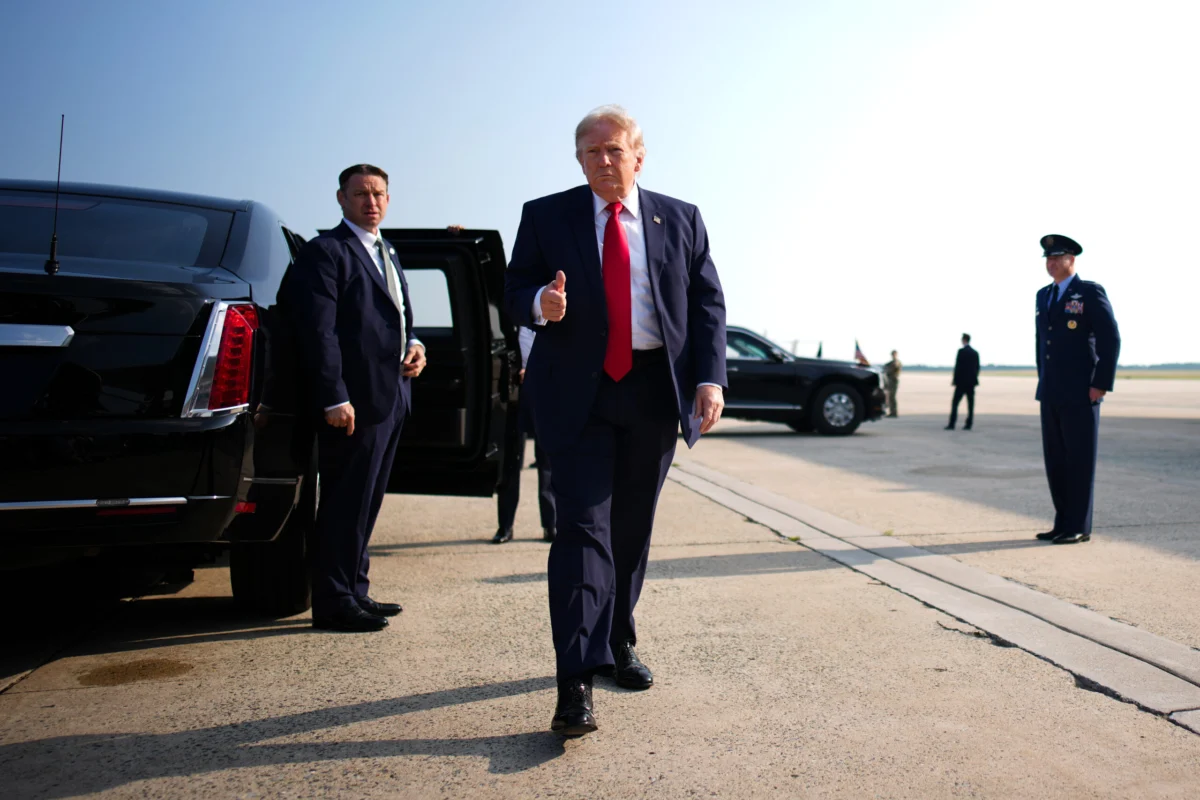
For his part, Trump addressed his investments briefly during a press gaggle near Air Force One on Wednesday morning. He maintained that his portfolio is managed by external professionals. "I never speak to any of the people that run the money, but they’re at big institutions, and they invest in whatever they invest," he told reporters.
Broader Impact and Financial Implications
The release of this financial disclosure is a significant event in the current political cycle, offering a factual basis for assessing the candidate’s economic standing. The document confirms that Trump remains a billionaire with highly diversified interests, ranging from real estate and licensing to media and technology.
The scale of the media settlements is particularly noteworthy. While it is common for public figures to settle legal disputes, the magnitude of the payments from Meta, YouTube, and ABC—totaling over $80 million across the listed entities—is extraordinary. The decision to pledge these funds to his Presidential Library and the National Mall serves to both fund his legacy and potentially mitigate political criticism regarding the source of the wealth.
Furthermore, the document highlights the persistent challenge of "celebrity politics." Trump’s ability to generate eight-figure sums from a documentary about his wife while simultaneously campaigning for the presidency illustrates the unique commercial power of the Trump brand. The ongoing residuals from shows like The Apprentice and cameo appearances in films from the 1990s demonstrate a level of cultural saturation that continues to yield financial dividends decades later.
As the election cycle progresses, the details contained within these 1,000 pages will likely be scrutinized by both supporters and detractors. For supporters, the filing is a testament to Trump’s success as a businessman and his ability to hold major corporations accountable through the legal system. For critics, the overlap between his private investments and federal regulatory actions remains a point of contention. Regardless of the interpretation, the disclosure provides an unprecedented level of detail into the finances of one of the most consequential figures in modern American history, ensuring that his economic ties to Hollywood and Big Tech remain a central part of the public record.