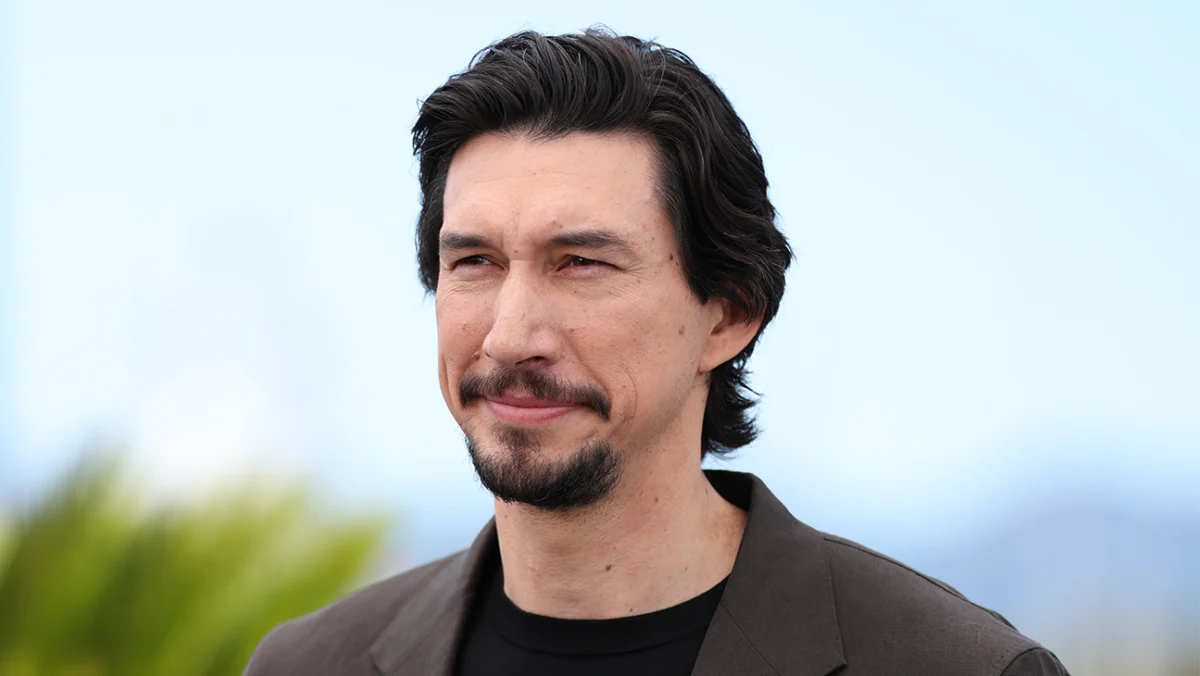
Marvel Studios President Kevin Feige has publicly confirmed a persistent yet cordial dynamic with acclaimed actor Adam Driver, revealing that Driver has repeatedly declined overtures to join the sprawling Marvel Cinematic Universe (MCU). The revelation came during a recent interview with Happy Sad Confused podcast host Josh Horowitz, where Feige characterized Driver’s rejections as a "long-lived tradition" of polite refusal. This ongoing narrative highlights the complex considerations for A-list talent navigating the demanding landscape of modern blockbuster franchises versus the allure of diverse, character-driven projects.
The candid disclosure by Feige, the architect behind the MCU’s unprecedented success, underscores the studio’s sustained interest in Driver, a performer known for his intense screen presence and critically lauded work across various genres. Feige explicitly stated, "It’s no secret we’d like to [work with Driver]. But it’s a tradition to Zoom with him and then he passes. That’s a long-lived tradition. He couldn’t be more cordial. He is usually upfront about how he is feeling." This statement offers a rare glimpse into the behind-the-scenes casting efforts of one of Hollywood’s most powerful studios, particularly when pursuing talent that may prioritize artistic autonomy or a different career trajectory.
The Persistent Pursuit: Marvel’s Interest in Adam Driver
For years, speculation has simmered within industry circles and fan communities regarding Marvel’s attempts to recruit Adam Driver. His unique blend of dramatic gravitas, physical intensity, and widespread appeal has made him a perennial candidate for various high-profile roles within the superhero genre. The MCU, with its ever-expanding roster of characters and narrative ambitions, is constantly seeking actors capable of anchoring its multi-film sagas. Driver, having demonstrated his ability to command both intimate dramas and massive sci-fi epics, fits the profile of the kind of actor Marvel frequently pursues.
The "tradition" Feige describes suggests multiple instances of formal discussions, likely involving virtual meetings given the contemporary industry practices. These interactions, while ultimately unsuccessful from Marvel’s perspective, reportedly maintain a high level of mutual respect. Driver’s characteristic directness, as noted by Feige, means that his decisions are communicated clearly, preventing prolonged ambiguity and fostering an environment of professional understanding, even in rejection. This stands in contrast to scenarios where actors might string along studios or engage in protracted negotiations without genuine interest.
Speculation on Potential MCU Roles
While Kevin Feige meticulously avoided disclosing the specific roles pitched to Adam Driver, the internet’s rumor mill has been particularly active, especially concerning the highly anticipated X-Men reboot. Following Disney’s acquisition of 20th Century Fox, the rights to the X-Men franchise reverted to Marvel Studios, paving the way for a fresh integration of the beloved mutants into the MCU. This reboot represents a monumental undertaking, requiring a cast that can redefine these iconic characters for a new generation while honoring their legacy.
Among the roles frequently linked to Driver in fan speculation are prominent figures such as Doctor Doom, Reed Richards (Mr. Fantastic) of the Fantastic Four, or various key X-Men characters. Doctor Doom, a complex and powerful antagonist, demands an actor with significant dramatic range to portray his nuanced villainy and intellectual prowess. Reed Richards, the brilliant but often emotionally distant leader of the Fantastic Four, would also benefit from Driver’s capacity for intense, cerebral performances. Given the X-Men reboot is still in early development, with Jake Schreier reportedly in talks to direct, casting remains a hot topic. Driver’s intensity could lend itself to characters like Magneto, Cyclops, or even a darker, more conflicted hero or anti-hero within the mutant universe. However, without official confirmation, these remain within the realm of informed conjecture, fueling fan discussions about what might have been.
Adam Driver’s Career Trajectory: Blockbusters, Indies, and Artistic Balance
Driver’s consistent refusal of MCU roles is particularly noteworthy given his significant experience in other large-scale blockbusters. Most prominently, he captivated audiences as Kylo Ren, the conflicted antagonist of the Star Wars sequel trilogy (The Force Awakens (2015), The Last Jedi (2017), and The Rise of Skywalker (2019)). This role not only catapulted him to global stardom but also demonstrated his ability to inhabit a complex character within a sprawling, high-stakes cinematic universe. The Star Wars films collectively grossed billions worldwide, proving Driver’s drawing power and comfort with massive productions and intense fan scrutiny. His portrayal of Kylo Ren was widely praised for its depth, vulnerability, and raw power, solidifying his status as a formidable talent capable of balancing spectacle with profound character work.
However, Driver’s filmography reveals a deliberate effort to maintain a diverse portfolio, balancing commercial success with critically acclaimed independent and prestige projects. This commitment to artistic breadth likely underpins his decisions regarding franchise commitments. Films like Joel and Ethan Coen’s Inside Llewyn Davis (2013), Jim Jarmusch’s Paterson (2016), and Noah Baumbach’s Marriage Story (2019) showcase his versatility and willingness to delve into nuanced, character-driven narratives that often offer greater creative freedom and less demanding long-term commitments than multi-picture franchise deals. His performance in Marriage Story, in particular, earned him an Academy Award nomination for Best Actor, cementing his reputation as a serious dramatic force.
This strategic diversification extends to other high-profile, non-franchise films such as Ridley Scott’s House of Gucci (2021), Michael Mann’s Ferrari (2023), and Francis Ford Coppola’s upcoming Megalopolis (2024). These projects, while often large in scope and budget, typically offer a contained storytelling experience, allowing Driver to immerse himself in a role without the multi-year, multi-film obligations that are characteristic of the MCU. His upcoming independent film, Paper Tiger, further illustrates this preference for varied, often artistically challenging roles.
The likely motivations behind his MCU rejections, therefore, appear to stem from a desire for creative control, a preference for finite commitments, and a pursuit of diverse acting challenges that might not align with the long-term, continuity-heavy demands of a cinematic universe. Actors in major franchises often sign contracts for multiple films spanning a decade or more, limiting their availability for other projects and potentially dictating their career path. Driver’s choices suggest a deliberate path to avoid being typecast or solely defined by a single franchise, even one as globally popular as Marvel.
The Unmade Kylo Ren Project: A Glimpse into Driver’s Franchise Interests
Paradoxically, while Driver has consistently turned down MCU roles, he expressed genuine interest in revisiting another major blockbuster franchise: Star Wars. Reports indicated that he had been working on a standalone Kylo Ren/Ben Solo movie concept, potentially with acclaimed director Steven Soderbergh. This project would have explored the complex backstory and potential redemption arc of his Star Wars character in greater depth. The prospect of a "Ben Solo" film was met with considerable enthusiasm from fans and reportedly even had support from Lucasfilm.
However, despite this apparent internal momentum, Disney ultimately decided to axe the film. The decision to cancel such a project, especially one involving a popular character and a highly respected actor and director, speaks to the often-unpredictable nature of franchise development and corporate strategic shifts. This instance highlights that Driver is not inherently opposed to franchise work, but perhaps seeks specific creative control, a compelling narrative, or a particular directorial vision that aligns with his artistic sensibilities. His willingness to return to Star Wars suggests that the character of Kylo Ren held a unique appeal, perhaps offering a deeper exploration of themes he found compelling, or a chance to conclude a story on his own terms. The cancellation of this project underscores the challenges actors face even when they are keen on a particular franchise venture, as ultimate decisions often rest with the studios.
Broader Implications for MCU Casting and Hollywood Talent
Adam Driver’s "tradition" of declining MCU roles carries broader implications for both Marvel Studios and the wider Hollywood landscape. For Marvel, it illustrates the ongoing challenge of attracting top-tier talent who may weigh the artistic and personal demands of franchise commitments against the allure of more creatively autonomous projects. While the MCU offers unparalleled global exposure and financial rewards, it also comes with a rigorous schedule, intense public scrutiny, and a degree of creative restriction inherent in fitting into an established cinematic universe.
Many actors successfully navigate this balance, blending MCU appearances with independent work. Oscar Isaac, Florence Pugh, Benedict Cumberbatch, and Jake Gyllenhaal are just a few examples of performers who have joined the MCU while maintaining diverse, acclaimed filmographies. Their participation suggests that for some, the benefits outweigh the constraints, or they find specific roles within the MCU that align with their artistic interests. However, Driver’s case exemplifies that not all actors perceive the MCU as the optimal path for their career development, even when actively pursued by the studio’s top executive.
This scenario also reflects a shifting paradigm in Hollywood, where the lines between "blockbuster" and "art house" are increasingly blurred, and where prestige television and streaming platforms offer compelling alternatives for actors seeking complex characters and rich storytelling without the multi-year, multi-film contracts of a major film franchise. The competition for talent is fierce, and actors like Driver are in a position to be highly selective, choosing projects that genuinely resonate with their artistic goals.
The Future: An Enduring Mutual Respect
As of now, Adam Driver has no confirmed plans to join the MCU, despite Kevin Feige’s persistent efforts. The "tradition" seems set to continue, characterized by mutual respect rather than animosity. Feige’s candidness about the situation speaks to the esteem in which Driver is held within the industry. It acknowledges that artistic paths diverge, and not every talented actor is destined to enter the MCU, regardless of the studio’s desire.
The X-Men reboot will proceed with its casting search, and Marvel will undoubtedly find compelling talent for its new generation of mutants. Driver will continue to build a filmography marked by its depth, variety, and critical acclaim. This ongoing dialogue, however, serves as a fascinating footnote in the history of the MCU’s casting endeavors and a testament to Adam Driver’s unwavering commitment to shaping a unique and impactful career on his own terms. Whether the "tradition" will ever be broken remains to be seen, but for now, it stands as a testament to the power of an actor’s conviction and a studio’s respectful persistence.