In the summer of 1986, an extraordinary spectacle materialized on the roof of an otherwise unremarkable row house in Headington, Oxford, England: a 25-foot fiberglass shark, seemingly having plunged headfirst from the sky, embedding itself permanently into the tiles. This audacious installation, known globally as the Headington Shark, was the brainchild of sculptor John Buckley and commissioned by the homeowner, local radio presenter and political activist Bill Heine. Its initial appearance on August 9, 1986, was far from an aesthetic whim; it was a potent, visceral protest against the geopolitical landscape of the mid-1980s, particularly the recent U.S. bombing of Libya, the persistent threat of nuclear power, and the broader specter of nuclear war. Three decades later, the iconic image of a terrestrial shark, a symbol whose meanings have multiplied far beyond its creators’ original intent, finds a new, poignant resonance in the recently premiered comedy-drama Learning to Breathe Under Water, which translates this bizarre domestic intrusion across the Irish Sea to explore the profound absurdity of death and the labyrinthine paths of grief.
The Headington Shark: A Chronicle of Dissent and Artistic Freedom
The genesis of the Headington Shark is inextricably linked to the charged political climate of 1986. On April 15 of that year, the United States, under President Ronald Reagan, launched Operation El Dorado Canyon, a series of airstrikes against targets in Libya, ostensibly in retaliation for alleged Libyan involvement in terrorist attacks. This military action, which included bombing residential areas and resulted in civilian casualties, sparked widespread international condemnation and fervent anti-war protests across Europe. Bill Heine, a staunch anti-war activist, sought a powerful, unconventional means to express his outrage and stimulate public discourse, rejecting traditional protest signs or banners. He envisioned a piece of art that would be impossible to ignore, a permanent fixture that would continually question authority and challenge complacency.
Heine commissioned John Buckley, a local sculptor renowned for his bold and often controversial public works, to create the piece. Buckley constructed the 25-foot (7.6-meter) shark from fiberglass, weighing approximately 200 kilograms (440 pounds), in his workshop. The installation itself was a clandestine operation, carried out under cover of darkness to avoid immediate intervention from local authorities. The image of a massive predator seemingly dropped from the sky into a suburban home was designed to shock, to provoke, and to serve as a stark, surreal reminder of the sudden, devastating impact of warfare and the arbitrary nature of power. The choice of a shark, a creature of the deep ocean, violently displaced into a domestic setting, underscored the disruptive force of external conflicts impinging upon ordinary lives.
A Battle for Legitimacy and Enduring Cultural Impact
The immediate aftermath of the shark’s appearance was predictable: uproar. The Oxford City Council swiftly declared the sculpture a breach of planning regulations, as no permission had been sought for its installation. This initiated a protracted and highly publicized six-year legal battle between Heine and the council, a struggle that became a touchstone for debates on artistic freedom, public art, and the limits of bureaucratic control over personal property. The council argued that the shark was an "inappropriate development" that "detracted from the visual amenity" of the conservation area. Heine, however, framed his defense around the principles of freedom of expression and the inherent artistic value of the installation as a protest piece.
The dispute ultimately reached the highest levels of government, culminating in an appeal to the Secretary of State for the Environment, Michael Heseltine. In 1992, Heseltine, himself known for his appreciation of diverse architectural styles, made a landmark ruling. He granted retrospective planning permission for the shark, acknowledging its unique character. In his official statement, Heseltine famously remarked that the shark "would be out of place in any street, but it is no more out of place in Headington than elsewhere." He recognized its significance as a local landmark and a symbol of artistic defiance, effectively safeguarding its future. This decision cemented the Headington Shark’s status not just as a local curiosity but as a legally protected piece of public art.
Over the decades, the shark’s meaning has evolved beyond its original specific political protest. While it remains a powerful reminder of Heine’s anti-war stance, it has also become a broader emblem of individuality, non-conformity, and the unexpected intrusion of the extraordinary into the mundane. It attracts tourists, appears in guidebooks, and has inspired countless discussions about art, architecture, and civic identity. It stands as a testament to the power of a single, bold artistic statement to challenge perceptions and endure as a cultural touchstone. Its survival, despite initial resistance, underscores a societal willingness to embrace the unconventional and to recognize the value in art that pushes boundaries.
"Learning to Breathe Under Water": A New Cinematic Echo
This enduring legacy of the Headington Shark now finds a fresh, cinematic interpretation in Learning to Breathe Under Water, a comedy-drama that recently premiered at the Karlovy Vary International Film Festival and also screened at the Galway Film Fleadh. Directed by Rebekah Fortune and written by Richard Brabin, the film takes the central, jarring image of a shark piercing a domestic roof and recontextualizes it, shifting the symbolic weight from global political protest to the deeply personal landscape of grief and loss. The film, shot in the vicinity of the Galway Film Fleadh, effectively bridges the geographic and thematic gap, demonstrating how powerful symbols can be reappropriated to resonate with new narratives.
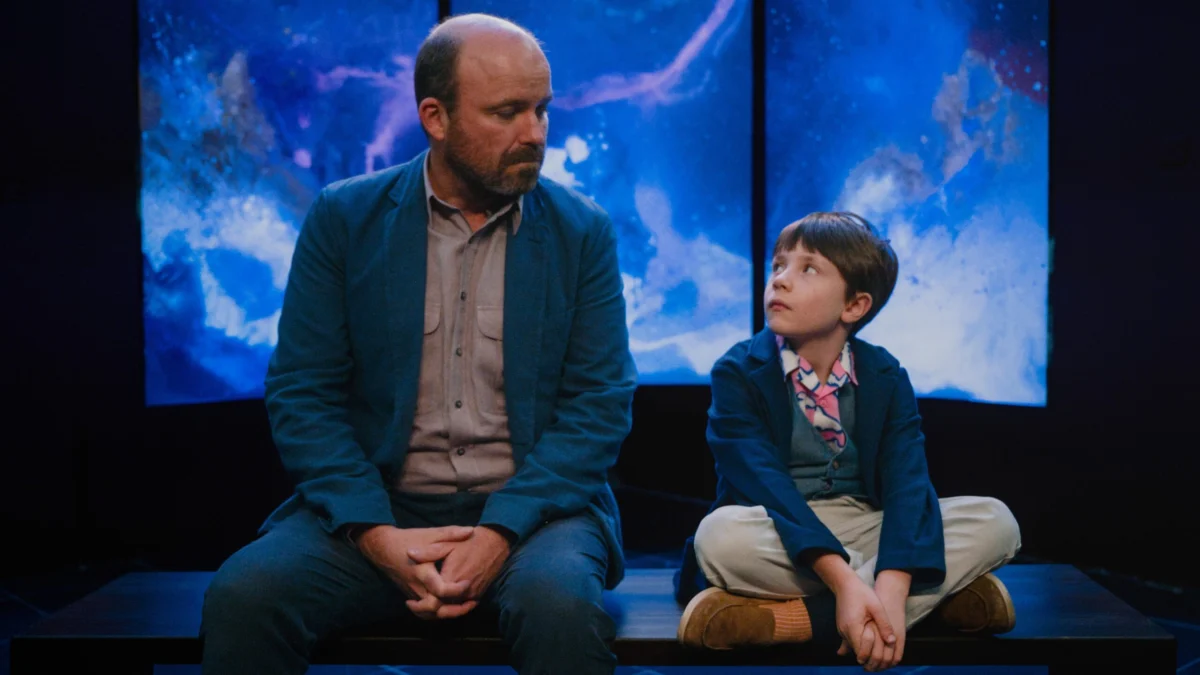
The narrative posits Peter (Rory Kinnear), a bereaved artist struggling with the recent death of his wife. In a desperate, perhaps cathartic, act of creation and grief, Peter constructs a massive metal apex predator, not unlike the Headington Shark, and installs it on his roof. This act of surreal defiance quite literally pierces the bedroom ceiling of his young son, Leo (Ezra Carlisle), making the father’s unresolved grief a tangible, inescapable presence in the child’s life. The bizarre sculpture becomes a stark, metallic manifestation of the gaping hole left by their loss, an externalization of the internal chaos that defines their new reality.
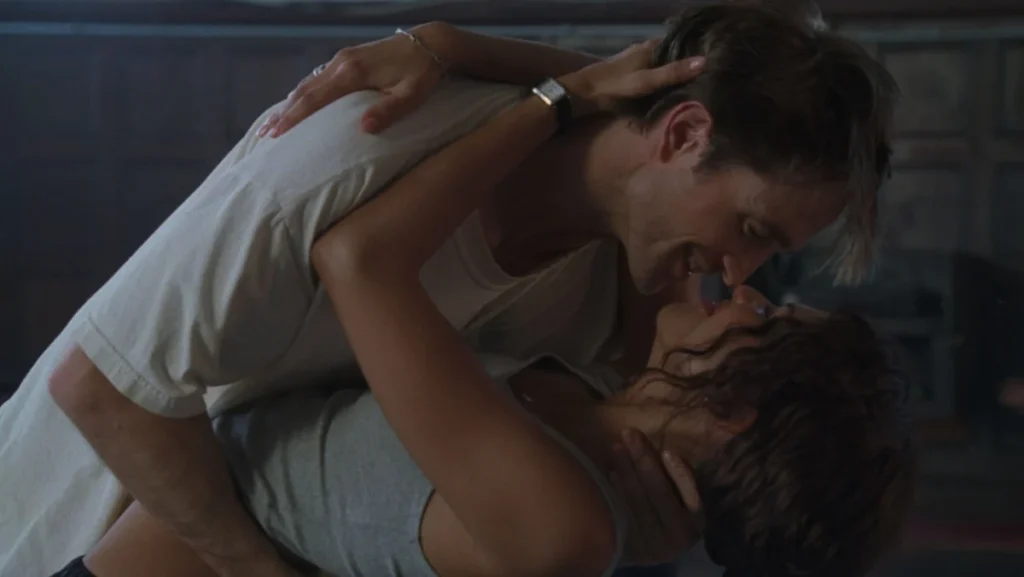
Into this odd, grief-stricken domestic menagerie steps Anya (Maria Bakalova), a Bulgarian au pair. Her arrival serves as a catalyst, slowly nudging the story forward from its stagnant sorrow toward mild change and, eventually, a semblance of closure. Bakalova, known for her breakout role in Borat Subsequent Moviefilm and her recent performance in The Apprentice, brings a nuanced sensibility to Anya, navigating the delicate balance between observer and active participant in the family’s healing process. Her presence introduces an external perspective, a much-needed breath of fresh air into a household suffocated by unspoken pain and eccentric coping mechanisms.
Narrative Nuances and Performance Highlights
The film’s exploration of grief is multifaceted, revealing itself through its characters’ distinct coping mechanisms. Peter’s artistic endeavor—the shark—is a grand, public display of his internal turmoil, a monument to his unaddressed pain. In contrast, his son Leo offers a profoundly different, yet equally compelling, perspective. Young Ezra Carlisle’s portrayal of Leo is one of the film’s most striking elements. Leo is depicted as a serious, literal-minded boy whose tendency to stim by touching his fingers together when stressed, coupled with his precise, often deadpan observations, strongly suggests an undiagnosed neurodivergent condition. His unique way of processing the world provides moments of unexpected humor and profound insight. For instance, when Anya inquires about their dietary preferences, Peter’s casual "we’ll eat anything" is swiftly and usefully qualified by Leo with "But it has to be food," a line that encapsulates his literal approach and Carlisle’s remarkable comedic timing.
These moments of genuine charm are further enhanced by small, evocative snatches of stop-motion animated sequences. These animations, serving as visual metaphors for the weird and wonderful world inside Leo’s head, add a touch of whimsy and vulnerability. They recall the early work of Paddington director Paul King, particularly his darkly comic Bunny and the Bull, creating a stylistic parallel that enriches the film’s visual language and its exploration of childhood imagination as a coping mechanism.
However, the film, described as "uneven" and "more-than-a-little-sappy" by critics, struggles with maintaining a consistent tone and narrative momentum. There’s an observable tension, a sense of "pulling in opposite directions," between Richard Brabin’s script and Rebekah Fortune’s direction. While Brabin’s debut screenplay is lauded for its witty dialogue, especially from Leo, the narrative’s initial flights of fancy and sharp observations begin to dry up in the latter half. The film eventually descends into what is perceived as mawkishness, characterized by an "entirely manufactured conflict" between Anya and Peter. This plot device, leading to Anya’s temporary departure and a subsequent unraveling of the family’s progress, feels less organic and more a contrivance to force a dramatic climax, detracting from the earlier, more subtle character developments. This shift suggests a potential misstep in tonal command, possibly attributable to directorial choices, or perhaps a need for a further pass at the script to ensure a more cohesive emotional arc.
A Masterclass in Performance and Production Design
Despite these narrative challenges, the quality of the performances remains largely unarguable. Rory Kinnear delivers a compelling lead performance that transitions seamlessly from "comic understatement" in the film’s initial phases to a "delicately limned portrait of pain barely stifled." A particularly heartbreaking scene features Peter silently weeping while playing the piano that belonged to his late wife, a moment that serves as a powerful reminder of Kinnear’s often-underutilized talent. Though consistently employed in British and Irish cinema, often in supporting roles as "stiff or oddball characters" (such as his British officer in TV’s Say Nothing or all the male characters in Men), Learning to Breathe Under Water unequivocally demonstrates his capability to effortlessly carry a lead role, infusing Peter with a deeply human blend of sorrow, absurdity, and quiet resilience. Maria Bakalova, too, grounds her performance with a genuine warmth and an understated strength, providing a vital counterpoint to Kinnear’s internal struggle.
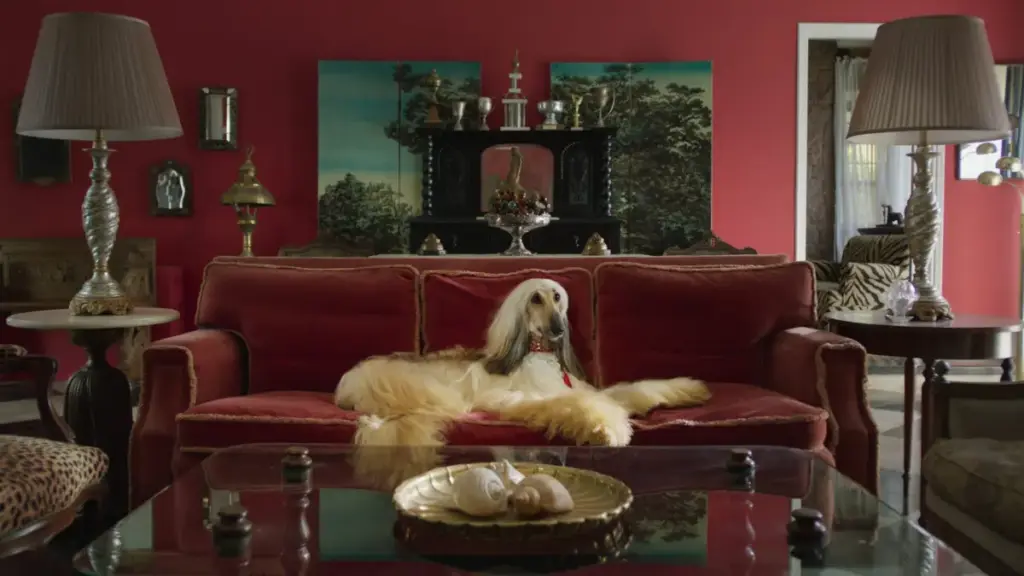
Given that a significant portion of the film’s action unfolds within Peter and Leo’s home, meticulous attention was lavished on the production design, overseen by May Davies. Davies’ work is exemplary, adeptly utilizing color palettes and set dressing to visually articulate Peter’s fluctuating emotional state throughout the narrative. The domestic space itself becomes a character, with the clutter ebbing and flowing like the tide, mirroring the internal chaos and gradual attempts at order. This design effectively captures the lived-in, often chaotic yet deeply personal aesthetic of artists’ homes, existing "just on the cusp between quaint and unbearably chaotic." This visual storytelling adds a rich layer of subtext, allowing the environment to reflect the psychological landscape of the characters.
Thematic Resonance and Broader Implications
Ultimately, Learning to Breathe Under Water explores profound thematic territory. It delves into the multifaceted nature of grief, showcasing how individuals, particularly a father and son, navigate immense loss through vastly different lenses. The shark on the roof, in this context, transcends its original political symbolism to become a potent metaphor for the unexpected, often absurd, intrusion of death into life, and the strange, creative ways humans attempt to process the incomprehensible. It highlights art not just as an expression of protest, but as a form of therapy, a means to externalize internal pain and, perhaps, to begin the long journey toward healing.
The film also serves as a testament to the continued vitality of independent cinema in tackling complex human emotions and exploring niche narratives. While its execution may be imperfect, its ambition to reinterpret a powerful cultural symbol for a new emotional landscape is commendable. By drawing a line from the Headington Shark’s political defiance to a personal struggle with grief, Learning to Breathe Under Water underscores the universal human need to make sense of the world, whether through monumental public art or intimate personal narratives. Both the actual shark in Headington and its cinematic counterpart serve as enduring reminders of the power of symbolic imagery to provoke thought, challenge norms, and help us navigate the often-absurd realities of existence and loss.