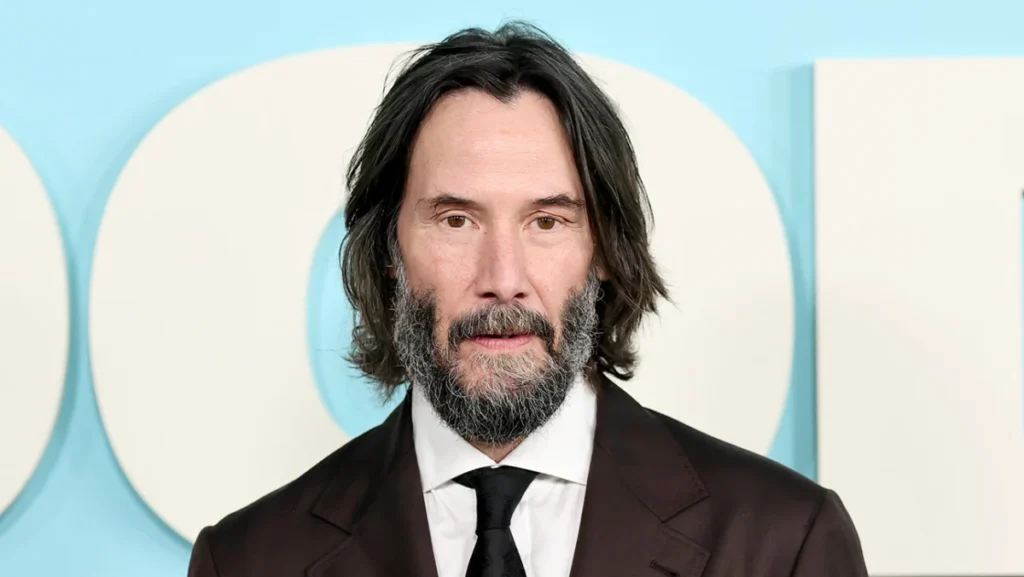
The Toronto International Film Festival (TIFF), a cornerstone of the global cinematic calendar, serves as more than a mere showcase for upcoming releases; it functions as an intellectual forum where the intersection of art and sociopolitical discourse is frequently examined. During a panel discussion at The Hollywood Reporter’s Studio at the 1 Hotel, hosted in collaboration with Canada Goose, actor Sebastian Stan offered a candid critique of the prevailing cultural climate. His remarks, centered on the rise of normalized negativity and the erosion of nuanced public discourse, were underscored by the themes of his latest project, Fjord, directed by the acclaimed Romanian filmmaker Cristian Mungiu.
The Catalyst: Artistic Engagement and Social Commentary
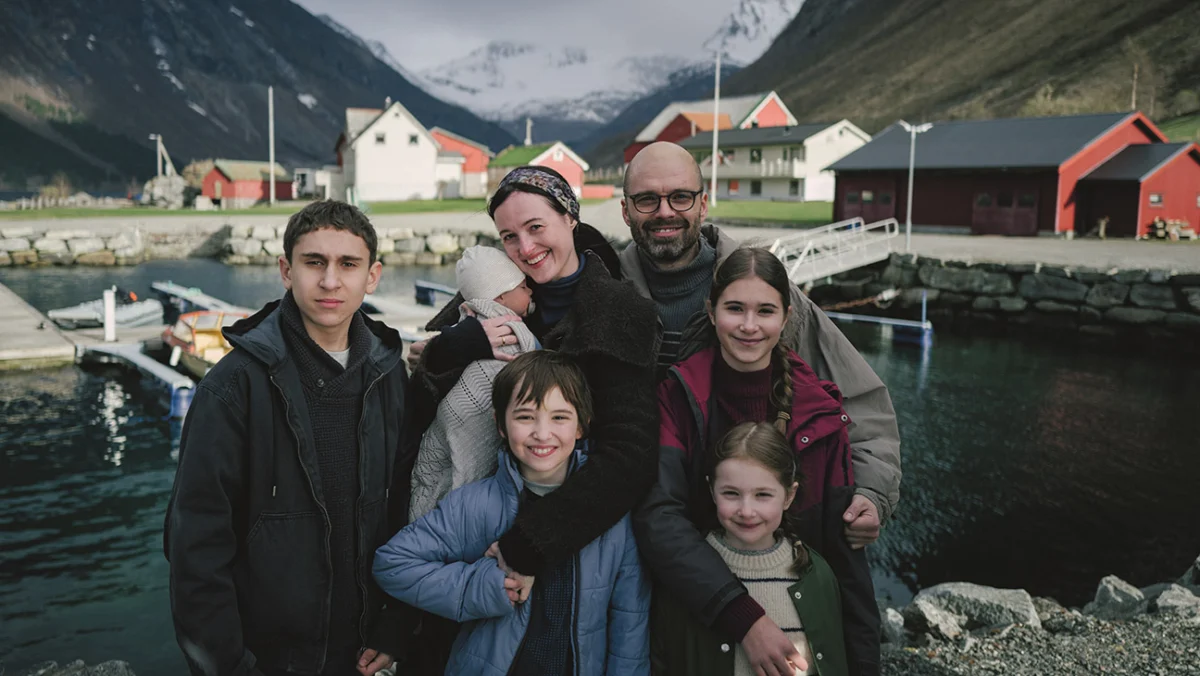
Sebastian Stan’s commentary emerged during a broader conversation regarding his role in Fjord, a drama centered on a conservative Romanian family navigating the social complexities of a progressive Norwegian village. The film, which explores the friction between traditional values and modern secularism, appears to have served as a mirror for the actor’s own observations regarding contemporary communication patterns.
Stan identified the digital landscape as the primary locus for this systemic negativity, describing the modern propensity for reactive, knee-jerk judgment as both "lazy" and "unfortunate." His critique focused on the absence of substantive exchange, noting that digital interactions often eschew counterarguments and solutions in favor of binary moralizing. This observation aligns with various sociological studies suggesting that social media algorithms often prioritize high-arousal emotions—particularly anger and indignation—which, in turn, discourages the "curiosity" that Stan advocates as a remedy.
A Timeline of Artistic Transformation
The evolution of Sebastian Stan’s career over the past 24 months has placed him at the center of highly charged political conversations. His 2024 performance as Donald Trump in the biographical drama The Apprentice earned him significant critical acclaim, including an Oscar nomination. This role required the actor to inhabit a figure whose political rhetoric has been cited by critics and scholars alike as a primary driver of the very "negativity" Stan lamented at TIFF.
The trajectory of his recent work—from the polarizing political landscape of The Apprentice to the intercultural tension of Fjord—illustrates a deliberate choice to engage with projects that challenge societal comfort zones. While Stan maintained a degree of professional distance, refusing to "point fingers" directly at specific political actors, his assertion that the "invitation to be negative starts at the top" implies a recognition of how leadership rhetoric influences the baseline of public behavior. This reflects a broader trend in Hollywood where performers are increasingly using their platform to comment on the erosion of civic discourse, bridging the gap between their roles and their personal convictions.
The Erosion of Civil Discourse: Data and Sociological Context
Stan’s critique of online behavior is supported by a growing body of research regarding digital polarization. According to data from the Pew Research Center, the prevalence of "incivility" in online discourse has reached levels where a significant majority of users report feeling that political conversations have become less respectful. The "lazy" reactionism described by Stan is often attributed to the "online disinhibition effect," where the anonymity and physical distance of the internet reduce the social cost of aggression.
Furthermore, academic research on the "echo chamber" effect suggests that individuals are increasingly shielded from dissenting viewpoints, which reinforces confirmation bias and limits the capacity for empathy. By calling for "curiosity" and the simple act of asking, "Can I just ask why you feel that way?" Stan is effectively advocating for the Socratic method in a digital age that is arguably hostile to such patience. His emphasis on encouraging young people to form their own opinions—rather than adopting pre-packaged moral stances—speaks to a generational anxiety regarding the long-term impact of digital saturation on critical thinking.
Parenthood and the Philosophy of Modernity
A significant portion of Stan’s commentary was rooted in his recent transition into fatherhood. Having reportedly welcomed his first child in July, the actor noted that his professional work has taken on a newfound sense of urgency and intimacy. The themes of Fjord—which center on how parents instill values in their children while shielding them from the prejudices of the outside world—have clearly permeated his personal life.
"I don’t know as much as I thought I did," Stan admitted, articulating the vulnerability that accompanies raising a child in a volatile information environment. He expressed a desire to move beyond the inherited biases of his own upbringing, suggesting that the goal of parenting today is to foster an environment where children can arrive at their own conclusions without the interference of the parent’s "own ego." This introspection adds a layer of emotional stakes to the film, as Fjord asks whether a family can maintain its core identity while existing in a community that fundamentally disagrees with its moral framework.
The Broader Implications for Cinema and Society
The release of Fjord, scheduled for October 9, arrives at a moment of global reassessment regarding the role of film in shaping cultural values. Cristian Mungiu, the director, has explicitly framed the film as an "invitation to be more tolerant," a sentiment that echoes the historical role of the European art-house tradition in fostering dialogue across ideological divides.
The potential impact of such a film lies in its ability to facilitate empathy. By placing the viewer in the position of the "other"—in this case, a conservative family in a liberal environment—the film forces an engagement with the very process of "asking why" that Stan championed. If the goal of cinema is to expand the boundaries of the viewer’s world, then Fjord represents a deliberate attempt to counteract the trends of isolation and reflexive judgment.
Industry Response and Future Outlook
While there has been no formal rebuttal to Stan’s comments from the subjects of his critique, the industry reception at TIFF has been largely supportive of his call for nuance. Peers and critics in attendance noted that the actor’s willingness to address the "negativity" inherent in the current climate adds a layer of intellectual rigor to the press cycle of the film.
The implications for the film industry are clear: there is an appetite for narratives that do not merely reflect the digital status quo but challenge the audience to transcend it. As the industry grapples with the decline of traditional theatrical attendance and the rise of short-form, high-velocity content, the success of a film like Fjord may depend on its ability to offer a "slow-burn" experience that demands the very curiosity and patience Stan noted is in such short supply.
Ultimately, Sebastian Stan’s remarks at the Toronto International Film Festival represent a synthesis of personal growth and professional philosophy. By connecting the dots between the systemic toxicity of online culture, the challenges of modern parenting, and the thematic depth of his latest performance, he has provided a roadmap for how individuals might navigate a hyper-polarized world. Whether the public is willing to heed this call for "curiosity" remains to be seen, but the conversation sparked by the Fjord press tour suggests that the appetite for a more measured, empathetic form of public life is far from extinct. As audiences prepare for the October release, the focus will likely remain on whether the film can successfully translate these lofty goals into a compelling, transformative cinematic experience.