Uoto’s Expanding Creative Portfolio
Uoto, widely recognized for his ability to blend historical gravity with philosophical inquiry, confirmed on Friday and Saturday that they are currently working on two distinct projects. The first, titled Hallucination Meat, is slated for publication in Shogakukan’s Weekly Big Comic Spirits. While a firm launch date has yet to be finalized, the artist has indicated that a 2026 debut is the current goal.
In a collaborative move, Uoto is also partnering with Kyō Yoneshiro—noted for their unique narrative style—on a second project titled Test Taker/Cheaters. This collaboration has generated considerable interest, as it brings together two distinct voices within the seinen manga demographic. Industry analysts suggest that Uoto’s pivot toward these new narratives reflects a desire to explore diverse thematic grounds, moving away from the scientific and historical focus of their previous hits toward perhaps more contemporary or surrealist commentary.
Production Delays and Industry Schedules
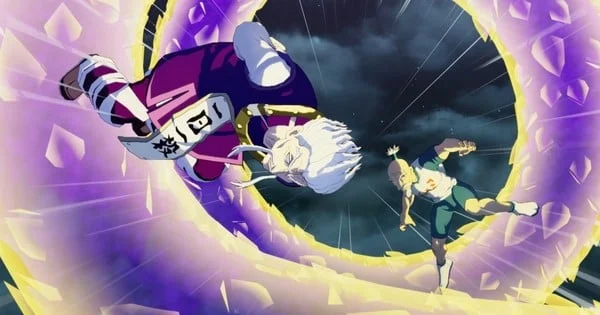
While the creative sector thrives, the production side of the anime industry continues to navigate logistical challenges. The production committee for Bleach: Thousand-Year Blood War – The Calamity announced a rescheduling of its final episodes. Episodes 49 and 50, originally slated for earlier release, have been pushed to October 19 and October 26, 2026, respectively.
To maintain viewer engagement during this interim period, the committee will re-air episodes 7, 28, 46, and 48. This strategic re-airing suggests a focus on narrative continuity, allowing audiences to refresh their memory on key plot points before the climax of the series. Such delays are increasingly common in high-fidelity anime production, often attributed to the rigorous scheduling required to maintain animation quality in long-form, high-stakes action series.
Rilakkuma and the Evolution of Short-Form Anime
The enduring popularity of San-X’s mascot, Rilakkuma, remains a staple of the industry’s lighthearted side. Following the conclusion of the 24th episode of the latest series, it was officially announced that a third season, titled Rilakkuma: Ki Mama ni Manpuku Biyori (Carefree, Well-Fed Days), is in development. The production team brings together significant talent, including directors Yoshimi Itazu, known for The Concierge, and Yumi Kamakura, who contributed to The Grimm Variations. This continuation underscores the commercial viability of character-driven, short-form animation, which provides a consistent revenue stream and brand longevity for major IP holders.
Notable Industry Losses
The industry also pauses to mourn the passing of voice actor Mike McFarland, who died at the age of 56 on Wednesday. McFarland had been battling health complications since early 2025, following the removal of a brain tumor in January and a subsequent diagnosis of glioblastoma in August of that year. His death, confirmed by fellow voice actress and collaborator Brina Palencia, has been met with an outpouring of tributes from the anime community. McFarland’s career as both a performer and a behind-the-scenes organizer was instrumental in the growth of localized anime dubbing, and his loss is felt deeply by colleagues and fans alike.
The Shifting Landscape of Global Streaming and Adaptation
The expansion of anime reach continues with the announcement of an anime adaptation for the SSS-Class Revival Hunter novel and webtoon series. Set for a January 2027 premiere, the project is being helmed by Studio fu and based on the source material by Sinnoa and Neida. Crunchyroll has secured the rights to stream the series worldwide, excluding Asia, further cementing the trend of adapting popular Korean webtoons into the Japanese anime format. This cross-pollination of regional storytelling mediums is expected to accelerate throughout 2027, as streaming platforms seek to diversify their catalogs beyond traditional manga-based source material.
Critical Reception and Analytical Trends
In the realm of critique, recent volumes of MARRIAGETOXIN have been praised for shifting the narrative focus from the episodic introduction of new characters to deeper, more long-term character development. The decision by the creative team to address the protagonist Gero’s romantic journey with more permanence signifies a maturation of the series’ pacing.
Similarly, the first season of Victoria of Many Faces has drawn attention for its rejection of standard genre tropes, opting instead for a character-focused study of isolation and displacement. This reflects a broader trend in current anime reviews: a growing preference for "subversive" storytelling that challenges the audience’s expectations.
This Week in Gaming and Digital Media
The gaming industry remains tethered to the anime landscape, with recent showcases from Sony and Nintendo sparking debate regarding the quality of current releases. The demo for Final Fantasy Resonance, for instance, has garnered significant attention for its length and scope, though critics have noted a lack of clear progression systems. This conversation mirrors the ongoing analysis of the Final Fantasy VII Revelation project, which continues to be viewed as the definitive conclusion to the current Square Enix remake trilogy.
Analytical Perspective: The State of the Industry
The current state of the industry, as evidenced by these disparate news items, is one of transition. From the tragic loss of veteran talent like Mike McFarland to the strategic pivots of high-profile manga creators like Uoto, the landscape is defined by a tension between legacy and evolution.
- Strategic Scheduling: The delays in the Bleach production schedule highlight the industry’s prioritization of quality over strict adherence to broadcast windows.
- Diversification: The rise of SSS-Class Revival Hunter suggests that the "Anime" umbrella is becoming increasingly global, incorporating Korean and Chinese source materials with greater frequency.
- Genre Fatigue: Reviews for series like MARRIAGETOXIN and The Demons Are Planning Something Good indicate that audiences are increasingly seeking narrative depth over "gimmick-driven" plots, pushing creators to build more robust, character-led worlds.
Chronological Summary of Recent Events
- September 9: Official announcement of the SSS-Class Revival Hunter anime adaptation.
- September 10: Passing of voice actor Mike McFarland; publication of industry feature on the growth of the yuri manga market.
- September 11: Director Hiroshi Ikehata provides insights into the production of Giant Ojo-sama; release of weekly gaming analysis.
- September 12: Confirmation of Uoto’s two new manga projects; announcement of the Bleach: Thousand-Year Blood War schedule adjustment.
As the industry moves toward the final quarter of 2026, these developments set the stage for a busy winter season. The move toward more complex, multi-year projects—both in manga and anime—indicates a long-term strategy of investment by major studios and publishers, ensuring that even as the landscape shifts, the production of high-quality narrative content remains the primary focus. The upcoming releases from Uoto, in particular, will serve as a bellwether for the creative direction of the seinen manga market in the coming year, providing a vital link between the traditional craftsmanship of the past and the digital-first consumption habits of the future.