Sometimes, history repeats itself, and nowhere is that resonance more palpable than in the cyclical nature of Hollywood’s awards season. Exactly a half-century ago, in the year of the American bicentennial, a low-profile film—the underdog story of a small-time boxer who, against all odds, went the distance against the heavyweight champion—became a global cultural phenomenon. That film was John G. Avildsen’s Rocky, a project fueled by the singular vision of its writer and star, Sylvester Stallone. By the time the Academy Awards arrived in 1977, the film had managed to vanquish titans of the New Hollywood era, including All the President’s Men, Network, and Taxi Driver, to claim the Best Picture Oscar.
Fast forward to the present day, and the echoes of that 1976 triumph have returned to the spotlight. On Saturday night at the Toronto International Film Festival (TIFF), director Peter Farrelly unveiled his latest feature, I Play Rocky, a biographical drama detailing the arduous genesis and production of the original boxing classic. The film’s premiere served as a striking reminder of how far a underdog narrative can travel, mirroring the trajectory of Farrelly’s previous TIFF success, Green Book. Eight years ago, that film arrived in Toronto as a polarizing project that nonetheless captured the imagination of festival audiences, winning the coveted TIFF People’s Choice Award before embarking on an Oscar-winning campaign that culminated in a Best Picture victory.
The TIFF Phenomenon and the Path to Awards Gold
The reception of I Play Rocky at the Princess of Wales Theatre suggests that the film is already positioned as a formidable contender in the upcoming awards race. Much like Green Book in 2016, I Play Rocky appears to be dividing critical opinion while simultaneously captivating general audiences. During the premiere, the theater erupted in spontaneous mid-film applause, punctuated by a prolonged standing ovation as the credits rolled.
This reception is often the "canary in the coal mine" for Academy success. Historically, films that resonate deeply with the populist sentiment of festival crowds—often those that emphasize themes of resilience, creative struggle, and personal triumph—find a natural alignment with the tastes of the Academy of Motion Picture Arts and Sciences. Should I Play Rocky follow the path paved by both the original 1976 film and Farrelly’s own Green Book, it will likely secure a Best Picture nomination. The current climate of the film industry, which often favors stories of "filmmaking about filmmaking," further increases its prospects.
Anthony Ippolito and the Burden of the Icon
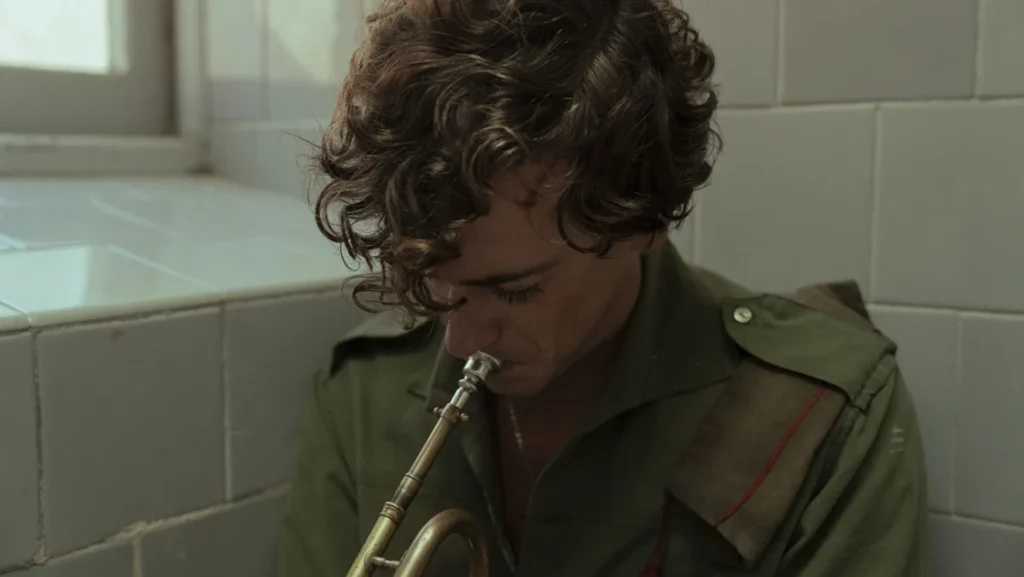
At the heart of the film’s buzz is the performance of 27-year-old Anthony Ippolito, who portrays a young, hungry Sylvester Stallone. Tasked with capturing one of the most recognizable physical and vocal archetypes in cinema history, Ippolito delivers a turn that has been described by early viewers as "eerie" in its accuracy.
The casting of Ippolito is central to the film’s narrative strategy. By focusing on the struggle of an unknown actor attempting to force a studio to accept his script, the film taps into the very mythos that Rocky itself established. Just as audiences in the 1970s became emotionally invested in the real-life struggle of Stallone—who famously refused to sell his script unless he was cast as the lead—modern audiences are being primed to invest in Ippolito’s breakout moment. If the campaign for Best Actor gains momentum, it will be because the narrative of the actor mirrors the narrative of the character, creating a symbiotic connection that is historically potent during awards season.
The Shadow of the Protagonist: Sylvester Stallone’s Stance
While the film serves as a hagiography of the Rocky origin story, it faces a significant, if intangible, hurdle: the real-life involvement, or lack thereof, of Sylvester Stallone. Amazon/MGM is scheduled to roll the film out in the United States on November 6, a prime window for awards consideration. However, the production remains a project in which Stallone has no financial stake.

The complexity of this relationship cannot be overstated. In 2022, Stallone publicly expressed deep-seated resentment toward the estate of the late Robert Chartoff and the surviving producer, Irwin Winkler, regarding the ownership of the Rocky intellectual property. Stallone’s public remarks characterized the situation as "parasitical," a tension that complicates the promotional narrative of I Play Rocky.
Conversely, the film itself treats the producers with unexpected grace. P.J. Byrne portrays Winkler, while Toby Kebbell plays Chartoff, both appearing in roles that are far more sympathetic than the current real-world legal and personal tensions might suggest. Notably, the 95-year-old Winkler even makes a cameo appearance, signaling that the production team and the original creative stewards are aligned in their portrayal of the 1976 events.
Analyzing the Risks and Rewards
The potential for conflict remains a significant variable in the film’s trajectory. Should Stallone, now 80 years old, choose to publicly endorse the film, it would likely provide an insurmountable boost to its Oscar prospects. A stamp of approval from the man who lived the events would effectively validate the "legend" the film promotes—a version of history that has been carefully curated by Stallone over the past five decades.
However, if Stallone chooses to distance himself or vocalize his displeasure, it could complicate the narrative of the film as a "celebration" of his life. The script, written by Peter Gamble, is undeniably a love letter to Stallone’s tenacity, intelligence, and creative vision. It paints a portrait of a man who fought the system to ensure his voice was heard. Whether this version of history holds up to rigorous historical scrutiny is secondary, in the context of Hollywood, to whether the film effectively captures the emotional essence of the struggle.
Production Excellence and Craft
Beyond the central performance, the film is being lauded for its technical execution. The cinematography by Sean Porter, who previously collaborated with Farrelly on Green Book, brings a grounded, mid-70s grit to the film that avoids the pitfalls of glossy, overly stylized period pieces. The production design by Anthony Gasparro effectively recreates the decaying urban environments of the 1970s, providing a necessary backdrop for the gritty narrative.
Supporting performances are equally pivotal in grounding the film’s high-stakes emotional beats. AnnaSophia Robb provides a vital anchor as Stallone’s first wife, humanizing the man behind the myth, while Tracy Letts, portraying the head of United Artists, captures the corporate cynicism that defined the era’s studio system. Jay Duplass’s portrayal of John G. Avildsen offers a nuanced look at the collaborative, and sometimes fraught, relationship between the director and his leading man. With the additional contributions of makeup artist Jackie Risotto and hairstylist Nakoya Yancey, the film maintains a level of verisimilitude that is essential for biographical dramas seeking Academy recognition.
Conclusion: The Persistence of the Rocky Myth
As I Play Rocky prepares for its wide release, its presence at TIFF signifies more than just a promotional tour; it is a statement on the enduring power of the underdog archetype. The film succeeds in its objective to solidify the lore of Rocky, ensuring that the story of the boxer and his creator remains a cornerstone of American cultural identity.
The industry will be watching closely as the film enters the competitive landscape of the fall. If it can navigate the complex personal politics of its subject and maintain its momentum with audiences, it stands a significant chance of repeating history—not just as a cinematic success, but as an awards season titan. In the world of film, where narratives are often constructed to fit the needs of the moment, I Play Rocky proves that even after fifty years, the story of the man who went the distance remains the most reliable script in Hollywood.