Narrative Framework and Character Arc
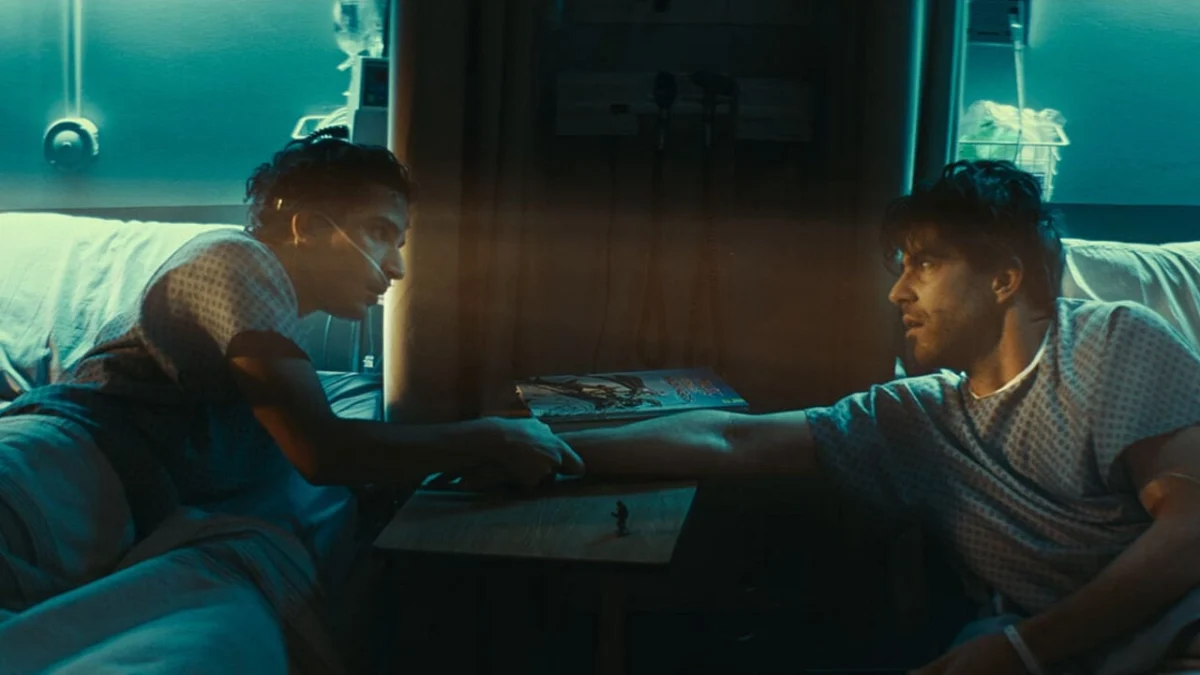
The plot centers on Stan, portrayed by Pierre-Yves Cardinal, a writer recovering from a complex surgical procedure to excise a tumor from his leg. The narrative begins in a state of high tension: Stan is confined to a post-operative recovery bed, hampered by physical immobility and a cumbersome orthopedic rod. The equilibrium of his recovery is shattered by the arrival of a new roommate, a patient allegedly suffering from gunshot wounds and gang-related injuries.
The film utilizes this setup to introduce a secondary, external conflict that fuels Stan’s descent into paranoia. While the roommate ostensibly remains in a comatose state, he periodically breaks character to threaten and taunt Stan, warning of violent retaliation should his own deception be revealed to the hospital staff. This dynamic acts as a catalyst for the protagonist’s psychological unraveling, forcing the audience to navigate a reality where the boundary between physical recovery and mental psychosis is systematically blurred.
The Institutional Critique
At its core, Lautre functions as an indictment of the modern healthcare apparatus. Franchi’s screenplay emphasizes the recurring failures that characterize the hospital environment, such as the mismanagement of pharmaceutical dosages, the negligence of administrative oversight, and the systemic failure to accommodate basic patient rights—such as the guarantee of private accommodations.
The film captures a sense of institutional alienation where the medical staff, often viewed as the primary agents of healing, become sources of secondary trauma. By depicting the hospital not as a sanctuary of recovery but as a site of administrative and physical incompetence, the film reflects a growing body of discourse regarding the "medicalization" of the patient experience. The depiction of nurses failing to adhere to protocols and doctors exhibiting a lack of responsiveness serves to highlight the dehumanizing effects of bureaucratic rigidity in high-stress healthcare environments.
Contextualizing the Filmmaker’s Perspective
The genesis of Lautre is rooted in the personal history of Alexandre Franchi, who has characterized the film as a form of cathartic release. During the TIFF premiere, Franchi noted that the film was an attempt to process his own traumatic encounter with the medical system. In the context of independent cinema, this transition from personal suffering to artistic output is a well-documented phenomenon. The filmmaker uses the medium to externalize feelings of helplessness and frustration that are often stifled by the power imbalance inherent in the doctor-patient relationship.
From a production standpoint, the film relies heavily on the performance of Pierre-Yves Cardinal. His portrayal of Stan is defined by a lack of traditional "heroic" traits; he does not embody the triumphant spirit of the survivor often found in mainstream cancer narratives. This choice aligns with recent trends in realist cinema, which prioritize the psychological reality of chronic illness over inspirational tropes. The film’s refusal to provide a narrative of "fighting" or "conquering" disease is a deliberate subversion of the cultural expectation that patients must project strength to be considered worthy of empathy.
Comparative Analysis of Healthcare Depictions
To understand the significance of Lautre, it is necessary to contrast it with the standard portrayal of medical trauma in film. Historically, medical dramas have functioned as celebrations of professional competence or heroic struggle. Shows like Grey’s Anatomy or films like The Fault in Our Stars often focus on the emotional growth facilitated by illness. Lautre, conversely, occupies a space more closely aligned with the "body horror" and "psychological thriller" genres, suggesting that the most terrifying aspect of illness is not the disease itself, but the environment in which it is treated.
![‘L’autre’ Review: An Uneven Yet Relatable Journey Through the Horrors of the Healthcare System [TIFF]](https://www.dreadcentral.com/wp-content/uploads/2026/09/lautre-e1789288752910.jpg)
This perspective resonates with data regarding patient satisfaction in modern healthcare. According to reports from the World Health Organization (WHO) and various national health boards, patient dissatisfaction is frequently linked to "communication gaps" and "perceived institutional apathy." By dramatizing these systemic inefficiencies, Franchi elevates a private, subjective struggle into a critique of universal public concern. The film argues that the "horror" of the situation is compounded by the inability of the system to recognize the patient’s humanity beyond their clinical diagnosis.
Production and Technical Execution
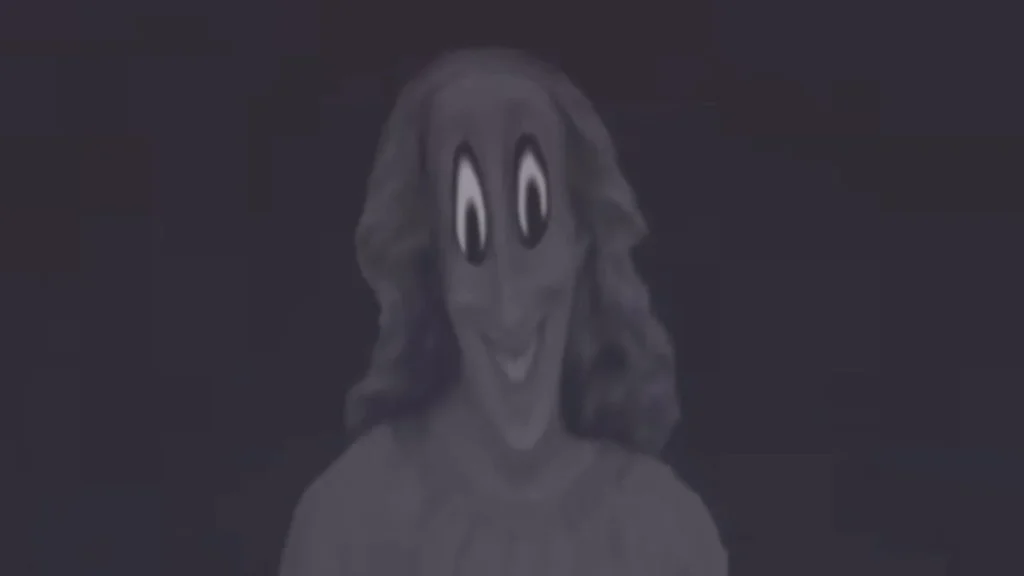
The aesthetic choices in Lautre—characterized by surrealist imagery and disjointed pacing—are designed to mirror the instability of the protagonist’s psyche. The use of hallucinogenic visual cues suggests a break from reality, intended to convey the physiological impact of surgery, medication, and sleep deprivation. While critics have noted that this stylistic approach can sometimes result in an uneven narrative, it succeeds in creating an immersive experience that reflects the disorientation of a hospital stay.
The film’s reliance on dark comedy further serves to deflect the severity of the content. By incorporating moments of absurdity, Franchi creates a tonal dissonance that prevents the film from becoming a strictly somber experience. This, however, presents a challenge for audience reception, as the shifts between the thriller-like paranoia and the grim medical reality are sometimes jarring. Nonetheless, this imbalance can be viewed as an intentional reflection of the chaotic, often illogical nature of the patient’s experience in a busy hospital ward.
Implications and Broader Societal Impact
The release of Lautre arrives at a time when the efficiency and morality of healthcare systems are under significant global scrutiny. Following the widespread disruptions to medical infrastructure caused by recent global health crises, the public has become increasingly attuned to the limitations of medical institutions. The film’s focus on the disconnect between patient needs and provider output highlights a critical societal concern.
By centering on the theme that "it is okay not to be okay," the film challenges the toxic positivity that often surrounds cancer recovery. This sentiment is increasingly supported by medical professionals who emphasize the importance of mental health support for oncology patients. The film’s ultimate implication is that the medical system must evolve to account for the psychological stability of the patient, rather than focusing solely on the physical excision of a disease.
Critical Reception and Festival Context
The reception at the Toronto International Film Festival highlights the film’s role as a niche but significant contribution to Canadian independent cinema. While it may not align with the traditional expectations of a "horror" film, its inclusion in genre-adjacent categories underscores its appeal to audiences interested in psychological and thematic depth. The film serves as a testament to the power of the auteur perspective in translating traumatic life events into a coherent, if challenging, artistic statement.
Ultimately, Lautre provides a sobering look at the reality of institutional care. It avoids the temptation to provide a tidy, uplifting resolution, opting instead to present a portrait of survival that is messy, unheroic, and profoundly human. For audiences and critics alike, the film stands as an invitation to reconsider the narratives we construct around illness and the systems we entrust with our lives. It remains a poignant reminder that the experience of a patient is as much about the environment as it is about the biology, and that for many, the greatest challenge is simply navigating the system itself.