The Mandela Catalogue, the viral analog horror sensation that redefined digital terror for the internet age, is officially slated for a wide theatrical debut on June 9, 2028. This cinematic expansion represents a landmark moment for independent online media, as the project transitions from a grassroots YouTube series into a major studio production backed by a powerhouse coalition including United Artists, Amazon MGM Studios, and Amblin Entertainment. The announcement confirms that the project has moved from the development phase into active production, signaling a significant investment in the potential of "creepy-pasta" and analog horror intellectual properties.
The Genesis and Evolution of the Mandela Catalogue
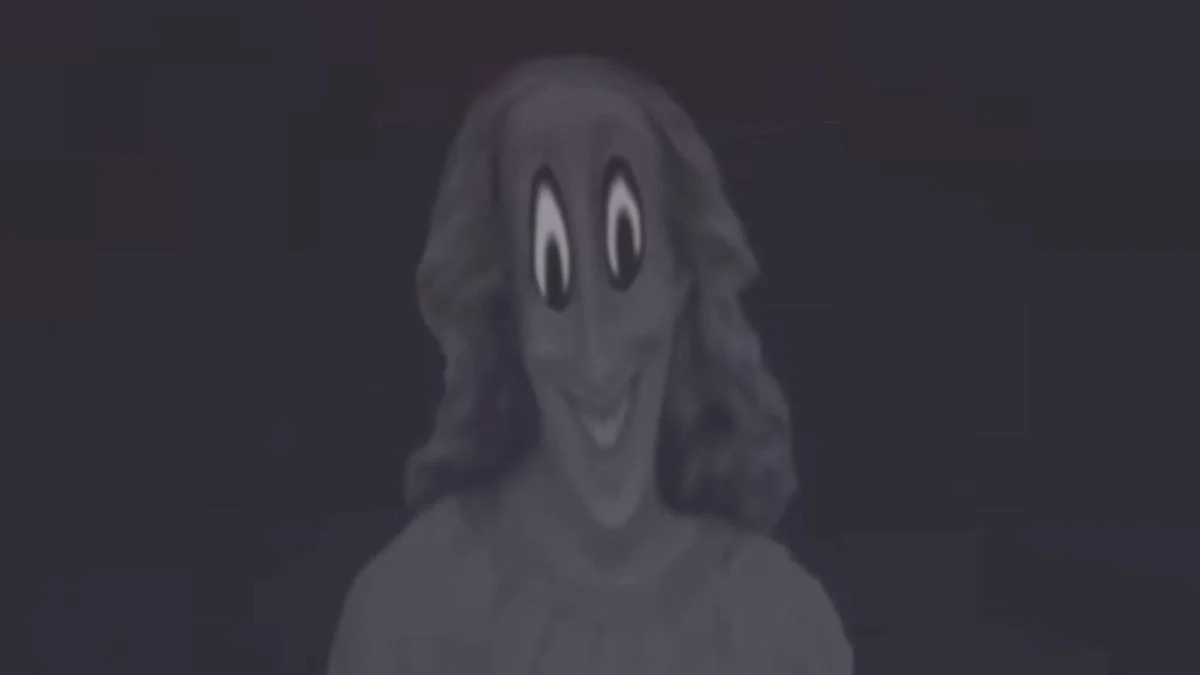
Created by Alex Kister in 2021, The Mandela Catalogue originated as a series of low-fidelity, unsettling videos set within the fictional confines of Mandela County, Wisconsin. The narrative centers on an invasion by "Alternates"—supernatural, shape-shifting entities that mimic human beings to infiltrate households and psychologically torment their victims. By utilizing the aesthetic of 1980s and 90s educational broadcasts, home surveillance footage, and VHS glitches, Kister tapped into a primal vein of existential dread.
The series gained exponential traction through social media discourse and video essay analysis, becoming a cornerstone of the "analog horror" subgenre. Unlike traditional found-footage horror, which relies on high-production camera work, Kister’s work utilized the limitations of digital media to enhance its terrifying impact. The shift to a feature-length film marks a transition from the DIY constraints of a solo creator to a high-budget environment where those same aesthetics will be replicated on a grand scale.
A High-Stakes Bidding War
The path to the big screen was paved by an intense industry competition. Following the project’s rise in popularity, a bidding war involving eleven major studios ensued, underscoring the shift in how Hollywood perceives digital content creators. Ultimately, United Artists’ Scott Stuber and Amblin Entertainment’s Steven Spielberg, in partnership with Amazon MGM Studios, emerged as the successful bidders.
The involvement of Steven Spielberg as a producer serves as a significant endorsement of Kister’s creative vision. Spielberg, whose career has spanned decades of genre-defining cinema, has increasingly taken an interest in the intersection of legacy filmmaking and modern digital phenomena. Alongside Holly Bario, Spielberg will produce the film, ensuring that the project maintains a high standard of narrative structure while preserving the core elements of the source material that resonated with audiences.
Production and Creative Leadership
The transition to film will be helmed by the original creator, Alex Kister, who will serve as both the director and a co-writer. This is a crucial detail for fans of the original series, as it ensures creative continuity. Kister is joined in the writing room by Tyler Clifton. The production team is equally robust: Aaron B. Koontz of Paper Street Pictures, along with Scott Stuber and Nick Nesbitt representing United Artists, have been tapped to oversee the logistics of the project.
The production structure suggests a blend of established industry expertise and the unfiltered vision of the original creator. By keeping Kister in the director’s chair, the studios are aiming to maintain the "uncanny valley" aesthetic that made the YouTube series a viral phenomenon, while utilizing the technical resources of Amblin to expand the lore of Mandela County into a cohesive, feature-length narrative.
The Rise of Digital-to-Theatrical Adaptations
The Mandela Catalogue is not an isolated incident but rather the latest indicator of a broader trend in the film industry. Over the past several years, Hollywood has aggressively sought to capitalize on established online horror franchises that have already cultivated loyal, built-in audiences.

The success of recent adaptations, such as the film adaptation of the Backrooms series directed by Kane Parsons and the critically received Obsession by Curry Barker, has proven that digital-first intellectual property is a viable alternative to traditional literary or comic book adaptations. Furthermore, the development of a Siren Head film, spearheaded by industry heavyweights Zach Cregger and Brian Duffield, highlights the institutional belief that internet-born mythology contains the same "myth-making" potential as traditional folklore.
This shift is driven by data. Studios are looking for projects that possess an existing community, reducing the "discovery" risk associated with new, unproven concepts. The Mandela Catalogue boasts millions of views and a deeply engaged fanbase, providing the studios with a roadmap of what audiences find compelling, while simultaneously offering a pre-built marketing base.
Strategic Implications for the Horror Genre
The move to bring The Mandela Catalogue to the big screen has significant implications for the horror genre. By validating the analog horror subgenre through a theatrical release, studios are signaling that the medium is no longer a niche curiosity but a primary driver of box office performance.
For the independent creator, this represents a new paradigm of success. In the past, the journey from YouTube to Hollywood was rare and often required long, arduous transitions through traditional television pilots or minor commercial work. Today, creators like Kister are being approached directly, allowing them to scale their projects significantly without abandoning their original creative identity.
However, this transition also presents challenges. Translating a non-linear, atmospheric, and intentionally grainy series into a standard 90-to-120-minute feature film requires a delicate balance. The challenge for Kister and his writing team will be to expand the lore of Mandela County—which currently functions through cryptic vignettes—into a narrative that holds the attention of a general audience who may not be familiar with the original YouTube shorts.
The 2028 Outlook
The June 9, 2028 release date positions the film as a summer tentpole project. While June is traditionally dominated by big-budget action franchises, the placement of a horror film of this caliber suggests that Amazon MGM and United Artists are confident in the broad appeal of the project.
The industry will be watching this release closely. If The Mandela Catalogue proves successful, it will likely accelerate the acquisition of other viral horror properties by major studios. Conversely, if it fails to translate, it may force a reassessment of how these digital-native stories are adapted.
As of now, the project remains in the development-to-production pipeline. While details regarding the cast and specific plot beats remain under wraps, the collaboration between the legendary Amblin Entertainment and the modern architect of analog horror is arguably one of the most anticipated horror collaborations of the decade. For now, the public is left with the original series as a guide, waiting to see how the horrors of Mandela County will translate to the silver screen when they arrive in theaters in the summer of 2028.