The cinematic mummy, a figure often shrouded in an aura of mystery and dread, has long captivated audiences and filmmakers alike. While its fellow monsters like vampires and werewolves have well-defined archetypes—the seductive undead, the tormented shapeshifter—the mummy’s essence can be more elusive. Often depicted as a shambling, bandaged entity, its inherent cinematic appeal has been questioned. Yet, a deeper examination of the mummy’s journey through film reveals a rich tapestry of cultural interpretations, evolving tropes, and enduring thematic resonance, from its early 20th-century origins tied to Egyptology to its postmodern reinventions.
From Egyptology Frenzy to Early Screen Apparitions
The birth of the mummy film is inextricably linked to the burgeoning field of Egyptology in the early 20th century. The unearthing of ancient tombs and the subsequent global fascination with Egyptian artifacts fueled a cultural fervor that quickly found its way into early cinema. Short films, often with titles like "The Egyptian Mummy," began to emerge, typically featuring comedic narratives of reanimated corpses, though these early iterations often involved charlatans or mad scientists rather than genuine ancient curses. These initial portrayals, though rudimentary, laid the groundwork for a cinematic monster that would continue to be reinterpreted for decades.
A notable early example, "Mercy, the Mummy Mumbled" (1918), produced by an all-Black cast and crew, added a complex layer to the mummy narrative. This film introduced elements of repatriation and cultural heritage, as Egyptian emissaries sought the stolen mummy for its return. While the film was produced by a white-owned company and aimed at a predominantly white audience, and despite other works from the same company featuring more overt racism, this particular narrative offered a nuanced, albeit humorous, commentary on the colonial appropriation of artifacts. This film is also credited with potentially being the first mummy movie to feature an unravelling gag, a visual trope that would become a hallmark of the genre.

Universal’s Iconic Mummy and the Shaping of a Genre
The landscape of mummy cinema was irrevocably altered by Universal Pictures’ "The Mummy" in 1932, starring Boris Karloff. This film solidified many of the genre’s enduring conventions: archaeological expeditions, ancient scrolls, elaborate makeup, and, of course, the specter of an ancient curse. Karloff’s portrayal, while heavily reliant on makeup to depict Imhotep as a living Egyptian man for much of the film, eventually embraced the bandaged mummy aesthetic, a visual that would define the creature for generations. This interpretation, though entertaining, has been critiqued for perpetuating Orientalist and colonialist perspectives, largely influenced by the widespread public imagination surrounding the supposed "curse" of Tutankhamun’s tomb, which was discovered in 1922 and generated immense global attention.
Universal’s success with "The Mummy" led to a string of sequels and related films throughout the 1940s and 1950s, including "The Mummy’s Hand" (1940), "The Mummy’s Tomb" (1942), "The Mummy’s Ghost" (1944), and "The Mummy’s Curse" (1944). Even comedy legends Abbott and Costello met the bandaged menace in "Abbott and Costello Meet the Mummy" (1955). These films, while contributing to the popular Western understanding of mummies and, to an extent, Egyptian culture, often reinforced stereotypes and a colonial gaze upon the region. It is crucial to note that the ancient Egyptian practice of mummification was deeply spiritual, focused on preserving the soul for the afterlife, and not inherently linked to reanimation as depicted in these films.
Global Reinterpretations: Beyond Hollywood’s Gaze
As the mummy film evolved, its narrative potential expanded beyond Hollywood. Other global film industries began to adopt and adapt the mummy archetype, often integrating it into their own cultural mythologies and histories. Mexican cinema, in particular, became a fertile ground for mummy narratives, frequently featuring them in luchador films, often alongside other classic monsters. In these Mexican productions, mummies were frequently imbued with demonic power and served as formidable, yet ultimately defeatable, adversaries for wrestling heroes like El Santo. Films such as "Santo and Blue Demon Against the Monsters" (1970) exemplify this trend.
More directly engaging with mummy tropes and local history, the "Aztec Mummy" trilogy (1957-1958) emerged. Reportedly, screenwriter Alfredo Salazar drew heavily from Universal’s mummy formula, possibly to circumvent copyright issues. These films, however, incorporated aesthetics and historical elements more closely aligned with the naturally mummified bodies found in Guanajuato, a popular tourist attraction. The trilogy’s third installment, "The Robot vs. The Aztec Mummy" (1958), showcased a chaotic blend of genres, featuring a mummy that bore a resemblance to Leatherface. While these films, like many early mummy movies, often conflated different cultures and historical inaccuracies (Aztecs used pictographs, not hieroglyphics, and Incas, not Aztecs, practiced mummification), their madcap spirit offered a distinctively local flavor.

Brazil also contributed unique mummy films, notably "O Segredo da Múmia" (The Secret of the Mummy, 1982). This film tapped into the tradition of early mummy shorts with a scientist seeking the elixir of life who awakens a spurned lover-turned-mummy. The film embraced a campy, pornochanchada style—a Brazilian subgenre characterized by eroticism and anarchic comedy—prioritizing a pastiche of genres and iconography over strict localization.
The United Kingdom’s Hammer Films offered a less romanticized, more action-oriented take on the mummy in "The Mummy" (1959), with Christopher Lee portraying the bandaged monster as a terrifying force. While more dynamic, this iteration also carried a discernible colonial sheen. Hammer’s subsequent mummy films were less impactful, though "Blood from the Mummy’s Tomb" (1971) presented an intriguing, albeit occult-focused, departure from the standard mummy narrative.
Interestingly, Egypt itself, possessing one of the most robust film industries in the Arab world, has largely eschewed the mummy as a cinematic subject. A significant exception is Youssef Chahine’s "The Night of Counting the Years" (1969), also released as "The Mummy." This neo-realist masterpiece, set in 1881, predates British colonial rule and is based on a true story of tomb raiding and the illicit trade of ancient relics. The film critically examines the value of heritage and tradition, and the profound threat to history itself, both from external forces and internal corruption. The pilfered mummies in the narrative become potent symbols of history being stripped of its authenticity.
Postmodern Mummies and the Confrontation with Mortality
In recent decades, the mummy film has embraced a more populist and postmodern sensibility. The Brendan Fraser-led "The Mummy" franchise (1999, 2001, 2008) achieved massive commercial success, offering irresistible popcorn entertainment while simultaneously drawing criticism for its superficial and ill-considered Orientalism. The recent announcement of a potential fourth installment, coinciding with Fraser’s career resurgence, suggests that the franchise’s appeal extends beyond mere nostalgia, hinting at a continued audience demand for its swashbuckling, adventurous formula.

Universal Pictures’ attempt to launch a "Dark Universe" with Tom Cruise’s "The Mummy" (2017) faltered critically and commercially, leading to the franchise’s cancellation. This iteration is perhaps best remembered for a viral trailer incident featuring the wrong audio track, a clip that continues to resurface on social media.
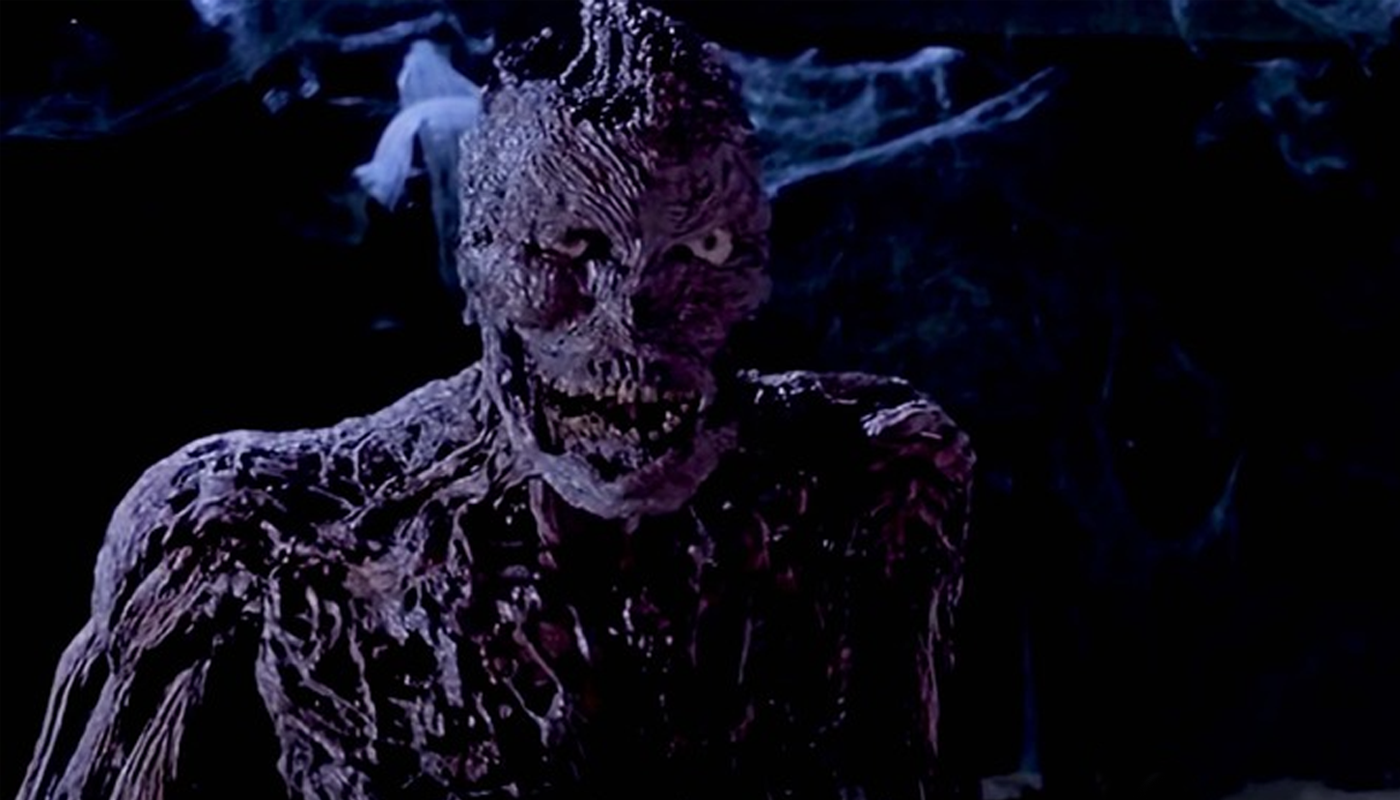
However, arguably the most compelling postmodern take on the mummy figure is Don Coscarelli’s "Bubba Ho-tep" (2002). This cult classic presents a wildly imaginative scenario where a still-living Elvis Presley teams up with a black-dyed John F. Kennedy to battle an ancient Egyptian mummy terrorizing their nursing home. Despite its puerile and juvenile humor, the film masterfully uses the mummy as a vehicle for a poignant exploration of aging, legacy, and the confrontation with mortality. Elvis’s existential question, "In the end… does anything really matter?" encapsulates the film’s profound undercurrent.
The Eternal Specter: Mummification as Metaphor
The enduring fascination with the mummy film, from its earliest comedic portrayals to its most contemporary philosophical explorations, lies in its primal connection to the fear of death and the human desire for preservation. As André Bazin famously posited in his essay on the ontology of the photographic image, cinema itself is akin to a form of mummification, capturing life in a representation that defies the inevitable decay of time. The mummy, as a preserved being, embodies this struggle against oblivion.
Whether depicted as a vengeful ancient spirit, a colonialist symbol, or a quirky nursing home antagonist, the mummy ultimately serves as a potent metaphor for the inescapable nature of death. The films, in their own unique ways, reflect a persistent human impulse to confront this ultimate adversary, and perhaps, in their celluloid immortality, offer a form of warding off the darkness. The meaning of the mummy on screen, much like the mummy itself, continues to be reanimated and reinterpreted, ensuring its place in the pantheon of cinematic monsters.