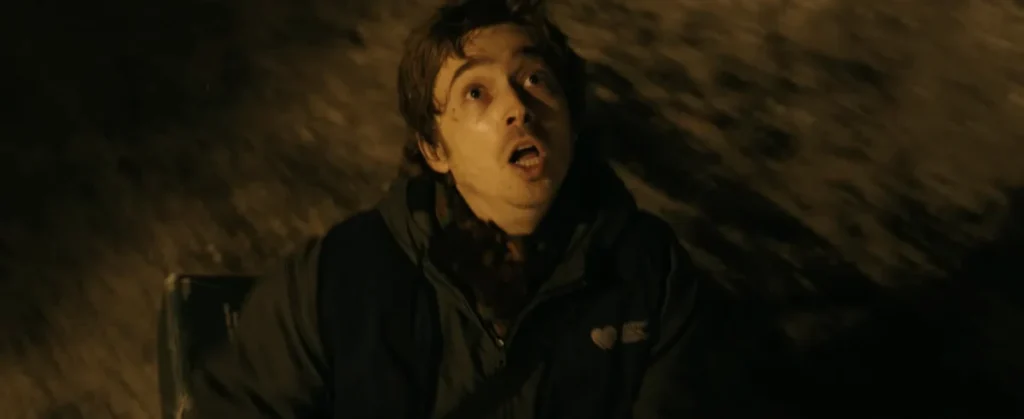
The independent film landscape is abuzz with the completion of principal photography for Chronos, an ambitious thriller that weaves together elements of Greek mythology, time travel, and intense personal stakes. Headlining the project is Anirudh Pisharody, known for his role in the popular Netflix series "Never Have I Ever." The film, described as an "indie thriller" by industry publication Deadline, presents a premise that is both peculiar and compelling, suggesting a narrative that ventures beyond conventional genre boundaries.
A Father’s Desperate Journey Through Myth and Time
At its core, Chronos centers on a father whose world shatters when his family vanishes without a trace from a Greek beach. This sudden, inexplicable disappearance becomes the catalyst for a surreal odyssey. The narrative unfolds as an ancient device lures the distraught father to a clandestine island. There, he finds himself thrust into a trial orchestrated by the very fabric of time and fate. His unlikely allies include a "fallen god of time," suggesting a deity stripped of power or influence, and his adversaries, the formidable "goddess of fate." The ultimate objective for the protagonist is to navigate this perilous landscape and reach Mount Olympus, the mythical home of the gods, before the divine powers conspire to erase his loved ones from existence.
This high-concept premise immediately distinguishes Chronos as a project with significant storytelling potential. The fusion of a relatable, human tragedy with the epic scope of Greek mythology offers a fertile ground for exploring themes of destiny, free will, the power of love, and the consequences of divine intervention. The "indie" classification suggests a focus on creative vision and potentially a more intimate, character-driven approach, even within a grand mythological framework.
An Ensemble Cast Bringing Myth to Life
Anirudh Pisharody’s casting in the lead role is a significant draw, bringing a proven talent with a growing fanbase to the project. He is joined by a notable ensemble of actors who are set to bring the film’s complex characters and world to life. Tongayi Chirisa, recognized for his role in "Anne Rice’s Mayfair Witches," adds another layer of genre appeal and experience to the cast. The inclusion of Eleni Sotiropoulou and Lisa Morrell further solidifies the film’s commitment to a strong supporting cast, whose performances will be crucial in grounding the fantastical elements of the story. The specific roles these actors will inhabit within the mythological context remain undisclosed, but their presence suggests a well-rounded and experienced team.
The Allure of Greek Mythology in Contemporary Cinema
The enduring fascination with Greek mythology in popular culture is well-documented. From blockbuster epics like the Clash of the Titans franchise to more recent interpretations and thematic explorations in series like Percy Jackson, these ancient stories continue to resonate with modern audiences. Chronos‘s engagement with this rich tapestry of myths and legends taps into a proven audience interest. The film’s premise, which involves a direct confrontation with deities and the manipulation of time, promises a visually and narratively engaging experience.

The comparison drawn by some observers to Christopher Nolan’s highly anticipated adaptation of Homer’s The Odyssey highlights the current zeitgeist for epic, mythologically inspired narratives. While Chronos operates within the independent film sphere, its ambitious scope and thematic depth suggest it aims to offer a unique and thought-provoking contribution to the genre, potentially appealing to audiences seeking more than just spectacle.
Production Details and Creative Team
Chronos was helmed by director Gianinni Semedo Moreira, who also serves as one of the film’s producers alongside Samantha Gao. The choice of Greece as the primary filming location is a strategic decision that lends an authentic and immersive quality to the narrative. The island settings, ancient landscapes, and potentially the very air of the country where these myths originated can significantly enhance the film’s visual storytelling and thematic resonance.
The production details, though sparse, indicate a focused and dedicated effort to bring this unique story to the screen. The independent nature of the film likely allowed for greater creative freedom, potentially leading to innovative interpretations of mythological concepts and character arcs. The collaboration between Moreira, Gao, and the cast and crew suggests a shared vision for realizing the ambitious narrative of Chronos.
Potential Implications and Future Outlook
The success of an independent film like Chronos often hinges on its ability to carve out a distinct niche and resonate with a specific audience. Its unique premise, blending personal drama with mythological fantasy, positions it as a potential breakout hit within the festival circuit or through specialized distribution channels. The film’s exploration of themes such as fate versus free will, the power of human resilience in the face of overwhelming odds, and the nature of divinity offers ample opportunity for critical acclaim and audience engagement.
The performance of Anirudh Pisharody in a leading dramatic role will also be closely watched. His transition into a more complex, high-stakes narrative could further elevate his profile and demonstrate his range as an actor. Similarly, the success of Chronos could pave the way for further exploration of similar mythological concepts within the independent film community, fostering a new wave of creative storytelling rooted in ancient lore.
While specific release plans for Chronos have not yet been announced, the completion of filming marks a significant milestone. The film’s intriguing premise, strong cast, and ambitious thematic scope suggest it is a project worth anticipating for fans of thrillers, mythological narratives, and innovative independent cinema. The journey from the sun-drenched beaches of Greece to the mystical realm of Olympus promises a captivating cinematic experience. The narrative challenges the protagonist to confront not only mythical beings but also the very essence of his reality, making Chronos a compelling addition to the evolving landscape of genre filmmaking. The film’s potential to deliver both intellectual depth and visceral thrills positions it as a significant undertaking in the current cinematic climate, where audiences increasingly seek original and thought-provoking content.