The intersection of two distinct Capcom intellectual properties, the dystopian sci-fi epic Pragmata and the legendary Mega Man franchise, has taken center stage in a series of collaborative social media exchanges. This digital interaction, occurring throughout mid-September 2026, serves as a high-profile promotional bridge between the established, decades-spanning legacy of the Blue Bomber and the modern, technologically ambitious world of Pragmata. The engagement centers on the integration of classic Mega Man aesthetics into the Pragmata universe via upcoming downloadable content (DLC), marking a strategic marketing alignment for the Japanese publisher.
Chronology of the Collaborative Exchange
The sequence of events began on September 14, 2026, when the official Mega Man social media account initiated the dialogue. The account posted an unadorned, logo-less image showcasing the upcoming Mega Man: Dual Override, accompanied by a formal definition of the protagonist: "Who is ‘Mega Man’? A kind-hearted and righteous robot who uses his Mega Buster and special weapons to overcome challenges."
The Pragmata account, representing the lunar-based sci-fi title, responded almost immediately with a curated illustration featuring its lead characters, Diana and Hugh. In a nod to the iconic source material, the characters were depicted wearing costumes inspired by Roll and Mega Man, respectively. The accompanying caption, written from the perspective of Diana, read: "This illustration’s style is nice. Maybe I’ll copy it?"
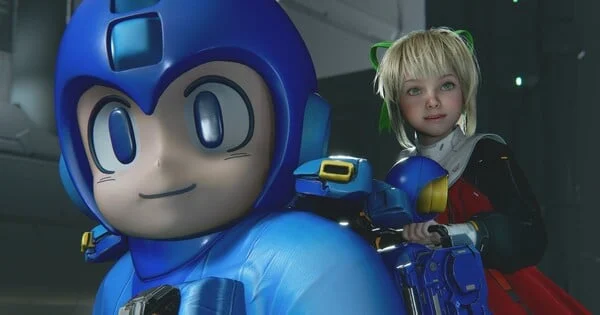
The playful banter continued as the Mega Man account issued a reaction image depicting a surprised, unarmored Mega Man. The accompanying text, "Huh? I look somewhat different…?" maintained the narrative of a lighthearted encounter between the two worlds. The Pragmata team responded by escalating the effort, sharing a custom-rendered illustration of Diana and Mega Man rendered in the specific, cel-shaded art style characteristic of the classic series. The caption, "Diana: ‘I tried getting closer to the Mega Man artstyle! What do you think?’" highlighted the artistic versatility of the Pragmata development team.
The exchange concluded with a final promotional flourish: an action-oriented illustration featuring both characters in a dynamic, high-energy pose. The post directly referenced the previous creative efforts, with Diana asking, "Did you see the last illustration? This time it’s our best pose!" This final interaction underscored the core purpose of the exchange: to raise awareness for the incoming Mega Man and Roll themed skins for Pragmata’s lead characters.
Contextualizing the Collaboration
This marketing initiative follows a period of significant development for Pragmata. After being first unveiled in 2020 with a trailer that captivated audiences, the project faced several years of refinement. Originally slated for a 2022 release, the title underwent multiple delays—a common occurrence in the high-stakes world of AAA game development—before eventually launching on April 17, 2026. This release date was notable for arriving one week earlier than the previously communicated April 24 target, signaling a successful final phase of production.
The game is currently available on PlayStation 5, Xbox Series X|S, Nintendo Switch 2, and PC via Steam. Capcom’s investment in the title is evident in its technical specifications, which lean heavily into next-generation features such as real-time ray tracing and immersive environmental design. By positioning the game as a showcase for "new next-gen tech," Capcom has sought to establish Pragmata as a flagship experience for the current hardware cycle.
Supporting Data and Franchise Background
The Mega Man franchise, known in Japan as Rock Man, remains one of Capcom’s most enduring assets. Since its debut on the Nintendo Entertainment System in 1987, the series has spawned 12 major installments and countless spin-offs, including the Mega Man X, Mega Man Zero, Mega Man ZX, and Mega Man Battle Network lines. The latest iteration, Mega Man: Dual Override, represents the franchise’s continued relevance nearly four decades after its inception.
The integration of such a heritage brand into a newer, more experimental property like Pragmata is a calculated maneuver. Historically, cross-pollination between legacy franchises and new IPs acts as a "trust bridge," inviting fans of established series to explore newer, perhaps riskier, gameplay experiences. The inclusion of Mega Man and Roll skins is not merely aesthetic; it functions as a reward for the existing player base and an incentive for potential buyers to engage with the Pragmata ecosystem.
Implications for Capcom’s Marketing Strategy
The "crossover" event, while contained to social media, reflects a broader trend in digital entertainment marketing: the use of narrative-driven community management. Rather than simply issuing a press release announcing the DLC, the teams behind Pragmata and Mega Man created a brief, episodic narrative that allowed fans to interact with the characters themselves.
This strategy offers several benefits:
- Audience Retention: By keeping the characters active in a social context, the publisher maintains engagement with the game during the post-launch cycle.
- Brand Synergy: The interaction reinforces the perception of Capcom as a cohesive entity where internal properties can interact, effectively creating a "Capcom Universe" feel that encourages cross-purchase behavior.
- Low-Friction Advertising: The casual, illustration-heavy nature of the posts is inherently shareable, increasing the likelihood of organic reach compared to traditional, rigid promotional content.
From an analytical standpoint, this event underscores the shift in how publishers handle post-launch support. DLC is no longer just "added content"; it is a storytelling event that requires dedicated community management to ensure that players remain invested in the game’s longevity.
Broader Industry Context
The development lifecycle of Pragmata serves as a case study for the industry’s current challenges. The 2025 delay and the subsequent 2026 release highlight the pressure on major developers to balance the high expectations of next-generation graphical fidelity with the necessity of a stable, polished launch.
The successful launch on April 17, 2026, across four major platforms, coupled with the availability of a comprehensive demo, demonstrates a shift toward more transparent communication from Capcom. The current interaction with the Mega Man brand acts as a continuation of this transparency, moving from purely functional updates (like patch notes or hardware compatibility) to personality-driven community interaction.
As the industry continues to evolve, the ability for franchises to coexist within the same marketing space will likely become a key differentiator for companies with deep back catalogs. By allowing Diana and Hugh to step into the boots of the Blue Bomber, Capcom has effectively revitalized interest in its new IP while simultaneously reminding a modern audience of the enduring popularity of its most iconic robot.
As of late 2026, the Pragmata community remains active, with the upcoming DLC skin pack expected to sustain interest through the holiday season. The success of this collaborative campaign may set a template for future Capcom collaborations, where disparate genres and art styles are unified through the company’s shared corporate identity, ensuring that legacy characters continue to find a home in the latest generation of interactive entertainment.