The 76th Primetime Emmy Awards concluded with a significant ideological shift in peer recognition, highlighting creator-driven narratives over standardized franchise content. Across the broader entertainment and scientific landscapes, this week has brought monumental developments, ranging from cinematic revivals to biological discoveries. While television academy voters favored idiosyncratic storytelling, streaming platforms prepared major franchise releases, zoologists unveiled a century-first taxonomic breakthrough, and literary enthusiasts welcomed the onset of atmospheric mystery season.
Television Excellence and the Rise of Singular Storytelling
The recent Primetime Emmy Awards ceremony delivered a resounding endorsement of original, specialized television programming. Industry analysts noted a distinct departure from previous years, where long-running multi-season juggernauts frequently dominated major categories. Instead, voters directed accolades toward distinct creators working with contemporary anxieties through peculiar narrative lenses.
Among the evening’s most celebrated victors was Kate Flynn, who secured her first Emmy win for her nuanced portrayal of Patricia in the critically acclaimed drama Widow’s Bay. The momentum continued as Matthew Rhys claimed two competitive trophies, including one for his work on Widow’s Bay, cementing his status as a titan of prestige television. Additionally, Rhea Seehorn earned a long-awaited and widely celebrated Emmy for her standout performance in Pluribus.
These victories extend beyond individual acclaim, functioning as a vital referendum on the current state of media production. Both Widow’s Bay and Pluribus represent high-concept, single-creator visions that eschew broad demographic pandering in favor of specialized, auteur-driven storytelling. Cultural critics have increasingly argued that mainstream Hollywood has grown overly reliant on intellectual property recycling, cinematic universes, and risk-averse adaptations. The prominence of these specific titles at a major industry gala suggests that voting bodies—and by extension, audiences—crave narrative risk and idiosyncratic world-building. Industry insiders hope this validation encourages major studios and streaming conglomerates to greenlight bolder, unconventional projects from independent creators.
Cinematic Horizons: Resident Evil Reimagined and Jackass Returns
Moving from the television screen to the cinematic sphere, upcoming theatrical and streaming releases are generating substantial discourse among critics and audiences alike. Paramount+ is preparing for the September 24th premiere of Jackass: Best and Last, signaling the enduring cultural footprint of the pioneering reality-stunt franchise.
In his comprehensive analysis for Aftermath, critic Joshua Rivera contextualized the cultural longevity of the Jackass phenomenon. Rivera observed that the franchise’s seemingly absurd physical comedy transcends mere shock value, serving instead as a profound sociological mirror. The enduring appeal of the ensemble’s self-inflicted punishment lies in its radical vulnerability and the transparent camaraderie required to endure mutual humiliation. Far from a relic of early-2000s shock culture, Jackass persists as a relevant cultural touchstone regarding male friendship, physical vulnerability, and the performative recklessness that defines the human impulse to feel alive.
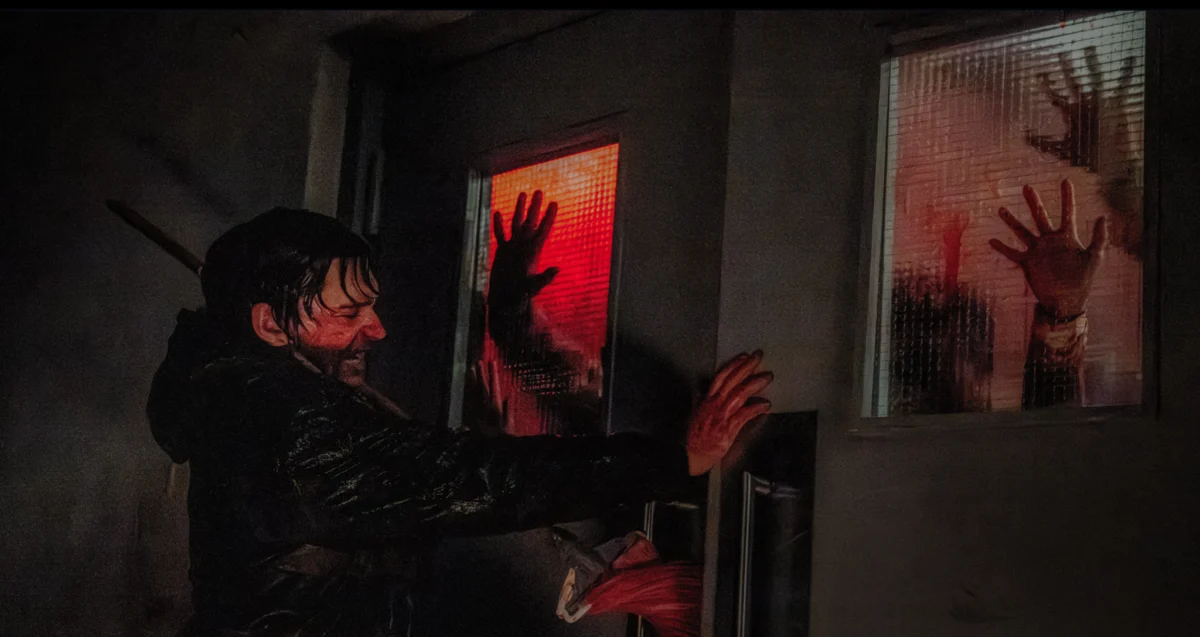
Simultaneously, the horror and video game adaptation space is abuzz with the release of the latest Resident Evil cinematic project. Adapting survival horror video games for the silver screen has historically proven treacherous, with a notoriously mixed critical legacy spanning over two decades. However, initial critical reception for this newest installment points toward a welcoming entry point for audiences who traditionally struggle with interactive media. Reviewers have highlighted the film’s ability to capture the claustrophobic dread and high-stakes panic of the source material while maintaining accessible cinematic pacing. Rather than demanding encyclopedic knowledge of the video game lore, the production successfully translates the fundamental mechanics of survival, panic, and resource management into a narrative cinematic experience.
Biological Milestone: The Discovery of Leopardus Tilcayo
Away from screens and streaming queues, the natural sciences community is celebrating a historic zoological discovery. For the first time in nearly a century, researchers have officially identified and classified a brand-new cat species. The newly documented feline, Leopardus tilcayo, inhabits the eastern slopes of the Andes mountain range in Bolivia, representing a monumental leap forward for mammalian taxonomy.
The last comparable discovery occurred in 1923 with the classification of the pampas cat. Leopardus tilcayo is distinguished by its remarkably diminutive stature—measuring even smaller than the average domestic housecat—while sporting the striking, intricate rosette coat patterns typically associated with much larger leopards.
According to reports published by National Geographic, the implications of this discovery extend far beyond the addition of a charming new animal to textbooks. The foundational research paper detailing Leopardus tilcayo fundamentally redraws the modern cat family tree, introducing previously unmapped phylogenetic branches and proving that biological diversity within small neotropical felines has been significantly underestimated. Furthermore, conservation biologists express optimism that the advanced genomic and morphological identification methodologies utilized to isolate Leopardus tilcayo can be rapidly deployed across other vulnerable global ecosystems. This technological advancement could accelerate the discovery of hidden wildlife populations and radically improve targeted conservation strategies for endangered species worldwide.
Seasonal Shifts and Literary Mystery Traditions
As autumn settles into the Northern Hemisphere, cultural consumption patterns naturally pivot toward atmospheric storytelling, dark academia, and complex procedural mysteries. This transitional period—frequently dubbed "Secret History season" by online literary communities—brings a renewed public appetite for narratives rich in psychological tension, hidden archives, and intricate puzzle-solving.
While literary traditionalists often associate quintessential mystery-reading with deep winter, the preliminary weeks of autumn consistently inspire readers to revisit classic whodunits, espionage thrillers, and speculative detective fiction. Current reading trends highlight a resurgence of interest in immersive, slow-burn mysteries, ranging from contemporary spy procedurals like Slow Horses to complex speculative narratives such as The Witness for the Dead.
Concurrently, readers are rediscovering modern classics like Kate Milford’s 2014 middle-grade novel Greenglass House. Set within a snow-bound winter inn frequented by smugglers and mysterious travelers, the novel utilizes tabletop role-playing game mechanics as a framework for its youthful protagonists to unravel a web of local secrets. The enduring appeal of such works highlights a persistent cultural desire for localized, tactile world-building—qualities that critics frequently argue contemporary prestige television would do well to emulate. As audiences balance high-stakes cinematic releases, scientific breakthroughs, and the shifting seasonal literary landscape, the cultural appetite for genuine narrative specificity remains as potent as ever.