The Oldenburg International Film Festival, an event renowned for its commitment to independent cinema and challenging narratives, served as the global stage for the premiere of Murderous, the latest directorial effort from Neil LaBute. Known for his unflinching examinations of human cruelty and moral ambiguity in works such as In the Company of Men and Nurse Betty, LaBute returns to the psychological thriller genre with a claustrophobic, three-person chamber piece. The film, which clocks in at 107 minutes, attempts to navigate the dangerous intersection of artistic ownership, romantic history, and violent retribution. However, critical reception at the festival suggests that while the premise touches on a perennial fascination with the consequences of plagiarism—a theme explored in recent pop culture hits like Jean Hanff Korelitz’s The Plot—the execution struggles to achieve the atmospheric tension of its intended cinematic predecessors.
Chronology of the Narrative Structure
The film is bifurcated into two distinct chapters, titled "Him" and "Her," a structural choice that highlights the escalating isolation of the protagonist. The story centers on Marian, played by long-time LaBute collaborator Gia Crovatin, a filmmaker who has achieved significant critical and financial acclaim following the release of her debut horror film, also titled Murderous.
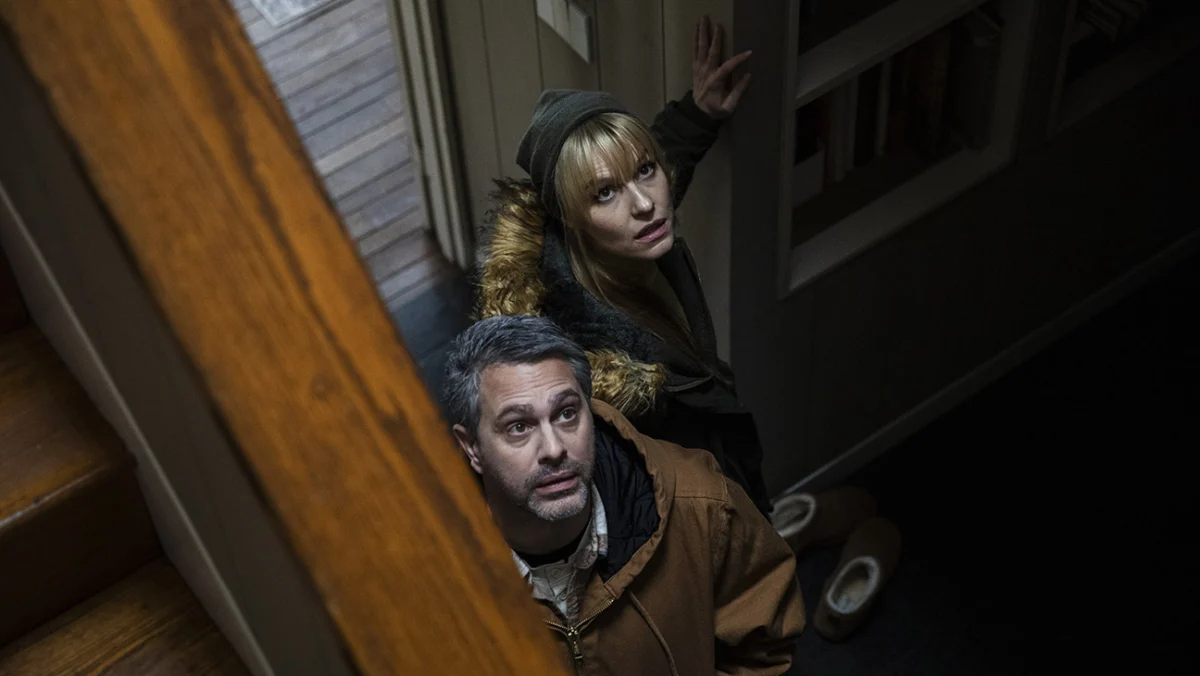
The narrative catalyst occurs when Marian is visited at her secluded, converted-mill residence by Norman, portrayed by Thomas Sadoski. Norman, a former acquaintance from their time together in an academic setting, initiates a confrontation based on a long-standing grievance: he claims to be the original architect of the concepts behind Marian’s successful film. The tension in this opening act is driven by the power dynamic between the two, as Norman demands recognition and, implicitly, financial compensation for his alleged contributions.
The second chapter, "Her," introduces Jordan Baker as Lila, a character who initially presents herself as a fan seeking autographs. The arrival of this second intruder shifts the film’s tone, forcing the protagonist into a defensive posture that occupies the remainder of the runtime. The narrative relies heavily on these interactions, mirroring the minimalist staging of classic thrillers like Alfred Hitchcock’s Rope or Joseph L. Mankiewicz’s Sleuth, though early analysis suggests the film lacks the narrative finesse required to elevate these stage-bound mechanics to the level of its inspirations.
Contextualizing the Theme of Intellectual Property Theft
The central conflict of Murderous—the appropriation of creative labor—is a subject that has gained significant traction in both legal and artistic spheres in recent years. In the creative industries, the distinction between inspiration and theft is often blurred, leading to frequent litigation and public discourse. By centering his plot on the claim that a film’s premise was stolen, LaBute taps into a pervasive anxiety among artists.
Data from the Authors Guild and the Writers Guild of America (WGA) consistently highlight that copyright infringement and credit disputes remain among the most contentious issues in modern media. While Murderous uses this premise as a springboard for a thriller, the film serves as a fictionalized mirror to real-world disputes that have increasingly populated court dockets. The inclusion of props in the film—specifically, artifacts linked to literary figures like Truman Capote, Willa Cather, and Shirley Jackson—serves as a symbolic anchor, grounding the characters’ dispute in the broader history of literary prestige and the "death of the author" discourse.
Production and Creative Constraints
Murderous was produced under a minimalist framework, a signature of LaBute’s recent projects. By restricting the film to a single location and a cast of three, the production emphasizes the psychological pressure cooker intended to define the characters’ moral degradation.
- Director-Screenwriter: Neil LaBute
- Key Cast: Gia Crovatin, Thomas Sadoski, Jordan Baker
- Running Time: 107 minutes
- Venue: Oldenburg International Film Festival
Despite these creative parameters, the film has faced criticism for its pacing. Industry analysts attending the premiere noted that the 107-minute duration creates a sense of "narrative claustrophobia" that occasionally undermines the urgency of the plot. In the context of contemporary thriller filmmaking, where tighter editing and rapid pacing are often prioritized to maintain audience engagement, the extended length of Murderous has been cited as a significant hurdle to its overall impact.
Industry Commentary and Theatrical Implications
While official statements from the production team remain limited, industry insiders suggest that LaBute’s script includes a meta-commentary on the state of the film industry itself. A notable sequence in the second act features the protagonist, Marian, engaging in a monologue regarding the systemic frustrations of navigating movie distributors and the marketing machinery of the entertainment sector. Observers have noted that this segment feels distinct from the rest of the dialogue, functioning as an unfiltered critique of the commercial realities that directors like LaBute face.
This "meta" element serves as a double-edged sword. While it provides a window into the author’s own professional frustrations, it also contributes to the perception that the film is a "stagy" exercise. Critics have observed that the mechanisms used to drive the plot forward—specifically the revelations regarding Lila’s identity—lack the necessary subtlety, often feeling like forced interventions rather than organic developments. The struggle to bridge the gap between theatrical artifice and cinematic realism remains a central point of contention in the initial reviews emerging from Oldenburg.
Broader Impact and Market Reception
The impact of Murderous on the broader landscape of independent film may be limited by its divisive reception. For an independent feature, success is often measured by its ability to secure distribution deals and generate discourse regarding its thematic content. The film’s focus on the darker side of ambition and the consequences of deception aligns with the "prestige thriller" trend, yet the consensus suggests it may struggle to find a wide audience outside of the festival circuit.
Furthermore, the film’s reliance on familiar tropes—the uninvited guest, the hidden secret, the sudden shift toward sexual or violent volatility—places it firmly within the LaBute canon, for better or worse. For fans of his earlier, more aggressive work, the film may serve as a familiar return to form. However, for those looking for a more innovative approach to the thriller genre, the reliance on established plot devices may prove underwhelming.
As the film moves forward in its festival run, the conversation will likely pivot toward the efficacy of its performances. Gia Crovatin’s portrayal of a woman under siege and Thomas Sadoski’s desperate, vengeful antagonist provide the film with its emotional center. The success of the film ultimately rests on these performances, even when the script’s contrivances threaten to derail the tension.
Conclusion and Future Outlook
The Oldenburg International Film Festival has a long-standing history of hosting films that challenge the boundaries of narrative structure. Murderous fits this profile, serving as a case study in the risks of adapting stage-based sensibilities to the screen. While the film addresses the serious and timely topic of intellectual property theft and the ethics of creative ownership, it is currently categorized by critics as an uneven effort.
The film stands as a testament to Neil LaBute’s continued interest in the darker corners of human behavior, yet it also highlights the difficulty of maintaining a consistent tone in a minimalist, single-location production. Whether Murderous will find a broader audience through streaming platforms or remain a niche entry in the director’s extensive filmography remains to be seen. As the festival concludes, the discussion surrounding the film will likely emphasize the necessity of tighter narrative control in a genre that depends entirely on the audience’s suspension of disbelief and the organic escalation of dread. Regardless of the mixed critical reception, the film’s premiere in Oldenburg reinforces the importance of the festival as a platform for directors to experiment with high-stakes, character-driven narratives that defy conventional commercial pressures.