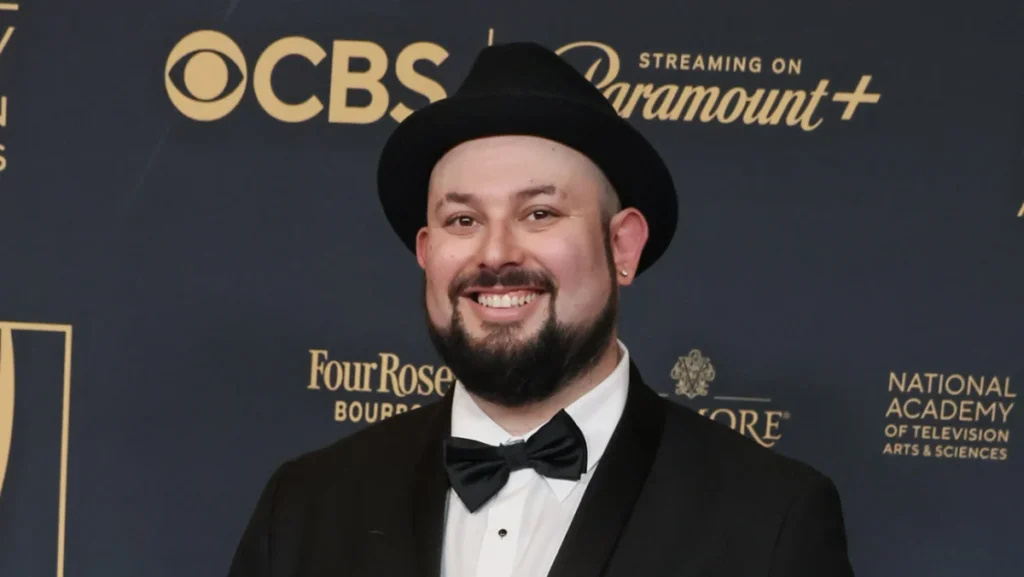
In August of last year, the atmosphere at the Paramount Pictures lot in Hollywood was defined by cautious optimism and high-security protocols as David Ellison hosted his first major press meet-and-greet. At the time, the Skydance Media founder was establishing his presence as a new, albeit unproven, force in the traditional media landscape. Less than fourteen months later, that scene transformed into a display of immense corporate scale. Following the official acquisition of Warner Bros. Discovery (WBD) this Tuesday, Ellison has effectively consolidated two of the most storied film and television libraries in history, creating a behemoth that stands as a direct challenger to the dominance of Netflix and Disney.
The Anatomy of a Mega-Merger
The $110 billion deal marks the culmination of a transformative period in Hollywood history. By bringing Warner Bros., HBO, CNN, and DC under the same corporate umbrella as Paramount Pictures, Paramount+, and CBS, Ellison has executed one of the most ambitious horizontal integrations in the history of the entertainment industry.
For industry analysts, the move is seen as a strategic pivot from the "streaming wars" era of fragmentation back to the "scale-at-all-costs" era of consolidation. By centralizing operations, Ellison and his new co-CEO, former Mattel chief Ynon Kreiz, are betting that a massive content output is the only viable path to profitability in a market saturated with global competitors. The combined entity is projected to spend more on content production than any other organization in the global media landscape, exceeding the annual capital expenditure budgets of both Disney and Netflix.
A Chronology of Expansion
The path to this moment has been marked by rapid, high-stakes negotiations. The timeline of Ellison’s ascent is as follows:
- August 2023: David Ellison hosts a press event at the Paramount lot, signaling his intention to modernize the studio and lean into the digital-first era.
- Early 2024: Skydance enters initial discussions regarding the acquisition of National Amusements, the parent company of Paramount Global.
- Mid-2024: Following months of regulatory scrutiny and internal pushback, the Skydance-Paramount deal is finalized.
- Late 2024: Discussions regarding a broader integration begin, culminating in the acquisition of Warner Bros. Discovery.
- November 2025: The combined entity is unveiled, with Ellison and Kreiz outlining their vision for a streamlined, multi-studio operation.
The Debt Challenge
While the sheer volume of assets under Ellison’s control is unprecedented, the fiscal reality is sobering. The merger has saddled the new entity with approximately $80 billion in debt. This massive liability has prompted questions from investors regarding the sustainability of such aggressive expansion.
Ellison, however, remains bullish. During his presentation, he addressed the elephant in the room by framing the debt as a manageable hurdle in exchange for unrivaled market reach. His strategy relies on leveraging the "bread and butter" of the combined company—massive, established franchises—while simultaneously investing in original intellectual property to maintain brand freshness.
"You absolutely will see us tell original stories," Ellison stated, highlighting the Warner Bros. film Sinners as a personal favorite and a benchmark for the kind of creative risk-taking he intends to preserve.
Leadership Restructuring and Studio Operations
The consolidation has triggered a significant shake-up in executive ranks. Notably, long-time Warner Bros. film chiefs Mike De Luca and Pam Abdy, who guided the studio through a period of both significant box-office hits and recent high-profile failures like Diggers, will not remain with the organization. In their stead, Skydance’s Dana Goldberg and Josh Greenstein have been tapped to lead the film divisions across both studios.
Ynon Kreiz clarified the operational strategy for the two studios, emphasizing that they will maintain distinct creative identities. "The plan is to keep the studios independent creatively," Kreiz noted. "Each studio will have its own slate, its own relationships, and its own opportunities. Then we will choreograph the release schedule to optimize for genre and audience demographics."
Logistically, the two companies plan to divide their physical footprint. The Warners and Paramount lots will remain operational, but they will be repurposed according to functional output. One lot is expected to become the primary hub for feature film production, while the other will serve as the center for television and streaming operations. Ellison and Kreiz plan to split their professional time equally between the two locations, though the initial phases of the integration will see a heavier focus on the Warner Bros. facilities.
Building Trust in a Turbulent Climate
The road to this merger was not without significant friction. The creative community, particularly writers and directors who have long relied on the competition between major studios to secure fair compensation and creative freedom, expressed deep concerns throughout the process.
Ellison acknowledged the hostility that defined the merger’s early stages. "This was a turbulent process, and at times an ugly process," he admitted. "There were significant emotions, and I really respect the people who were apprehensive about this. What I want to do now is turn the page, and make sure we are in the business of building trust."
To mend these relationships, Ellison has pledged a series of operational commitments. Among them is a vow to maintain the editorial independence of CNN and CBS News, a critical point of concern for regulators and journalists alike. Furthermore, the company has set an ambitious target of releasing 30 feature films per year across the combined studios.
Market Implications and Future Outlook
The implications of this merger extend far beyond the boardroom. By centralizing such a significant portion of Hollywood’s intellectual property, Ellison is effectively shifting the leverage point in talent negotiations, distribution deals, and global licensing.
However, the sheer volume of 30 films per year presents a daunting quality control challenge. Industry experts point out that historically, no single studio has managed to maintain consistent, high-level critical and commercial quality at such high volume. Ellison acknowledged this, stating, "One of the areas you will see us be very cautious about is doing anything to jeopardize the quality of those pictures."
As the dust settles, the industry is watching closely to see if this "super-studio" model can thrive where others have failed. With the resources of Warner Bros. and Paramount now unified, the pressure on Ellison to deliver is immense. Whether he can balance the heavy debt load with the creative agility required to compete in a landscape dominated by tech-giant streamers remains the central question of his tenure. For now, the narrative is one of consolidation, as Hollywood watches to see if this new empire can indeed innovate while managing the weight of its own historical proportions.