The cinematic landscape of fantasy is preparing for a radical reinvention as acclaimed filmmaker Greta Gerwig turns her visionary lens toward C.S. Lewis’s foundational literary universe with Netflix’s upcoming adaptation, The Magician’s Nephew. Following her monumental critical and commercial triumphs with Little Women and Barbie, Gerwig is tackling an era of the Narnian chronology that has never before been realized in live-action. Scheduled for a theatrical release on February 12, 2027, followed by a streaming debut on Netflix on April 2, 2027, the project promises to blend high-concept fantasy with an unexpected sonic and aesthetic framework: vintage glam rock.
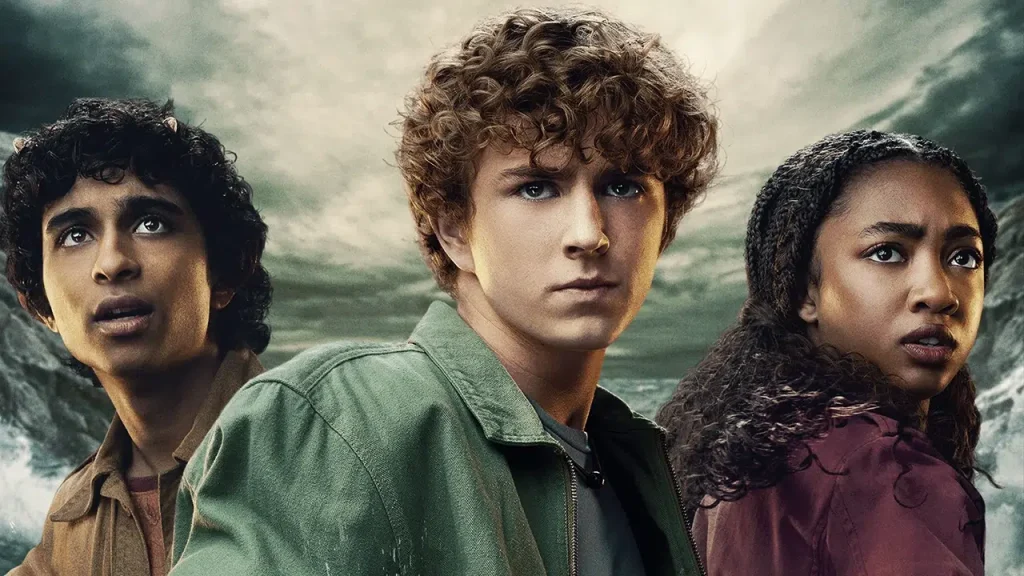
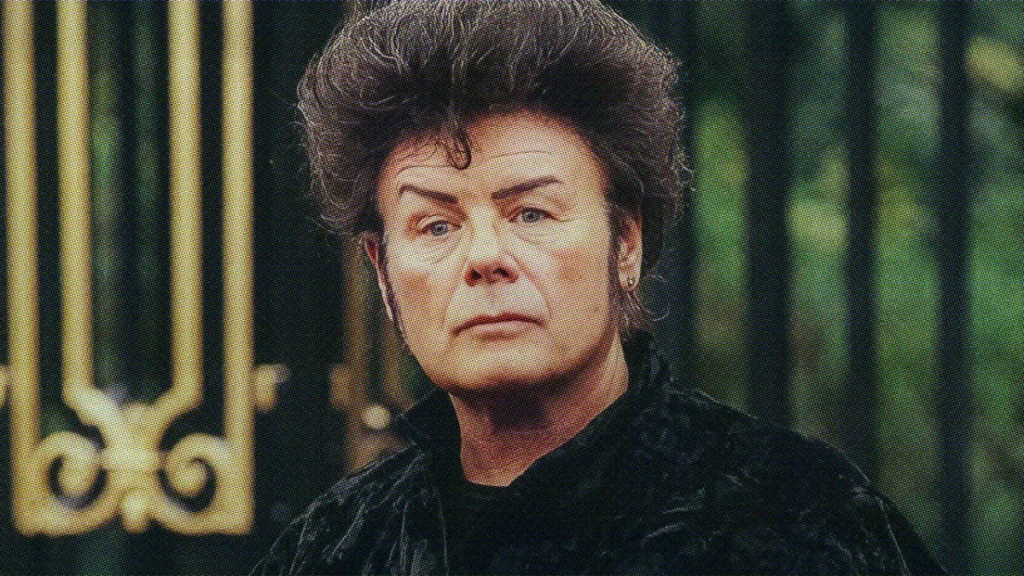
The official 2-minute-and-30-second trailer recently debuted to widespread public attention, offering the first substantial look at a star-studded cast that features Meryl Streep as the voice of Aslan, Daniel Craig as the eccentric Uncle Andrew Ketterley, and Emma Mackey as the formidable Jadis, who ultimately transforms into the White Witch. Rounding out the principal ensemble are Carey Mulligan as Mabel Kirke, David McKenna as Digory Kirke, and Beatrice Campbell as Polly Plummer. By choosing to adapt The Magician’s Nephew—the chronological prequel to The Lion, the Witch and the Wardrobe—Gerwig has positioned her film as a definitive origin story, exploring how the magical world was sung into existence and detailing the early, chaotic crossover between Victorian London and parallel dimensions.
Main Facts and Production Overview
Netflix’s adaptation represents a significant milestone for intellectual property management, as the streaming giant secured the rights to C.S. Lewis’s entire seven-book Chronicles of Narnia series with plans for an expansive cinematic and television universe spearheaded by Gerwig. The Magician’s Nephew, published originally in 1955, serves as the cornerstone of this ambitious strategy. Unlike previous cinematic iterations—most notably the Walt Disney Pictures and 20th Century Fox film trilogy of the 2000s, which began with The Lion, the Witch and the Wardrobe—Gerwig’s film starts at the very beginning of the timeline.
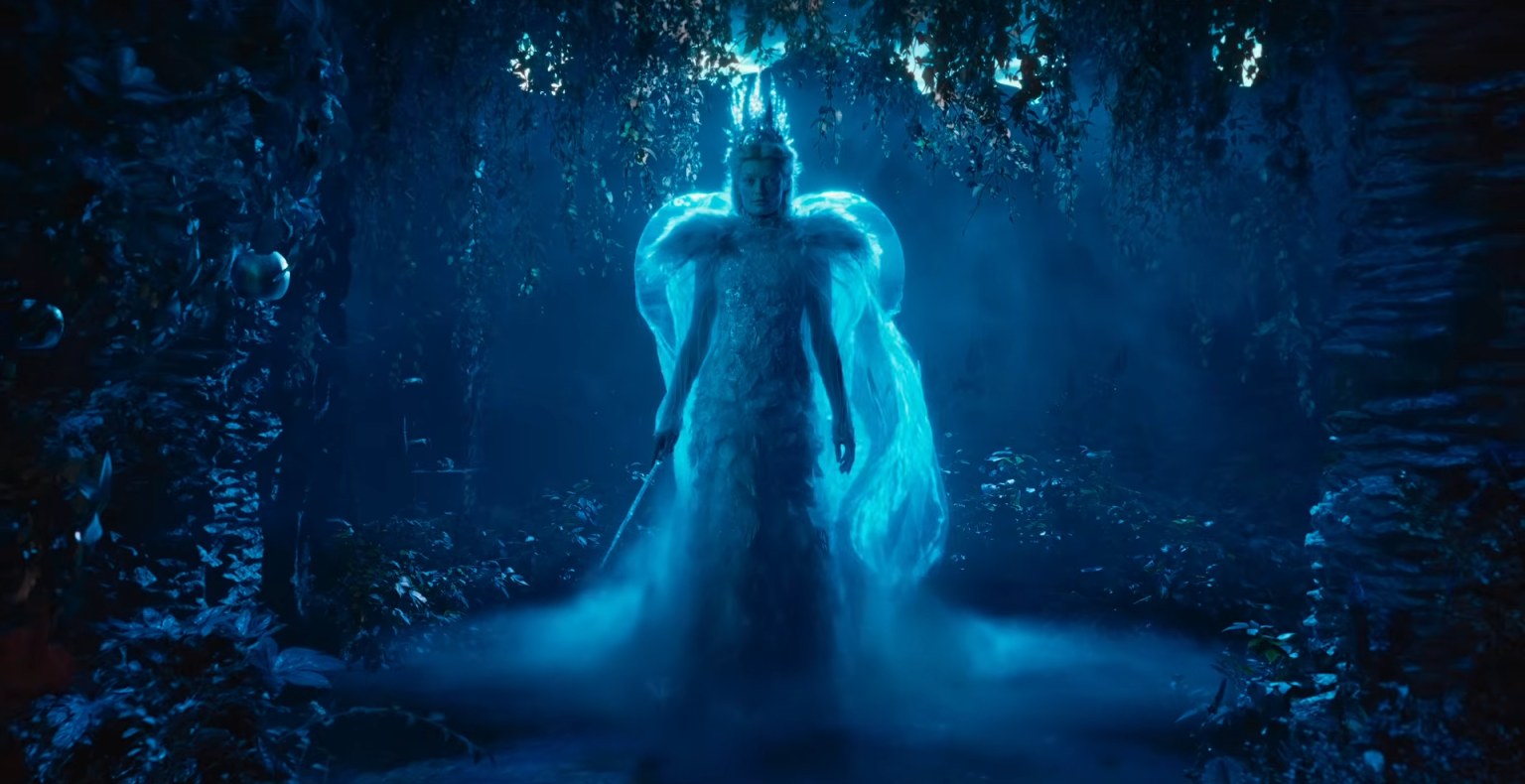
Production data and promotional rollout details underscore the sheer scale of the enterprise. The debut trailer made history by securing the licensing rights for Led Zeppelin’s iconic 1971 rock anthem "Stairway to Heaven," marking the first time the legendary band has permitted the track to be used within a motion picture. According to production notes, this musical choice is foundational to Gerwig’s conceptualization of the universe. In recent interviews, the director explained that because Narnia is canonically a world sung into existence by Aslan, incorporating classic rock and glam-rock aesthetics serves as a thematic bridge between auditory creation and visual splendor.
Chronological Breakdown of the Narrative
The newly released trailer functions as a compressed chronological roadmap of the narrative arc, introducing audiences unfamiliar with the source material to the sequence of events that triggers the creation of Narnia.
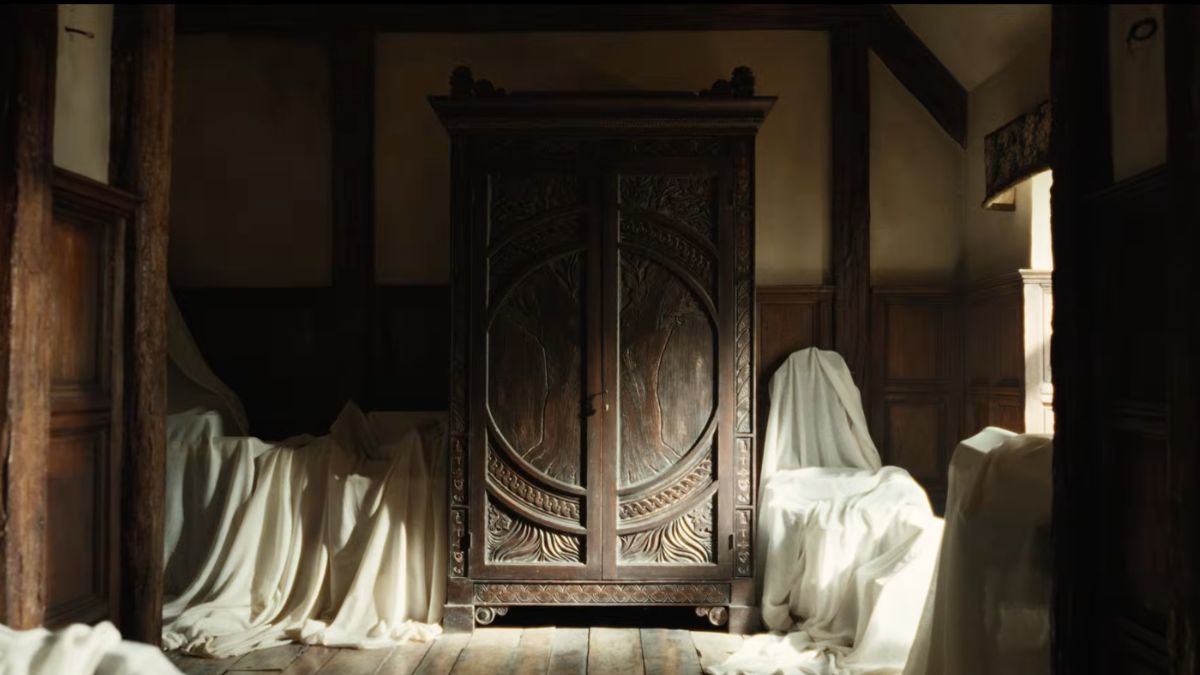
The preview opens with a lingering, nostalgic shot of the iconic wardrobe from The Lion, the Witch and the Wardrobe. While the physical wardrobe does not feature in the plot of The Magician’s Nephew, the inclusion serves as a deliberate thematic anchor for longtime fans. In Lewis’s mythology, the timber used to construct the wardrobe is ultimately derived from an apple tree grown from an enchanted Narnian seed planted in our world by Digory Kirke.
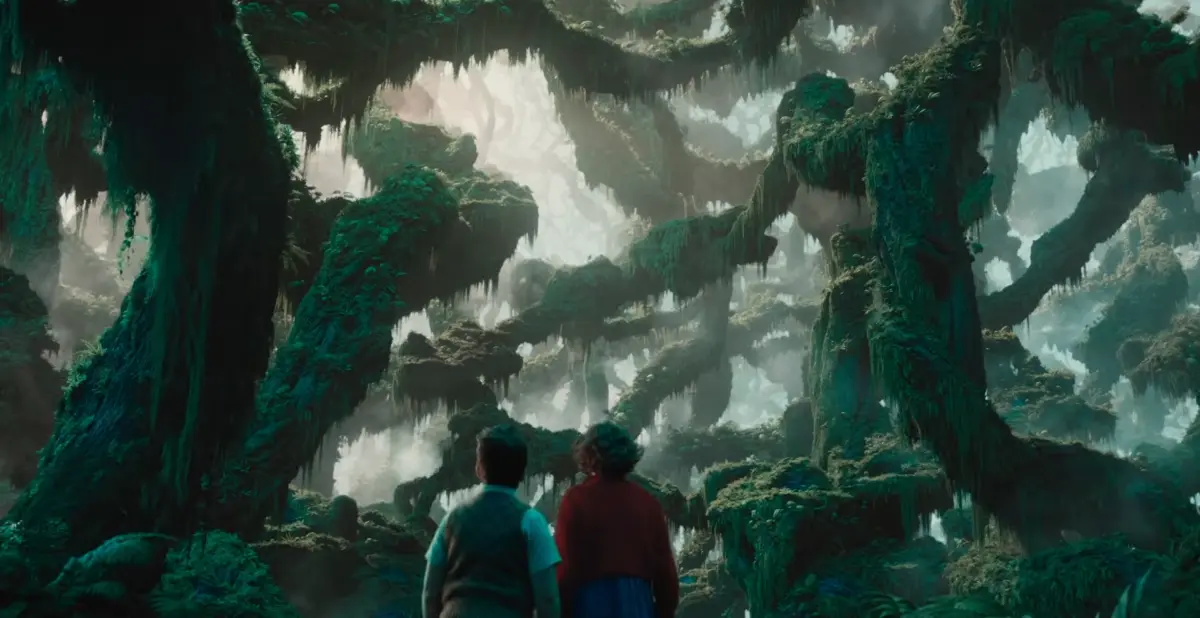
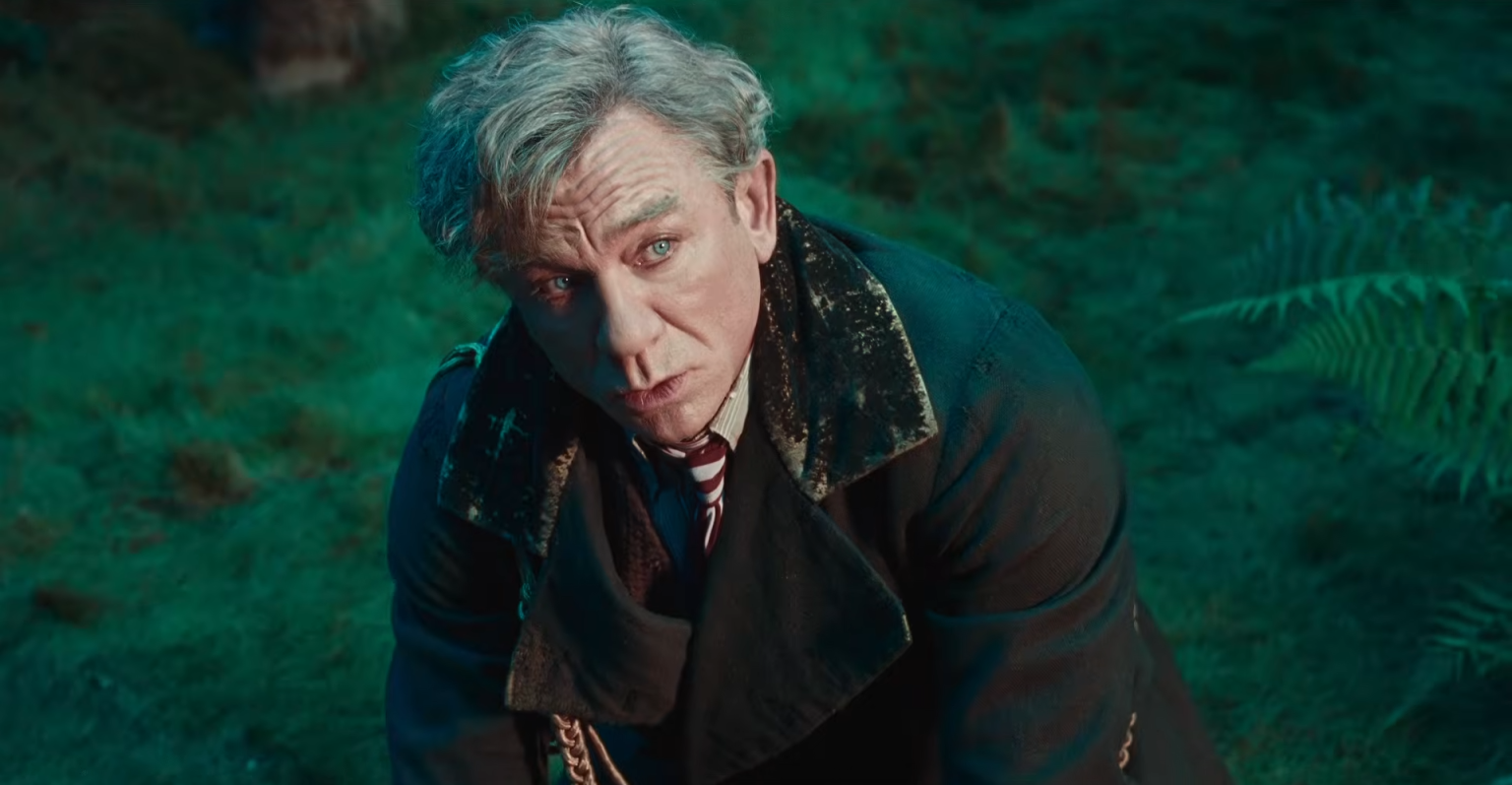
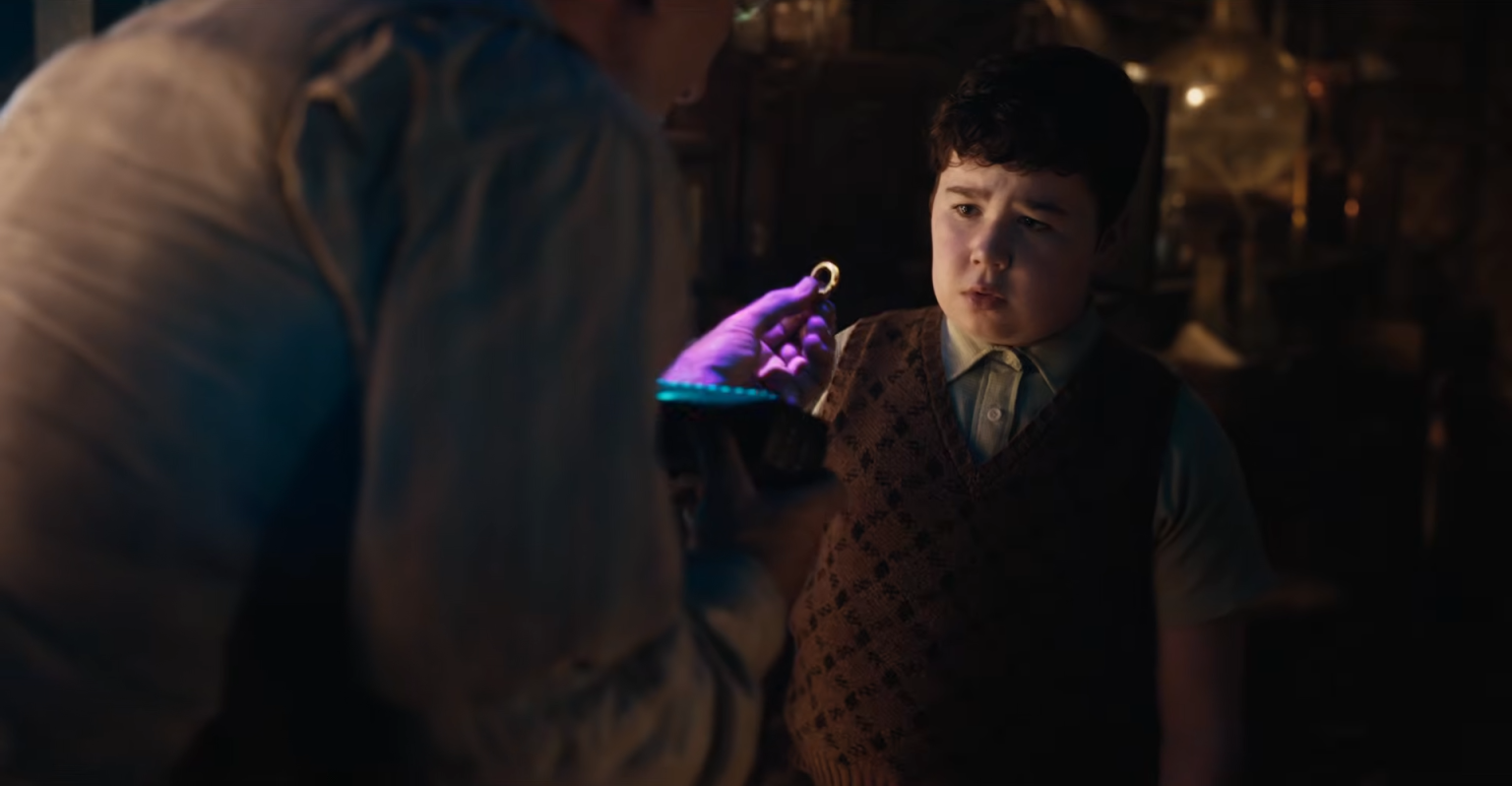
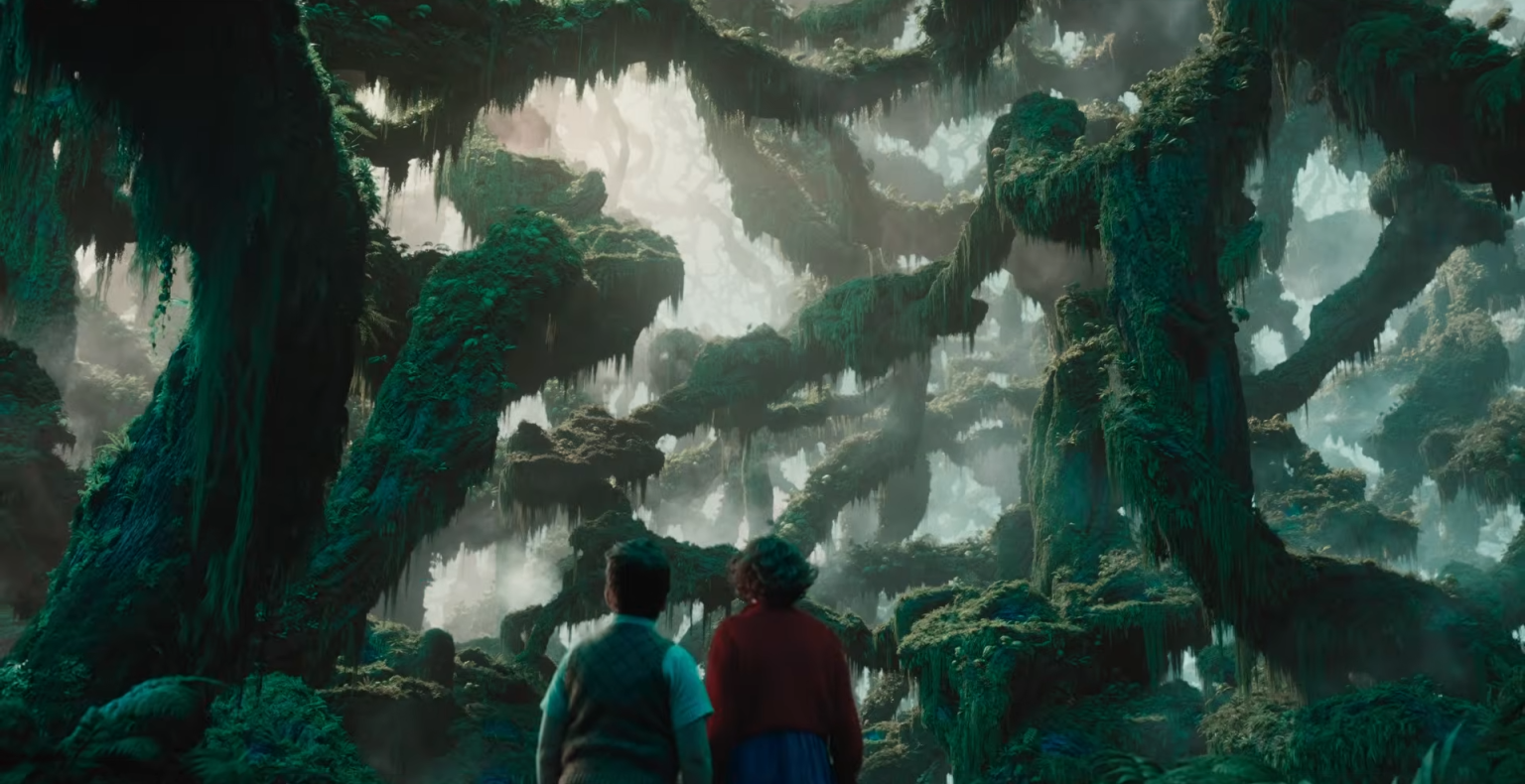
The narrative proper then introduces young protagonists Digory Kirke and Polly Plummer, two curious children living in late-19th-century London. Through their interactions with Digory’s eccentric, magical uncle, Andrew Ketterley—portrayed with scruffy vanity by Daniel Craig—the children are equipped with experimental magic rings. These artifacts transport them instantly into the "Wood Between the Worlds," a tranquil, mystical transit hub characterized by quiet pools of water that link disparate universes.
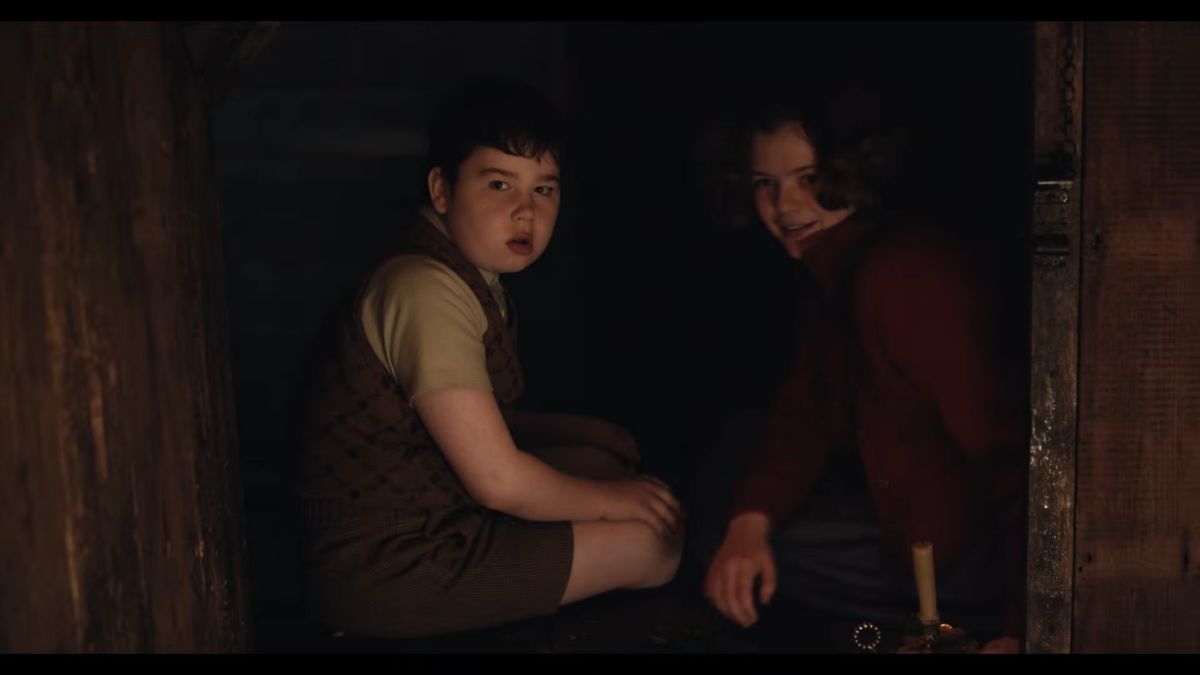
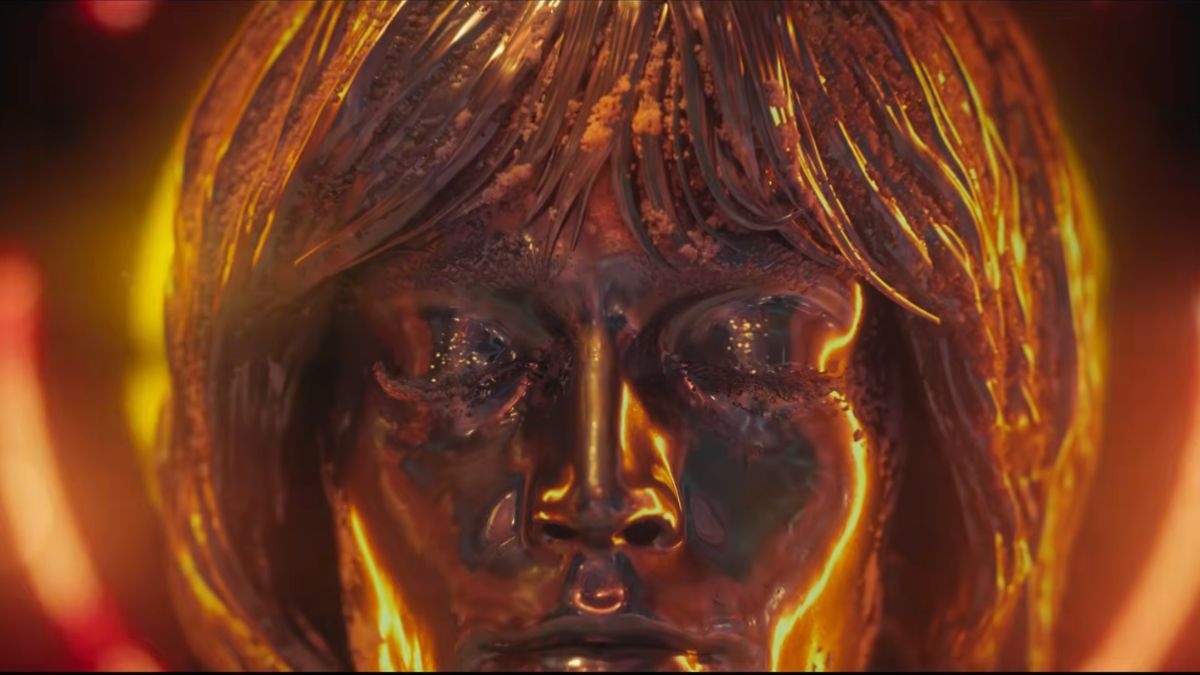
Stepping through one of the pools, the children arrive in Charn, a dying, desolate civilization bathed in the eerie light of a dying red sun. This marks the first time Charn has been depicted in live-action. Within a decaying royal hall, Digory unwittingly rings an ancient golden bell, shattering a spell and awakening Jadis, the ruthless and powerful queen of Charn. Emma Mackey’s portrayal of Jadis presents a stark visual departure from traditional fantasy villains, sporting a silver, disco-inspired glam-rock ensemble and a glowing, multi-colored wand.
In a departure from the original novel—where Jadis’s supernatural abilities are suppressed in the mundane environment of Earth—the film’s trailer depicts the sorceress pursuing the children back to London and unleashing destructive magical phenomena across the cityscape. Production design details within these London sequences include clever literary Easter eggs, such as a fleeting glimpse of the fictional pub "The Eagle and Child," a direct nod to the historical Oxford watering hole where C.S. Lewis, J.R.R. Tolkien, and their literary circle, the Inklings, routinely gathered.
As the crisis escalates, the narrative shifts toward another legendary set-piece: the transformation of a London cab horse named Strawberry into the winged, speech-gifted creature Fledge. Under Aslan’s eventual purview, Fledge transports Digory and Polly to a walled celestial garden to secure an apple capable of curing Digory’s gravely ill mother.
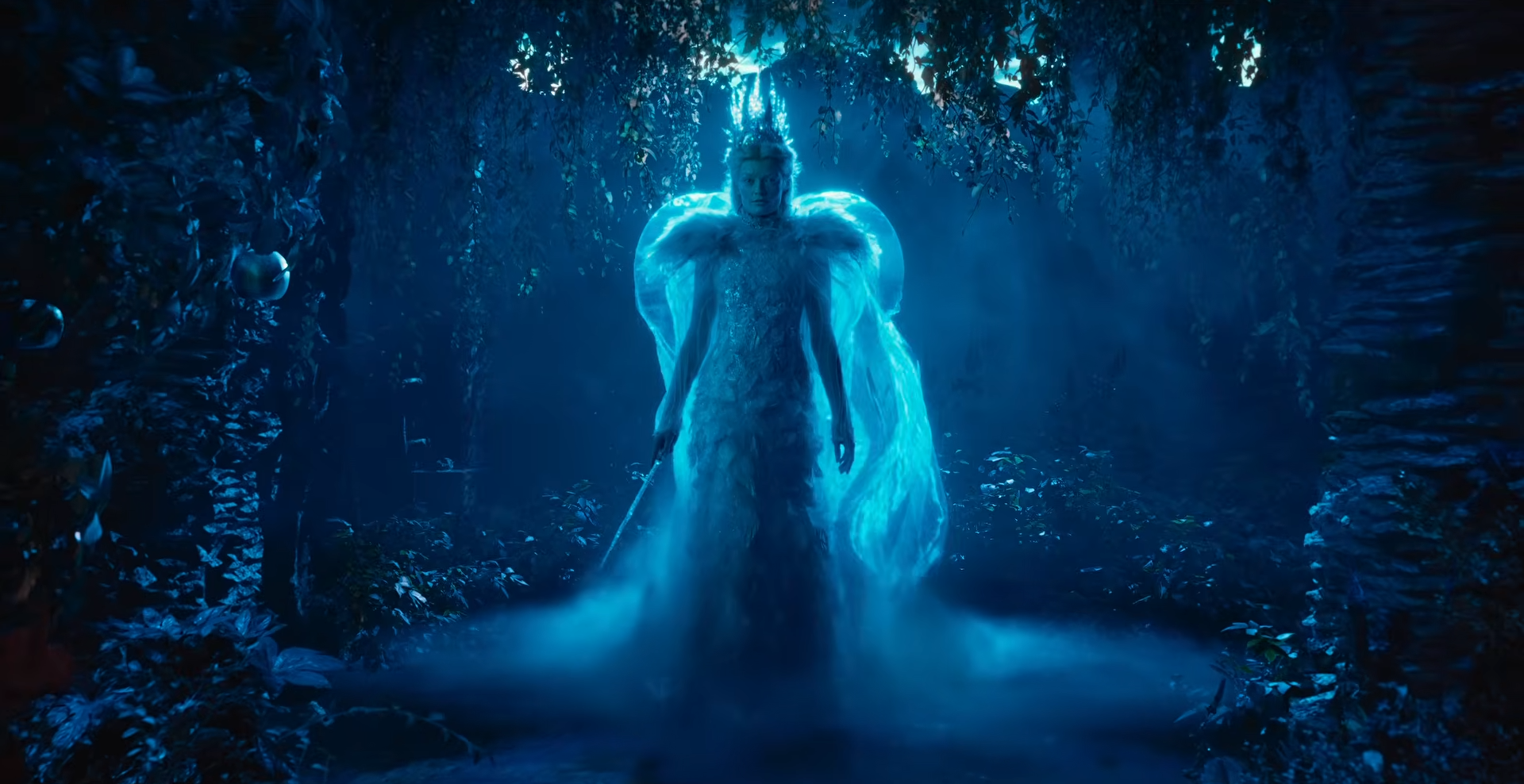
The trailer culminates in the visual spectacle of Aslan’s arrival. Meryl Streep’s vocal performance remains under wraps, but the imagery showcases the creation of Narnia through sweeping vistas of vibrant purples, warm golds, and prismatic light, establishing a stark contrast against the bleakness of Charn and the cold, blue-hued transformation of Jadis into the White Witch.
Supporting Data and Adaptation Implications
Revisiting the history of Narnian screen adaptations provides critical context for the weight resting on Gerwig’s shoulders. The property has seen various iterations over the decades, beginning with an obscure 1967 ITV television serial, followed by a celebrated 1979 animated film adaptation directed by Bill Melendez. A generation later, the BBC produced a definitive three-part live-action television series broadcast between 1988 and 1990 that remains beloved by purists. This was followed by the major Hollywood blockbusters of the 2000s—The Lion, the Witch and the Wardrobe (2005), Prince Caspian (2008), and The Voyage of the Dawn Treader (2010)—which collectively grossed over $1.5 billion worldwide before the franchise stalled.
Gerwig’s approach represents an ideological shift away from the gritty realism popularized by Peter Jackson’s The Lord of the Rings and emulated by the 2000s Narnia films. By infusing the production with 1970s rock aesthetics, theatrical staging, and vivid, hyper-saturated color palettes, Netflix is attempting to carve out a distinct visual identity that avoids direct comparisons to its high-fantasy predecessors.
However, this creative liberty has sparked early analytical debate among literary purists and industry commentators. Altering the mechanics of Jadis’s powers on Earth and prioritizing a glam-rock auditory landscape demonstrate that Gerwig is prioritizing emotional and thematic resonance over strict textual fidelity. Industry analysts note that while such bold directorial choices carry inherent risks of alienating a conservative fan base, they also serve as an effective mechanism to capture a broader, modern demographic that demands distinct auteur-driven storytelling.
Public Reaction and Fan Engagement
The release of the trailer immediately galvanized online film communities, generating a polarized yet overwhelmingly enthusiastic response across social media platforms such as X (formerly Twitter). Discussion has centered primarily on the audacity of the stylistic choices.
Commentators have expressed awe at the sheer scale of the world-building, particularly praising the ethereal depiction of Aslan’s creation sequence and the dynamic energy brought by the Led Zeppelin synchronization. Conversely, a vocal contingent of traditionalists has voiced apprehension regarding the overtly stylized, theatrical framing of certain dialogue scenes and the modernized aesthetic of Jadis. Despite these minor reservations, initial sentiment metrics indicate that audience trust in Gerwig’s directorial track record remains exceptionally high.
As the countdown begins toward the theatrical premiere in February 2027 and the subsequent streaming release on Netflix in April 2027, The Magician’s Nephew stands as one of the most anticipated cinematic fantasy events of the decade. Whether Gerwig’s daring synthesis of C.S. Lewis’s classic mythos and rock-and-roll maximalism will successfully redefine the genre remains to be seen, but the journey to the beginning of Narnia has undeniably captured the cultural imagination.