Black Fawn Films has officially unveiled the first festival trailer, promotional art, and plot details for Death of a Yellow Bird, an atmospheric indie horror feature directed by acclaimed Canadian genre filmmaker Cody Calahan. The project, which positions itself at the intersection of avant-garde visual poetry and chilling analog hauntology, has been described by early industry observers as possessing the sweeping, contemplative visual lyricism of a Terrence Malick film crossed with the uncanny dread of modern lo-fi horror touchstones like Skinamarink and Undertone.
The feature-length project is slated to hold its highly anticipated world premiere at Fantastic Fest 2026, taking place this month in Austin, Texas. As independent horror continues to shift away from traditional, high-budget jump-scare mechanics toward slow-burn, textural, and psychological explorations of grief, memory, and technology, Death of a Yellow Bird arrives as a timely addition to the genre’s evolving landscape. With no widespread commercial release date announced yet, the film’s festival run is expected to set the tone for its broader distribution trajectory across the upcoming distribution calendar.
The Narrative Premise and Plot Dynamics
At the narrative core of Death of a Yellow Bird is an unnamed protagonist, portrayed by veteran indie genre actor Ari Millen. Facing a terminal diagnosis and having made the deeply personal decision to halt his cancer treatments, the man seeks refuge from the chaos of modern life by retreating to his family’s long-abandoned childhood cabin. The setting is rendered hostile by the dead of a harsh, isolating snowy winter, physically cutting him off from the outside world.
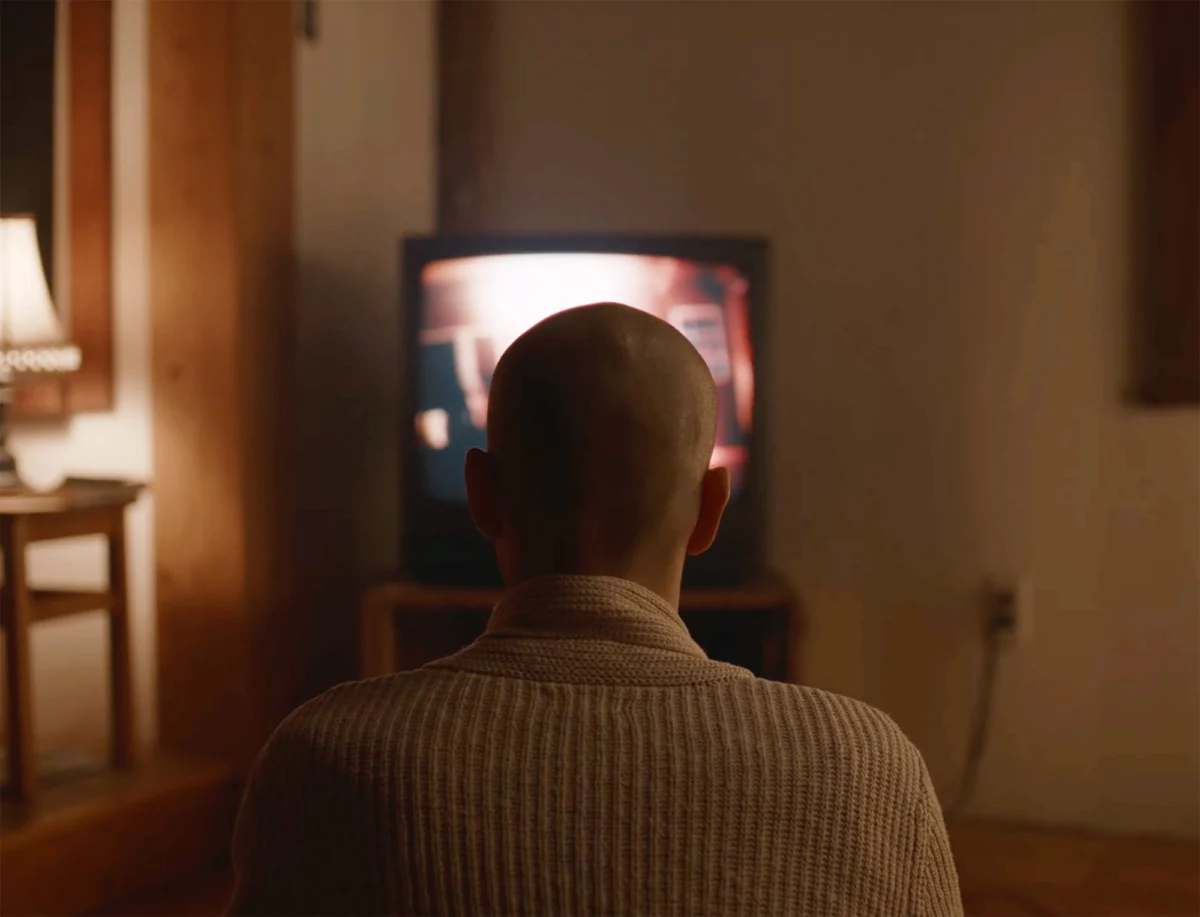
His only contact with reality comes through infrequent, emotionally fraught phone conversations with his wife and mother. However, the fragile peace he hopes to cultivate is quickly compromised when he senses an unfamiliar, oppressive presence lingering within the walls of the rustic structure. This creeping paranoia is exacerbated by the discovery of an old camcorder and a cache of buried VHS tapes containing forgotten home movies.

Seeking some measure of psychological stability and hoping to leave a tangible record for his young son, the man begins recording his own video logs using the vintage equipment. Yet, as he replays the tapes, he discovers that the audio and visual tracks are corrupted by eerie distortions, staticky interference, and threatening, unintelligible whispers. These anomalies convince him that he is not alone in the cabin—and that the entity sharing his space is inextricably linked to a repressed, deeply buried tragedy from his own past.
Behind the Camera: Cody Calahan and Black Fawn Films
Director Cody Calahan is no stranger to the horror landscape, having built a formidable reputation as a versatile voice within Canadian independent cinema. Over the past decade and a half, Calahan has helmed a diverse roster of genre projects, including the tech-centric thriller Antisocial and its sequel Antisocial 2, the possession drama Let Her Out, the claustrophobic theatrical exercise The Oak Room, and the retro slasher homage Vicious Fun. Beyond his feature film work, Calahan has expanded his footprint in the genre space by directing segments of television’s "The Haunted Museum" series.
For Death of a Yellow Bird, Calahan has collaborated closely with his frequent partners at Black Fawn Films, a production banner recognized for championing distinct, auteur-driven Canadian genre works. The production team behind the film features a powerhouse of indie horror creators, including Chad Archibald, Cody Calahan, Jeff Maher, and lead star Ari Millen.
The sonic architecture of the film serves as a crucial narrative engine. Reviewers and festival programmers have noted that the sound design relies heavily on garbled, decaying audio cues to communicate the alien nature of the haunting and mirror the protagonist’s deteriorating psychological state. This sophisticated approach to auditory dread shares DNA with Calahan’s recent behind-the-scenes work as a producer on A24’s podcast-inspired audio horror experiment Undertone, released earlier this year. By treating sound as a physical, corrosive force, Death of a Yellow Bird leverages lo-fi aesthetics to evoke profound existential terror.
Contextualizing the Rise of Analog and Liminal Horror

The release of the Death of a Yellow Bird trailer arrives during a fascinating cultural moment for horror cinema, characterized by a resurgence of analog-format storytelling, liminal spaces, and experimental soundscapes. Over the past several years, low-budget indie projects have demonstrated that contemporary audiences retain a fierce appetite for dread-fueled minimalism over polished CGI spectacles.
Films such as Kyle Edward Ball’s micro-budget sensation Skinamarink proved that viewers are willing to surrender to prolonged sequences of abstract visual geometry, grainy video textures, and ambient sound design. Similarly, the digital phenomenon of the "Backrooms" mythology and a wave of retro-found-footage projects have popularized narratives centered around decaying consumer technology—VHS tapes, CRT televisions, and magnetic audio cassettes—acting as portals to psychological trauma and supernatural intrusion.
Death of a Yellow Bird leans directly into this aesthetic lineage. By anchoring its supernatural elements in obsolete analog media, the film bridges the gap between historical nostalgia and modern existential dread. The use of a VHS tape discovered beneath a childhood home acts as a literal excavation of the protagonist’s repressed memories, transforming physical media into a repository for unresolved grief and mortality.
Fantastic Fest 2026 and Festival Expectations
As Fantastic Fest 2026 prepares to open its doors in Austin, Texas, Death of a Yellow Bird has immediately established itself as one of the most anticipated titles on the underground horror slate. Festival programmers have categorized the film as a slow-burn, atmospheric experience, predicting that it will offer one of the most cathartic, emotionally resonant payoffs of the entire event.
Fantastic Fest, widely celebrated as the largest genre film festival in the United States, has historically served as a critical launchpad for breakout indie horror features. Films that premiere at the festival often benefit from intense word-of-mouth momentum, critical acclaim, and subsequent distribution deals that elevate them from regional passion projects into global arthouse horror hits.

Given the pedigree of Black Fawn Films and the growing international appetite for elevated, melancholy horror, Death of a Yellow Bird is positioned to capture significant attention from specialty distributors. While studio horror continues to dominate multiplex box offices with high-concept intellectual properties, the independent sector remains the primary laboratory for formal experimentation. Calahan’s latest venture demonstrates how filmmakers can utilize constraints—such as a single snowbound location, a minimalist cast, and vintage recording technology—to construct intensely immersive psychological nightmares.
Broader Implications for the Independent Horror Market
The trajectory of Death of a Yellow Bird reflects broader economic and creative shifts within the independent film industry. As the costs of digital production decrease and the sophistication of home-editing suites rises, filmmakers are increasingly empowered to experiment with unconventional narratives that bypass traditional studio formulas.
Furthermore, the stylistic comparison to Terrence Malick—known for his philosophical, visually transcendent explorations of human existence and memory—highlights a growing trend of "elevated genre" filmmaking where atmospheric mood takes precedence over conventional plot progression. By pairing the terminal illness framework of its protagonist with supernatural horror tropes, Death of a Yellow Bird uses the conventions of ghost stories to process real-world grief, physical decline, and the inevitability of human mortality.
As the film makes its international debut in Austin this month, industry analysts and horror enthusiasts alike will be closely monitoring its reception. The absence of an immediate wide release date leaves fans speculating about its subsequent festival run and eventual streaming or theatrical rollout. For now, the release of the official trailer and poster offers a tantalizing glimpse into a chilling world where old video cassettes whisper forgotten truths, and the quietest winters harbor the most terrifying ghosts.