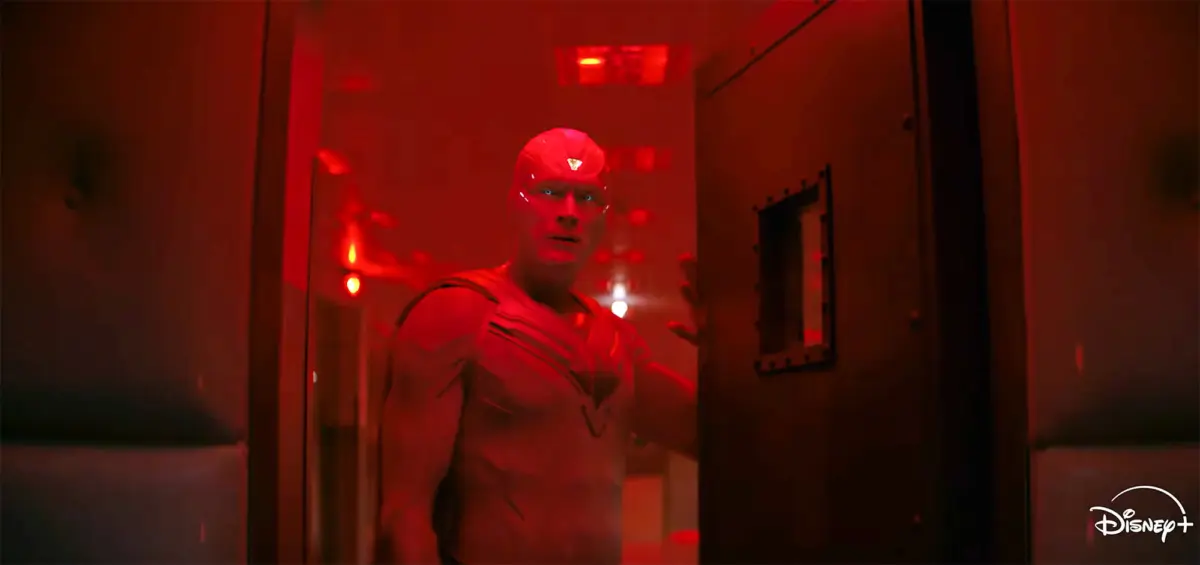
Marvel Studios has officially unveiled the second official trailer and promotional poster for its upcoming Disney+ original series, VisionQuest, scheduled to debut globally on the streaming platform on October 14, 2026. The series serves as a direct narrative continuation of the critically acclaimed and Emmy-winning 2021 Marvel Cinematic Universe (MCU) miniseries WandaVision, which fundamentally reshaped the television landscape for the superhero franchise.
Led by returning star Paul Bettany, who reprises his role as the vibranium android The Vision, the sci-fi-heavy spin-off delves into themes of identity, artificial consciousness, and survival. As Disney prepares for the autumn streaming window, the release of the second trailer offers audiences a deeper look at the high-stakes narrative, intricate technological world-building, and an expansive ensemble cast that bridges classic MCU history with entirely new narrative frontiers.
Main Facts and Narrative Premise
The plot of VisionQuest picks up following the chaotic events of WandaVision and subsequent MCU storylines. The synthetic protagonist, having been rebooted and successfully evading nefarious entities attempting to exploit his physical form as a weapon, has spent a significant period living in profound isolation. Operating in deep hiding, The Vision’s primary objective centers on a quest to reclaim his lost memories, understand the complexities of human emotion, and carve out a discreet, peaceful existence.
However, this fragile sanctuary shatters when a lucrative bounty is placed on his synthetic head. The sudden influx of opportunistic hunters and hostile forces forces the android out of the shadows. To navigate this life-or-death scenario, The Vision is compelled to rely on unexpected allies, forge genuine interpersonal connections, and embrace the concept of a "found family."
The dramatic tone of the trailer is punctuated by haunting lines, including the evocative hook: "Free me. And save your son." This dialogue hints at deep emotional entanglements involving the legacy of Wanda Maximoff and the fate of her children, further anchoring the sci-fi spectacle in deeply personal stakes.
A Star-Studded Ensemble of Organic and Artificial Intelligences

VisionQuest boasts one of the most conceptually unique casting rosters in television history, blending traditional human actors with physical embodiments and vocal personifications of iconic artificial intelligence systems from across Marvel lore.
Paul Bettany anchors the production as The Vision, joined by the return of James Spader, who reprises his chilling role as the malevolent sentient program Ultron, reportedly armed with a series of deceptive new tactical upgrades. Todd Stashwick joins the cast as the formidable mercenary Paladin, while Ruaridh Mollica takes on the crucial role of Tommy Maximoff. T’Nia Miller steps into the role of Jocasta, a classic comic-book android with deep ties to Avengers history.
The series also introduces a fascinating slate of sentient technological personifications, expanding the universe’s internal digital ecosystem:
- Emily Hampshire as E.D.I.T.H.
- Orla Brady as F.R.I.D.A.Y.
- Henry Lewis as D.U.M.-E.
- Jonathan Sayer as U
- James D’Arcy returning to the Marvel fold as J.A.R.V.I.S., Tony Stark’s foundational AI assistant.
This diverse integration of synthetic and biological actors underscores the series’ heavy emphasis on technological themes, artificial sentience, and the blurry lines defining what it means to be alive.
Chronology and Background Context of the Project
The journey of VisionQuest to the small screen represents a strategic evolution in Marvel Studios’ television strategy. Following the massive success of WandaVision in early 2021—which proved that serialized, character-driven storytelling could thrive within the MCU framework—Marvel Studios executives began exploring avenues to further develop the loose threads left in the wake of the series finale.
The character of The Vision, specifically the white-bodied, data-reconstructed iteration created by SWORD, flew away during the climax of WandaVision with his original memories restored by his Westview counterpart. Fans and industry analysts immediately speculated about his whereabouts and existential trajectory.
Development on the project accelerated under the creative vision of veteran television writer and showrunner Terry Matalas, celebrated for his acclaimed work on Star Trek: Picard, 12 Monkeys, and Nikita. Matalas assumed the role of primary creator, writer, and episodic director, steering the project toward a hard sci-fi aesthetic.

Principal photography and pre-production schedules spanned multiple years, facing standard industry adjustments before locking in a definitive autumn 2026 premiere date. The rollout of the marketing campaign began earlier this year with a well-received teaser trailer, culminating in the release of this comprehensive second trailer designed to highlight the high production values, complex lore integration, and emotional core of the series.
Production Team and Creative Vision
Behind the camera, VisionQuest features a robust coalition of experienced creators and industry veterans. The series is produced by Roopesh Parekh under the banner of Marvel Television. The executive producing team includes Marvel Studios head Kevin Feige, Louis D’Esposito, Brad Winderbaum, Mary Livanos, Trevor Waterson, showrunner Terry Matalas, and episodic director Christopher J. Byrne.
The writing room was spearheaded by Matalas alongside a talented collective of scribes, including Cindy Appel, Nicole Falsetti, Christopher Monfette, Matthew Okumura, and Michael Taylor. Directing duties were shared among a dynamic quartet: Terry Matalas, Gandja Monteiro, Vincenzo Natali, and Christopher J. Byrne.
Industry analysts have noted that this specific creative lineup leans heavily into speculative fiction, psychological depth, and high-concept science fiction—traits famously championed by several of the directors and writers involved, notably Vincenzo Natali’s penchant for atmospheric tension and Matalas’s experience with intricate temporal and space narratives.
Streaming Implications and Strategic Importance for Disney+
The premiere of VisionQuest on October 14, 2026, marks a pivotal moment for Disney+ and Marvel Studios’ ongoing efforts to recalibrate their television output. In recent years, Marvel Studios transitioned from a high-volume release strategy to a more measured, quality-focused production schedule, allowing series to spend adequate time in post-production and creative refinement.
By positioning VisionQuest as a mid-fall tentpole release, Disney aims to capture the lucrative autumn viewership demographic, appealing both to dedicated MCU completists and broader science fiction enthusiasts who may not follow every interconnected film. The choice to frame the series as a full-throttle sci-fi thriller—rather than a traditional superhero procedural—highlights Marvel’s willingness to genre-hop, a strategy previously utilized with projects like Loki, WandaVision, and Werewolf by Night.

Furthermore, the inclusion of classic technological entities such as J.A.R.V.I.S., F.R.I.D.A.Y., and E.D.I.T.H. provides long-term fans with a deep-cut reward, tying the overarching legacy of Robert Downey Jr.’s Tony Stark directly into the modern evolution of the MCU’s artificial beings.
Critical Anticipation and Market Response
Early social media engagement following the drop of the second trailer indicates intense consumer interest. Hashtags related to Paul Bettany’s return, James Spader’s menacing resurgence as Ultron, and the thematic exploration of android identity trended globally within hours of the promotional material going live.
Critics and commentators have praised the visual vibrancy and atmospheric ambition showcased in the footage. Unlike conventional street-level or cosmic-scale MCU entries, VisionQuest appears to occupy a distinct niche: a philosophical, cybernetic chase thriller that asks foundational questions about humanity through the lens of a machine.
As the countdown to October 14, 2026, continues, anticipation remains high. Whether VisionQuest can match the cultural phenomenon of its predecessor remains to be seen, but the sheer ambition of its premise, combined with a seasoned creative team and an all-star cast, firmly establishes it as one of the most anticipated television events of the autumn season.