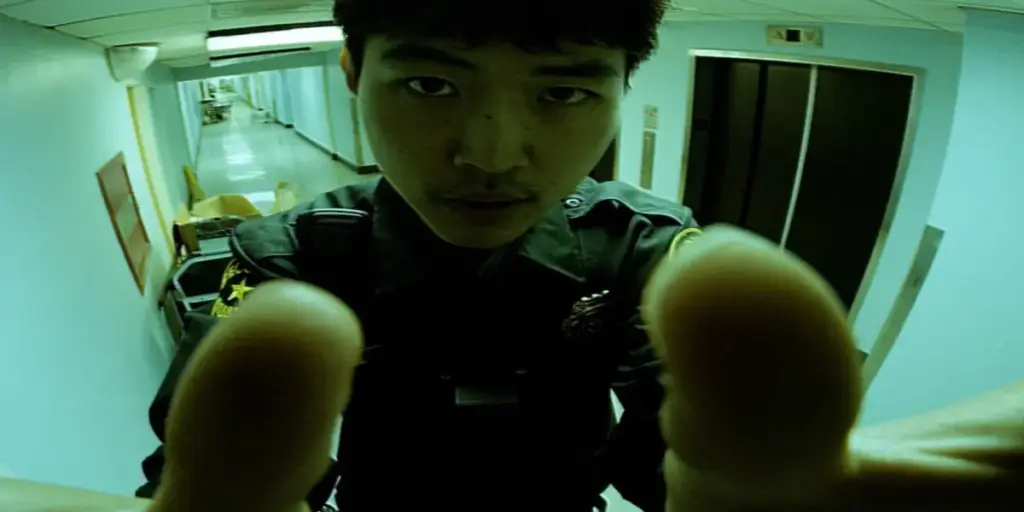
The Toronto International Film Festival (TIFF) has long served as a prestigious launchpad for boundary-pushing global cinema, with its signature Midnight Madness programme consistently drawing enthusiastic crowds eager for late-night thrills, inventive genre fare, and unexpected breakout hits. Among the highly anticipated selections at this year’s festival was Half, a 96-minute genre-blending feature directed by Samjad and co-written with Praveen Viswanath. Billed as a high-octane curry Western infused with supernatural elements, the film explores the violent crusade of twin half-blooded vampires waging war against a ruthless syndicate of desert highway hijackers. Boasting a cast that features Ranjith Sajeev, Aiswarya Raj, Amala Paul, Abbas, and Sreekanth Murali, the production arrived with heavy-metal ambitions designed to captivate the notoriously vocal and energetic Midnight Madness audience. However, despite a compelling premise and bursts of stylistic flair, the film ultimately delivers a mixed cinematic experience that struggles to sustain its initial momentum across its brisk runtime.
Background and Narrative Foundations
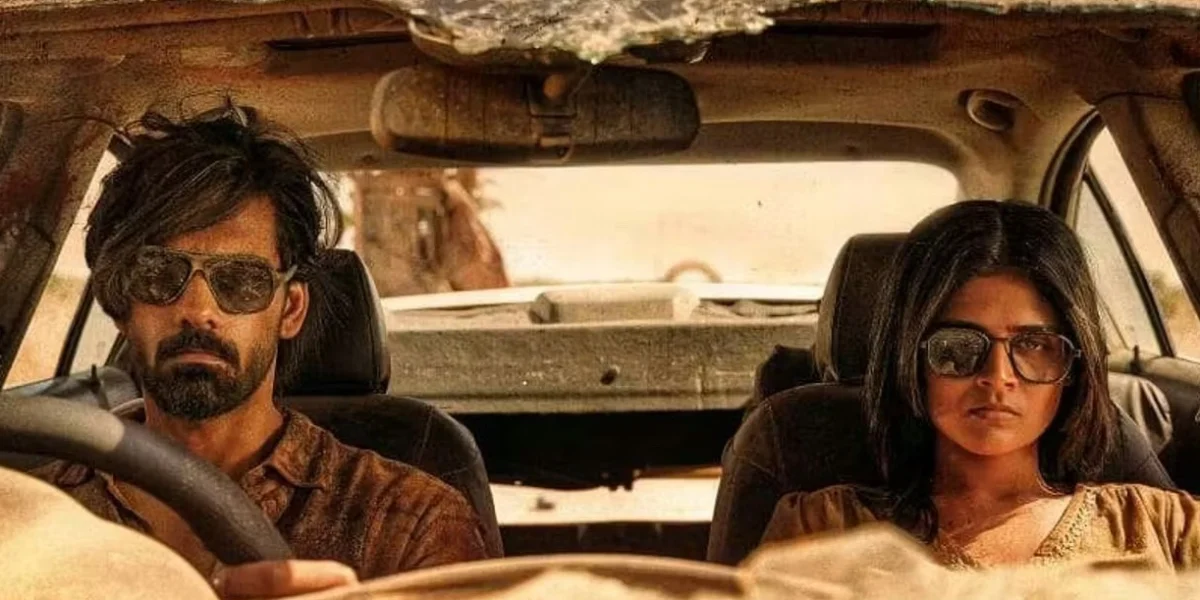
The genesis of Half lies in a distinct fusion of classic Western tropes, regional Indian cinematic sensibilities, and supernatural horror. Directors and writers within the contemporary Indian film landscape have increasingly experimented with genre hybridization, moving beyond traditional narrative constraints to explore action-heavy, high-concept storytelling. In Half, this ambition manifests through its protagonists, Ethan and Ivy, portrayed by Ranjith Sajeev and Aiswarya Raj, respectively.
The screenplay establishes the siblings’ dynamic early in the narrative by anchoring their supernatural existence in familiar familial discord. Rather than depicting the twins as stoic, immortal predators, the opening acts lean into relatable fraternal bickering, grounding their otherworldly nature in everyday sibling rivalry. This foundation is reinforced by maternal frustration, reminding the audience that beneath their supernatural cravings lies a deep, blood-bound partnership.
The inciting incident abruptly alters this dynamic during a routine road trip across the desolate and unforgiving terrain of the Rajasthan desert. The siblings find themselves ambushed by a violent organization of highway marauders known locally as dacoits. The attack is depicted as merciless and brutal, leaving Ethan and Ivy severely mutilated and abandoned for dead. This devastating encounter serves as the catalyst for the remainder of the film, transforming the narrative into a relentless, blood-fueled quest for vengeance as the surviving twins set out to systematically eradicate the entire criminal syndicate.
Genre Subversion and Mythological Rules
One of the more inventive narrative choices made by Samjad and Viswanath involves the selective application of traditional vampire mythology. Rather than adhering to strict, established genre conventions regarding sunlight and vulnerability, the screenplay introduces a unique set of physiological rules tailored to the characters’ half-human lineage.
Because Ethan and Ivy possess mixed blood, they retain the ability to traverse the landscape during daylight hours, albeit with physical limitations. Their accelerated healing factor is significantly dampened while the sun remains in the sky, forcing them to adopt defensive measures. To mitigate the blinding impact of the desert sun and conceal their calico-patterned eyes—a physical telltale sign of their supernatural heritage—the siblings wear dark sunglasses throughout the daytime sequences.
Despite these intriguing conceptual parameters, critics and festival attendees noted that the script misses opportunities to delve deeper into the intricate lore surrounding the twins’ lineage or the psychological implications of their dual nature. Instead, the narrative primarily utilizes the characters as relentless vehicles of retribution, prioritizing kinetic action over exhaustive world-building or character arcs.
Antagonist Design and Cinematic Influences
The primary antagonists of Half—the Rajasthan desert dacoits—are introduced with an uncompromising level of brutality. Crafted to evoke a cartoonish yet terrifying degree of villainy, the marauders are portrayed through extreme acts of violence designed to instantly align viewer sympathy with the antihero protagonists. By establishing the raiders as irredeemably wicked, the filmmakers construct a straightforward moral binary that justifies the ensuing escalation of lethal force.
Directionally, Samjad draws from a diverse palette of cinematic influences, weaving classic Western framing with the atmospheric tension found in cult vampire features such as Kathryn Bigelow’s Near Dark. At the same time, the film incorporates distinct hallmarks of contemporary Indian cinema, including bombastic musical cues and deliberate slow-motion set pieces designed to heighten dramatic tension.
The physical confrontations are elevated by the action choreography of Very Tri Yulissman, whose martial arts and combat staging ensure that the violent encounters remain engaging. However, industry observers noted that the fight sequences occasionally peak early, failing to culminate in a grand, show-stopping finale despite featuring several memorable eliminations and practical effects.
Production Design and Technical Execution
On a technical level, Half benefits from strong contributions across its sound and special effects departments. Vishnu Govind’s sound mixing adds a distinct auditory layer to the desert landscape, enhancing the immersive quality of the viewing experience. Furthermore, the practical prosthetic work elicits strong visceral reactions from audiences, ranging from the grotesque detail of boiling oil burns to the visceral gushing of blood resulting from the siblings’ retaliatory strikes.
Despite these polished technical elements, the film leaves an overarching sense of unfulfilled potential as the final credits roll. While it successfully delivers on the baseline expectations of an action-heavy revenge thriller, the uneven pacing and half-realized narrative depth leave viewers wanting more substance to anchor the style.
Broader Implications for Midnight Madness and Regional Cinema
The reception of Half at the Toronto International Film Festival highlights ongoing trends in international genre programming. As festivals increasingly embrace cross-cultural genre experiments—often categorized colloquially as "curry Westerns" or regional horror-action hybrids—audiences have shown an appetite for unconventional storytelling that blends local cultural motifs with global horror tropes.
However, the film’s mixed critical response underscores the persistent challenge filmmakers face when balancing high-concept visual style with substantive narrative development. While the raw kinetic energy and unapologetic embrace of carnage resonate well within the high-spirited environment of a festival midnight screening, long-term commercial and critical viability often hinges on deeper character exploration.
As Half moves forward from its festival premiere, its trajectory will likely depend on how international distribution markets receive its unique blend of desert-noir aesthetics and supernatural action. Whether the film sparks a broader trend of South Asian vampire cinema remains to be seen, but its presence at TIFF firmly establishes the commercial and artistic viability of bringing regional genre filmmaking to prominent international stages.