As the inaugural season of HBO’s high-profile DC Comics adaptation Lanterns unfolds, viewers are reminded that despite the high-stakes narrative beats of recent episodes, the story is far from over. Although the previous week’s episode delivered narrative tension and emotional resonance typically reserved for a season finale, showrunners and narrative pacing indicate that the overarching storyline is still firmly planted in its first season. With multiple narrative threads left dangling, audiences are left to navigate a complex web of temporal jumps, character motivations, and unresolved mysteries that continue to define the ambitious superhero drama.
Unraveling the Core Mysteries
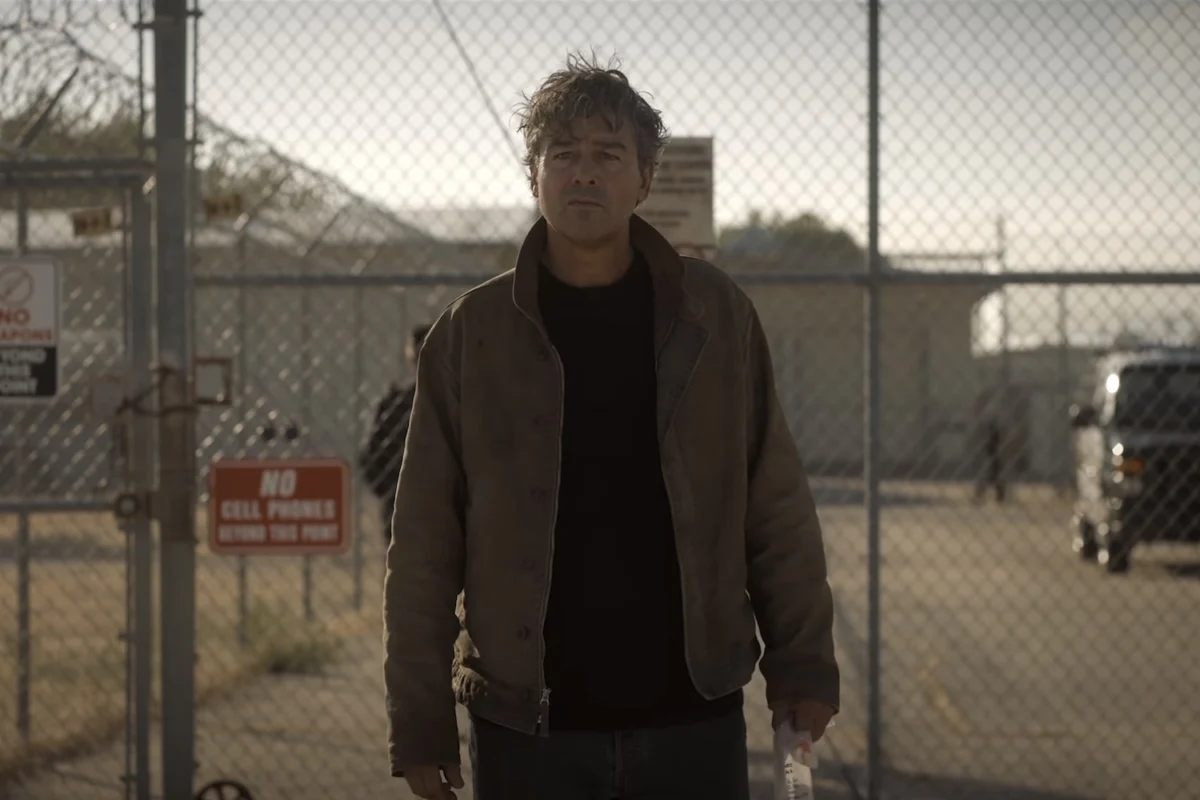
The primary narrative engine driving the series forward remains firmly anchored in the dual-timeline structure introduced at the series premiere. While the mid-season milestones successfully resolved one major arc—specifically identifying the identity of the Manhunter operating within the 2016 timeline—the contemporary narrative continues to harbor its most perilous question: Who is responsible for putting a bullet in the head of veteran hero Hal Jordan, portrayed by Kyle Chandler?
This central enigma serves as the primary psychological and investigative catalyst for John Stewart, brought to life by Aaron Pierre. Stewart’s relentless pursuit of the truth bridges the historical and modern timelines, forcing him to confront not only external threats but also the complex histories of his fellow Green Lantern Corps members. As the season progresses, the mystery of Hal Jordan’s attempted assassination has overshadowed the earlier revelations regarding the Manhunter, establishing a much darker and more intricate conspiracy at the heart of the HBO series.
Expanding Horizons: A Closer Look at the Supporting Cast
The recently released mid-season trailer by HBO shifts significant narrative focus toward pivotal figures within the Green Lantern mythos, offering a deeper dive into characters whose pasts and presents heavily influence the unfolding crisis.
Among them is Guy Gardner, portrayed by Nathan Fillion, whose depiction leans into a defensive posture regarding his life and career prior to ascending to superhero status. Fillion’s portrayal adds a layer of grounded vulnerability to a character traditionally known for his brash and unyielding demeanor. Meanwhile, Ulrich Thomsen’s Sinestro cuts an enigmatic figure in the footage, displaying a calculated reluctance to share crucial information with his peers. Despite his guarded nature, Sinestro’s philosophical perspective on the nature of fear provides a chillingly pragmatic commentary on the cosmic forces threatening the universe.
The promotional footage also hints at a broader scope for the series, featuring flashbacks to Hal Jordan’s formative years as a younger man, affectionately referred to by fans as "lil’ Hal Jordan." Furthermore, the narrative appears poised to foster a compelling partnership between John Stewart and Sheriff Kerry, played by Kelly Macdonald. Following the devastating events that left her local community reeling in the wake of the previous episode’s destruction, Sheriff Kerry’s integration into the cosmic investigation provides a vital human anchor for the sprawling sci-fi narrative.
Temporal Complexity and Narrative Chronology
Discerning the exact chronology of events within Lanterns has become a central exercise for dedicated viewers and critics alike. The series frequently utilizes non-linear storytelling, seamlessly transitioning between past and present eras. While physical markers—such as John Stewart’s distinct goatee in certain sequences—provide baseline clues for temporal placement, the new trailer deliberately obscures timeline boundaries to maintain suspense.
This stylistic choice emphasizes the thematic continuity between the past failures of the Green Lantern Corps and the contemporary crises threatening their survival. Hal Jordan, despite facing mortal danger and the scrutiny of his peers, continues to rely on his signature bravado and evasive tactics to navigate the mounting pressure.
Production Background and Strategic Positioning for HBO Max
The development and execution of Lanterns represent a significant milestone in Warner Bros. Discovery and DC Studios’ strategy to revitalize their television slate under a cohesive shared universe banner. Helmed by prominent creators and backed by a substantial production budget, the series was conceived to bring a prestige television sensibility to the traditionally blockbuster-driven superhero genre. By casting acclaimed actors such as Kyle Chandler, Aaron Pierre, Nathan Fillion, and Kelly Macdonald, HBO aimed to attract both dedicated comic book enthusiasts and prestige drama audiences.
The decision to air episodes weekly on HBO Max rather than adopting a binge-release model has proven instrumental in fostering community engagement, allowing fan theories regarding the identity of Hal Jordan’s assailant and the wider conspiracy to circulate widely across digital platforms.
Broader Implications for the DC Television Landscape
As Lanterns continues its weekly broadcast schedule on Sundays, its success or failure carries broader implications for the future of DC adaptations on streaming platforms. The series has largely traded traditional cape-and-cowl spectacle for a moody, neo-noir investigative thriller structure, comparing favorably to serialized crime dramas with a cosmic sci-fi veneer.
Industry analysts note that if Lanterns maintains its viewership retention and critical momentum through the remainder of its freshman season, it could establish a definitive blueprint for how mature, character-driven comic book properties are adapted for television. For now, audiences tuning into HBO Max remain locked in week-to-week suspense, waiting to see whether John Stewart can untangle the web of deception before the next catastrophic shoe drops in a universe where fear is both a weapon and an unavoidable reality.