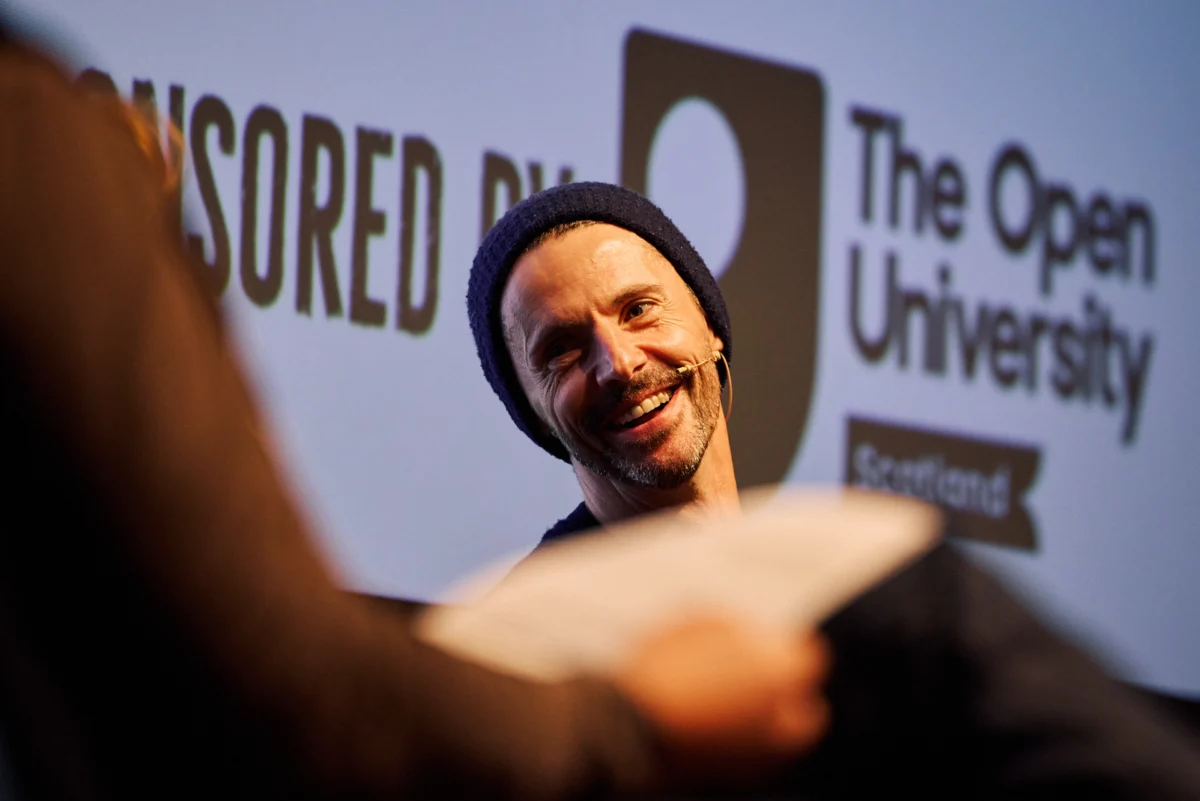
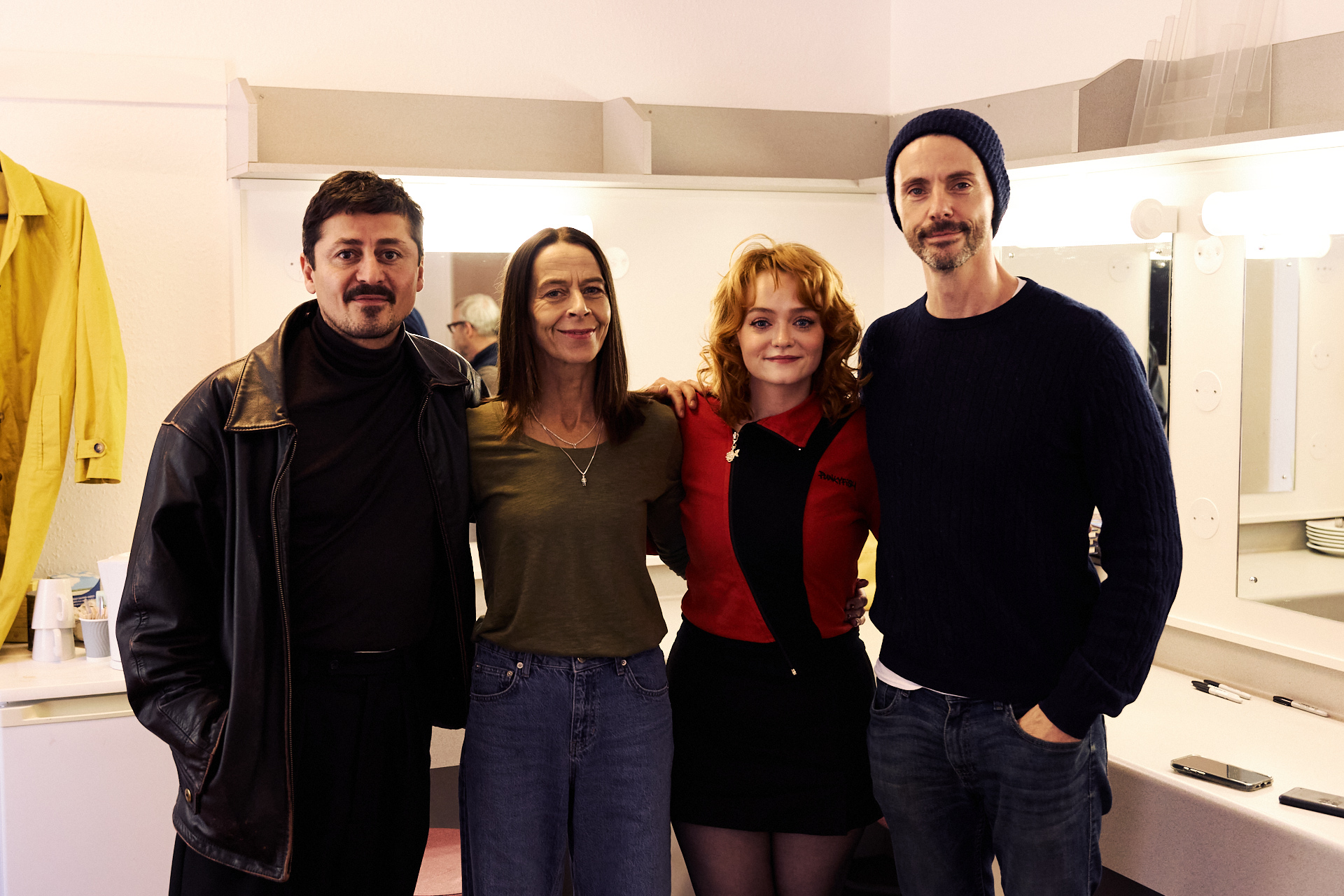
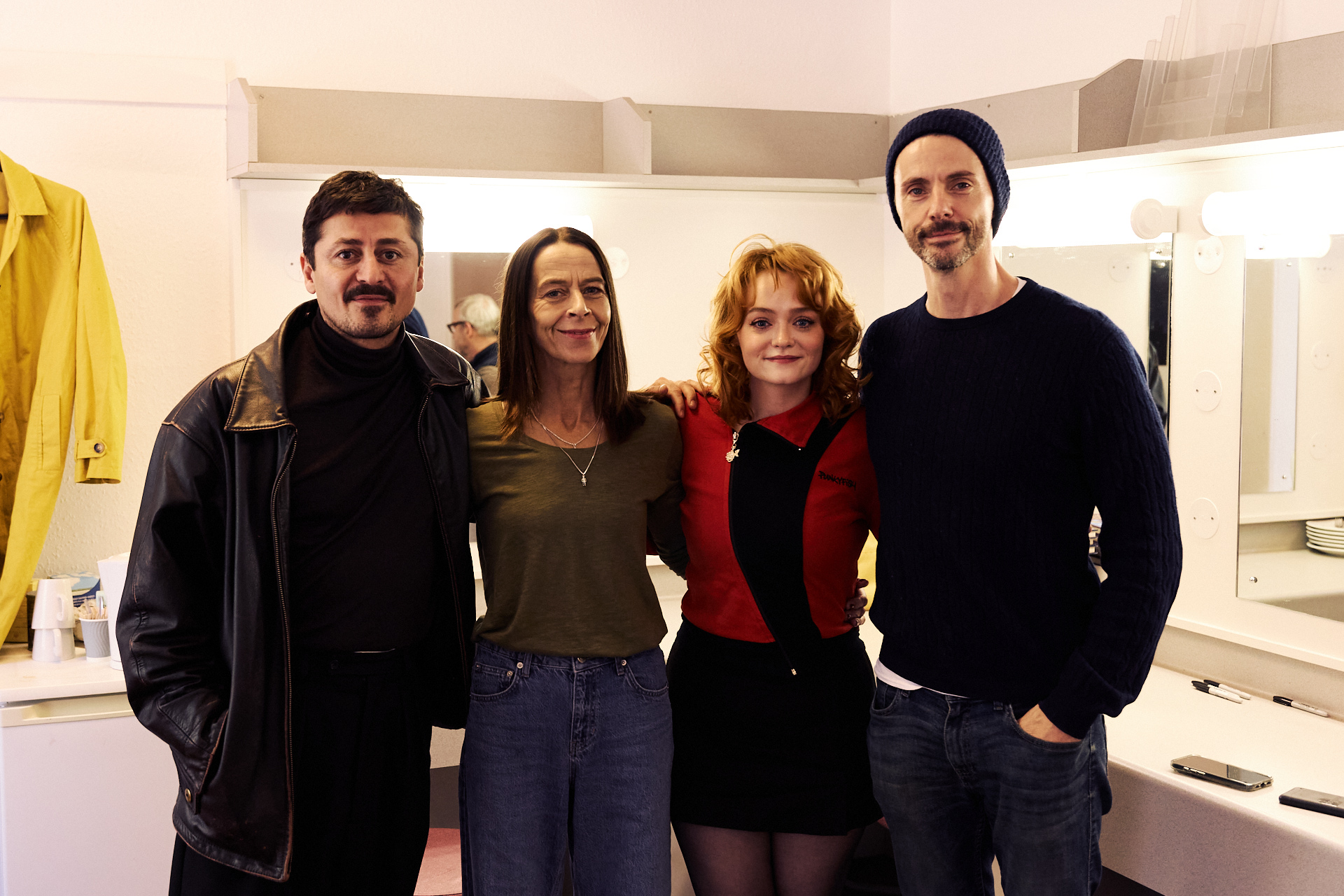
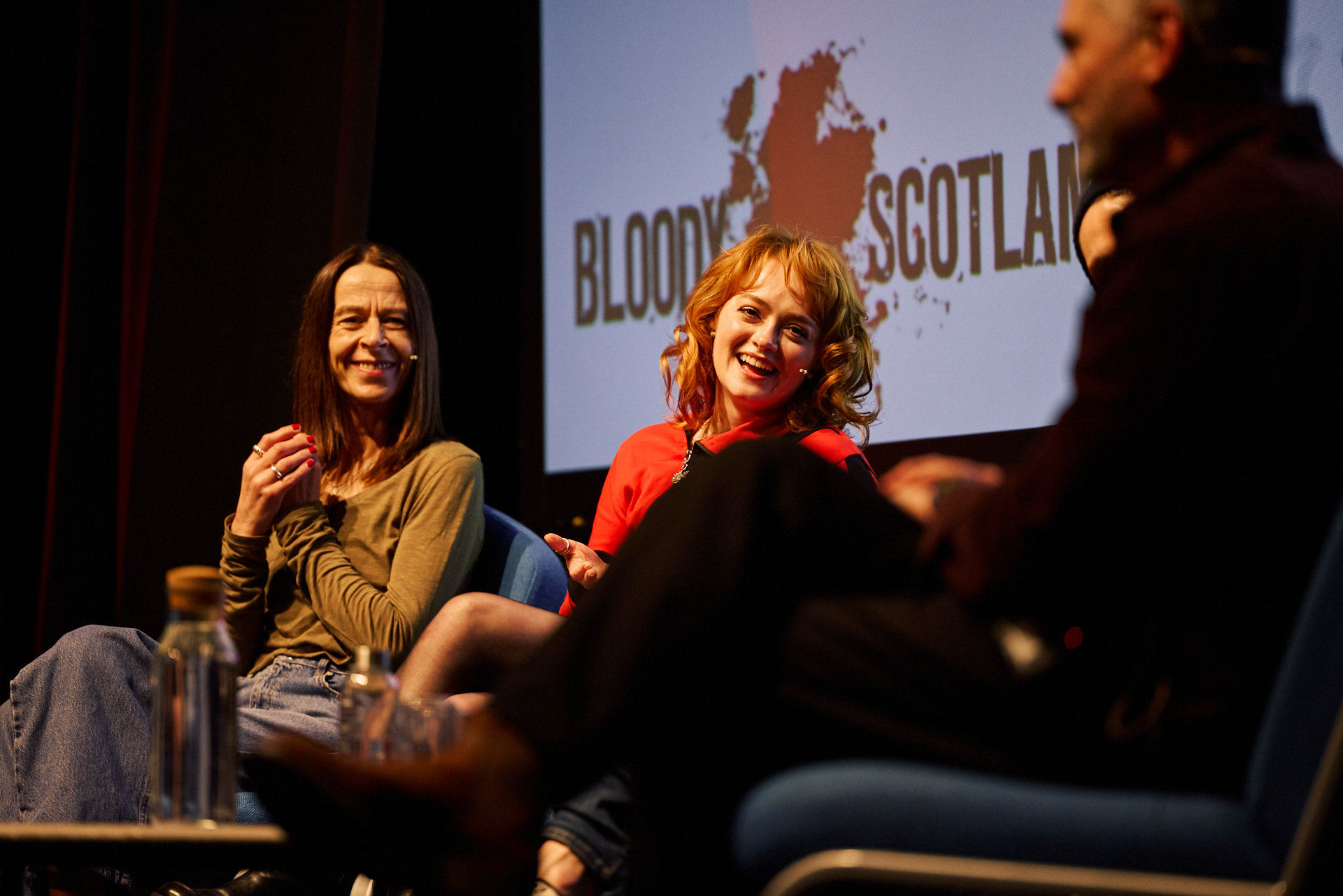
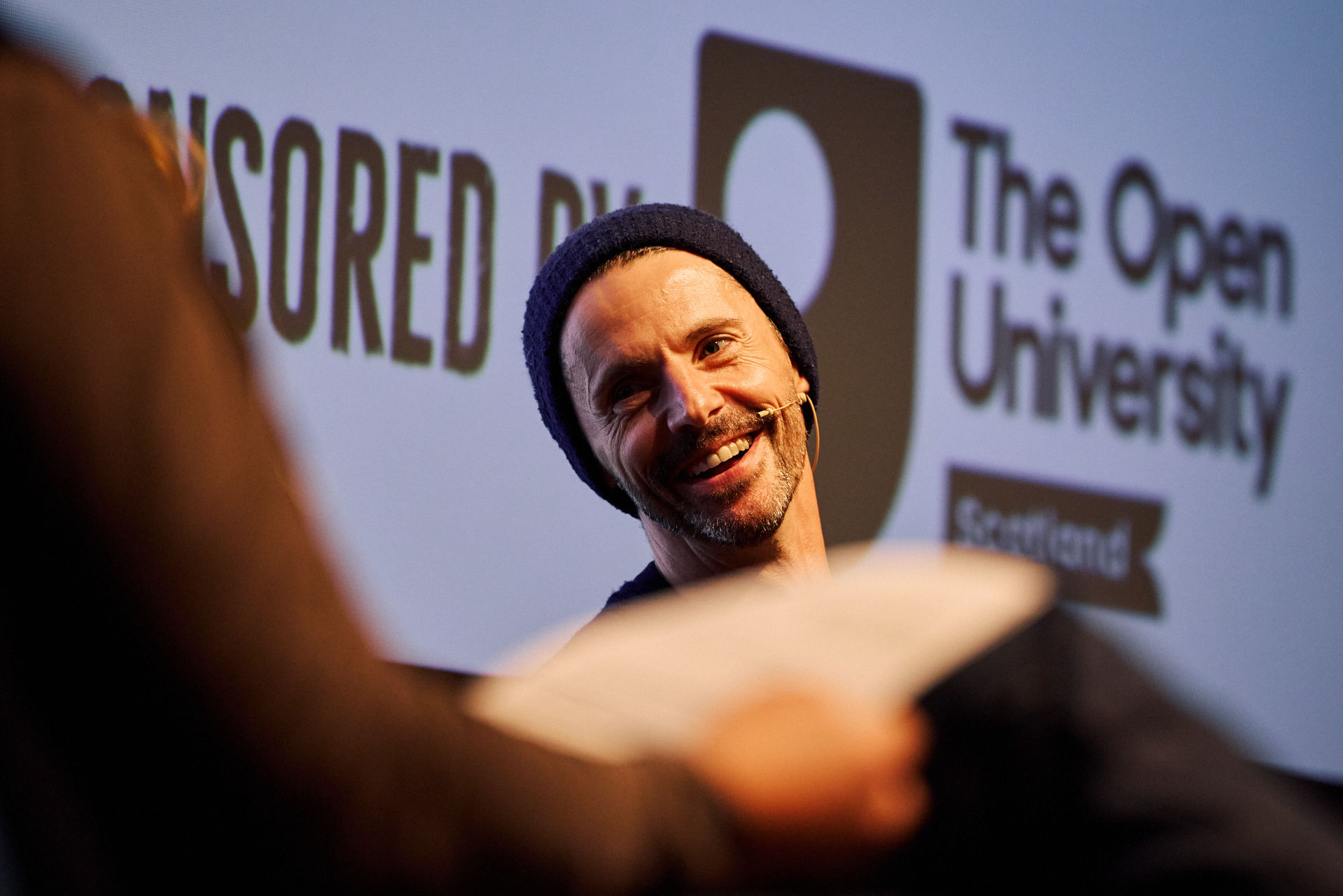
The cast and creative team behind Netflix’s critically acclaimed Edinburgh-set crime drama, Dept Q, temporarily stepped away from a grueling production schedule to offer fans a rare glimpse into the highly anticipated second season. Appearing at the Albert Halls in Stirling to close out the prestigious Bloody Scotland crime writing festival on Sunday, writer-director Scott Frank and key members of the ensemble cast participated in a packed panel discussion. Chaired by executive producer Rob Bullock, the event featured principal cast members Matthew Goode, who stars as DCI Carl Morck; Kate Dickie, portraying Chief Superintendent Moira Jacobson; Alexej Manvelov, who plays Akram Salim; and Leah Byrne, taking on the role of DC Rose Dickson.
While the panel was intended to celebrate the success of the show’s inaugural season and discuss the ongoing creative process, the participants offered several revealing teases regarding character arcs, production logistics, and the future trajectory of the franchise. The live session provided industry observers and dedicated fans with substantial data points regarding the show’s timeline, behind-the-scenes dynamics, and Netflix’s overarching strategy for high-end European crime adaptations.
Production Timeline and Schedule Realities
Opening the panel, executive producer Rob Bullock provided immediate context regarding the physical demands placed upon the cast and crew, noting that the team was mid-way through a demanding production cycle. "We are 15 weeks into a 20-week shoot," Bullock told the audience. "It’s long and grueling hours, and we are actually in the middle of night shoots as well."
Bullock’s remarks serve as a vital marker for industry analysts tracking the production timeline of Dept Q Season 2. Initial industry listings indicated that principal photography was slated to run from July 13 through December 11. However, earlier production tracking revealed that cameras actually commenced rolling significantly earlier, around June 1. Factoring in a June 1 start date, the panel appearance on Sunday marked approximately day 111 of principal photography—translating to nearly 16 weeks of continuous shooting. This accelerated timeline aligns far more closely with an October wrap date rather than the previously anticipated December conclusion. Consequently, media analysts suggest that a release window in the second half of 2025 remains the most realistic target for the streaming platform.
Character Developments and Narrative Teases for Season 2
When pressed by the moderator regarding specific plot details for the upcoming sophomore run, writer-director Scott Frank initially deflected with characteristic dry humor, deadpanning, "Nothing. It’s shit." However, Frank quickly contextualized his remarks, adding a more measured assessment: "Season two is going to be okay, fine. You’ll enjoy it, you can fold your laundry while you’re watching it."
Despite Frank’s playful reticence, other members of the creative team proved more forthcoming. Matthew Goode delivered the most substantial narrative tease regarding the evolution of his co-star’s character. "This is what’s so interesting about season two—you suddenly start getting the scripts and you’re like, oh my God," Goode shared. "You start finding out about Akram and you’re just like, awesome… those of you who like the show, you’re going to [be in] for an absolute treat."
Expanding on his character’s psychological landscape, Alexej Manvelov described Akram as an individual operating under a carefully constructed facade of tranquility. "It has to be a contrast to Carl, who’s insane. So Akram has to be secretly insane. But on the surface, he looks calm," Manvelov explained. He noted that while all members of the Dept Q unit grapple with profound personal trauma, Akram approaches his past with the misguided belief that he has already processed it entirely. "He’s all cried out, he’s all done. And now he’s being the stable point of gravity for the rest of the group. But of course, inside, he is raging."
Other cast members highlighted significant expansions to their respective roles in the upcoming episodes. Kate Dickie discussed how Chief Superintendent Moira Jacobson will break away from her administrative confines during the new season. "Moira didn’t really leave the office much in season one," Dickie observed. It was subsequently confirmed during the panel that viewers will be granted access to Moira’s private residence, offering a deeper look into her personal life. Dickie also teased a memorable sequence involving a helicopter shoot, promising audiences a chance to see her character operating far outside her traditional institutional environment.
Addressing location logistics, Frank confirmed that the production has expanded its geographic footprint beyond the Scottish capital. "We shot a little bit in Aberdeen this time up that way. We’ve shot a lot out of Edinburgh this time, but a lot of the show’s on sets," he noted.
Regarding the notable absence of Kelly Macdonald—who portrayed Carl’s therapist, Dr. Rachel Irving, in the first season—Frank offered a pragmatic explanation regarding scheduling conflicts. "She’s making another show. She’s doing Lanterns, so our show and their show couldn’t make it work. But she may come back. We never know. Depends on how her career is going on the other show."
The Creative Process and Writing Philosophy
As the discussion shifted toward the writing and development process, Frank offered insight into his unconventional approach to screenwriting. When asked whether he adheres to a rigid outlining structure or prefers spontaneous writing, Frank confessed to being firmly in the latter camp. "Seeing as you’ve been waiting for the last episode for six months for me to finish writing it, and seeing as we started shooting last season with two episodes written and we were basically building the airplane while we were flying it, I am definitely a pantser."
Reflecting on the unexpected breakout success of Dept Q, Frank maintained a cautious, detached perspective regarding audience reception. "I never think anything is going to cut through. I never think anything is going to work or be good. So I choose to be pleasantly surprised rather than violently disappointed," he stated. When pressed to identify the core element driving the show’s popularity, Frank theorized that narrative authenticity is paramount. "Sometimes, when you’re telling a story, the story is true to itself. And the story is told from the inside out. The story is told by characters and people get into the characters and they want what they want."
This character-first philosophy dictates Frank’s approach to the crime genre as a whole, wherein traditional mechanics take a back seat to emotional resonance. "The whodunnit is not as important as the whydunnit," he asserted, while acknowledging historical criticisms regarding his deliberate pacing. "I get accused of taking too much time in pilots or first episodes. But I want you to know the characters, because if you know them, then you’ll actually feel something at the end of the show."
Matthew Goode echoed these sentiments, recalling his initial reaction to the source material and the scripts provided by his long-standing agent, Joel. "I read it and I was like, the dialogue is so good. And this Carl character is… it’s outrageous. And like looking in the mirror," Goode said. Drawn to the multi-book potential of the source material—which spans ten novels—Goode hinted at a long-term commitment to the franchise, expressing explicit interest in returning for a potential third season later in the discussion.
Collaborative Dynamics with Netflix
A significant portion of the panel focused on the working relationship between high-profile creators and streaming platforms. Addressing the common industry perception that global streamers enforce rigid creative constraints regarding style and tone, Frank firmly dismissed prevailing myths about corporate interference.
"There’s a lot written about Netflix, you know, they change the lighting, there’s Netflix lighting, there’s this—none of that’s true. If a show’s lit like crap, it’s because the director and the cinematographer lit it like crap. No one upstairs is saying, you know, light it like crap," Frank stated emphatically.
Drawing on his extensive history with the platform—including his work on the western miniseries Godless and the global phenomenon The Queen’s Gambit—Frank emphasized that successful collaborations hinge upon early alignment of intent. Referencing former Netflix executive Cindy Holland’s initial pitch philosophy, Frank recalled being told, "We’re going to agree on all the parameters… but we trust you. We’re hiring you and giving you all this money because we trust you." He added that partnering with Netflix UK, particularly under the leadership of Anne Mensah on Dept Q, has provided one of the most rewarding collaborative experiences of his career.
Rob Bullock reinforced this narrative by recounting the genesis of the Season 2 renewal meetings. Rather than immediately launching into corporate demands or forward-looking plot agendas, Frank initiated the pitch by asking Netflix executives to articulate precisely what they valued most about the inaugural season. Following a comprehensive breakdown from the platform regarding the show’s emotional and narrative strengths, Frank summarized the strategy for the follow-up season with a simple promise to amplify those exact qualities.
Broader Implications for the Franchise and Streaming Landscape
The disclosures at the Bloody Scotland panel underscore Netflix’s ongoing commitment to prestige, character-driven European crime dramas designed to appeal to global audiences. By prioritizing deliberate pacing, deeply flawed protagonists, and rigorous psychological depth over conventional procedural tropes, the creative team behind Dept Q has successfully carved out a distinct niche within the crowded streaming marketplace.
Furthermore, the transparency exhibited by the cast and crew regarding production schedules and narrative evolution highlights an evolving marketing paradigm wherein fan engagement at live cultural festivals serves as a vital bridge between principal photography and eventual broadcast. As production on Season 2 nears its completion, the combination of expanded character arcs, stable creative leadership, and sustained audience enthusiasm positions Dept Q as one of Netflix’s most reliable and critically robust international franchises heading into 2025.