The 2026 autumn film festival circuit—encompassing the Venice International Film Festival, the Telluride Film Festival, and the Toronto International Film Festival (TIFF)—has officially drawn to a close, leaving the upcoming Academy Awards race defined by a paradoxical mix of entrenched frontrunners and unprecedented bubble-category chaos. While the top tier of the Best Picture race has crystalized into a formidable two-film showdown, the broader landscape remains fiercely contested, heavily disrupted by surprise audience awards, studio pecking-order shifts, and an increasingly volatile slate of contenders.
As industry pundits and prognosticators parse the fallout from the past three weeks, the data emerging from Venice, Telluride, and Toronto suggests an Oscar season that will test the strategic mettle of major Hollywood studios and independent distributors alike. Far from providing clarity, the fall festival gauntlet has expanded the battlefield, leaving numerous major players searching for equilibrium ahead of the New York Film Festival and the eventual winter voting window.
The Two-Horse Race: The Odyssey Faces Its First True Challenger
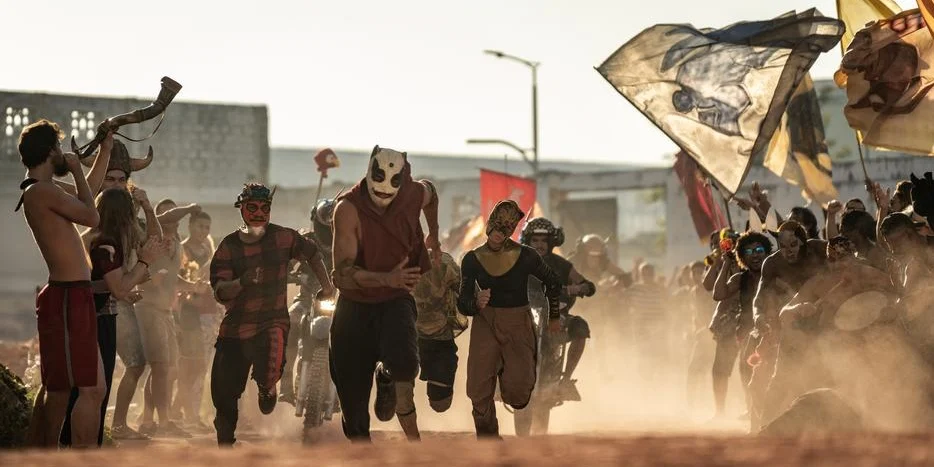
Heading into the late-summer festival window, Christopher Nolan’s anticipated epic The Odyssey enjoyed a commanding, virtually unchallenged position at the top of early Best Picture projections, building upon momentum established at the Cannes Film Festival and through subsequent summer test screenings. However, the conclusion of the Toronto International Film Festival has officially solidified a direct, certifiable rival: Los Javis’s Spanish-language drama La Bola Negra.

The momentum for La Bola Negra peaked during the TIFF awards ceremony, where the film captured the prestigious Toronto People’s Choice Award, besting a competitive field that included the festival’s International People’s Choice winner. This victory mirrors the dual-frontrunner dynamic of the previous Oscar cycle, evoking memories of the fierce competition between One Battle After Another and Sinners.
Current aggregate polling from industry analysts places The Odyssey and La Bola Negra virtually dead even in overall Best Picture standing. Nevertheless, significant structural hurdles remain for La Bola Negra before it can unseat Nolan’s juggernaut. To claim the ultimate prize, the film must successfully translate its TIFF momentum into a viable Best Director campaign for Los Javis. Furthermore, breakout star Guitarricadelafuente must break through in the historically competitive Best Supporting Actor category. While The Odyssey still retains the advantage in terms of a comprehensive, multi-below-the-line win package, La Bola Negra has established itself as an undeniable powerhouse, transforming a coronation into a genuine contest.
The Fragile Frontrunners: Wild Horse Nine and The Debut Lose Luster
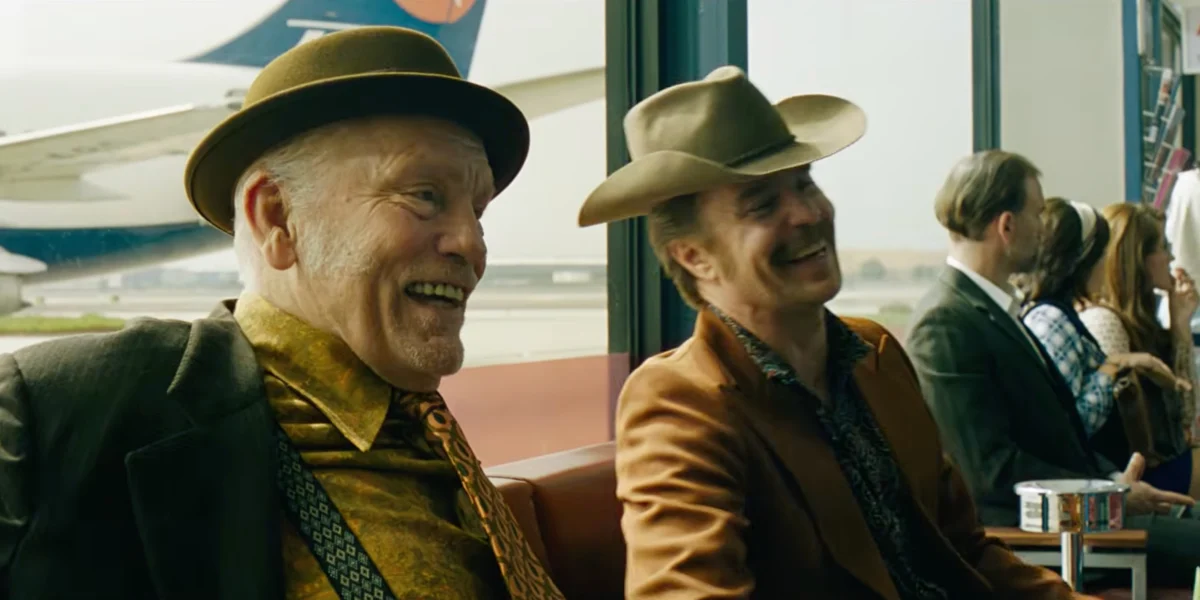
The early days of the fall circuit painted a picture of absolute dominance for Searchlight Pictures’ Wild Horse Nine and A24’s The Debut. When Wild Horse Nine premiered at Venice to widespread critical acclaim, it instantly installed John Malkovich as the definitive Best Actor frontrunner. Simultaneously, the rapturous reception of The Debut at Telluride positioned Julianne Moore as the early favorite for Best Actress.
In those initial weeks, industry projections anticipated that both films would not merely contend for top honors, but potentially execute sweeps across lead acting, Best Supporting Actor, and Best Original Screenplay categories. Such dominance would have positioned them as dual-threats capable of mounting a serious challenge to The Odyssey and La Bola Negra for the overall Oscar haul.

However, the reality of the Toronto International Film Festival introduced a sharp correction. Neither Wild Horse Nine nor The Debut managed to secure the People’s Choice Award or even place within the top three spots at TIFF—a historical bellwether for eventual Best Picture victors. While both films retain high winnability for their respective lead acting categories and remain strong contenders in original screenplay and supporting acting races, their overall viability as Best Picture victors has noticeably softened.
Statistical precedent suggests that when multiple heavy-hitting dramas occupy similar demographic and thematic spaces, they risk cannibalizing each other’s votes within the Academy’s preferential ballot system. Without securing at least three above-the-line victories, Wild Horse Nine and The Debut may find their paths to the podium severely constricted by more consolidated studio campaigns.
The Rise of the Divisive Contender: TIFF’s New Oscar Villains
A staple of modern Oscar cycles is the emergence of the polarizing contender—often colloquially termed the "villain" of the season—a film that secures significant Academy attention despite lacking the universal critical adoration bestowed upon traditional prestige pictures. Following two consecutive years devoid of such a narrative force at TIFF, the 2026 festival delivered a trio of contentious titles guaranteed to provoke intense debate among voters over the next six months.
Leading this charge is Peter Farrelly’s I Play Rocky, distributed by Amazon. Despite finishing as the first runner-up for the TIFF People’s Choice Award rather than taking the top prize, the film has immediately drawn inevitable, polarizing comparisons to past Academy victors and lightning-rod nominees like Green Book. The prospect of a prolonged awards campaign for the film has sparked both eager anticipation and vocal dread across film circles.

Adding to the theatrical unease is Sian Heder’s Being Heumann, which secured a surprise second runner-up finish at TIFF. Unlike Amazon’s backing of I Play Rocky, Apple has designated Being Heumann as its undisputed No. 1 priority for the season, immediately invoking the successful, grass-roots playbook that carried CODA to Best Picture glory.
Rounding out this trio of unexpected turbulence is Focus Features’ Elsinore, which captured the International People’s Choice Award. Propelled by a potential Best Actor frontrunner performance from Andrew Scott, Elsinore has triggered concerns among rival distributors regarding its potential to break past traditional arthouse boundaries and squeeze out more universally lauded contenders on the Best Picture bubble. Whether these films ultimately mirror the trajectory of Green Book, CODA, or more recent divisive titles like F1, their presence ensures that the bottom tiers of the Best Picture ballot will be fiercely contested.
Venice Film Festival Struggles to Provide Up-Front Clarity
For the third consecutive year, the Venice International Film Festival offered a mixed bag of prognosticational utility. While the Lido successfully launched John Malkovich toward a Volpi Cup victory and subsequently cemented Wild Horse Nine as a definitive player, the festival’s broader slate of winners once again skewed heavily toward international or niche titles unlikely to maintain momentum through the extended winter campaign.
High-profile projects entering the festival with substantial expectations experienced varied fortunes. While Wild Horse Nine met its lofty projections, potential heavyweights such as Ink fell short of critical consensus, and anticipated disappointments like Bunker materialized precisely as industry observers feared. Meanwhile, titles such as Possible Love and Primetime left Venice with ambiguous trajectories, forcing their respective studios into defensive positioning as the calendar shifts toward domestic release windows. Consequently, Venice’s footprint on nomination morning may once again be remarkably narrow, reinforcing a growing trend wherein the Italian festival initiates prestige campaigns rather than finalizing them.

Studio Strategy and the Internal Pecking Order Crisis
The conclusion of the fall festival gauntlet has left several major studios grappling with internal disarray regarding their promotional priorities. With multiple high-profile titles competing for finite corporate resources and Academy attention, the strategic pecking order remains intensely fluid.
Searchlight Pictures emerges from the circuit with relative clarity, identifying Wild Horse Nine as its undisputed flagship contender, pending the upcoming New York Film Festival premiere of Behemoth!. Similarly, Netflix has consolidated around La Bola Negra as its primary vehicle for Best Picture success, though questions linger regarding the down-ballot positioning of Possible Love over Ink.
Conversely, A24 navigates an embarrassment of riches that has transformed into a strategic puzzle. Entering the festivals, the studio balanced high-profile buzz for The Debut, Club Kid, Primetime, the documentary You Can See Everything, and the late-arriving The Invite. However, with The Debut and Club Kid missing the top tier at TIFF, The Invite surprisingly exits the festival circuit in a stronger relative position to capture A24’s primary resource allocation than it held in August.
Similar confusion plagues other major distributors:

- Amazon: Caught between the commercial appeal of I Play Rocky and the expansive scale of Project Hail Mary.
- Focus Features: Balancing the late-breaking momentum of Elsinore against its established priority, Obsession.
- NEON: Experiencing significant overlap between All of a Sudden and Fjord in both international and domestic Best Picture consideration.
As Warner Bros. evaluates its internal hierarchy between Digger and the monumental global rollout of Dune: Part Three, the remaining studios must rapidly establish definitive slates to avoid splitting their voting blocks during the critical nominating window.
New York Film Festival Prepares for Final Circuit Disruption
Historically serving as a stabilizing capstone to the frenetic energy of Venice, Telluride, and Toronto, the New York Film Festival (NYFF) carries outsized importance this year due to the vast volume of unresolved questions left by the autumn gauntlet. With multiple studio slots still up for grabs on the Best Picture bubble, NYFF’s upcoming slate of world premieres possesses the disruptive capacity to thoroughly reshape the race.
The festival calendar features several high-stakes premieres, including Behemoth! on October 2, Artificial on October 5, Godzilla Minus Zero on September 26, Sony Pictures Classics and Tom McCarthy’s A Statement on October 3, and the first post-Telluride screening of You Can See Everything on September 30. If these projects meet or exceed expectations, they threaten to displace established bubble contenders, turning an already overcrowded field into an administrative nightmare for Academy voters.
Outside the festival circuit, upcoming commercial and platform releases—including Digger, Sense and Sensibility, The Social Reckoning, and the wide expansion of Primetime—will introduce additional market forces before the official voting window opens.

Ultimately, while Venice, Telluride, and Toronto successfully reinforced the dominance of The Odyssey and La Bola Negra, they have otherwise injected unprecedented volatility into the 2026 Oscar race. As the industry pivots toward New York and the winter precursor awards, the current landscape serves as a stark reminder that the journey to the Academy Awards is rarely a straight line, and the true shape of the race may remain obscured until the final ballots are cast.