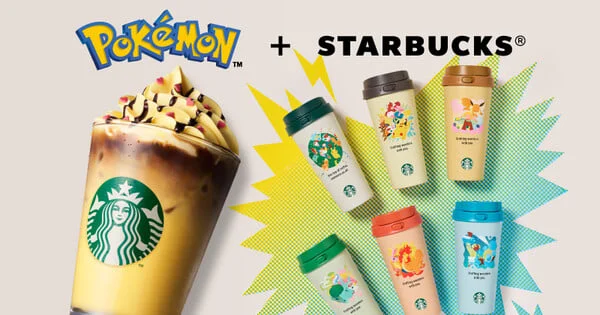
This unprecedented alliance, which officially commences on September 30, represents a significant convergence of lifestyle branding and pop-culture phenomenon. The partnership spans a diverse array of initiatives, ranging from exclusive, limited-edition beverage offerings to a comprehensive lifestyle merchandise collection designed to appeal to both long-time Pokémon trainers and the daily patrons of Starbucks.
The Inaugural Collection and Beverage Experience
The cornerstone of this collaboration is the debut of the Pikachu Honey Cream Latte, a thematic beverage priced at 690 yen (approximately US$4.50). This drink serves as the centerpiece of the campaign, designed to capture the essence of the franchise’s most recognizable mascot through a flavor profile that balances the sweetness of honey with the signature robustness of Starbucks espresso.

Beyond the beverage, the two companies have unveiled an extensive merchandise line. The collection is characterized by high-utility items that integrate the iconic Pokémon aesthetic into daily life. Offerings include, but are not limited to, tumblers featuring distinct Poké Ball-shaped lids, vacuum-insulated bottles, ceramic mugs, drip coffee makers, and branded kettles. The lifestyle range extends further into daily accessories, including aprons, keychains, stickers, postcards, posters, tote bags, and specialized cup pouches. These items are priced strategically between 1,500 yen and 6,600 yen (roughly US$10 to US$42), positioning them as accessible collectibles for a broad demographic.
Strategic Context and Brand Synergy
The partnership arrives as the Pokémon franchise celebrates its 30th anniversary, a milestone year marked by high-profile collaborations across multiple industries. This strategy of "lifestyle integration" is not a novel concept for The Pokémon Company; rather, it is a refined marketing approach.
Recent history demonstrates a clear intent to penetrate diverse consumer markets. In August 2026, the franchise partnered with Krispy Kreme for a series of thematic doughnuts, successfully leveraging the "collectibility" of food products. Similarly, in September 2026, the brand collaborated with CJ CheilJedang for a limited-edition Pokémon-themed Spam set, timed specifically for the Chuseok harvest festival. These efforts illustrate a calculated shift from traditional merchandise to experiential marketing, where the brand is woven into the consumer’s daily routines and celebratory traditions.

The Gold Standard: Yokohama’s Golden Pikachu
In a parallel development occurring simultaneously with the Starbucks launch, the Japanese precious metals retailer SGC has introduced a high-luxury counterpart to the accessible merchandise of the Starbucks collaboration. At the Yokohama Dai Ōgon Ten (Yokohama Grand Gold Exhibition), SGC is showcasing a life-sized golden Pikachu statue.
Measuring 50 centimeters (approximately 20 inches) in height, the statue is a feat of artisanal craftsmanship, composed of nearly 200 individual pieces of 24K gold leaf. This exhibition underscores the premium perception of the Pokémon brand in the Japanese market. Furthermore, the exhibition features 24K gold Gholdengo statuettes—a nod to the Generation IX Pokémon associated with wealth and coinage. Standing 6 centimeters tall and weighing roughly 15 grams, these statuettes are available for purchase at 1,540,000 yen (approximately US$9,730).
The exhibition, hosted at the Yokohama Takashimaya 8th Floor, serves as an anchor event from September 30 through October 5, providing a free-of-charge cultural touchpoint for fans visiting the city during the launch window.

Analysis: Implications for Retail and Brand Loyalty
The collaboration between Starbucks and Pokémon provides a textbook case study in cross-industry brand leverage. For Starbucks, the partnership serves as a mechanism to drive foot traffic during a transitional fiscal period. By offering limited-edition merchandise, the company creates a sense of urgency, often referred to in retail as "scarcity marketing." Given the rabid demand for Pokémon-themed goods in Japan, it is highly probable that the merchandise will see rapid sell-through rates, necessitating robust inventory management at the store level.
For The Pokémon Company, the collaboration validates the enduring relevance of the brand outside of the gaming and animation sectors. By aligning with a premium, global retail entity like Starbucks, the franchise reinforces its image as a sophisticated lifestyle brand rather than merely a children’s entertainment property. This is a critical move as the franchise’s original 1996 audience enters their prime spending years, characterized by higher disposable income and a penchant for "nostalgic consumption."
Chronology of Key Events
- August 18, 2026: Pokémon announces a collaboration with Krispy Kreme for 30th-anniversary-themed doughnuts.
- September 14, 2026: Pokémon announces a partnership with CJ CheilJedang for Chuseok-themed Spam sets.
- September 30, 2026: Official launch date for the Starbucks Japan x Pokémon beverage and merchandise line.
- September 30, 2026: Commencement of the Yokohama Dai Ōgon Ten, featuring the golden Pikachu statue.
- October 5, 2026: Conclusion of the Yokohama Grand Gold Exhibition at Yokohama Takashimaya.
As of the current press time, neither Starbucks nor The Pokémon Company has disclosed a firm end date for the coffee shop collaboration, suggesting that availability may be subject to stock depletion rather than a calendar-based expiration.

Official Stance and Consumer Sentiment
While official statements from executives have remained focused on the spirit of celebration and the joy of the 30th-anniversary festivities, the reception on social media platforms has been overwhelmingly positive. The integration of the Poké Ball-lid tumblers has specifically garnered attention for its functional design, merging practical utility with iconic franchise imagery.
Industry analysts suggest that the success of this collaboration will likely influence future brand tie-ins. The shift toward higher-end, "collector-grade" merchandise—evidenced by the inclusion of specialized kitchenware like milk foamers and kettles—indicates that both companies are catering to a customer base that views coffee-making as a ritualistic experience.
Economic Impact and Market Presence
The Japanese retail market has shown a consistent trend toward localized, exclusive collaborations. By limiting this release to Japan, the partners are creating a "destination marketing" effect, where the scarcity of the items potentially drives tourism to Starbucks locations within the region.

Furthermore, the price points—ranging from 690 yen for the latte to over 6,000 yen for high-end merchandise—allow for tiered consumer participation. This "laddering" strategy ensures that the collaboration remains inclusive for casual fans while offering substantial items for dedicated collectors.
The inclusion of the SGC gold exhibition adds a layer of prestige to the brand’s presence in Yokohama. By positioning Pokémon alongside traditional luxury gold items, the brand is effectively signaling its status as a "national treasure" of sorts in Japan. The juxtaposition of a 690-yen coffee and a 1.5-million-yen gold statuette within the same week highlights the extreme versatility of the Pokémon intellectual property.
As the collaboration progresses, stakeholders will be monitoring the impact on quarterly earnings and brand equity metrics. If the Starbucks launch mirrors the success of previous retail tie-ins, it is reasonable to expect further expansion of this partnership model, potentially moving into international markets where the Starbucks-Pokémon brand equity is equally strong.

In conclusion, the collaboration represents a strategic milestone for both organizations. By synthesizing the daily habits of millions of coffee drinkers with the global reach of the Pokémon brand, the companies have successfully created a campaign that is not only commercially viable but culturally significant. The coming weeks will likely provide further data on consumer trends and the long-term viability of such high-profile, multi-platform brand integrations in the post-pandemic retail landscape.