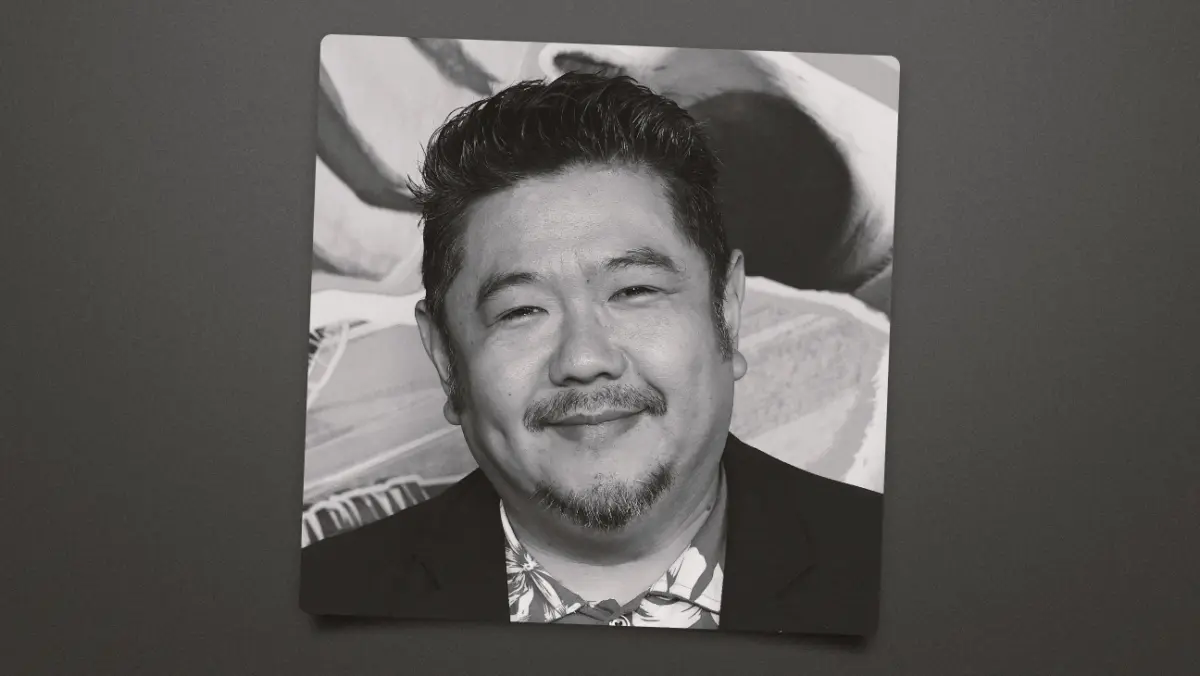
The animation industry is reeling from the sudden passing of one of its most prolific and versatile talents. The announcement was made Sunday by Bauza’s family via his official Instagram account, confirming that the actor—who breathed new life into characters ranging from Bugs Bunny and Daffy Duck to Marvin the Martian—had passed away unexpectedly. While specific details regarding the cause of death or the precise timing of the event have yet to be disclosed, the suddenness of the news has left a profound void in the entertainment community, particularly as Bauza was actively engaged in high-profile projects at the time of his passing.
A Career Defined by Iconic Legacies
Born on December 7, 1979, in Toronto, Canada, Eric Bauza’s journey to becoming the voice of a "cartoon universe" was rooted in a foundational understanding of the craft. Before achieving global recognition as a voice actor, Bauza began his career in the trenches of the animation industry as a character designer. This technical background provided him with a unique perspective on performance; he did not just voice characters, he understood their physical comedy, their pacing, and their visual identity.
Bauza’s trajectory shifted significantly when he assumed the mantle of the Looney Tunes stable, a responsibility often described as one of the most daunting in the industry. Taking over roles originated by the incomparable Mel Blanc—the "Man of a Thousand Voices"—required more than mere mimicry. It required a deep respect for the history of the characters while maintaining the elasticity needed for modern animation. Bauza succeeded in this endeavor for over 15 years at Warner Bros. Animation, solidifying his reputation as the primary custodian of the Looney Tunes legacy for a new generation of viewers.
Chronology of a Prolific Talent
Bauza’s professional history is a testament to his sheer work ethic. His early years saw him contributing to a wide array of television productions, including The Fairly OddParents, Teenage Mutant Ninja Turtles, and The Powerpuff Girls. However, it was his transition into lead roles that defined his mid-career ascent.
- Early 2010s: Established himself as a go-to voice actor for various animated series, including Unikitty and Atomic Puppet.
- 2017-2020: Garnered critical acclaim and industry recognition for his work on The Adventures of Puss in Boots, Muppet Babies, and the revival of Looney Tunes Cartoons.
- 2021: Played a pivotal role in Space Jam: A New Legacy, voicing a staggering number of characters, including Daffy Duck, Porky Pig, and Foghorn Leghorn.
- 2024: Received recognition on The Hollywood Reporter’s inaugural Animation Power List, cementing his status as a titan of the medium.
- 2024-2025: Provided the voices for a vast array of characters in Coyote vs. Acme, a project that highlighted his ability to seamlessly juggle multiple iconic personalities in a single feature.
At the time of his death, Bauza was slated to attend the premiere of Warner Bros. Pictures Animation’s The Cat in the Hat on Sunday afternoon. His involvement in the event was intended to support the short film Daffy Season, which serves as a prelude to the feature—a final, poignant reminder of his dedication to the characters he championed.
Industry Tributes and Official Statements
The loss of such a central figure has prompted an outpouring of grief from studio executives and creative peers alike. Channing Dungey, chairman of the Warner Bros. Television Group and U.S. Networks, issued a statement reflecting on Bauza’s enduring impact on the studio.
"Eric Bauza was a unique voice talent who brought joy and laughter to millions around the world," Dungey stated. "During his 15 years at Warner Bros. Animation, he followed in the footsteps of giants like Mel Blanc. Eric said that carrying on the legendary legacy of the Looney Tunes was among the greatest honors of his life. In addition to his incredible talent, Eric was a treasured part of our animation family."
The sentiment shared by Dungey is echoed throughout the industry. Bauza was not merely a performer but a collaborator who worked closely with animators to ensure that the voice performance elevated the visual gag. His work in commercials—ranging from the iconic Trix Rabbit to Lucky the Leprechaun—demonstrated a commercial versatility that few in the voice-acting world possess.
The Breadth of a Cartoon Universe
Bauza’s filmography is staggering in its depth. While he is most closely associated with the Looney Tunes, his resume spans nearly every major studio and franchise in contemporary animation. His versatility allowed him to move between high-action superhero series like Guardians of the Galaxy and The Rocketeer, to whimsical character-driven narratives like Archibald’s Next Big Thing.
His ability to inhabit different archetypes—from the frenetic energy of Woody Woodpecker to the nuanced humor required for characters in The Book of Life—made him an essential asset for casting directors. His nominations for Daytime Emmy, Children’s & Family Emmy, and Annie Awards were not just accolades; they were indicators of his consistent excellence in a field that often demands rapid-fire delivery and extreme vocal ranges.
Analysis: The Impact on Animation Production
The sudden passing of a voice actor of Bauza’s caliber presents immediate logistical challenges for ongoing productions. In the world of animation, the voice actor is the foundation upon which the animation team builds the character’s performance. Because Bauza voiced so many primary characters for Warner Bros., his absence necessitates a strategic pivot for the studio.
Historically, the industry has dealt with the loss of iconic voice actors by either phasing out characters or identifying new talent capable of honoring the established cadence. However, Bauza’s specific talent was his "quiet" dominance—he managed to modernize these classic characters without losing the nostalgic appeal that makes them timeless. The void he leaves behind is not just about the loss of a voice; it is about the loss of an institutional memory of how these characters were intended to move and sound in the 21st century.
Broader Implications for the Industry
Bauza’s recent inclusion on the Animation Power List served as a formal recognition of what fans had long known: he was the anchor of a major cultural institution. His career trajectory, moving from character designer to one of the most recognizable voices in global entertainment, serves as an inspiration for the next generation of voice actors. He demonstrated that a deep technical understanding of the medium can translate into a masterful performance.
As the animation community begins the process of memorializing Bauza, the focus will likely remain on the massive body of work he leaves behind. For millions of children and adults, his voice is synonymous with Saturday morning cartoons, cinematic adventures, and the enduring charm of characters that have survived for nearly a century.
The industry will undoubtedly look to his work as a blueprint for how to handle legacy characters. By bridging the gap between the golden age of animation and the modern era of digital production, Bauza ensured that the Looney Tunes remained relevant, vibrant, and, above all, funny. As more details regarding his passing emerge, the focus of the animation world will remain on celebrating a life that was, in every sense, defined by the pursuit of creative joy. His contribution to the art of voice acting remains secure, leaving an indelible mark on a medium he helped define for a new era.