Decades of cinematic obscurity are finally coming to an end as Warner Bros. Clockwork prepares to launch one of the most anticipated physical and theatrical revivals in modern film history. Marking its inaugural official release, Warner Bros. Clockwork has unveiled a new before-and-after comparison trailer and festival promotional materials for Ken Russell’s legendary, highly controversial 1971 masterpiece, The Devils. The newly minted 4K restoration, compiled meticulously from the original camera negative, brings a staggering 164,472 frames of 35mm film back to pristine visual clarity. As the film gears up for a wide-ranging autumn release, cinephiles, preservationists, and historians are celebrating the resurrection of a work that has remained largely hidden from mainstream public view for generations due to heavy censorship and corporate vaulting.
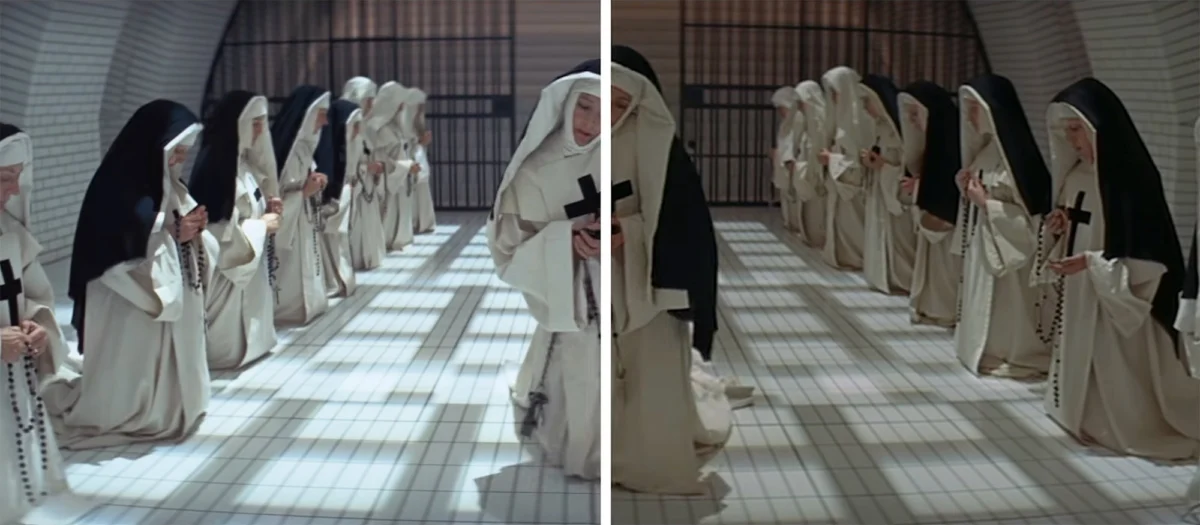
The newly released promotional assets include a striking side-by-side comparison showcasing the dramatic visual improvements achieved during the restoration process, highlighting how dirt, damage, and degradation have been meticulously reversed. Additionally, Warner Bros. Clockwork released a dedicated promotional clip announcing the film’s highly anticipated Los Angeles premiere at Beyond Fest, following its celebrated screening at the 2026 Cannes Film Festival. The rollout also encompasses subsequent festival appearances at prestigious international gatherings such as the Sitges Film Festival and the Toronto International Film Festival (TIFF), laying the groundwork for a formal commercial theatrical release across the United States on October 16, 2026.
Main Facts and the Scope of the 4K Restoration
The scope of the project undertaken by Warner Bros. Clockwork is monumental. Spanning 164,472 individual frames of 35mm celluloid, the restoration team faced the daunting task of repairing decades of physical wear and tear. The resulting 4K digital master presents Ken Russell’s definitive vision of the film, carefully assembled by referencing an alternative cut that the late director privately constructed in 2004. This version represents the uncompromised, uncut, and unfiltered theatrical experience that Russell originally intended for audiences, free from the studio interference and severe moral censorship that plagued its initial 1971 rollout.

The cultural significance of this preservation effort has garnered high-profile endorsements from leading contemporary filmmakers. Academy Award-winning director Guillermo del Toro famously praised the technical and artistic achievement of the project, stating, “The restoration of the material is like cleaning the Sistine Chapel with saliva. I’ve never seen the movie until I saw this restoration.” Such enthusiastic backing underscores the magnitude of the undertaking, transforming what might have been a routine catalogue reissue into a major cultural event.
Historical Chronology and Background Context
Set in 17th-century France, The Devils tells the harrowing, politically charged story of Father Grandier, a charismatic priest who works to protect the city of Loudun from the unchecked, corrupt political ambitions of the formidable Cardinal Richelieu. Grandier’s independent stance and political resistance ultimately lead to his downfall, orchestrated through a wave of hysteria sparked by the false witchcraft accusations of Sister Jeanne, a sexually repressed mother superior. The film features iconic, tour-de-force performances by Oliver Reed as Father Grandier, Academy Award-winner Vanessa Redgrave as Sister Jeanne, and Gemma Jones as Madeleine.
When the film was originally released by Warner Bros. in 1971, it immediately ignited global controversy. Written and directed by visionary British auteur Ken Russell—who remarkably released six films during that single year, including The Music Lovers and The Boy Friend—The Devils pushed the boundaries of cinematic representation regarding religion, sexuality, and state power. Featuring a haunting musical score composed and conducted by Peter Maxwell Davies and production design by Derek Jarman, the film premiered at the 1971 Venice Film Festival.
However, its explicit blending of eroticism and religious fanaticism provoked immediate outrage from conservative groups, religious organizations, and government censors. In the United States, the film received the notoriously restrictive X rating, while in numerous international territories, it faced outright bans or severe, unauthorized cuts mandated by nervous studio executives and local censorship boards. For decades, the original uncut version remained virtually inaccessible, circulating only through bootleg VHS tapes and rare, poor-quality film prints, while Warner Bros. kept the definitive master locked away in corporate vaults.

Timeline of the 2026 Revival
The journey toward the 2026 rediscovery of The Devils represents a multi-step milestone for film preservation:
- 2004: Director Ken Russell independently constructs a private, preferred cut of the film, establishing a blueprint for how he always intended the narrative to flow.
- May 2026: The newly finalized 4K restoration, spearheaded by Warner Bros. Clockwork, makes its triumphant world premiere at the 2026 Cannes Film Festival, stunning critics and contemporary audiences.
- September 2026: Warner Bros. Clockwork releases the official 4K comparison trailer and festival promotional spots for upcoming screenings at Beyond Fest, Sitges, and TIFF.
- October 16, 2026: The definitive 4K restoration of The Devils officially opens in theaters across the United States, marking its first-ever wide, uncensored commercial release in modern history.
Broader Impact and Industry Implications
The commercial and theatrical rollout of The Devils in October 2026 signals a significant shift in how major Hollywood studios manage and monetize their controversial historical assets. For years, studios often hid culturally contentious films in their archives to avoid public relations backlash or legal complications. By establishing specialized restoration banners like Warner Bros. Clockwork, major conglomerates are increasingly recognizing the profound commercial and artistic value of reintroducing challenging cinematic history to modern audiences.
Furthermore, the rediscovery of The Devils provides contemporary film scholars and younger generations of moviegoers with the opportunity to evaluate a foundational work of 1970s counter-culture cinema in its intended format. As discussions surrounding artistic freedom, censorship, and historical revisionism remain prominent in public discourse, the timely release of Russell’s epic serves as a poignant reminder of the power of cinema to provoke, question, and transcend the eras in which it was created. With advanced digital restoration techniques breathing new life into aging celluloid, the definitive version of The Devils is poised to reclaim its rightful place as an enduring, monumental achievement in the history of narrative film.