In a significant revelation for the Japanese manga industry, acclaimed creator Hiroya Oku—best known for his seminal works Gantz and Inuyashiki—officially confirmed on Thursday that he was the creative force behind the science fiction series Thunder 3. Writing under the pseudonym Yuki Ikeda, Oku maintained the secret for the entirety of the series’ publication run to preserve the integrity of the story’s opening premise. The confirmation, delivered via his personal social media channels, brings closure to months of speculation regarding the authorship of the highly stylized and unconventional manga.
The Rationale Behind the Pseudonym
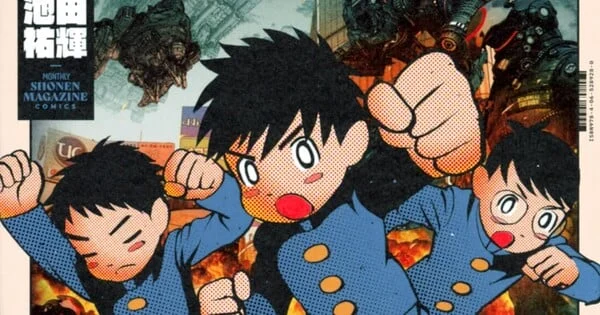
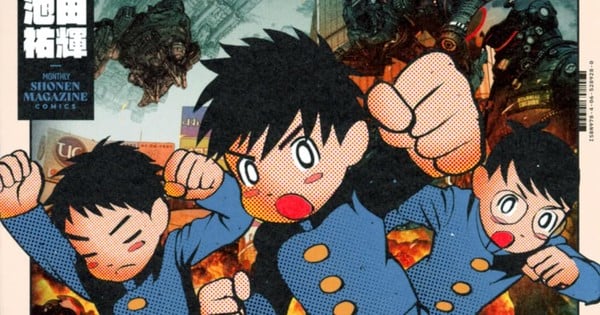
The decision to utilize a pen name was rooted in a deliberate narrative strategy. According to Oku, the opening chapter of Thunder 3 was designed to subvert reader expectations regarding tone and visual style. By introducing the series as the work of an unknown creator, Oku aimed to ensure that the initial impact of the story’s central conceit—the juxtaposition of cartoonish characters against a hyper-realistic world—remained untainted by the preconceptions associated with his established brand.
For veteran fans, the name Hiroya Oku carries specific aesthetic signatures, often characterized by gritty realism, high-stakes science fiction, and dark thematic explorations. By distancing himself from the project, Oku allowed the work to stand on its own merit, preventing the "Hiroya Oku effect" from influencing the critical reception of the series’ unconventional, experimental art style during its formative chapters.
Chronology of the Thunder 3 Project
The trajectory of Thunder 3 from its quiet inception to its mainstream success follows a rigorous timeline of publication and production:
- May 2022: Thunder 3 makes its debut in Kodansha’s Monthly Shonen Magazine.
- January 2025: The narrative reaches its climactic arc, signaling the approaching conclusion of the series.
- March 2025: The series enters an unscheduled hiatus due to the author’s health concerns, sparking concern among the readership.
- February 2026: Serialization resumes, allowing the team to move toward the final chapters.
- June 5, 2026: The manga officially concludes its run.
- July 8, 2026: The television anime adaptation premieres on Fuji TV’s +Ultra block, with international distribution handled exclusively by Netflix.
- August 17, 2026: Kodansha releases the 10th and final compiled volume of the manga.
Narrative Premise and International Reception
The story of Thunder 3 centers on a trio of schoolboys who discover a mysterious DVD capable of acting as a portal to a parallel dimension. The plot takes a surreal turn when the younger sister of one of the protagonists is abducted by extraterrestrial entities that have conquered an alternate, hyper-realistic Earth.
The core hook of the series—the contrast between the "cartoonish" design of the protagonists and the photorealistic environment they inhabit—has been a major talking point for critics. Kodansha USA, which holds the English-language license for the series, has positioned the work as a genre-bending adventure that challenges the visual boundaries of traditional shonen manga. The anime adaptation, which debuted shortly after the manga’s conclusion, has further solidified the series’ status as a unique entry in contemporary animation, leveraging the source material’s stark visual dichotomy to great effect.
Impact on Hiroya Oku’s Career
The revelation comes at a pivotal moment in Oku’s career. In an August 2026 interview with Courrier Japon, the veteran creator announced his intention to retire from the manga industry following the completion of his current project, Kanrekihime (The Sweet Sixty Princess).
Kanrekihime, which launched in Shogakukan’s Big Comic Superior in December 2025, represents a departure from the high-octane action of his earlier work. With the first volume published in May 2026, the series is widely viewed as a potential swan song for one of the most influential manga artists of the 21st century. Oku’s influence remains immense; his 2000–2013 opus Gantz fundamentally altered the landscape of seinen manga, spawning a vast franchise that includes multiple live-action films, a CG anime film, and various spin-offs, such as the historical-themed GANTZ:E.
The industry’s move toward digital-first formats is also reflected in Oku’s recent history. In July 2025, Shueisha’s Jump TOON service launched a full-color, vertical-scrolling edition of Gantz, titled GANTZ: T, signaling that even his older works are being adapted to meet the demands of modern, mobile-first audiences. Furthermore, reports from late 2021 regarding a Hollywood live-action adaptation of Gantz underscore the enduring global appeal of his intellectual property.
Industry Implications and Analysis
The practice of using pen names in the Japanese manga industry is not uncommon, yet it is rarely utilized by creators of Oku’s stature. Typically, a "big name" author is leveraged as a marketing tool to drive initial sales. Oku’s choice to subvert this convention suggests a renewed interest in "blind" artistic experimentation—an attempt to strip away the baggage of a long-standing reputation and gauge the genuine reaction of the audience.
From a market perspective, the "Yuki Ikeda" ruse was largely successful. Thunder 3 developed a dedicated following based on its own narrative and visual merits before the "reveal" could color the perception of the work. This highlights a growing trend among veteran mangaka to prioritize the autonomy of individual projects over the traditional reliance on creator-led branding.
As the industry grapples with the transition from traditional print models to digital-native, globalized streaming formats, Oku’s dual-track approach—balancing a high-profile retirement project like Kanrekihime with the experimental, pseudonymous Thunder 3—serves as a case study in how established creators are attempting to navigate the changing landscape of creative agency.
Conclusion
With Thunder 3 now officially credited to Oku, the series is expected to see a surge in retrospective analysis. Scholars and fans alike are already beginning to draw parallels between the themes of Thunder 3 and the existential dread that permeated Oku’s earlier work, such as Inuyashiki and GIGANT. As Oku moves toward his final planned retirement, Thunder 3 will likely be remembered not only as a successful experiment in anonymity but as a bold, final exploration of the visual language that has defined his career for over two decades. The legacy of Hiroya Oku is now irrevocably linked to this final, clever deception, ensuring that Thunder 3 remains a footnote of particular interest in the history of modern manga.