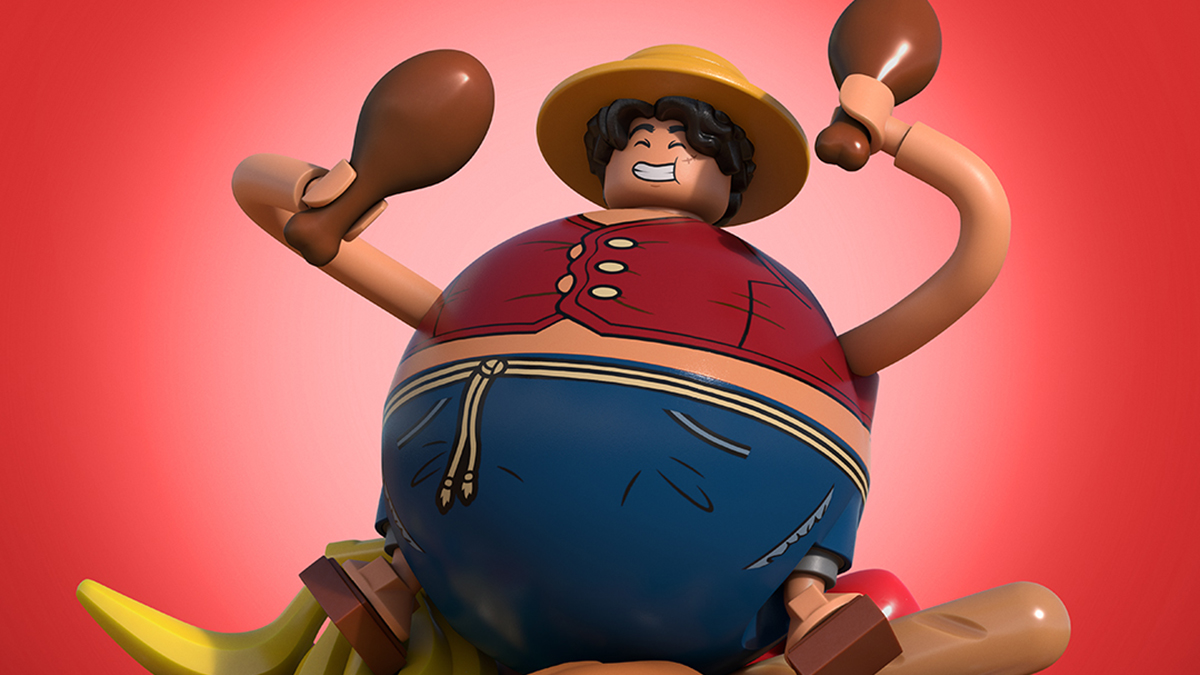
The recent debut of the Lego One Piece animated special on streaming platforms has reignited industry-wide discussions regarding the viability of translating prestige live-action and animated properties into the ubiquitous plastic-brick aesthetic. Historically, the Danish toy manufacturer Lego has partnered with major entertainment conglomerates to distill complex, multi-season television arcs and cinematic universes into accessible, family-friendly narratives. These adaptations are characterized by physical comedy, self-referential satire, and concise recaps that honor the original source material while appealing to multi-generational demographics. Following the commercial and critical reception of the One Piece special, analysts and entertainment journalists have turned their attention to Netflix’s robust catalog of original programming, evaluating which mature or expansive franchises could successfully undergo a Lego transformation.
Background Context and Industry Evolution
The intersection of Lego animation and adult-leaning or dense intellectual property is not unprecedented. For over two decades, video game developers and television producers have utilized the Lego format to deconstruct complex narrative pillars from franchises such as Star Wars, Jurassic Park, and DC Comics. These adaptations successfully strip away graphic violence and dense exposition, replacing them with visual gags, modular disassembly mechanics, and lighthearted commentary.
Netflix has increasingly leaned into major, globally recognized intellectual properties to drive subscription growth and retention. Shows like Stranger Things, The Witcher, and Wednesday have transformed from standard streaming releases into massive multi-platform franchises encompassing comic books, theatrical stage plays, mobile applications, and consumer products. Introducing a Lego animated special serves a dual strategic purpose for the streaming giant: it broadens the demographic reach of mature properties to younger audiences while offering existing fan bases a humorous, compressed retrospective of established storylines.
Stranger Things: Navigating Nostalgia and Dark Lore
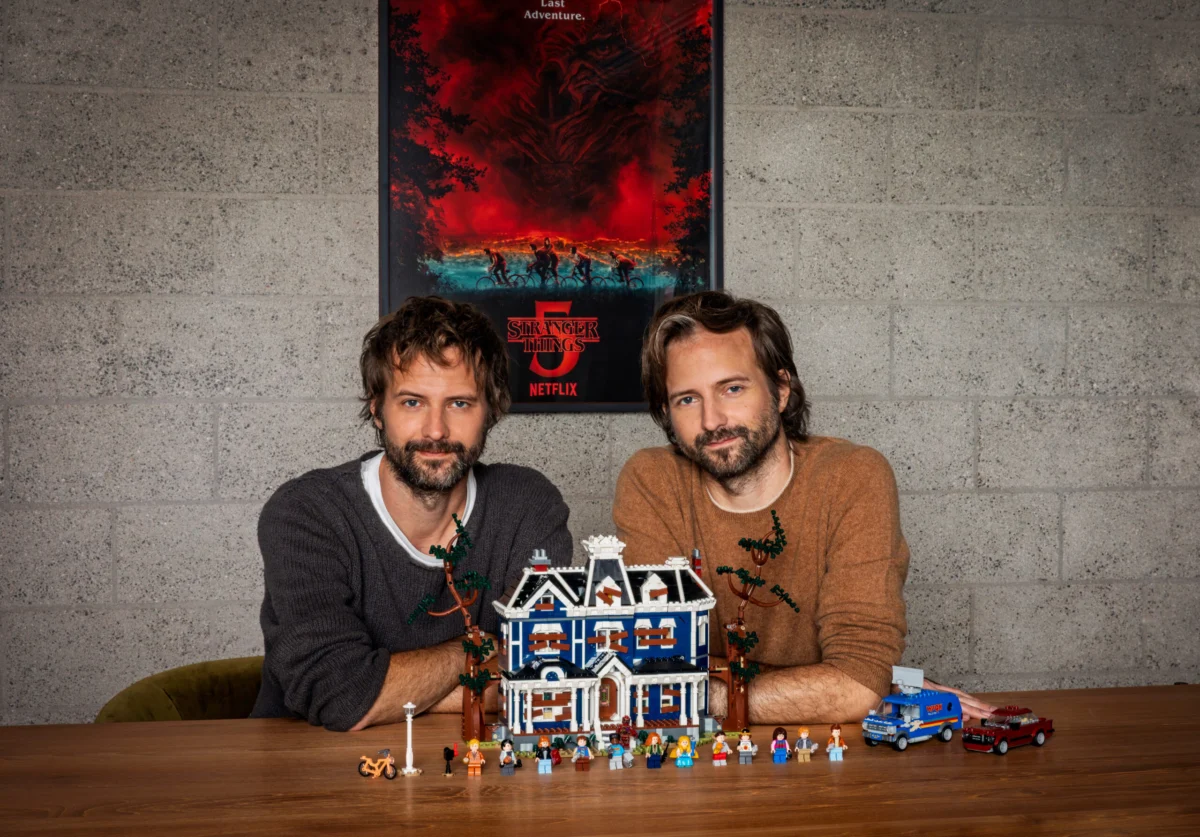
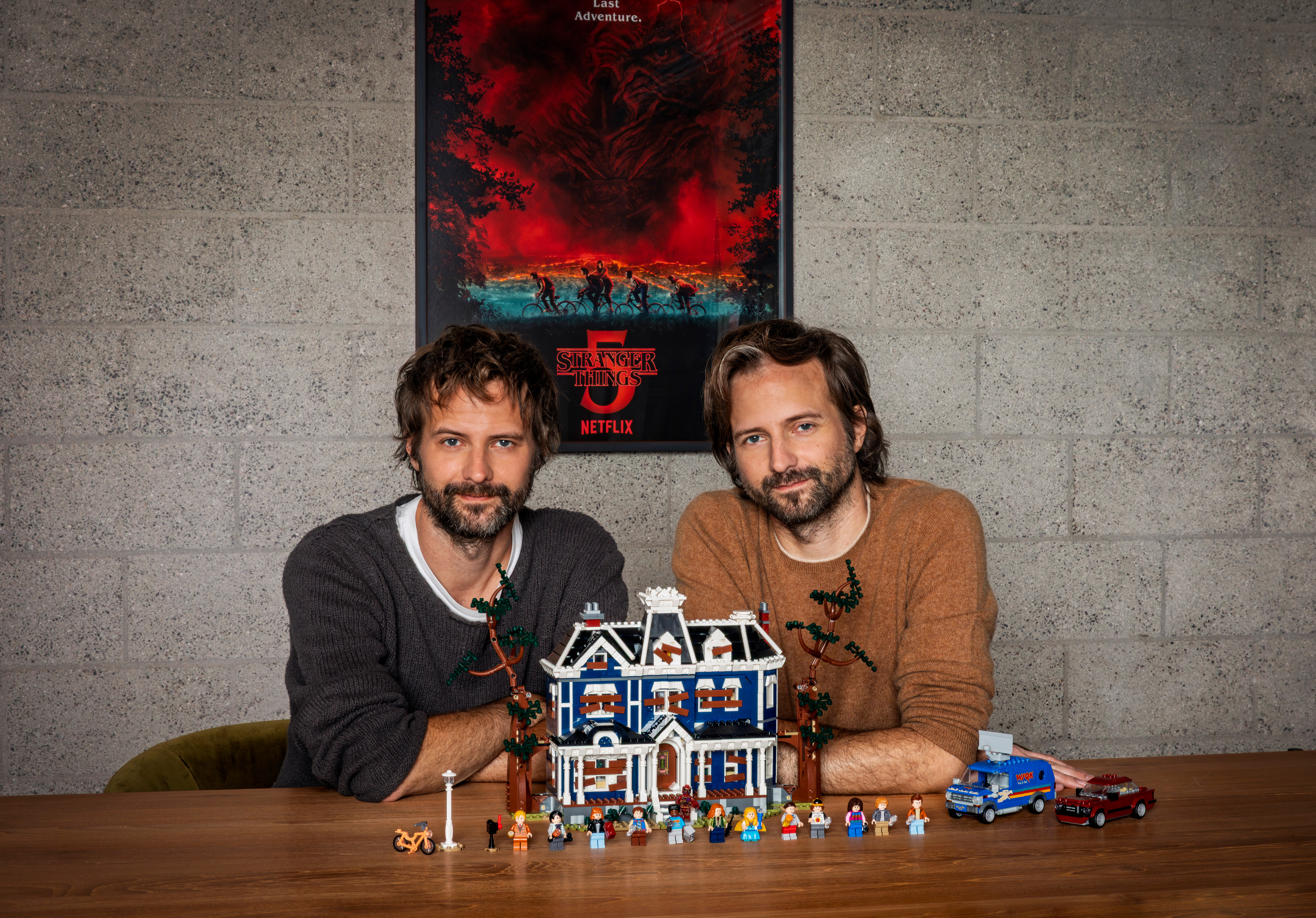
Stranger Things stands as one of Netflix’s most lucrative and culturally significant original assets. Since its 2016 premiere, the Duffer Brothers’ sci-fi horror series has generated extensive merchandising, including official Lego building sets featuring the iconic Byers household and the Upside Down. Despite the existing commercial partnership, an official Lego animated special has yet to materialize.
From a narrative perspective, Stranger Things possesses the precise structural density required for a Lego recap special. The series features multiple seasons of intricate mythology, high-stakes sci-fi lore, and a large ensemble cast. A Lego adaptation could effectively sanitize the more graphic horror elements—such as visceral character deaths or physical dismemberment—by utilizing standard minifigure disassembly humor, where characters break apart harmlessly rather than sustaining mortal wounds. Furthermore, a compressed Lego special could address pacing critiques present in the live-action run, such as controversial character detours in earlier seasons, while offering a fresh, self-aware critique of the show’s overarching narrative beats and climactic defeats.
The Witcher: Translating Complex Fantasy Mythologies
Andrzej Sapkowski’s literary universe, brought to screen via Netflix’s live-action adaptation of The Witcher, presents an intricate web of political intrigue, parallel timelines, and sprawling monster-hunting lore. While official Lego merchandise for The Witcher has not yet been commercialized, the property’s expansive world-building offers substantial potential for brick-based adaptation.
The primary hurdle in adapting The Witcher for general audiences is its initial narrative complexity, particularly the non-linear storytelling utilized throughout the first season. A Lego animated special could employ a framing device—such as the bard Jaskier attempting and comically failing to chronologically recount the Nilfgaardian wars—to simplify dense political exposition. The juxtaposition of a grimdark fantasy setting with vibrant, hyper-expressive Lego bricks introduces significant comedic potential. Additionally, animators would have creative liberty to design fantastical monsters and legendary beasts within the physical limitations of brick architecture, creating visually distinct battles between massive brick-built creatures and miniature heroes.
Wednesday: Expanding a Stylized Gothic Universe
Tim Burton’s Wednesday has already established a formal merchandising pipeline with Lego, providing concrete visual evidence of how the Addams Family universe translates into physical plastic elements. The series relies heavily on a distinct, gothic visual language that remains instantly recognizable regardless of the animation medium.
Wednesday occupies a unique cultural space as a supernatural mystery aimed at teenagers and young adults while retaining dark comedic undertones. Translating the series into a Lego special would allow creators to lean into the inherent absurdity of the Addams Family dynamic, lampooning romantic subplots and macabre investigations with family-friendly satire. The intricate murder mysteries and sudden plot twists that drive the live-action narrative can be efficiently condensed into a fast-paced, comedic runtime, making the overarching plot digestible for viewers unfamiliar with the primary series.
BoJack Horseman: Satirizing Adult Animation in Brick Form
Among Netflix’s critically acclaimed library, BoJack Horseman represents a unique creative challenge. As a deeply cynical, emotionally devastating animated tragicomedy exploring depression, addiction, and the vapid nature of Hollywood celebrity culture, the series is explicitly marketed toward adult audiences and contains mature themes throughout its six-season run.
Despite its adult orientation, Lego’s corporate history includes adapting complex properties through self-referential humor that acknowledges the absurdity of translating dark stories into children’s toys. The show’s anthropomorphic animal-human hybrid character designs would translate seamlessly into a unique collection of Lego minifigures. Moreover, industry precedent demonstrates that animators excel at subverting expectations when translating R-rated or mature cinematic moments—such as character demises in Jurassic Park or dark galactic conflicts in Star Wars—into playful brick-based equivalents. A Lego adaptation of BoJack Horseman could function as a profound meta-commentary on the television industry itself, utilizing physical comedy to temper the heavy existential dread characteristic of the source material.
Mindhunter: Deconstructing Prestige Drama Through Satire

Perhaps the most unconventional candidate for a Lego adaptation is David Fincher’s psychological crime thriller, Mindhunter. Chronicling the early days of the FBI’s Behavioral Science Unit interviewing incarcerated serial killers, the series is characterized by a deliberate, moody pace, somber cinematography, and devoid of traditional comedic relief.
The extreme tonal contrast between a gritty, methodical true-crime drama and the cheerful, constructive nature of Lego bricks provides fertile ground for experimental satire. The juxtaposition of plastic minifigures clinically discussing psychological profiles and horrific crimes introduces an absurd comedic element that could appeal to cinephiles and mature audiences. While commercially improbable given the subject matter, such a special would highlight the expansive versatility of the Lego animation style, proving that virtually any prestige television format can be reframed through creative corporate partnerships.
Implications and Future Outlook
The strategic expansion of streaming franchises into alternative animation formats reflects a broader industry trend toward multi-platform engagement. By leveraging established partnerships with toy manufacturers, platforms like Netflix can extend the commercial lifespan of their primary intellectual properties long after principal photography on live-action seasons concludes.
The success of the Lego One Piece special establishes a functional blueprint for bridging the gap between serialized prestige television and concise, accessible animation. As streaming services continue to evaluate the monetization and audience-acquisition metrics of their top-tier properties, the commissioning of additional Lego-themed specials based on mature hits like Stranger Things or Wednesday remains an increasingly viable commercial strategy. Industry analysts note that these crossover projects not only reinforce consumer product sales and merchandising revenue but also maintain audience engagement during extended hiatuses between traditional live-action season premieres.