A Landmark in Independent Horror
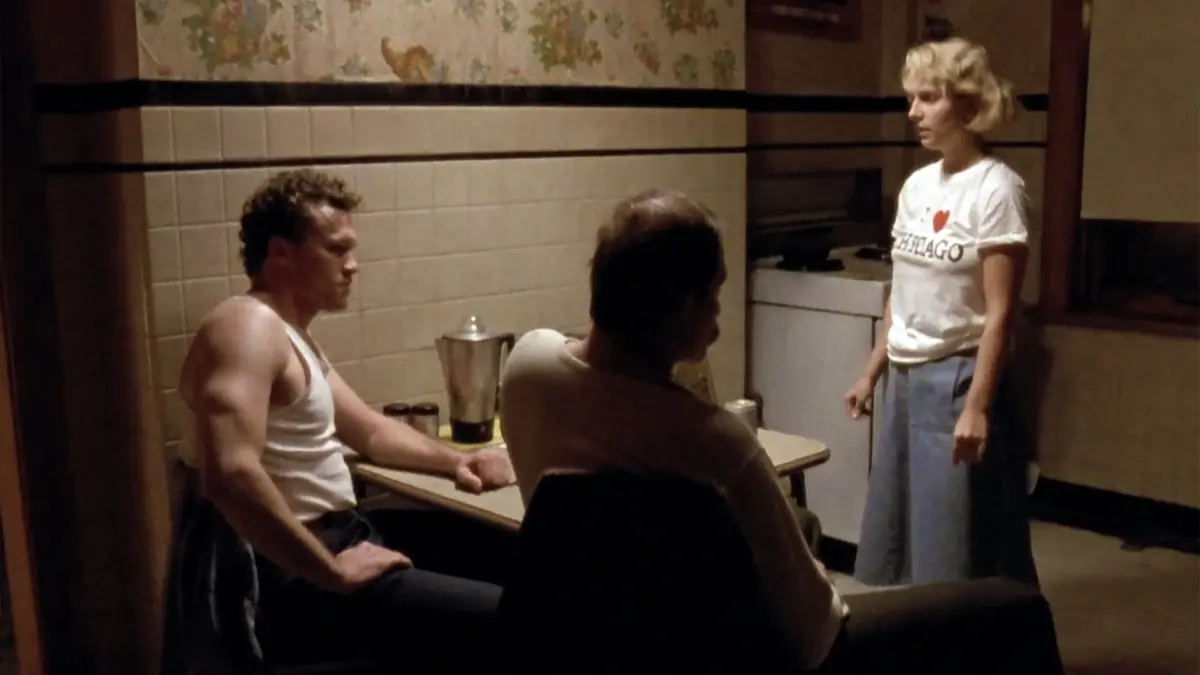
Released during a period when the slasher genre was dominated by supernatural villains and stylized kills, Henry: Portrait of a Serial Killer offered a stark, grounded alternative that unsettled audiences and critics alike. Starring Michael Rooker in his breakout role, the film follows a psychopathic drifter who settles into a dilapidated Chicago apartment with an old prison associate, Otis, played by Tom Towles. The arrival of Otis’s sister, Becky, portrayed by Tracy Arnold, introduces a fragile human element to their increasingly depraved environment.
The film’s power lies not in jump scares, but in its clinical, detached observation of mundane evil. McNaughton’s direction forces the audience into the role of a silent witness, stripping away the cinematic comfort of a moral compass. By focusing on the banality of Henry’s existence, the film creates an atmosphere of dread that persists long after the credits roll, most notably in its infamous, lingering final shot.

Chronology of a Controversial Classic
The history of Henry: Portrait of a Serial Killer is as tumultuous as the film’s narrative. The project began as a low-budget venture intended to fill a theatrical release slot, but its reception proved far more complicated than the production team anticipated.
- 1986: The film debuts at the Chicago International Film Festival. Despite its technical proficiency, the film’s extreme, realistic depiction of violence draws immediate fire.
- 1986–1989: The Motion Picture Association of America (MPAA) assigns the film an "X" rating. For nearly four years, the film remains effectively shelved, unable to secure a wide theatrical release due to the stigma associated with the rating, which was then primarily reserved for adult-oriented content.
- 1990: After a protracted battle, the film is released in the United States, eventually gaining a cult following that solidified its status as a masterpiece of independent horror.
- 2023–2024: Following a period of preservation and restoration, Dark Sky Films announces a definitive 4K UHD release and a nationwide return to cinemas, timed to coincide with the 40th anniversary of the film’s conceptual origin.
The 4K Restoration and Theatrical Event
The restoration process for the 4K UHD release has been meticulous, aimed at preserving the grainy, gritty aesthetic of the original 16mm film stock while enhancing clarity for modern displays. This technical upgrade allows new audiences to experience the film’s claustrophobic cinematography as it was originally intended.
On October 14th, the restored version will be screened at Regal Cinemas as part of the "Screams on Screen" series. This theatrical engagement serves as a significant cultural marker, recognizing the film’s transition from a banned, underground curiosity to an acknowledged cornerstone of American independent cinema. Dark Sky Films has emphasized that the restoration maintains the integrity of the original color grading and sound design, ensuring that the "uncompromising" nature of the film remains intact.

Marketing and Collector Engagement
To mark the anniversary, Dark Sky Films has entered into a strategic collaboration with the cult apparel brand Rucking Fotten. This partnership reflects a modern trend in physical media distribution, where high-end collector bundles are used to engage niche demographics.
From October 1st through October 9th, fans can pre-order exclusive bundles through the Dark Sky Selects platform. These bundles include a 4K UHD steelcase, a commemorative T-shirt, and, in select premium packages, a physical VHS copy of the film—a nod to the home video market that originally helped the film find its audience during the 1990s. This multi-format approach underscores the enduring appeal of physical media for horror enthusiasts and collectors of cinema history.
Contextual Analysis: The Legacy of Violence on Screen
The impact of Henry: Portrait of a Serial Killer extends beyond its box office figures. Academics and film historians often point to McNaughton’s work as a precursor to the "true crime" obsession that currently dominates modern media. By drawing loose inspiration from the real-life crimes of Henry Lee Lucas and Ottis Toole, the film occupies a liminal space between documentary-style realism and traditional narrative horror.

The MPAA’s initial refusal to rate the film anything other than an "X" remains a significant case study in the history of film censorship. The struggle over Henry forced a public conversation about the difference between gratuitous violence and the artistic exploration of human darkness. The film’s eventual release without a rating, or with the "X" stigma, paved the way for future independent filmmakers to challenge the standards of the ratings board, eventually leading to the creation of the "NC-17" rating, which provided a more nuanced classification for adult-themed films.
Comprehensive Special Features
The upcoming 4K UHD release is notable not just for its visual quality, but for the depth of its supplemental material. The inclusion of the following features offers a comprehensive look at the film’s production and its fraught history:
- Twisting The Lens: A deep dive into the use of diegetic cameras and the concept of voyeurism.
- In Defense of Henry: A critical analysis and appreciation of the film’s cultural impact.
- Legal and Institutional Battles: Features such as Henry vs. MPAA: A Visual History and Henry at the BBFC document the global struggle for the film’s distribution, featuring insights from experts like Stephen Thrower.
- Artistic Context: Conversations with artist Joe Coleman and director John McNaughton provide a look at the creative philosophy behind the film’s bleak aesthetic.
Broader Implications and Industry Impact
The return of Henry to theaters and the release of a high-fidelity 4K edition signify a broader industry trend of celebrating the "grindhouse" and independent horror eras. For Dark Sky Films, this release is a strategic move to solidify the film’s position in the permanent canon of horror. By treating Henry with the same technical care usually reserved for major studio blockbusters, the distributor is reinforcing the idea that independent films with limited initial releases can achieve significant longevity and cultural importance.

As the film enters its fifth decade, its relevance remains undiminished. While the landscape of horror has shifted toward high-concept, supernatural, and elevated narratives, the raw, psychological intensity of Henry: Portrait of a Serial Killer serves as a sobering reminder of the power of grounded, character-driven storytelling. The anniversary events and the 4K release are not merely commercial products; they are a recognition of a film that, despite being marginalized at its inception, fundamentally changed the trajectory of the genre.
For those interested in the evolution of American cinema, the return of this title provides an opportunity to reassess a work that challenged the boundaries of public taste. The film remains an essential viewing experience for those studying the intersection of crime, psychology, and the cinematic gaze. As of late October, the limited-edition releases will begin shipping, concluding a year of celebration that ensures the "chilling image" mentioned by audiences and critics alike will continue to haunt new generations of filmgoers for years to come.