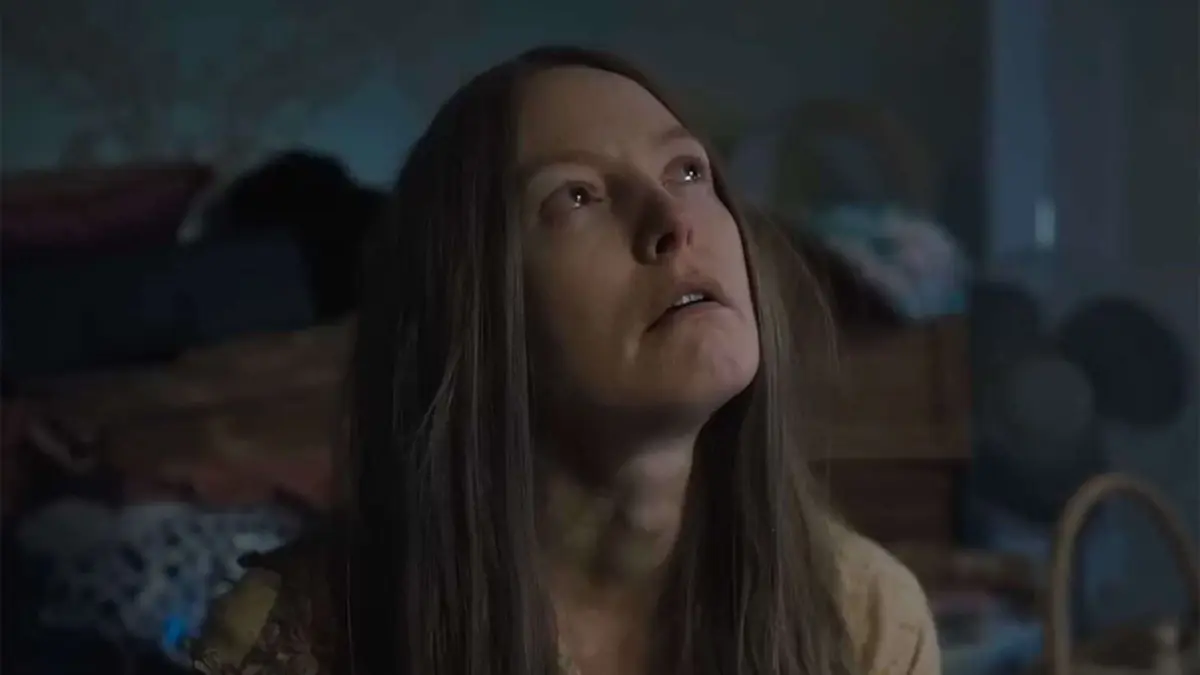
Following a notable surge in international interest at this year’s American Film Market (AFM), production house Red Collision Studios has officially announced the commencement of its debut feature film, Incuba Project. The English-language horror-thriller, set to be filmed on location in Colombia, stars Alicia Witt, best known for her recent performance in the breakout horror hit Longlegs, alongside María Camila Giraldo, recognized for her role in The Ritual. The film marks a significant milestone for the production company’s in-house writers’ room, Red Script Factory, as it seeks to bridge the gap between elevated genre filmmaking and poignant social commentary.
Plot Synopsis and Narrative Premise
The narrative centers on Jhoana, portrayed by María Camila Giraldo, a Colombian immigrant struggling with financial instability while attempting to provide a secure future for her young son. In a desperate bid to overcome her economic hardships, Jhoana enters the world of commercial surrogacy. She is recruited by the Maternity Incuba Care agency, an organization that presents itself as a sanctuary for women in similar circumstances.
The agency’s offer, however, comes with a rigid and unsettling stipulation: to qualify for the program, the participants must reside within a remote, isolated facility for the entire duration of their nine-month pregnancy. The film’s tension escalates as Jhoana begins to notice a pattern of disappearances among her fellow participants. As the agency’s true intentions come to light, the story shifts into a survival horror scenario. Alicia Witt has been cast as Minerva, the enigmatic and imposing head of the agency who oversees the facility’s operations and acts as the primary caretaker for the women. The screenplay, penned by María Camila Caballero Páez, leverages the claustrophobic setting of the remote facility to heighten the film’s psychological and physical stakes.
Creative Direction and Production Background
The project is spearheaded by Chilean filmmaker Juan Pablo Arias, who has been tasked with translating the script into a visceral cinematic experience. For Red Collision Studios, producers Vanessa Gómez and Sebastián Caballero view this film as a flagship project that reflects their mission to foster local talent while aiming for a global audience.
The decision to film in Colombia is intended to ground the narrative in a setting that feels both authentic and inherently threatening. According to production notes, the film is designed to utilize the natural landscape to build an atmosphere of inescapable isolation. By choosing to shoot in English, the production aims to maximize its international distribution potential, following a trend of non-English-speaking markets producing genre content specifically tailored for global streaming and theatrical platforms.

Thematic Significance and Social Commentary
The creative team behind Incuba Project has been vocal about the film’s underlying message. While the movie is categorized as a horror-thriller, it is explicitly framed as an allegory for the exploitation of vulnerable populations.
"Genre cinema has the power to expose what others prefer not to talk about; Get Out is a great example of that," said Vanessa Gómez, executive producer at Red Collision Studios. "In Incuba Project, the horror is rooted in what is done to the female body: the exploitation of migrant women who, seeking a better life for their families, end up being used by a system that treats them as commodities. We wanted to tell this story because Jhoana’s fight is the fight of millions of women whose bodies have been turned into a business, and this film is our way of making sure they are no longer invisible."
Director Juan Pablo Arias noted that the project’s appeal lies in its dual nature. "Incuba Project has a premise rich in horror textures, with many opportunities to build atmosphere and fear, but it also carries a very specific line of political and social critique," Arias remarked. "Not every film manages that combination. This is a project that can walk the line between commercial and auteur filmmaking in a clear and determined way."
Industry Context: The Rise of Latin American Horror
The production of Incuba Project arrives at a time when Latin American cinema is experiencing a profound shift in global perception. Historically, international interest in the region’s film industry focused primarily on drama or political documentaries. However, the last decade has seen a dramatic increase in high-quality genre exports from countries like Colombia, Chile, and Mexico.
The success of films like The Ritual and the continued growth of Latin American streaming markets have provided a roadmap for projects like Incuba Project. By integrating local labor, regional locations, and internationally recognized talent like Alicia Witt, the production is positioning itself to capitalize on a growing appetite for "prestige horror." This sub-genre, characterized by a focus on character development and thematic depth rather than mere jump scares, has become a lucrative segment of the film industry, particularly following the successes of studios like A24 and Neon.
Analytical Implications for Independent Studios
The formation of Red Script Factory by Red Collision Studios is a strategic move that reflects broader industry trends in the independent sector. By creating an in-house writers’ room, the production house is attempting to ensure consistent quality control and a distinct "house style" across its future slate of films.

The reliance on a specific narrative framework—in this case, the exploitation of migrant labor—allows the film to tap into current social anxieties regarding globalization, the gig economy, and bodily autonomy. From an analytical perspective, this project functions as a case study in how smaller, emerging production companies are utilizing genre tropes to address systemic issues. By placing the horror within the context of a "Maternity Care Agency," the film utilizes the vulnerability of pregnancy to create a universal sense of unease, ensuring that the thematic stakes are high enough to justify the horror genre’s typical intensity.
Production Timeline and Future Outlook
While specific dates for the start of principal photography have not yet been finalized, the announcement at the American Film Market serves as the formal launch of the project’s development phase. The inclusion of an established star like Alicia Witt—whose filmography in the horror genre, including her role in Longlegs, has solidified her status as a reliable draw for genre fans—suggests that the production has significant financial backing and distribution ambitions.
As the industry moves into 2026, the focus for the Red Collision team will be on securing international sales agreements and finalizing the logistics for the Colombian shoot. The film’s success will likely depend on its ability to maintain the balance between its social message and the required "scare factor" necessary for the horror market. If successful, Incuba Project could provide a template for future collaborations between Latin American producers and Western acting talent, further diversifying the landscape of contemporary horror cinema.
Industry observers will be watching closely to see how the collaboration between Juan Pablo Arias and the production team manifests on screen. With the genre space becoming increasingly competitive, the ability to marry a strong, politically resonant premise with high-tension filmmaking will be the key differentiator for Incuba Project in the crowded international market. As the production progresses, the industry expects further announcements regarding supporting cast members and potential distribution partners, all of which will serve as indicators of the project’s long-term commercial viability.