The interactive horror landscape is bracing for a significant expansion as IllFonic and Gun Interactive announce the first major post-launch content update for Halloween: The Game. Scheduled for release on October 27, the update introduces a substantial infusion of franchise-specific content, including iconic character variations, new playable survivors, and an expansive map that shifts the series’ traditional suburban terror to the rural isolation of a farming community. This development signals a strategic commitment from the developers to maintain long-term player engagement through a structured, year-long roadmap of updates, leveraging the extensive intellectual property archives of Trancas International Films and Miramax.
A New Era of Haddonfield Horror
The upcoming update arrives at a critical juncture for the title, which has sought to capture the atmosphere of the long-running film franchise since its debut. By integrating specific iterations of the antagonist, Michael Myers, the developers are addressing fan demand for visual authenticity. The inclusion of the versions seen in Halloween (2018) and Halloween 5: The Revenge of Michael Myers represents a bridge between the modern era of the films and the classic slasher aesthetics of the late 1980s.
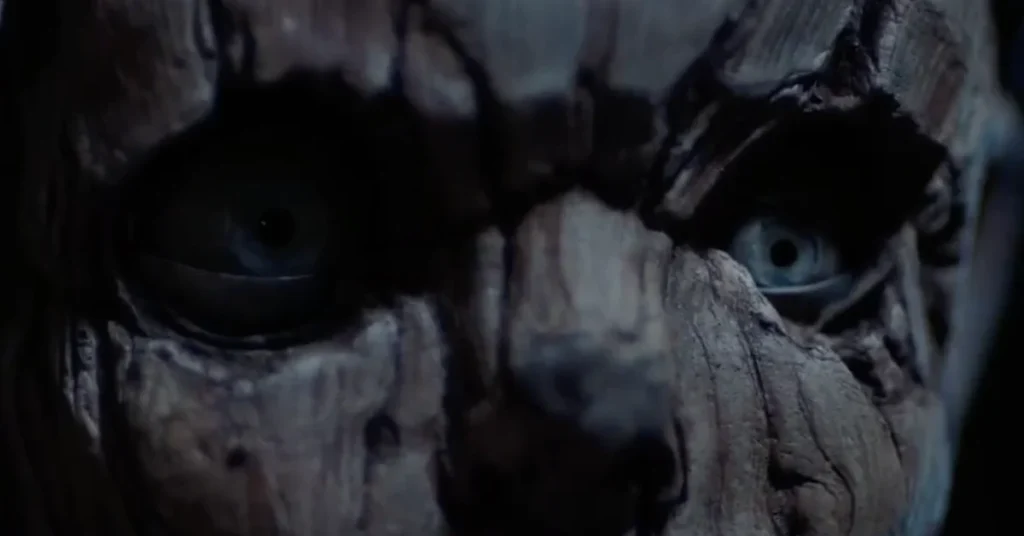
Of particular note is the collaboration with Christopher Nelson, the renowned special effects artist responsible for the mask designs in the recent David Gordon Green trilogy. Nelson’s involvement ensures that the 2018 version of Michael Myers maintains the weathered, burnt, and visceral aesthetic that defined the character’s return to the screen. Each of these premium character skins will be available for purchase at a price point of $9.99, reflecting the industry standard for high-fidelity, licensed character assets in asymmetrical multiplayer games.

The Tower Farm: A Shift in Gameplay Dynamics
The most notable addition for the broader player base is the free map, "The Tower Farm." This environment marks a departure from the confined, house-to-house combat that characterizes the standard Haddonfield-inspired stages. By moving the action to the outskirts of town, the developers have introduced a "wide-open" geometry that fundamentally alters the cat-and-mouse mechanics of the game.
The map is heavily inspired by the atmospheric setting of Halloween 5: The Revenge of Michael Myers, focusing on a sprawling agricultural landscape. The design incorporates distinct landmarks—such as an illuminated gas station, a trailer park, and a seasonal harvest festival—which serve as focal points for objective-based gameplay. From a design perspective, the open cornfields and country roads present a unique risk-reward structure. While visibility is theoretically higher in these wide-open spaces, players are also stripped of the traditional cover provided by residential homes, forcing them to rely on environmental features like roadside ditches, barns, and farm equipment for concealment. The inclusion of a sunset lighting cycle further emphasizes the transition from safety to the encroaching darkness of night, a hallmark of the franchise’s visual storytelling.
Expanding the Survivor Roster and Customization
To complement the new map and killer variants, the update introduces two new playable civilian characters: Michelle and Eugene. These characters are intended to diversify the survivor pool, potentially offering unique gameplay perks or defensive capabilities that remain to be detailed in the official patch notes. The characters will be sold as a bundle, ensuring that players have immediate access to both.
Furthermore, the developers are addressing player-requested aesthetic customization. A new costume pack will launch simultaneously, providing the civilian roster with 14 distinct Halloween-themed outfits. These are further augmented by 42 color tint options, allowing for a higher degree of personalization than was available at the game’s launch. This focus on cosmetic variety is a standard retention strategy in the current live-service gaming market, providing players with tangible rewards for their continued participation in the game’s ecosystem.

The Roadmap of Horror
This October update serves as the inaugural phase of a comprehensive 12-month development cycle. IllFonic and Gun Interactive have outlined a series of strategic milestones, with the goal of keeping the player base active through seasonal content drops and licensed tie-ins. The partnership with Compass International Pictures and Further Front remains the backbone of this strategy, allowing for the consistent acquisition of assets from the sprawling Halloween cinematic library.
Industry analysts suggest that the decision to release a major content update just days before the Halloween holiday is a calculated move to maximize player acquisition and engagement during the peak season for horror-themed entertainment. By providing the map as a free update while gating specific skins and characters behind premium price points, the developers are employing a "hybrid monetization" model that sustains the game’s infrastructure without fragmenting the community.
Technical Foundation and Platform Availability
Halloween: The Game continues to be supported on PlayStation 5, Xbox Series X|S, and PC via Steam and the Epic Games Store. The current pricing structure remains firm: the Digital Standard Edition is priced at $39.99, while the Deluxe Edition, which likely includes future content passes, remains at $59.99.
The technical implementation of the new map and character models suggests that the development team is leveraging the current generation of hardware to its fullest. High-resolution textures, dynamic lighting effects, and the detailed character sculpting by Christopher Nelson underscore a shift toward high-fidelity horror gaming. These technical improvements are essential for maintaining the "immersive" quality that defines the brand, particularly when recreating iconic imagery from the films.

Broader Implications for the Genre
The success of Halloween: The Game is representative of a larger trend in the gaming industry: the "asymmetrical slasher." Since the inception of the genre, developers have looked to horror cinema to provide the framework for competitive, team-based experiences. However, the longevity of these titles depends entirely on the cadence of content releases.
The decision to lean into the specific legacy of Halloween 5 and the 2018 iteration of the franchise demonstrates an awareness of the "multigenerational" appeal of the property. By catering to both fans of the classic slasher films and audiences of the modern Blumhouse-produced trilogy, the developers are ensuring that the game appeals to a broad demographic. If this roadmap succeeds, it may set a new benchmark for how licensed intellectual properties are handled within the interactive space.
As of October 2026, the collaboration between Gun Interactive and IllFonic remains a focal point of discussion within the gaming community. With the October 27 release date approaching, the focus now turns to how the community will respond to the mechanical shifts introduced by The Tower Farm. Will the open-field design favor the mobility of the survivors, or will the natural cover of the farm allow Michael Myers to dominate with new, unseen efficiency?
The answers to these questions will be revealed in the coming weeks, as the game enters this new chapter of its live-service journey. The commitment to providing both free gameplay expansions and premium cosmetic content suggests that the developers have a clear vision for the future of the title—one that balances the economic realities of modern game development with the artistic expectations of a highly dedicated fanbase. As the sun sets on the virtual cornfields of the new map, players will soon discover if they have the tactical fortitude to survive the night.