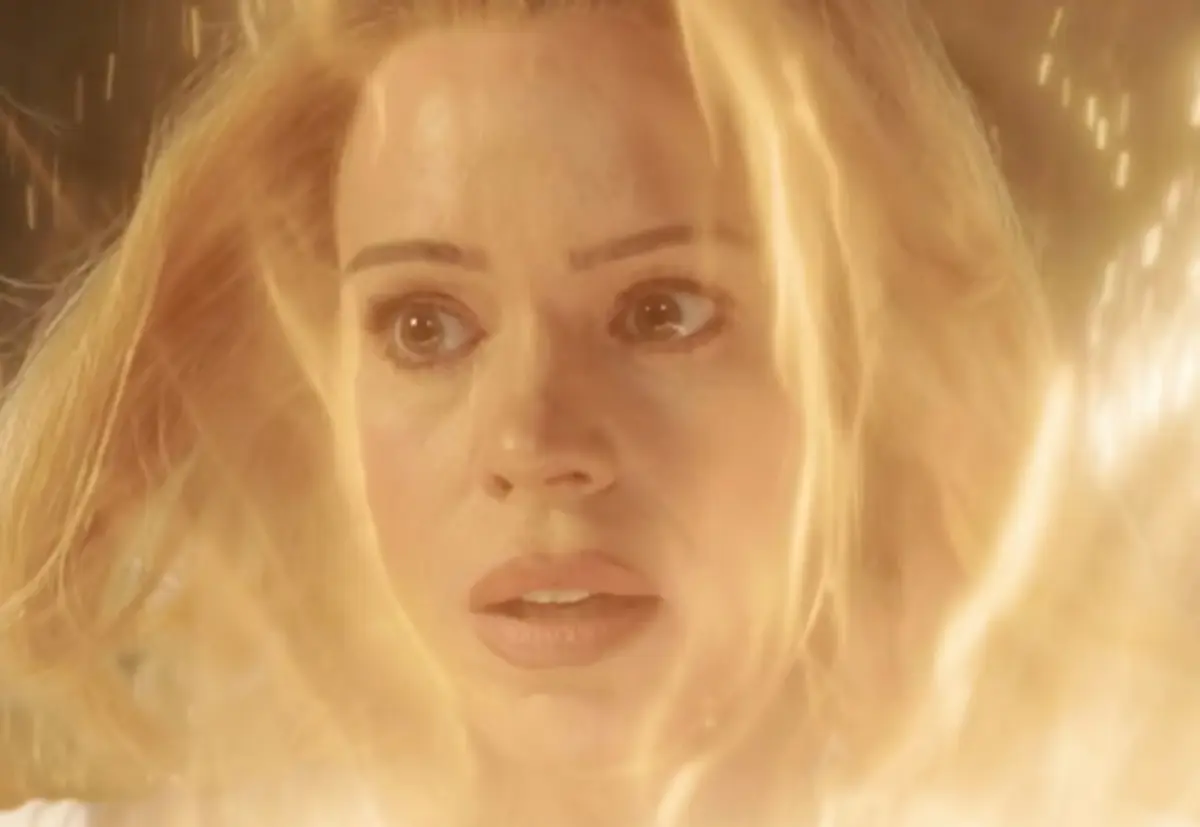
The long-running British science-fiction institution Doctor Who is currently navigating one of the most turbulent periods in its six-decade history. Following a dramatic climax that saw Ncuti Gatwa’s tenure as the Fifteenth Doctor conclude with a shocking regeneration into Billie Piper, the future of the beloved series has been thrown into deep uncertainty. This narrative pivot, which caught the global fandom entirely off guard, coincided with the sudden dissolution of the high-profile co-production deal between the BBC and The Walt Disney Company. With the international funding partnership effectively collapsed, the television franchise was placed on an indefinite hiatus, leaving only a planned 2026 Christmas Special—overseen by returning showrunner Russell T. Davies—as the sole remaining bridge between eras.
However, newly revealed insights from Davies’ upcoming memoir, excerpts of which have been published by major media outlets, have shed light on the chaotic behind-the-scenes maneuvering that ultimately led to the cancellation of that crucial holiday episode. The unmaking of the 2026 Christmas Special, which was quietly shelved in June, marks a significant turning point for the franchise, raising profound questions about creative continuity, corporate strategy, and the logistical challenges of running a multi-million-dollar multinational television property.
Chronology of a Crisis: From Disney Partnership to Sudden Hiatus
The roots of the current production crisis trace back to the ambitious multi-year agreement struck between the BBC and Disney Branded Television. Announced with immense fanfare in late 2022, the partnership was designed to elevate Doctor Who to unprecedented global status. Under the deal, Disney+ secured exclusive streaming rights outside of the United Kingdom and Ireland, injecting substantial financial capital into the production budget. This transatlantic alliance allowed Bad Wolf and BBC Studios to deliver larger-scale visual effects, cinematic framing, and high-profile guest stars, culminating in the celebrated seasons led by Russell T. Davies, who returned to the helm after stepping down in 2010.
Despite the initial optimism, viewer metrics and financial realities complicated the arrangement. While critical reception remained largely positive, the anticipated global breakout numbers did not fully align with Disney’s internal benchmarks for its premium streaming tier. By early 2026, rumors of friction began to circulate within industry circles. When Ncuti Gatwa’s contract concluded, the grand finale of his run—featuring the unexpected return of franchise icon Billie Piper as the Doctor—was broadcast against a backdrop of corporate restructuring. The Disney deal officially dissolved shortly thereafter, leaving the BBC to reassess its financial model for the series. In an effort to signal institutional confidence and reassure a nervous fanbase, network executives pushed for a 2026 Christmas Special, tasking Davies with bringing the standalone episode to life as a buffer between production blocks.
Inside the Decision to Cancel the 2026 Christmas Special
Russell T. Davies, a veteran architect of the Whoniverse whose two distinct eras have defined modern Doctor Who, has now provided a candid look at why that stabilizing holiday episode never made it to the screen. According to excerpts from his forthcoming memoir, The Queerest of Folk, Davies harbored deep reservations about the project from its inception.
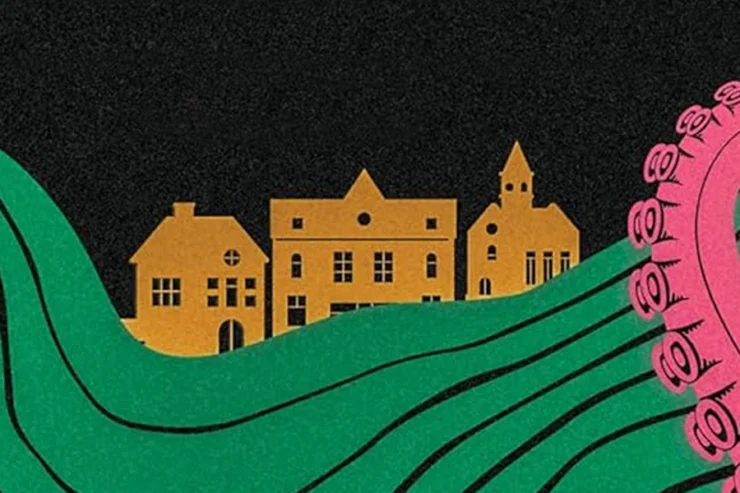
The mandate for the special originated strictly from the BBC. Network leadership viewed the holiday broadcast as a vital public relations tool to demonstrate ongoing corporate commitment to the property amidst the fallout from the Disney split. While Davies was initially hesitant, feeling pressured by the rapid turnaround required, he eventually conceptualized a narrative framework. He envisioned a uniquely eccentric Doctor Who adventure: an old-world English village juxtaposed against a colossal, enigmatic spaceship, serving as the backdrop for an outer-space festival entitled Winternox. The script was set to feature hordes of Daleks alongside a heavily guarded, highly unexpected narrative secret.
However, as production logistics tightened and key personnel became increasingly overextended, Davies had an epiphany regarding the structural awkwardness of the episode within the broader mythos of the show.
"There’s a huge era behind us, there’s a huge era ahead of us, what’s this thing in the middle?" Davies writes in his memoir. "A single episode which is neither here nor there, neither fish nor fowl. It really existed to please the fans, except the irony is, it was exactly the sort of episode that fans would not be pleased by."
Recognizing that a rushed, transitional holiday special ran the risk of alienating the dedicated fanbase it was designed to appease, Davies approached the BBC in May 2026. He formally recommended that the episode be scrapped. Network executives concurred with his assessment, officially halting pre-production and ensuring that viewers would not witness Billie Piper’s incarnation of the Time Lord defending the universe over the Christmas holiday.
Addressing Continuity: The Billie Piper Dilemma
The cancellation of the Christmas Special carries immediate narrative consequences, most notably that the incoming creative team and the next proper era of the show will likely bypass Billie Piper’s tenure as the Doctor entirely. For a franchise built on complex time travel and multi-layered continuity, the sudden introduction and immediate erasure of a major Doctor incarnation might seem like an insurmountable narrative hurdle to casual observers.
Davies, however, remains entirely unconcerned by the prospect of sweeping continuity clean. Drawing on decades of science-fiction storytelling precedent, he dismissed the potential narrative tangle with characteristic bluntness.
"Doctor Who problems are simple to solve," Davies notes, pointing to historical precedents within the franchise. He reminds readers of the infamous 1996 television movie starring Paul McGann, in which dialogue explicitly established that the Doctor was "half-human on my mother’s side." Rather than spawning decades of intricate lore exploration, that controversial plot point was neatly resolved by subsequent production teams simply by never mentioning it again.
According to Davies, a new incoming production team has two primary pathways: they can embrace the brief Piper regeneration into the official lore, or—far more likely—they can neatly sweep the event aside. "They can explain the event away with exactly seven words. Painless. That’s not a problem, that’s a piece of piss," he writes.
Industry Implications and the Broader Future of the Franchise
The events of mid-2026 mark a critical juncture for British television. Doctor Who has historically weathered cancellations, budget crises, cast turnovers, and shifting network priorities. The program was successfully revived in 2005 after a sixteen-year dormancy on television, proving its resilience across changing media landscapes.
The collapse of the Disney partnership and the subsequent shelving of Davies’ special mean that the BBC must now pivot toward a sustainable, domestic-first financial model, or seek alternative international co-production partners. Industry analysts suggest that while the loss of Disney’s capital will inevitably impact the scale of future seasons, it also liberates the creative team from the specific demographic and pacing expectations of a major American streaming conglomerate.
Furthermore, the transparent reflections shared by Russell T. Davies offer rare insight into the precarious balancing act required to manage a legacy intellectual property in the modern era. Network demands for continuous content can frequently clash with the measured artistic pacing required to maintain narrative integrity. By stepping back and killing a flawed project before it entered active filming, Davies and the BBC may have spared the franchise a polarizing misstep.
As the dust settles on the Gatwa era and the aborted Piper special, attention now turns to the BBC’s long-term strategy for the Time Lord. While official announcements regarding a new showrunner or casting decisions remain tightly under wraps, the foundational machinery of the series continues to turn. Whether the next iteration of Doctor Who chooses to address the 2026 cliffhanger with meticulous detail or dismiss it with Davies’ promised seven-word fix, the enduring cultural footprint of the series guarantees that the TARDIS will eventually materialize on television screens once more.