A New Direction for a Legacy Franchise
The production of The Exorcist: Martyrs represents a strategic evolution for Universal Pictures and Blumhouse, following a period of creative re-evaluation for the franchise. Mike Flanagan, known for his critically acclaimed work on projects such as The Haunting of Hill House and Midnight Mass, has been tasked with reinvigorating the property. According to initial reports and promotional materials released via Esquire, the film aims to distance itself from the immediate legacy of the 1973 original and its subsequent sequels and spin-offs.

Flanagan has emphasized that the film is intended as a standalone entry within the established universe rather than a direct remake or a reboot. This distinction is vital for a franchise that has struggled with consistency in recent decades. By grounding the narrative in a procedural framework, Flanagan seeks to introduce a sense of grounded realism to the series’ inherently fantastical premise. The goal is to move the narrative beyond the familiar "bedroom setting" that has defined the subgenre for over fifty years, expanding the scope of the threat to a scale that encompasses larger institutional and societal tensions.
Narrative Premise and Character Dynamics
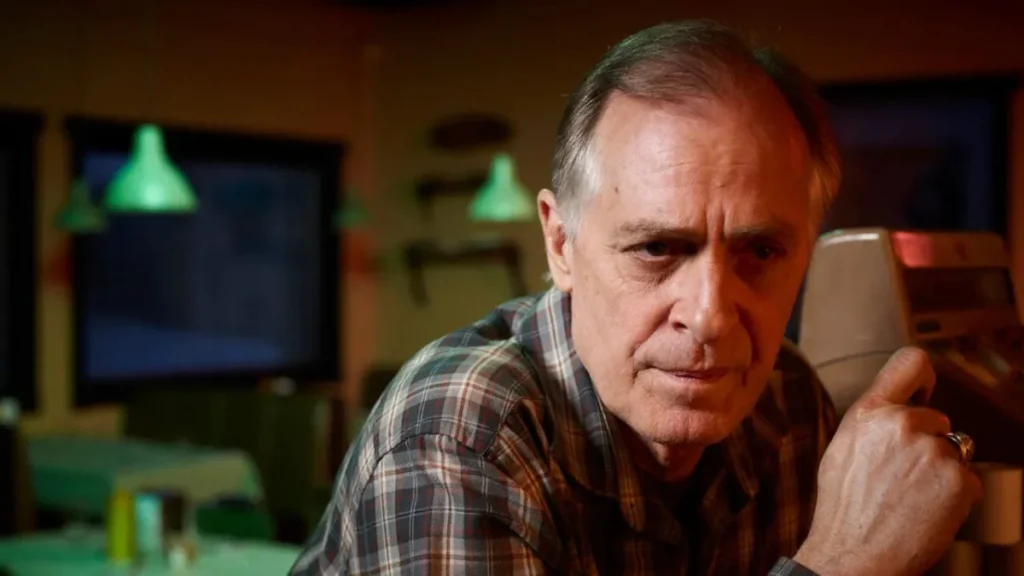
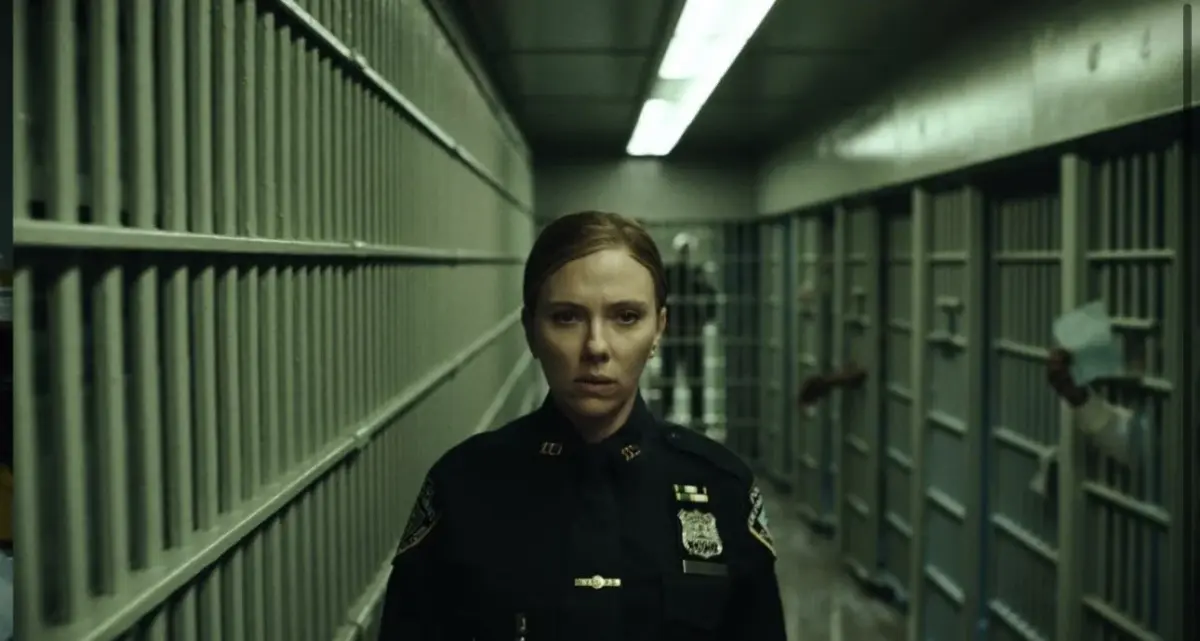
The plot centers on the character of Julie Miller, an NYPD homicide detective portrayed by Scarlett Johansson. The narrative trajectory initiates with a investigation into a serial killer identified as Father Sunday, played by John Leguizamo. The film’s inciting incident occurs during the execution of this antagonist, an event that serves as the catalyst for the supernatural phenomena that follow.

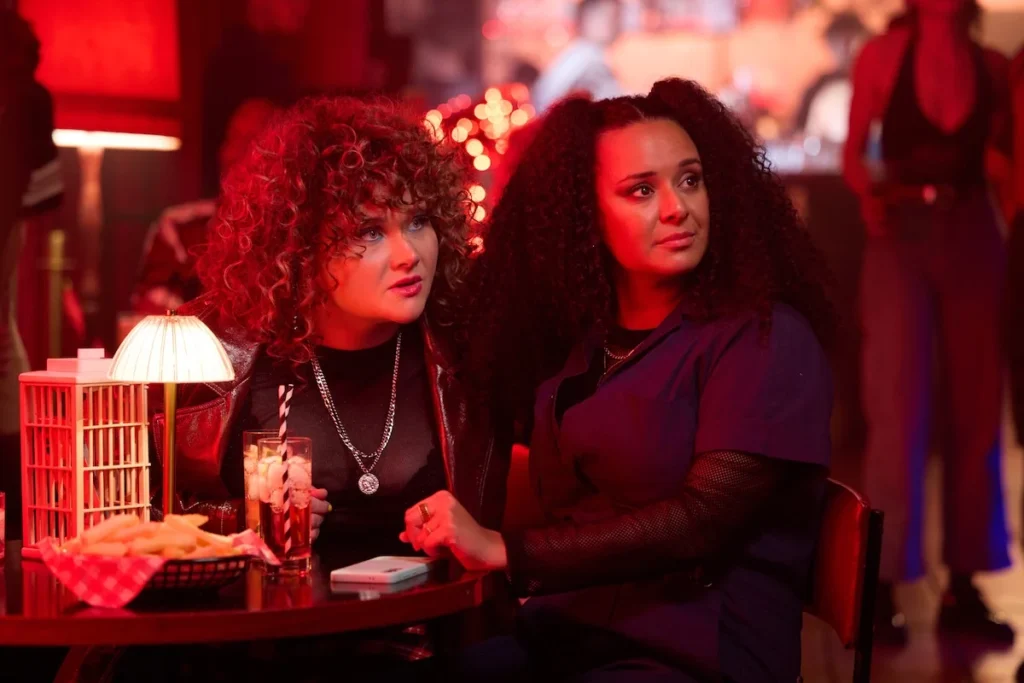
The supporting cast features a significant assembly of talent, including Sasha Calle as a fellow detective, providing a procedural anchor for the film. Jacobi Jupe is cast as Miller’s 12-year-old son, a role that mirrors the thematic focus on parental vulnerability central to the franchise’s history. Furthermore, the inclusion of actors such as Chiwetel Ejiofor and Laurence Fishburne as members of the clergy suggests a deepening of the theological and moral conflict at the heart of the film. Their involvement points toward a narrative that weighs the intersection of human fallibility and external spiritual influence.
The Influence of Crime Cinema
Flanagan’s stated inspiration for the project reflects a deliberate synthesis of disparate cinematic influences. By citing films such as David Fincher’s Se7en and Jonathan Demme’s The Silence of the Lambs, the director indicates an intent to prioritize atmospheric tension and psychological investigation alongside traditional horror beats.

The implications of this stylistic choice are significant. By integrating the investigative rigor of a police thriller with the occult elements of an exorcism film, the production aims to attract a broader demographic that might otherwise be deterred by pure supernatural horror. This approach echoes the broader industry trend of "elevated horror," where genre films are used as vehicles for exploring complex themes of guilt, justice, and the nature of evil.
Chronology of Development
The path to this announcement began following Universal’s strategic decision to re-examine its intellectual property assets after the mixed reception of recent franchise entries. Mike Flanagan’s involvement was officially secured in early 2026, with the studio prioritizing a March 12, 2027, theatrical release date.

The production cycle has been remarkably fast-paced, reflecting a concerted effort by the studio to maintain momentum. The teaser released on October 7, 2026, serves as the first major marketing milestone. The subsequent release of the full trailer on October 9 will provide audiences with a more comprehensive look at the film’s tone, pacing, and visual style. The distribution strategy appears to be a multi-phase roll-out, designed to build anticipation throughout the autumn of 2026, ensuring the film remains at the forefront of the cultural conversation leading into its spring 2027 premiere.
Analytical Perspective: The State of the Horror Market
The horror genre has remained one of the most profitable sectors in the film industry, with data consistently showing high return-on-investment rates compared to blockbuster action or sci-fi films. However, long-running franchises often face "sequel fatigue." The Exorcist: Martyrs faces the challenge of honoring a legendary predecessor while justifying its own existence in a crowded market.

The choice to employ a crime-thriller narrative structure is a calculated risk. Historically, horror films that successfully incorporate other genres—such as the psychological thriller elements in The Silence of the Lambs or the political intrigue in The Omen—have seen greater critical longevity. If Flanagan succeeds in shifting the focus from the domestic, parent-child dynamic to a broader, systemic exploration of evil, the film may define the next era of the franchise.
From an economic standpoint, the backing of Universal Pictures and the involvement of a director with a proven track record of streaming success suggests a high confidence level in the project. The film is positioned to be a major tentpole release for the first quarter of 2027, a period that historically acts as a proving ground for genre films that are not part of the standard summer blockbuster cycle.

Broader Implications and Audience Reception
The initial public response to the teaser has been one of intense scrutiny, given the stature of the original source material. By opting for a new, original story within the established lore, the production team has signaled a desire to avoid the pitfalls of direct comparison. This is a critical strategic maneuver. By presenting the film as a unique entry rather than a continuation of the 1973 narrative, the filmmakers provide themselves with the creative latitude necessary to explore the themes of "humanity under the influence of evil" without being constrained by the canonical baggage of the past.
The involvement of a high-caliber cast further legitimizes the project as a prestige production. The presence of actors like Laurence Fishburne and Chiwetel Ejiofor signals that the project is being treated with a level of gravity typically reserved for dramatic features. This casting choice is likely intended to appeal to an older, more discerning audience that appreciates performances rooted in character development rather than mere jump scares.

Looking Ahead to March 2027
As the release date approaches, the industry will be watching to see how the marketing campaign balances the legacy of the Exorcist brand with the innovative, procedural-based approach that Flanagan is promoting. The full trailer on October 9 will be the first real test of how well this hybrid concept translates to the screen.
The success of The Exorcist: Martyrs will likely dictate the future trajectory of the franchise. Should the film succeed, it may establish a new template for "franchise expansion" that prioritizes thematic consistency and directorial vision over repetitive narrative beats. Conversely, any deviation from the established brand identity will be closely monitored by critics and loyalists alike.

Ultimately, the film stands at a crossroads. It is tasked with the dual burden of maintaining the commercial viability of a historic intellectual property while simultaneously proving that the genre still has room for evolution. With the talent involved and the strategic shift in subgenre focus, the project represents one of the most significant horror developments of the current production cycle. The upcoming trailer will undoubtedly provide further clarity on whether the film can successfully navigate these competing demands and deliver a compelling, modern cinematic experience.