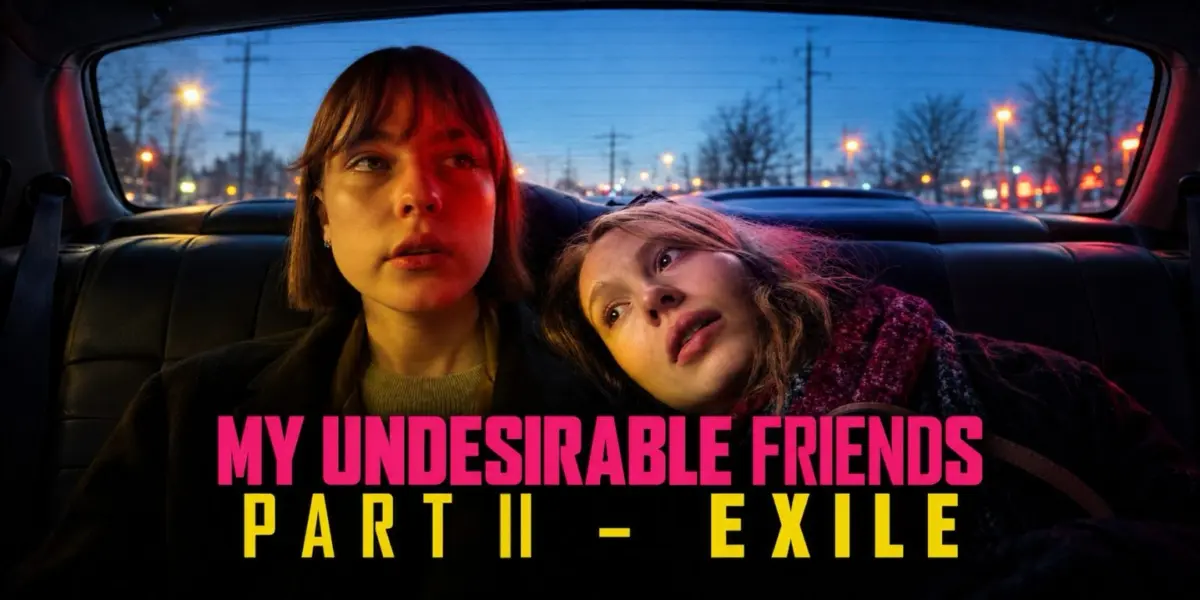
American documentary filmmaker Julia Loktev has returned with the continuation of her exhaustive and deeply intimate chronicle of modern Russian journalism under siege. My Undesirable Friends: Part II – Exile stands as the monumental 355-minute follow-up to her 2024 acclaimed feature, My Undesirable Friends: Part I – Last Air in Moscow. The sequel shifts its narrative focus from the tightening grip of state censorship within Russia to the chaotic, harrowing, and uncertain reality of independent journalists forced to flee their homeland. Following its well-received world premiere out of competition at the 83rd Venice International Film Festival, the film is slated for a theatrical release in New York City at the Film Forum on October 9, distributed by MUBI.
In light of the film’s festival success and upcoming theatrical rollout, director Julia Loktev sat down for an extensive discussion regarding the artistic, logistical, and emotional complexities of capturing a diaspora in real-time. This comprehensive conversation explores the unprecedented scope of her epic documentary project, shedding light on the personal sacrifices made by the journalists who chose exile over compliance.
The Genesis of an Epic: From Moscow to the Global Diaspora
The roots of My Undesirable Friends trace back to the rapidly deteriorating state of independent media in the Russian Federation, a process that accelerated dramatically following the passage of draconian "foreign agent" and "fake news" laws. As the Vladimir Putin administration systematically dismantled independent radio stations, television networks, and print publications, journalists faced an impossible choice: capitulate to state propaganda, face lengthy prison sentences under sweeping censorship statutes, or abandon their homes entirely.
Part I of Loktev’s project captured the tense final months of independent broadcasting inside Moscow, focusing on outlets like the Echo of Moscow radio station and TV Rain (Dozhd). It documented the palpable dread in newsrooms, the defiance of reporters trying to find loopholes in state-imposed narratives, and the ultimate, heartbreaking decisions to shutter operations as the state closed in.
With Part II – Exile, Loktev expands the canvas to encompass the physical and psychological dislocation of these media workers. The massive 355-minute runtime is necessary, the director argues, to fully capture the scope of a diaspora scattered across multiple countries, languages, and legal systems. The film tracks reporters as they relocate to transitional hubs in Europe, Georgia, and beyond, attempting to rebuild their newsrooms from laptops in cafes, temporary apartments, and foreign bureau offices, all while grappling with survivor’s guilt, financial precarity, and the constant threat of transnational repression.
Chronology of Suppression and the Documentary Process
The timeline of the project mirrors the rapid acceleration of authoritarian measures in Russia over the past several years. When independent media was outlawed or driven underground following the full-scale invasion of Ukraine in February 2022, the exodus of journalists became one of the largest migrations of intellectuals and media professionals in modern European history.
Loktev embedded herself within these shifting circles, utilizing an observational filmmaking style that prioritizes proximity and patience. Rather than relying on traditional talking-head retrospective interviews, the documentary captures events as they unfold. Viewers witness frantic packing sessions, tearful farewells at railway stations and airports, and the bureaucratic nightmares of securing visas, press credentials, and residency permits in foreign nations that were often ill-equipped to handle the sudden influx of refugees.
The production timeline required immense endurance from both the filmmaker and her subjects. Over several years, Loktev followed her subjects through the labyrinthine processes of starting anew. The resulting footage forms an essential historical archive of a fractured profession attempting to survive in exile, utilizing digital platforms and YouTube to broadcast back into the country they were forced to flee.

Critical Reception and Festival Triumph at Venice
The 83rd Venice International Film Festival served as the ideal backdrop for the world premiere of Loktev’s monumental work. Screening out of competition, My Undesirable Friends: Part II – Exile commanded the attention of international critics and festival attendees alike, drawing praise for its journalistic rigor, emotional resonance, and sheer cinematic scale.
Reviewers have frequently remarked upon the film’s unorthodox runtime. At nearly six hours long, it demands a significant investment from the viewer, yet critics note that the pacing reflects the exhaustive, day-to-day grind of displacement. Where standard news reports offer brief summaries of political repression, Loktev’s lens provides an immersive, day-by-day record of what it means to lose one’s audience, one’s institutional support, and one’s home overnight.
The positive reception in Venice underscores a growing international appetite for long-form, immersive documentary filmmaking that deals directly with the mechanics of modern authoritarianism and the resilience of the press.
Theatrical Rollout and MUBI Distribution
Following its festival run, My Undesirable Friends: Part II – Exile is transitioning to commercial distribution via MUBI, a platform known for curating boundary-pushing international cinema. The decision to secure a theatrical release—opening at the prestigious Film Forum in New York City on October 9—highlights the enduring power of big-screen documentary storytelling, even for works of epic proportions.
Industry analysts note that distributing a 355-minute documentary presents unique exhibition challenges, yet specialized art-house venues like Film Forum have historically proven receptive to monumental non-fiction projects that reward dedicated audiences. The New York run is expected to serve as a launchpad for further international theatrical engagements and educational screenings, ensuring that the stories of these exiled journalists reach a broad public constituency.
Broader Implications for Independent Journalism and Transnational Repression
Beyond its artistic and cinematic merits, Loktev’s documentary arrives at a critical juncture in global media history. The phenomenon of exiled journalism is no longer isolated to historical case studies of the 20th century; it is an active, ongoing crisis defining the 21st-century information landscape.
As authoritarian governments increasingly deploy digital surveillance, Interpol abuse, and targeted harassment across international borders, the journalists featured in Loktev’s film remain primary targets for state-sponsored retaliation. Their efforts to maintain editorial independence from abroad highlight the vulnerabilities of modern media, but also its stubborn persistence.
My Undesirable Friends: Part II – Exile ultimately serves as both a cautionary tale regarding the fragility of democratic institutions and a testament to the unyielding commitment of reporters determined to keep the truth alive, regardless of geographic boundaries. Through her exhaustive documentation, Loktev ensures that the silenced voices of Moscow’s newsrooms continue to resonate on the global stage.